- Filipinos need a visa for every trip to Japan.
- Apply through the Japan Visa Center (VFS), not the embassy.
- The tourist visa itself is free; VFS charges a handling fee.
- Work or study visas start with a COE from Japan.
Do Filipinos need a visa to Japan?
Yes. The Philippines is not on Japan's visa exemption list, so an ordinary Philippine passport needs a visa for every trip, even a short holiday. There is no visa on arrival. You apply in the Philippines before you fly, and only diplomatic passport holders are exempt under a 2024 arrangement.
The visa you need depends on what you will do in Japan:
- Temporary visitor visa (short-term stay): sightseeing, business meetings, conferences, or visiting relatives and friends, for up to 90 days. Paid work and training with an allowance or on-the-job training are not allowed.
- Long-term visa: work, study, living with a spouse, or any paid activity, even for 90 days or less. This route starts with a Certificate of Eligibility (COE) issued in Japan.
Source: Embassy of Japan in the Philippines, Visa/Consular Services and General Information (as of November 2026)
Where to apply: the Japan Visa Center (VFS)
Since 7 April 2025, most visa applications in the Philippines go through the Japan Visa Center run by VFS Services Philippines. You book an appointment on the VFS website and submit your documents at one of five centres:
| Area | Visa Center location |
|---|---|
| Metro Manila | Parañaque (Aseana City), Makati (Circuit Makati), Quezon City (Gateway Tower Mall, Araneta City) |
| Visayas | Cebu City (Faustina Center) |
| Mindanao | Davao City (Felcris Centrale) |
Direct application at the embassy in Manila or the consular offices in Cebu and Davao is only for listed cases, such as official visas, Japanese Government Scholarship awardees, people invited directly by the Japanese government, and humanitarian cases like serious illness of a relative in Japan. If your trip is ordinary tourism or a family visit, plan on going through VFS.
Source: Embassy of Japan in the Philippines, Visa/Consular Services and General Information (as of November 2026)
Search for a room
Only furnished properties with appliances are listed!
Japan visa fee for Filipinos
The temporary visitor visa (stays of up to 90 days) is free for Philippine nationals. The embassy's notice on its revised visa fees confirms that this has not changed.
The Visa Center is a private company, so it charges a handling fee for processing your application. Ask VFS for the current rate. For long-term visas and other types, the embassy publishes its consular fees separately.
Source: Embassy of Japan in the Philippines, General Information (as of November 2026)
Japan tourist visa requirements for Filipinos
The embassy publishes a separate checklist for each purpose (tourism, visiting relatives, visiting friends, business and so on), so download the one for your trip from the embassy's visa page. For tourism, the checklist asks for documents such as:
- A passport that is not damaged and has two blank pages
- The visa application form, filled in English, with a 4.5 x 3.5 cm photo taken within 6 months
- A birth certificate issued by PSA (and a marriage certificate if married)
- Your itinerary in Japan, day by day. Flights and hotels do not need to be booked yet
- Proof that you can pay for the trip, such as a bank certificate and your income tax return
If someone in Japan invites you or pays for your trip, they prepare extra papers, such as an invitation letter and a letter of guarantee. The invitation letter must describe the concrete reason for the visit. The embassy states that a vague line such as "Sightseeing" or "Visiting Relatives" is not accepted.
Document rules that cause delays
- Documents must be issued within 3 months of the application. Birth and marriage certificates can be up to 1 year old.
- Everything must be A4 size and must not be stapled.
- Documents issued in the Philippines must be originals, and submitted papers are not returned.
- Documents in a language other than English or Japanese need a translation with the translator's name, signature and date.
Source: Embassy of Japan in the Philippines, Important Note on the Document Submission and Tourism checklist (PDF) (as of November 2026)
Search for a room
Only furnished properties with appliances are listed!
Processing time and when to apply
- Choose the visa by the main purpose of your trip. Apply together with anyone travelling on the same schedule for the same purpose.
- Book a VFS appointment and submit. VFS passes your application to the embassy and gives you an 8-digit acceptance number. Keep it: the embassy cannot check your status by name and date of birth.
- Wait at least one week. Processing takes at least 5 working days from acceptance by the embassy. For tourist visas, the embassy warns it may take several weeks when applications are high, so apply well before your travel date.
- Don't apply too early either. A single-entry tourist visa is valid for travel within 3 months of issue, so apply no earlier than 3 months before you fly.
The embassy says it cannot release passports early to match a departure date, and it may ask for more documents or an interview. If you are asked for more papers, you must submit them within 1 month or the application is closed.
If your visa is denied
Only your passport is returned, and the embassy does not explain the reason. You can apply again for the same purpose after 6 months.
Source: Embassy of Japan in the Philippines, General Information and Visa/Consular Services (as of November 2026)
Japan eVISA for Filipinos: packaged tours only
Japan began issuing electronic visas (eVISA) to Filipinos on 15 December 2025, but only in one case: Philippine nationals living in the Philippines who join a packaged tour organized by a travel agency registered with the embassy. The application still goes through the Visa Center.
The JAPAN eVISA covers a single-entry short-term stay for tourism only. You get no sticker in your passport. Instead, you show the "visa issuance notice" on your phone when you check in. If you are travelling on your own, visiting family, or going for business, you apply for a regular paper visa.
Source: MOFA, The JAPAN eVISA system, MOFA, FAQ about JAPAN eVISA and Embassy of Japan in the Philippines (as of November 2026)
Search for a room
Only furnished properties with appliances are listed!
Multiple-entry visa for Filipinos
If you visit Japan often, you can ask for a multiple-entry temporary visitor visa. The embassy lists three types for Filipinos:
- for frequent travellers to Japan
- for Philippine nationals with considerable financial capacity
- for business purposes and cultural or intellectual figures
Each type has its own conditions and document list in a PDF on the embassy's visa page, together with the request form for a multiple-entry visa. The visa allows stays of up to 90 days each time, but it is still a visitor visa: you cannot work for pay on it.
Source: Embassy of Japan in the Philippines, Visa/Consular Services (as of November 2026)
Working or studying in Japan: the COE comes first
For work, study or family life in Japan, the order is different. Your sponsor in Japan acts first:
- Your employer, school or family member applies for a COE at an immigration office in Japan. Since 17 March 2023 a digital COE can be issued by email.
- You apply for the visa in the Philippines with your passport, application form, photo and the COE.
- Before travelling for a mid- to long-term stay, check whether you need a tuberculosis screening certificate. Japan is starting Japan Pre-Entry Tuberculosis Screening (JPETS) for residents coming from the Philippines; the embassy page has the details.
- After landing, you receive your residence card at major airports and register your address at the city office within 14 days of moving in.
The statuses Filipinos use most often:
| Status | Typical use | Our guide |
|---|---|---|
| Specified Skilled Worker | Caregiving, food service, construction, manufacturing and other set fields | SSW visa |
| Engineer/Specialist in Humanities/International Services | Engineers, IT, office roles, English teachers | Japan work visa |
| Student | University, vocational school, Japanese language school | Japan student visa |
| Spouse or Dependent | Living with a Japanese spouse or a family member working in Japan | Spouse and dependent visa |
If you are applying for a job in Japan, our guide to jobs in Japan for Filipinos explains the DMW process and how to avoid illegal recruiters.
Source: Embassy of Japan in the Philippines, Visa/Consular Services and Immigration Services Agency of Japan, COE application (as of November 2026)
Please note: this article explains the general system and is not legal advice. Whether a visa is issued is decided by the embassy and the immigration authorities, so follow the official pages and the Visa Center for your own case.
Where to stay once your visa is approved
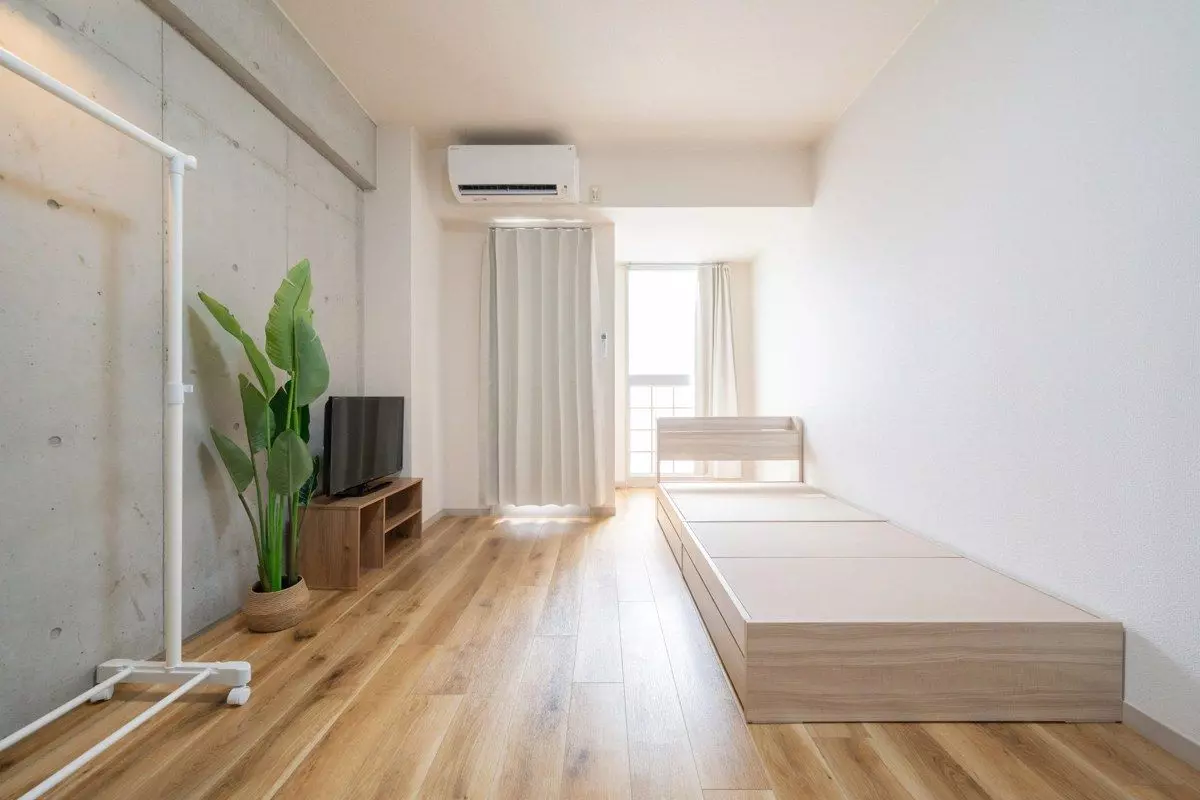
Hotels work for a week, but for a stay of a month or longer, or your first months after starting a job or school, a furnished room you can rent by the month is often simpler. XROSS HOUSE offers two options:
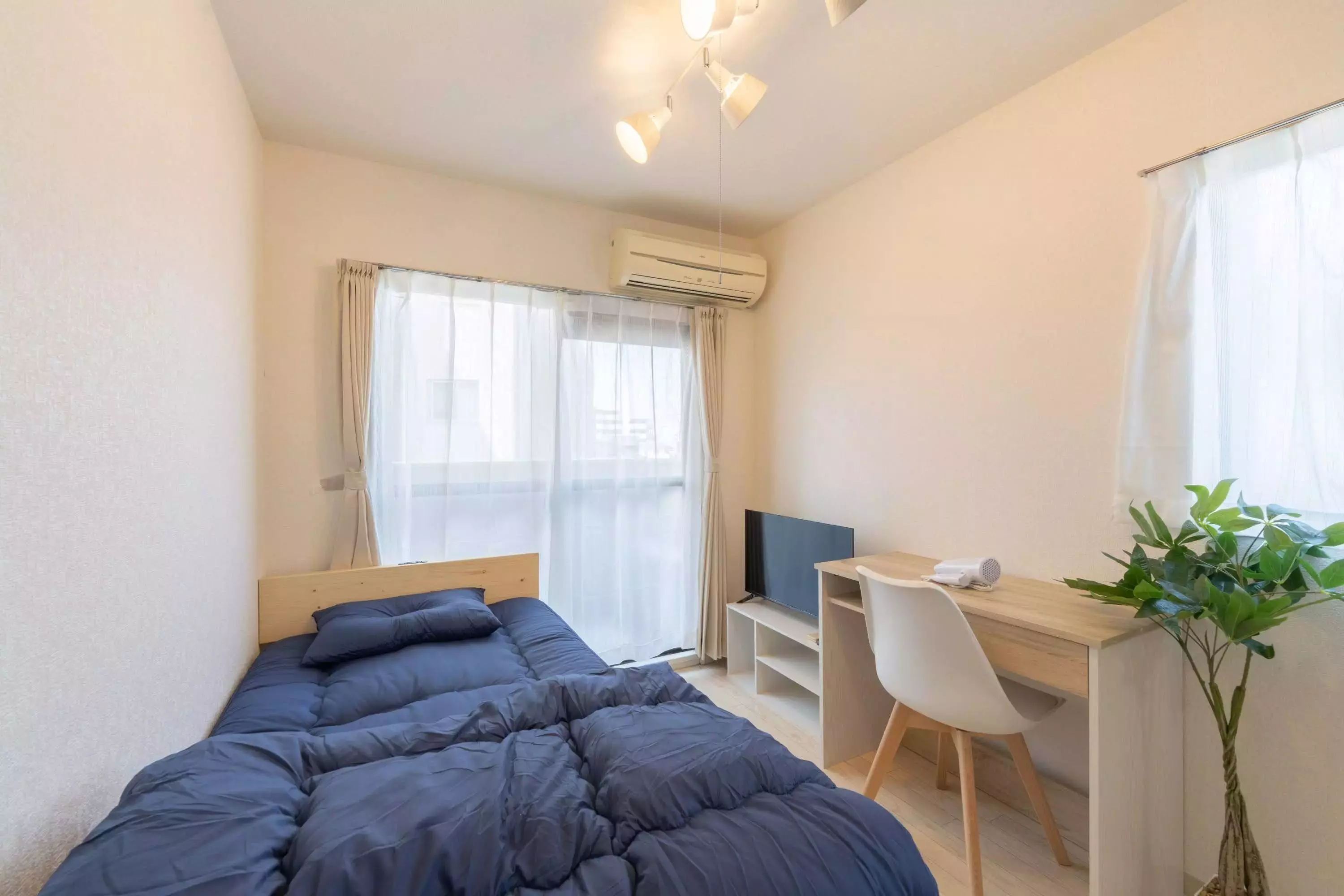
- Furnished apartments: your own home with a private kitchen and bathroom. Furniture and appliances are already in the room, and you set up your own internet.
- Share houses: a furnished private or shared room with a shared kitchen, bathroom and living room, and free shared Wi-Fi. It is the lower-cost way to start, and other residents are around when everything is new.
Contracts start from one month, and all statuses of residence are accepted, including a temporary visitor visa. That suits a long family visit or the first weeks before a job starts. You can view rooms and sign online from the Philippines, and the earliest move-in is 7 days after applying.
Start-up costs compared with a typical rental
In a typical Japanese rental, deposit and key money are often said to be around one month's rent each, plus an agency fee. At XROSS HOUSE, the only one-time fee at move-in is the registration fee.
| Item | Typical Japanese rental | XROSS HOUSE |
|---|---|---|
| Deposit, key money, agency fee (one-time) | Deposit and key money around 1 month's rent each + agency fee | Registration fee only. Share house: ¥30,000. Furnished apartment: ¥30,000 during the current campaign (normally ¥50,000) |
| Furniture and appliances | Usually you buy your own | Included |
| Minimum stay | Commonly a 2-year lease | From 1 month |
| Move-out | Cleaning and repair costs vary | Fixed fee set in advance. Share house: ¥16,500. Furnished apartment: ¥55,000 |
Rent and guarantee company fees are paid on top of the registration fee. Some campaigns have a minimum stay, so ask for a written quote: it lists every cost from move-in to move-out before you sign. See our fees page for current details.
Guarantor and guarantee company
- No personal joint guarantor is needed.
- Individual contracts generally require joining a rent guarantee company. An initial guarantee fee and a monthly guarantee fee are charged separately, on top of the registration fee. The amount is confirmed at application screening.
- If you pay everything from the registration fee to the move-out costs in full at move-in, you do not need to join a guarantee company, so no guarantee fees apply.
Employers can also sign a corporate contract with us to house their staff. For your first weeks after arriving on a long-term visa, see our guides to the residence card and opening a bank account.
FAQ: Japan visa for Filipinos
Is Japan visa free for Filipinos?
No. Holders of an ordinary Philippine passport need a visa for every trip to Japan. What is free is the visa fee: the temporary visitor visa costs nothing for Philippine nationals, although the Visa Center charges a handling fee.
Can I apply for a Japan visa directly at the embassy in Manila?
Usually not. Since April 2025, ordinary applications such as tourism and family visits go through the Japan Visa Center (VFS) in Parañaque, Makati, Quezon City, Cebu or Davao. Direct application is only for listed cases, such as official visas and humanitarian cases.
How long does a Japan tourist visa take in the Philippines?
At least 5 working days from acceptance by the embassy. When tourist applications are high, it may take several weeks, and the embassy cannot speed it up for your travel date. Apply early, but no more than 3 months before you fly.
Can Filipinos apply for the Japan eVISA online?
Only Philippine nationals living in the Philippines who join a packaged tour by a registered travel agency can get an eVISA, available since 15 December 2025, and the application goes through the Visa Center. Independent travellers apply for a regular visa.
Do I need to book flights and a hotel before applying?
No. The embassy's itinerary form asks for your planned dates, flights if possible, and where you will stay, but it says booking is not necessary. Write the itinerary day by day.
What happens if my Japan visa is denied?
Your passport is returned without the visa, and the reason is not disclosed. You can apply again for the same purpose after 6 months.
Can I rent a room in Japan on a tourist visa?
Yes, at XROSS HOUSE. All statuses of residence are accepted, including a temporary visitor visa, and contracts start from one month. No personal guarantor is needed; individual contracts generally join a guarantee company, unless you pay all costs up front. More answers are on our FAQ page.
Summary: apply through VFS, early but not too early
For most Filipinos, the path to a Japan visa is the same: pick the visa that matches your purpose, prepare the checklist documents, apply through the Japan Visa Center, and allow several weeks. The tourist visa itself is free. If you are going to work or study, your sponsor's COE comes first.
Once your visa is sorted, tell us your arrival date, how long you will stay and where you will work or study, and we will suggest areas and send a written quote.