Reviewed by the XROSS HOUSE team — a Tokyo-based operator of share houses and furnished apartments across 10 prefectures in Japan, with more than 50,000 residents housed to date.
- Choose by commute first: one direct line is the goal.
- West side: lively; east side: calmer and often cheaper.
- Rent falls as you move away from the Yamanote Line.
- Furnished apartments let you try an area from 1 month.
How Tokyo is laid out: 23 wards, one loop line
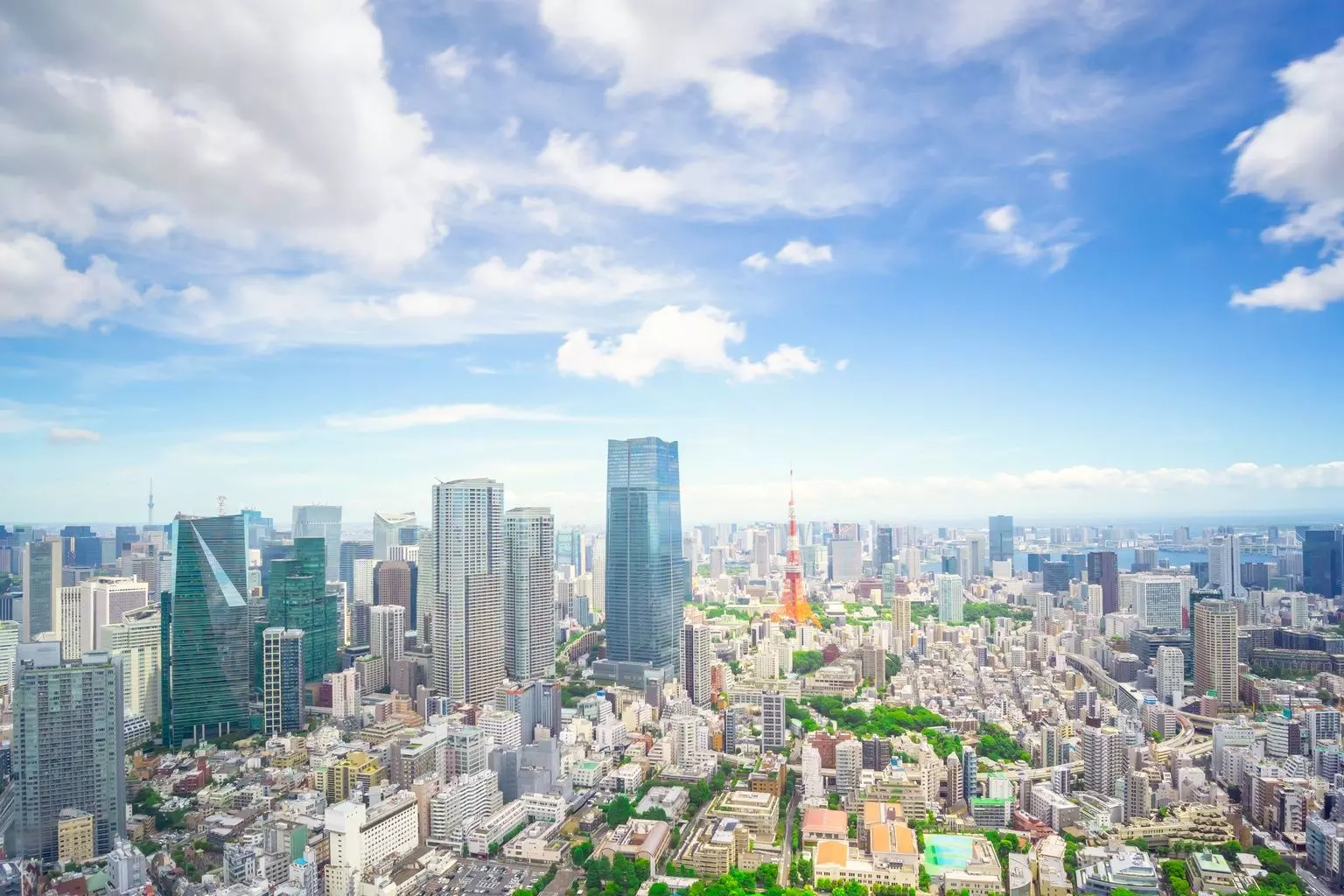
Tokyo is not one city center but a cluster of centers. The core is made up of 23 special wards, each with its own town hall, and most of the big hubs sit on the JR Yamanote Line, a loop that connects Shinjuku, Shibuya, Ikebukuro, Ueno, Tokyo Station and Shinagawa.
For living, the loop is a useful map. Neighborhoods inside or right on the Yamanote Line are the most central and usually the most expensive. Go a few stations out on a line that runs into the loop, and the same commute often comes with lower rent and quieter streets.
A second split is west and east. The western wards, such as Shibuya, Setagaya, Nakano and Suginami, are known for shopping streets, cafes and a younger crowd. The eastern wards, such as Taito, Sumida, Koto and Edogawa, keep more of old Tokyo, with rivers, temples and long shopping arcades, and rents there are often lower.
As a reference point, private rented housing in Tokyo's 23 wards averages ¥99,618 a month across all home sizes.
Source: Statistics Bureau of Japan, 2023 Housing and Land Survey (e-Stat) (as of November 2026)
For a ward-by-ward look at prices, see our guide to the average rent in Tokyo.
Tokyo neighborhoods at a glance
This table covers the neighborhoods foreign residents ask about most often, grouped by what daily life there is like.
| Neighborhood | What it is like | Often a good fit for | Main lines |
|---|---|---|---|
| Shibuya, Ebisu, Nakameguro | Fashion, nightlife, cafes along the Meguro River. Central and among the priciest | People working in Shibuya's tech and creative offices | JR Yamanote, Tokyu Toyoko, Tokyo Metro Hibiya |
| Shinjuku, Takadanobaba, Shin-Okubo | Huge transport hub with universities and language schools nearby. Busy and international | Students and anyone who wants many lines in one place | JR Yamanote, Chuo, Seibu Shinjuku, Tozai |
| Ikebukuro | A major hub with department stores and plenty of everyday shops, at lower rents than Shibuya | Students and commuters who want convenience on a budget | JR Yamanote, Saikyo, Seibu Ikebukuro, Tobu Tojo, Marunouchi |
| Nakano, Koenji, Kichijoji | Shopping arcades, live music, second-hand shops and Inokashira Park. Relaxed and creative | Long stays, freelancers, people who like local character | JR Chuo Line (direct to Shinjuku and Tokyo Station) |
| Shimokitazawa, Sangenjaya | Small theaters, vintage clothing and cafes in residential Setagaya | People who want a lively but residential street life | Odakyu, Keio Inokashira, Tokyu Den-en-toshi |
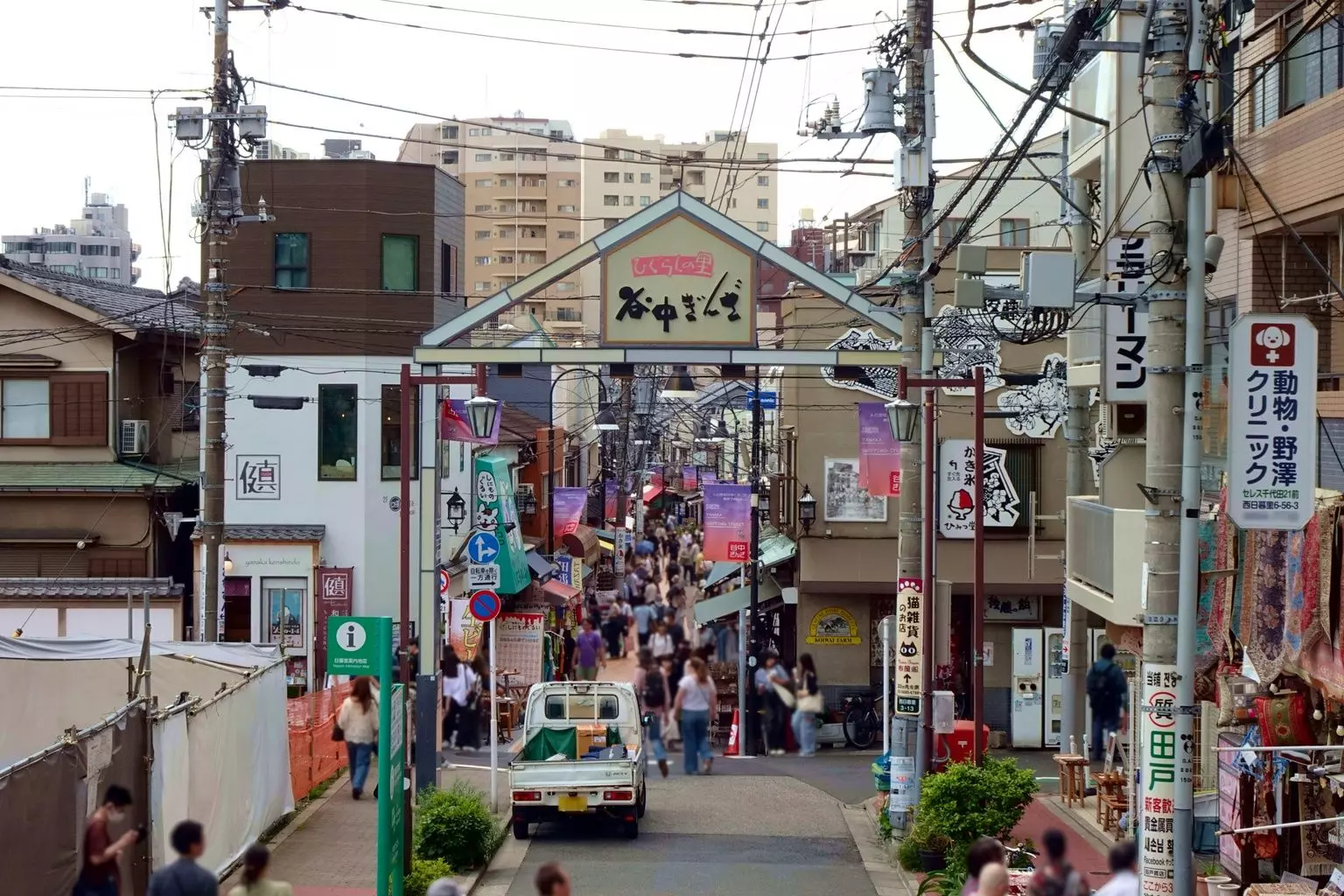
| Yanaka, Nippori, Ueno | Old Tokyo: temples, wooden houses and the Yanaka Ginza shopping street, next to Ueno Park and its museums | Those who want a calm, traditional atmosphere close to the center | JR Yamanote, Keisei (to Narita Airport), Chiyoda |
| Asakusa, Kuramae, Oshiage | Riverside downtown with Senso-ji, craft shops and the Tokyo Skytree | People who like a neighborhood feel and easy airport access | Asakusa, Ginza, Tobu Skytree |
| Toyosu, Tsukishima, Kiyosumi-Shirakawa | Bay area with newer buildings, wide streets, parks and coffee roasters | Commuters to Ginza and Tokyo Station, people who like open space | Yurakucho, Yurikamome, Hanzomon, Oedo |
| Kinshicho, Kameido, Kasai | Practical eastern hubs with big shopping centers and lower rents | Budget-minded commuters heading to central and east Tokyo | JR Sobu, Hanzomon, Tozai |
| Itabashi, Akabane, Oji | Residential northern areas with long shopping streets and quick trains to Ikebukuro | Value-focused long stays | Mita, Tobu Tojo, JR Saikyo, Keihin-Tohoku |
Each area has quieter blocks a few minutes from the station. Two streets in the same neighborhood can feel very different, so the station is only the starting point.
Search for a room
Only furnished properties with appliances are listed!
West Tokyo: the lively side
Shibuya, Ebisu and Nakameguro
This is the Tokyo many people picture first. Shibuya is a business and shopping center, Ebisu has a grown-up restaurant scene, and Nakameguro is known for its riverside cafes and cherry blossoms. Rent is among the highest in the city, so many people work here but live one or two stations out on the Tokyu Toyoko or Den-en-toshi lines. Our guide to Shibuya apartments goes into more detail.
Shinjuku, Takadanobaba and Shin-Okubo
Shinjuku Station is one of the busiest stations in the world, with lines in every direction. Takadanobaba, one stop north, is a student town close to Waseda University and many Japanese language schools. Shin-Okubo has Korean restaurants and international grocery stores. If you are studying, our guide to Japanese language schools in Japan can help you match your school with an area.
Nakano, Koenji and Kichijoji
These towns sit on the JR Chuo Line, which runs straight into Shinjuku and Tokyo Station. Nakano Broadway is famous for anime and collectibles, Koenji for vintage shops and live music, and Kichijoji for Inokashira Park. They are popular for long stays because daily life is easy and the commute is a single train.
Shimokitazawa and Sangenjaya
Both are in Setagaya, Tokyo's most populous ward. Shimokitazawa has small theaters and vintage clothing, and its station area was rebuilt with walking paths where railway tracks once ran. Sangenjaya is a few minutes from Shibuya and has narrow lanes full of bars and restaurants.
Central north: hubs with everyday convenience
Ikebukuro
Ikebukuro is a major hub on the north side of the Yamanote Line, with department stores, cinemas and a big Chinese community. Rents are usually lower than in Shibuya or Shinjuku while transport is just as good. See our guide to furnished apartments in Ikebukuro.
Itabashi, Akabane and Oji
Further north, these are residential areas with long covered shopping streets and plenty of supermarkets. Akabane is a JR hub with fast trains to Ikebukuro and Shinjuku. They suit people who want more space for their budget and do not mind a slightly longer ride.
Search for a room
Only furnished properties with appliances are listed!
East Tokyo: old Tokyo and the bay
Yanaka, Nippori and Ueno
Yanaka is one of the few areas where pre-war streets and temples survive, and the Yanaka Ginza shopping street is a local favorite. Nippori is a stop on the Keisei Line to Narita Airport, which is handy if you travel often. Ueno has a large park, museums and the Ameyoko market.
Asakusa, Kuramae and Oshiage
Asakusa is home to Senso-ji Temple, and Kuramae next door has small workshops and coffee shops along the Sumida River. Oshiage sits under the Tokyo Skytree with a large shopping complex. The Asakusa Line runs through to both Haneda and Narita airports.
Toyosu, Tsukishima and Kiyosumi-Shirakawa
The bay area has newer apartment buildings, waterfront parks and wide sidewalks. Toyosu is a short ride to Ginza, Tsukishima is known for monjayaki restaurants, and Kiyosumi-Shirakawa has a well-known garden and many coffee roasters.
Kinshicho, Kameido and Kasai
These eastern hubs are practical places to live, with large shopping centers and fast trains to central Tokyo. Kasai, on the Tozai Line, has one of the larger communities of residents from India in Tokyo, with Indian restaurants and grocery stores nearby.
How to choose your Tokyo neighborhood
- Start from your commute. Mark your office or school, then list stations on a line that gets you there without a transfer. A direct 30-minute ride is often easier than a 15-minute trip with two changes. Some lines, such as the Tokyo Metro Tozai Line and the Tokyu Den-en-toshi Line, are known for crowded morning rush hours, so it is worth riding your route once at commuting time before you decide.
- Set a budget range. Moving two or three stations away from a Yamanote Line hub is the simplest way to lower rent for the same commute. Our Tokyo rent guide shows how prices change by area.
- Match the area to your days off. Parks and quiet streets, nightlife, international food, or easy airport access: each neighborhood leans one way.
- Visit at different times. Walk from the station to the building in the evening and on a weekend, and check where the nearest supermarket is.
- Check the room type. Japanese listings use codes like 1K and 1LDK. Our guide to Japanese apartment layouts explains what each means.
If you cannot decide from abroad, a common approach is to start with a short stay in a furnished apartment, get to know the city, and then choose a longer-term home.
Search for a room
Only furnished properties with appliances are listed!
What you pay to move in: typical rental vs XROSS HOUSE
Whichever neighborhood you choose, move-in costs are often the biggest surprise. In a typical Japanese rental, deposit and key money are often said to be around one month's rent each, plus an agency fee. Add furniture and appliances, and the first month can be expensive before you start living there.
XROSS HOUSE furnished apartments work differently. The only one-time fee XROSS HOUSE charges at move-in is the registration fee: ¥30,000 for furnished apartments during the current campaign (normally ¥50,000). There is no deposit and no agency fee.
| Item | Typical Japanese rental | XROSS HOUSE furnished apartment |
|---|---|---|
| Deposit, key money, agency fee (one-time) | Deposit and key money around 1 month's rent each + agency fee | Registration fee only: ¥30,000 (campaign; normally ¥50,000) |
| Furniture and appliances | Usually you buy your own | Included |
| Common-area / management fee | Often charged on top of rent | None |
| Monthly extra | Varies by building | Anshin support fee: ¥1,500 (tax incl.) |
| Move-out | Cleaning and repair costs are often deducted from the deposit | Fixed move-out fee: ¥55,000 (tax incl.), set in advance |
| Rent | Varies by listing | Varies by property; the current rent is shown on each property page and in your quote |
For individual contracts, rent guarantee company fees are charged separately. The first month's (prorated) rent is paid before move-in.
Guarantor and guarantee company
- No personal joint guarantor is needed.
- Individual contracts generally require joining a rent guarantee company. An initial guarantee fee and a monthly guarantee fee are charged separately. The amount is confirmed at application screening.
- If you pay everything from the registration fee to the move-out costs in full at move-in, you do not need to join a guarantee company, so no guarantee fees apply.
Moving out
You can move out with one month's notice. Some campaigns have a minimum stay condition, so check it in your quote. Furnished apartments have a fixed move-out fee of ¥55,000 (tax incl.), charged at every move-out. If you want to try another neighborhood later, moving to a different XROSS HOUSE home has no transfer fee (guarantee company re-screening may apply).
Try a neighborhood first with a furnished apartment
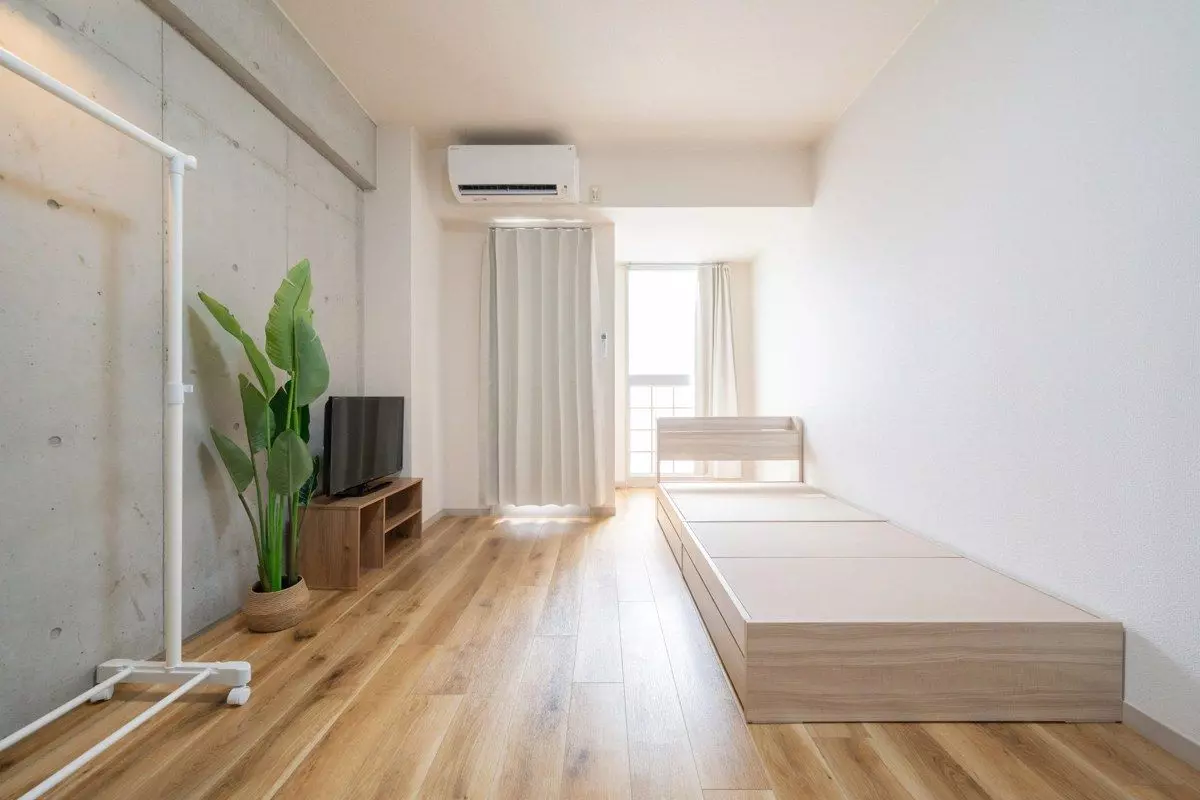
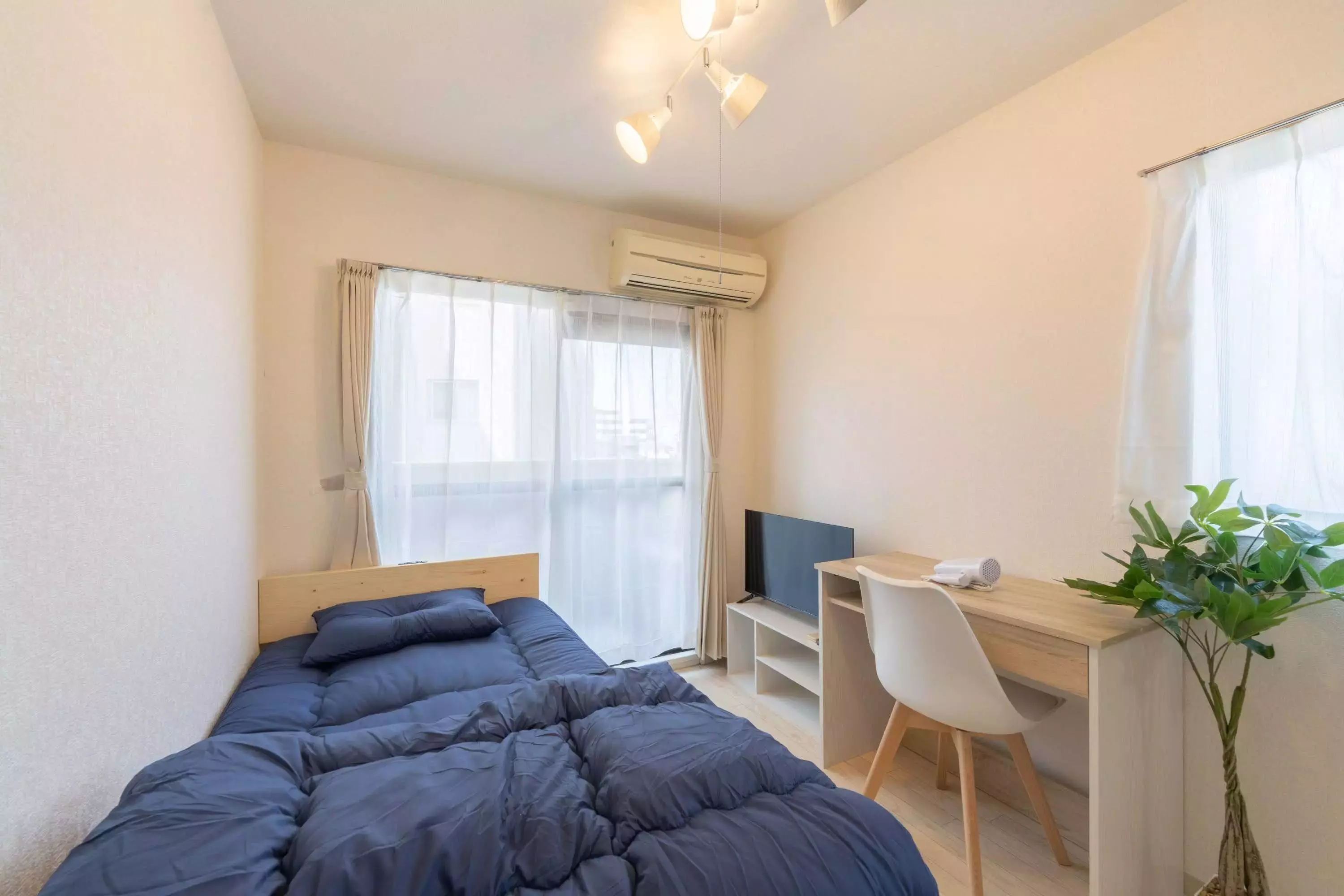
A furnished apartment comes with the basics already in the room: typically a TV, bed, refrigerator, storage, desk and chair, air conditioner, curtains, microwave and washing machine. Equipment varies by property, so check the property page for the exact list.
- Minimum stay: from 1 month, so you can test an area before committing.
- Online process: contract and viewing can be done online from abroad.
- Fast move-in: you can move in as early as 7 days after application.
- Support in your language: staff support in English, Chinese, Korean and more.
Residents of furnished apartments set up electricity, gas and water themselves. A free utility setup service through a partner is available, and so is an all-in utilities plan at ¥15,000 a month (tax incl.), contracted in XROSS HOUSE's name.
Browse current homes on our furnished apartment list, or read our wider guide to apartments for rent in Tokyo. If you would like to compare Tokyo with its neighbor, see our Yokohama apartment guide.
FAQ: Tokyo neighborhoods
What is the best neighborhood in Tokyo for foreigners to live in?
It depends on where you work or study. Shinjuku, Ikebukuro and Takadanobaba suit students and people who want many train lines, the Chuo Line towns such as Nakano and Kichijoji suit long stays, and the bay area around Toyosu suits people who like newer buildings and open space. Start from a station with a direct line to your daily destination.
Which Tokyo neighborhoods are cheaper to live in?
Rent usually drops as you move away from the Yamanote Line. Northern areas such as Itabashi and Akabane and eastern areas such as Kinshicho, Kameido and Kasai are often more affordable than Shibuya or central Minato, while still having direct trains to the center. See our Tokyo rent guide for figures by area.
Is it better to live inside the Yamanote Line?
Living on or inside the loop gives short trips to most hubs, but rent is higher and rooms are often smaller. Many residents live a few stations outside the loop on a line that runs straight into it, which keeps the commute simple at a lower cost.
What is the difference between a Tokyo ward and a neighborhood?
A ward (ku) is an administrative area with its own office, where you register your address after moving in. A neighborhood is usually named after its station, such as Koenji or Kuramae. One ward can contain several neighborhoods with different atmospheres, so it helps to search by station.
Which neighborhoods are good for students in Tokyo?
Takadanobaba, Ikebukuro and Shinjuku are close to many universities and Japanese language schools, with plenty of affordable restaurants. Nakano and areas along the Seibu and Tobu lines are also popular. Choose a station on a direct line to your school.
Can I rent a furnished apartment in Tokyo for one month to try an area?
Yes. XROSS HOUSE furnished apartments can be rented from 1 month, and the contract and viewing can be done online from abroad. Check the current rent and any campaign conditions on the property page or in your quote.
Do I need a guarantor to rent in Tokyo as a foreigner?
For XROSS HOUSE homes, no personal joint guarantor is needed. Individual contracts generally require joining a rent guarantee company, which charges an initial guarantee fee and a monthly guarantee fee separately. If you pay everything from the registration fee to the move-out costs in full at move-in, you do not need to join a guarantee company. More answers are on our FAQ page.
Next step: shortlist two or three stations
Tokyo neighborhoods range from the busy hubs of Shibuya and Shinjuku to quiet old streets in Yanaka and the open bay area of Toyosu. Pick your commute first, choose two or three stations on that line, then compare the total cost of living there.
Tell us your workplace or school, move-in date and length of stay, and we will suggest areas and send a written quote.