Reviewed by the XROSS HOUSE team — a Tokyo-based operator of share houses and furnished apartments across 11 prefectures in Japan, with more than 50,000 residents housed to date.
- Shibuya is a ward, not only a station: most people live in nearby neighborhoods such as Ebisu, Yoyogi and Hatagaya.
- The average rent for private rented housing in Shibuya ward is ¥131,917 a month, against ¥99,618 for Tokyo's 23 wards (2023 survey, all home sizes).
- Neighborhoods on the Keio New Line, such as Hatagaya and Sasazuka, tend to be more affordable and are a few minutes from Shinjuku.
- XROSS HOUSE furnished apartments start from 1 month, with a ¥30,000 registration fee (campaign; normally ¥50,000) and no deposit or agency fee.
Looking for an apartment in Shibuya? Ask us about a furnished apartment
Shibuya ward at a glance: where people actually live
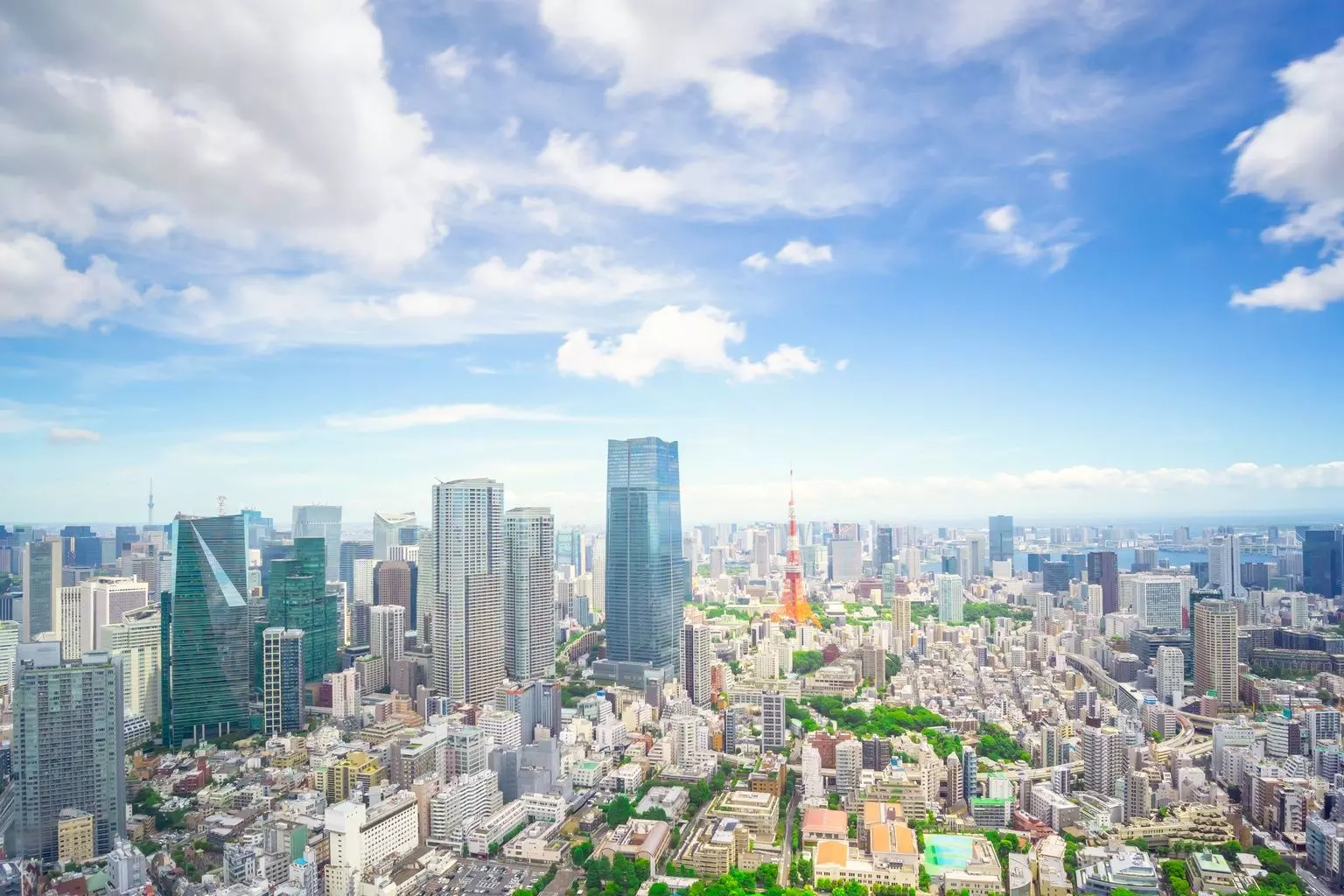
Shibuya-ku is one of Tokyo's 23 special wards. It stretches from the area around Shibuya Station west toward Yoyogi, northwest to Hatagaya and Sasazuka, and south to Ebisu and Hiroo.
The area right around Shibuya Station is mostly commercial: offices, department stores and entertainment buildings. Residents tend to live in the surrounding neighborhoods, a short walk or one or two train stops away. When you search for apartments in Shibuya, it helps to search by neighborhood and by train line, not only by "Shibuya".
For a wider view of livable districts in the ward, see our guide to livable areas and safety in Shibuya ward.
How much does an apartment in Shibuya cost?
The Statistics Bureau of Japan publishes average rents for every municipality in its Housing and Land Survey. The 2023 results for private rented housing show that Shibuya ward is above both the Tokyo 23-ward average and the Tokyo Metropolis average.
| Area | Average monthly rent (private rented housing) |
|---|---|
| Shibuya ward | ¥131,917 |
| Tokyo 23 wards | ¥99,618 |
| Tokyo Metropolis | ¥93,973 |
Source: Statistics Bureau of Japan, 2023 Housing and Land Survey (e-Stat) (as of October 2026)
These figures cover every size of private rented home, including family-sized flats, so a studio or one-room apartment tends to cost less than the ward average and a larger family home tends to cost more. Rents also move with distance from the station, building age and the neighborhood. Use the numbers as a ward-level guide, then check individual listings.
For comparison across the city, see our guides to the average rent in Tokyo and apartments for rent in Tokyo. If you are planning a full monthly budget, the cost of living in Japan guide covers the other expenses.
Search for a room
Only furnished properties with appliances are listed!
Neighborhoods in Shibuya ward compared
Each part of Shibuya ward has a different character. This table gives a quick overview of the neighborhoods foreign residents most often ask about.
| Neighborhood | What it is like | Main lines |
|---|---|---|
| Shibuya, Dogenzaka, Udagawacho | Busy commercial core with shops, offices and nightlife. Fewer residential units, and the area stays lively late, so many residents prefer a side street or a neighboring district | JR Yamanote, Ginza, Hanzomon, Fukutoshin, Tokyu lines, Keio Inokashira |
| Ebisu, Hiroo | International feel, many restaurants and cafes, calm residential streets just off the main roads | JR Yamanote, Hibiya |
| Daikanyama, Nakameguro border | Stylish boutiques and cafes, quieter streets, a short walk between neighborhoods | Tokyu Toyoko |
| Harajuku, Omotesando, Jingumae | Fashion, Meiji Jingu and Yoyogi Park nearby, good for people who like green space close to the city | JR Yamanote, Chiyoda, Ginza, Hanzomon, Fukutoshin |
| Yoyogi, Sangubashi, Yoyogi-Uehara | Green and residential with local shops, popular with people who want a calmer base | JR Yamanote, Odakyu, Chiyoda (varies by station) |
| Hatagaya, Hatsudai, Sasazuka | A few minutes to Shinjuku by Keio New Line, local shopping streets, generally more affordable within the ward | Keio, Keio New Line |
If you want to look closer, we have station-level guides for rooms near Harajuku Station, rooms near Daikanyama Station, the area around Sasazuka Station and living around Hatagaya Station.
A practical way to choose: start from where you work or study, pick two or three stations within a short commute, then compare how each neighborhood feels in the evening and on weekends.
What you pay to move in: typical rental vs XROSS HOUSE
Move-in costs are often the biggest surprise for newcomers. In a typical Japanese rental, deposit and key money are often said to be around one month's rent each, plus an agency fee. Add furniture and appliances, and the first month can be expensive before you even start living there.
XROSS HOUSE furnished apartments work differently. The only one-time fee XROSS HOUSE charges at move-in is the registration fee: ¥30,000 for furnished apartments during the current campaign (normally ¥50,000). There is no deposit and no agency fee.
| Item | Typical Japanese rental | XROSS HOUSE furnished apartment |
|---|---|---|
| Deposit, key money, agency fee (one-time) | Deposit and key money around 1 month's rent each + agency fee | Registration fee only: ¥30,000 (campaign; normally ¥50,000) |
| Furniture and appliances | Usually you buy your own | Included |
| Common-area / management fee | Often charged on top of rent | None |
| Monthly extra | Varies by building | Anshin support fee: ¥1,500 (tax incl.) |
| Rent | Varies by listing | Varies by property; the current rent is shown on each property page and in your quote |
For individual contracts, rent guarantee company fees are charged separately. The first month's (prorated) rent is paid before move-in.
Guarantor and guarantee company
- No personal joint guarantor is needed.
- Individual contracts generally require joining a rent guarantee company. An initial guarantee fee and a monthly guarantee fee are charged separately. The amount is confirmed at application screening.
- If you pay everything from the registration fee to the move-out costs in full at move-in, you do not need to join a guarantee company, so no guarantee fees apply.
Moving out
You can move out with one month's notice. Some campaigns have a minimum stay condition, so check it in your quote. Furnished apartments have a fixed move-out fee of ¥55,000 (tax incl.), charged at every move-out. Because the amount is set in advance, you can include it in your budget from day one. If you want to change homes within XROSS HOUSE, the transfer fee is free (guarantee company re-screening may apply).
Ask for a written estimate so you can see the total for your stay before you sign.
Search for a room
Only furnished properties with appliances are listed!
Furnished apartment vs unfurnished: what is different
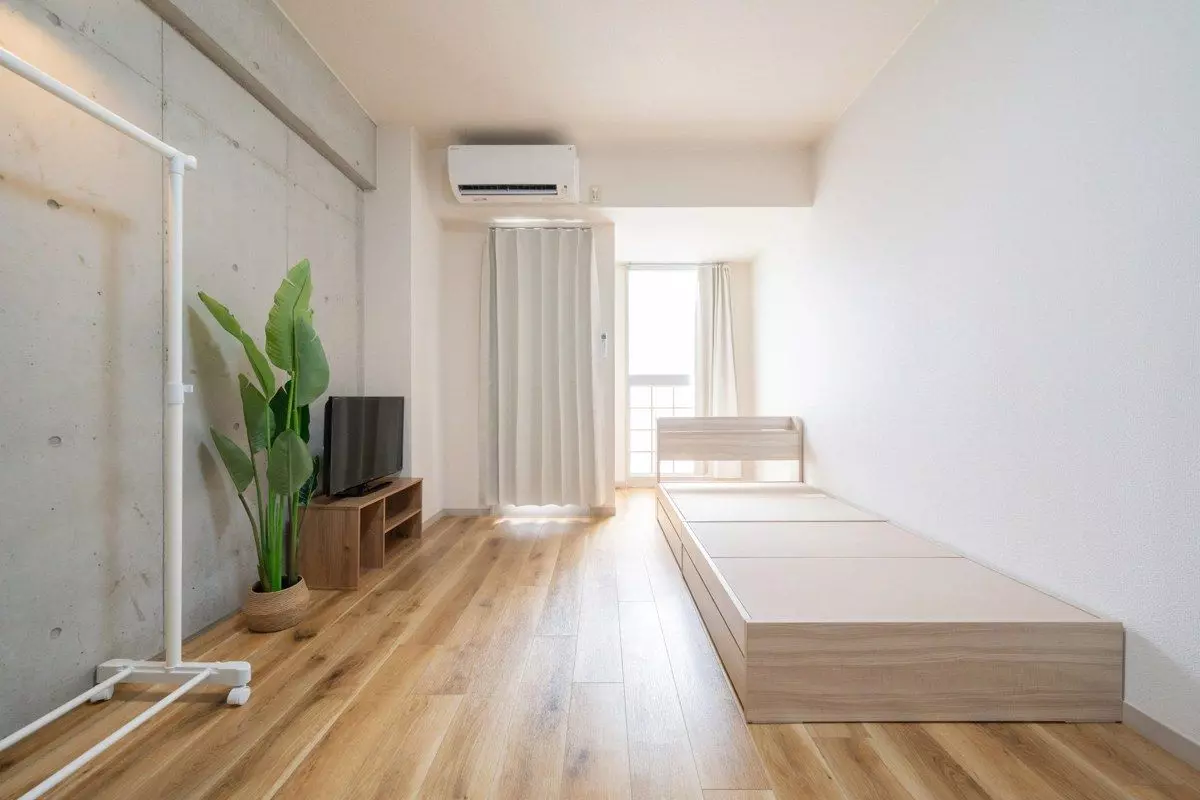
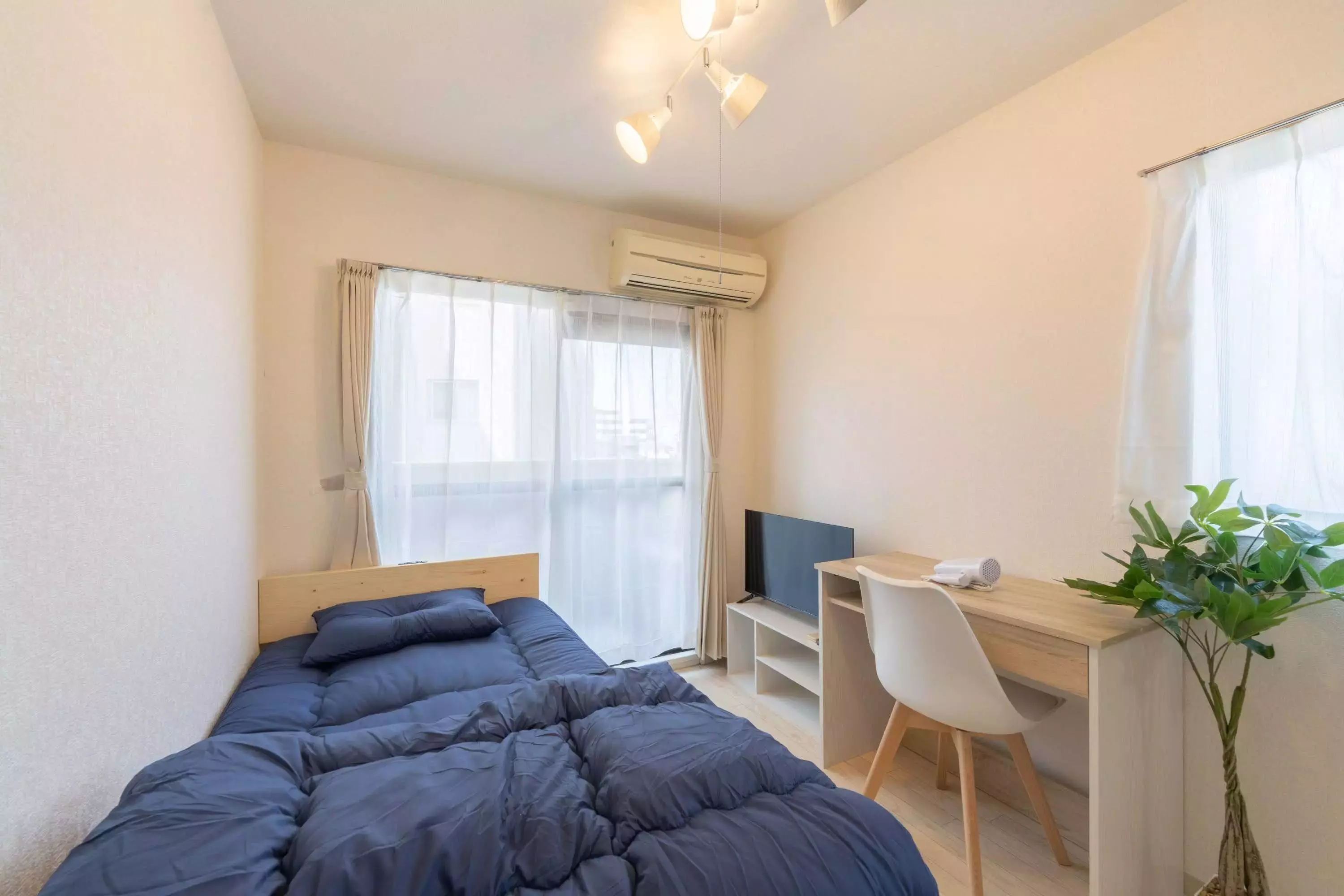
A furnished apartment comes with the basics already in the room: typically a TV, bed, refrigerator, storage, desk and chair, air conditioner, curtains, microwave and washing machine. Equipment varies by property, so check the property page for the exact list.
That matters in a city like Tokyo, where buying and later disposing of furniture is costly and slow. With a furnished apartment you can arrive with a suitcase and start living the same day.
- Minimum stay: from 1 month, so it works for a trial period in Tokyo or a long stay.
- Online process: contract and viewing can be done online from abroad.
- Fast move-in: you can move in as early as 7 days after application.
- Support in your language: staff support in English, Chinese, Korean and more.
Utilities
Residents of furnished apartments set up electricity, gas and water themselves. A free utility setup service through a partner is available, and so is an all-in utilities plan at ¥15,000 a month (tax incl.), contracted in XROSS HOUSE's name. Ask the team which option fits your stay.
You can browse current furnished apartments on our furnished apartment list.
How to rent an apartment in Shibuya as a foreigner
- Choose your area. Pick two or three stations based on your commute and the table above.
- Set your budget. Use the ward average of ¥131,917 as a reference for all sizes. A smaller unit away from the station area often costs less.
- Prepare documents. Usually a passport, a photo and an emergency contact in your home country. XROSS HOUSE accepts any residence status or visa, including students, working holiday makers and tourists.
- Apply and screening. Screening is done as part of the application. The team confirms the guarantee company details and the final amount.
- Pay and sign. The registration fee, the first month's (prorated) rent and, for individual contracts, the guarantee fees are paid before move-in, and you sign online.
- Move in. You can move in as early as 7 days after application.
If you are still deciding between cities, compare Shibuya with the rest of Tokyo using our guide to apartments for rent in Tokyo.
Search for a room
Only furnished properties with appliances are listed!
FAQ: Shibuya apartments
Is it possible to live in Shibuya on a budget?
Yes, if you look beyond the station area. Neighborhoods such as Hatagaya, Hatsudai and Sasazuka on the Keio New Line tend to be more affordable within the ward and are a few minutes from Shinjuku. A furnished apartment also removes the cost of buying furniture and appliances, which helps when you are watching your budget.
Which part of Shibuya ward is good for quiet living?
Yoyogi-Uehara, Sangubashi, Hatagaya and the residential streets of Daikanyama are known for calmer surroundings, with local shops and parks nearby. Areas close to Shibuya Station stay lively late into the evening, so many residents prefer a side street or a neighboring district. Visit at different times of day if you can.
How long is the commute from Hatagaya or Sasazuka to Shinjuku?
It takes a few minutes by Keio New Line. That short ride is a big reason these neighborhoods appeal to people who work in Shinjuku but want a more local shopping street near home.
Can I rent a furnished apartment in Shibuya for one month?
Yes. XROSS HOUSE furnished apartments can be rented from 1 month, and you can sign the contract and take a viewing online from abroad. Check the current rent and any campaign conditions on the property page or in your quote.
Are there apartments near Shibuya Station itself?
Yes, but the immediate station area is mostly offices, shops and entertainment buildings, so residential apartments are fewer and often priced higher. Many people choose Ebisu, Daikanyama or Yoyogi instead and reach Shibuya Station in a few minutes by train or on foot.
Is Shibuya or Shinjuku better to live in?
It depends on your routine. Shibuya ward gives you a choice of calmer residential districts such as Yoyogi-Uehara and Daikanyama, while Shinjuku ward is closer to the large western business district. If you work in Shinjuku, living on the Keio New Line in Shibuya ward can give you both. Compare your commute first, then the neighborhood.
Do I need a guarantor to rent a furnished apartment in Shibuya?
No personal joint guarantor is needed. Individual contracts generally require joining a rent guarantee company, which charges an initial guarantee fee and a monthly guarantee fee separately. If you pay everything from the registration fee to the move-out costs in full at move-in, you do not need to join a guarantee company. More answers are on our FAQ page.
Next step: get a quote for a furnished apartment
Shibuya ward offers very different ways to live, from lively areas near the station to calm residential streets on the Keio New Line. Pick the neighborhood first, then compare the total cost.
Tell us your preferred area, move-in date and length of stay, and we will send a written quote.