Reviewed by the XROSS HOUSE team — a housing operator running furnished rentals and share houses across 11 prefectures in Japan, with more than 50,000 residents housed to date (as of July 2026).
What Is the Average Rent in Tokyo?
The average apartment rent in Tokyo in 2026 is roughly ¥75,000–¥95,000 (~$500–$630) a month for a studio and ¥120,000–¥160,000 (~$800–$1,070) for a one-bedroom, taken across the 23 wards. Apartment costs in Tokyo move with the ward, the layout, and the age of the building, so treat these as market averages rather than fixed prices — the same layout can differ by half between a commuter ward like Adachi and a central one like Minato. The ranges here are compiled from advertised rents across the 23 wards and are meant for budgeting, not as an appraisal of any single property; for official housing statistics, the Statistics Bureau of Japan publishes its Housing and Land Survey.
Below we break rent down by apartment type, convert prices into USD, and compare Tokyo with major U.S. cities so the numbers are easy to place in context. If you want to look at real, move-in-ready furnished rooms and their prices while you read, you can check current availability and prices at any point.
Average Monthly Rent in Tokyo (Studio, 1BR, Family)
In Tokyo — and across Japan — apartments are categorized by layout (like 1K or 1LDK) rather than by number of bedrooms. Here is a general market average across the 23 wards. Treat these as estimates that vary by area:
| Layout | Size | Monthly rent (¥) | Approx. USD |
|---|---|---|---|
| Studio / One Room | 20–25㎡ (215–270 sq ft) | ¥75,000 – ¥95,000 | ~$500 – $630 |
| 1 Bedroom (1LDK) | 30–40㎡ (322–430 sq ft) | ¥120,000 – ¥160,000 | ~$800 – $1,070 |
| Family (2LDK–3LDK) | 50–70㎡ (538–753 sq ft) | ¥180,000 – ¥280,000 | ~$1,200 – $1,870 |
Rent tends to be higher in central districts such as Minato or Shibuya, while residential wards farther from the center offer noticeably lower prices for similar unit sizes. USD figures throughout this article use an approximate rate of ¥150 = $1 and are meant as a rough guide, not a locked exchange rate.
Average Rent in Tokyo in USD
For international residents and U.S.-based readers, converting rent into dollars makes Tokyo's affordability clearer. Using the same approximate ¥150 = $1 rate, average monthly rents look like this:
| Apartment type | Approx. monthly rent (USD) |
|---|---|
| Studio | ~$500 – $630 |
| 1 bedroom | ~$800 – $1,070 |
| Family apartment | ~$1,200 – $1,870 |
Even in central Tokyo, it is often possible to rent a private apartment for under $1,000 a month — something that has become rare in many U.S. metropolitan areas.
How Tokyo Rent Compares to Major U.S. Cities
Compared internationally, Tokyo stands out for relatively affordable housing given its size, quality of life, and economic weight.
| City | Average 1-bedroom rent (USD) |
|---|---|
| New York | ~$3,500 – $4,500 |
| San Francisco | ~$3,000 – $4,000 |
| Los Angeles | ~$2,300 – $3,200 |
| Tokyo | ~$800 – $1,070 |
Tokyo's strict zoning rules, extensive public transportation, and steady supply of new housing help keep rent inflation in check. As a result, it consistently ranks among the more affordable global megacities relative to income and quality of life. For a fuller side-by-side, our guide to the cost of living in Japan compared with the US extends this beyond rent to groceries, utilities, and transport.
Average Rent in Tokyo by Area (Ward and City Comparison)
Rent varies a lot by ward and neighboring city — even a few train stops can change the monthly figure by several hundred dollars. Below is an area breakdown, from central business districts to more affordable residential neighborhoods. All figures are 2026 estimates that vary by property.
Central Tokyo (Minato, Shibuya, Chiyoda)
Central Tokyo is the most expensive place to live and is popular with executives, expats, and high-income professionals.
| Ward | Studio (¥ / USD) | 1 bedroom (¥ / USD) |
|---|---|---|
| Minato | ¥110,000–¥140,000 (~$730–$930) | ¥180,000–¥250,000 (~$1,200–$1,670) |
| Shibuya | ¥100,000–¥130,000 (~$670–$870) | ¥160,000–¥230,000 (~$1,070–$1,530) |
| Chiyoda | ¥105,000–¥135,000 (~$700–$900) | ¥170,000–¥240,000 (~$1,130–$1,600) |
These areas offer excellent access to business hubs, international offices, and premium amenities — at a premium rent level.
Popular Residential Areas (Shinjuku, Meguro, Setagaya)
These wards balance convenience, livability, and rent, making them some of the most popular residential areas in Tokyo.
| Ward | Studio (¥ / USD) | 1 bedroom (¥ / USD) |
|---|---|---|
| Shinjuku | ¥90,000–¥115,000 (~$600–$770) | ¥140,000–¥190,000 (~$930–$1,270) |
| Meguro | ¥95,000–¥120,000 (~$630–$800) | ¥150,000–¥200,000 (~$1,000–$1,330) |
| Setagaya | ¥80,000–¥105,000 (~$530–$700) | ¥125,000–¥170,000 (~$830–$1,130) |
Shinjuku, Meguro, and Setagaya are well connected by train and known for parks, shopping streets, and a more relaxed residential feel.
Affordable Areas in Tokyo (Itabashi, Adachi, Katsushika)
If affordability is the priority, the outer wards offer noticeably lower rent while staying within commuting distance of central Tokyo.
| Ward | Studio (¥ / USD) | 1 bedroom (¥ / USD) |
|---|---|---|
| Itabashi | ¥65,000–¥85,000 (~$430–$570) | ¥100,000–¥140,000 (~$670–$930) |
| Adachi | ¥60,000–¥80,000 (~$400–$530) | ¥95,000–¥135,000 (~$630–$900) |
| Katsushika | ¥60,000–¥78,000 (~$400–$520) | ¥90,000–¥130,000 (~$600–$870) |
These wards are popular with students, young professionals, and long-term residents who want lower rent without leaving Tokyo. If keeping rent down is your main goal, our guide to apartments with cheap rent in Tokyo goes deeper into where to look and how to save.
Tokyo vs Neighboring Areas (Yokohama, Kawasaki, Chiba)
Many residents live just outside Tokyo to cut rent while keeping easy access to the city.
| City / Prefecture | Studio (¥ / USD) | 1 bedroom (¥ / USD) |
|---|---|---|
| Yokohama City | ¥65,000–¥90,000 (~$430–$600) | ¥105,000–¥150,000 (~$700–$1,000) |
| Kawasaki City | ¥60,000–¥85,000 (~$400–$570) | ¥95,000–¥140,000 (~$630–$930) |
| Chiba Prefecture | ¥55,000–¥75,000 (~$370–$500) | ¥85,000–¥120,000 (~$570–$800) |
Living just outside the city limits can reduce rent by 20–40% compared with central Tokyo, while commute times often stay under 45 minutes by train.
Search for a room
Only furnished properties with appliances are listed!
Average Rent in Tokyo by Housing Type
Housing type and layout have a strong effect on rent. Japanese apartments and houses are categorized by layout (such as 1K or 1LDK), which differs from typical U.S. standards. Here is a breakdown by housing type, from compact studios to family-sized apartments.
Studio Apartments (One Room)
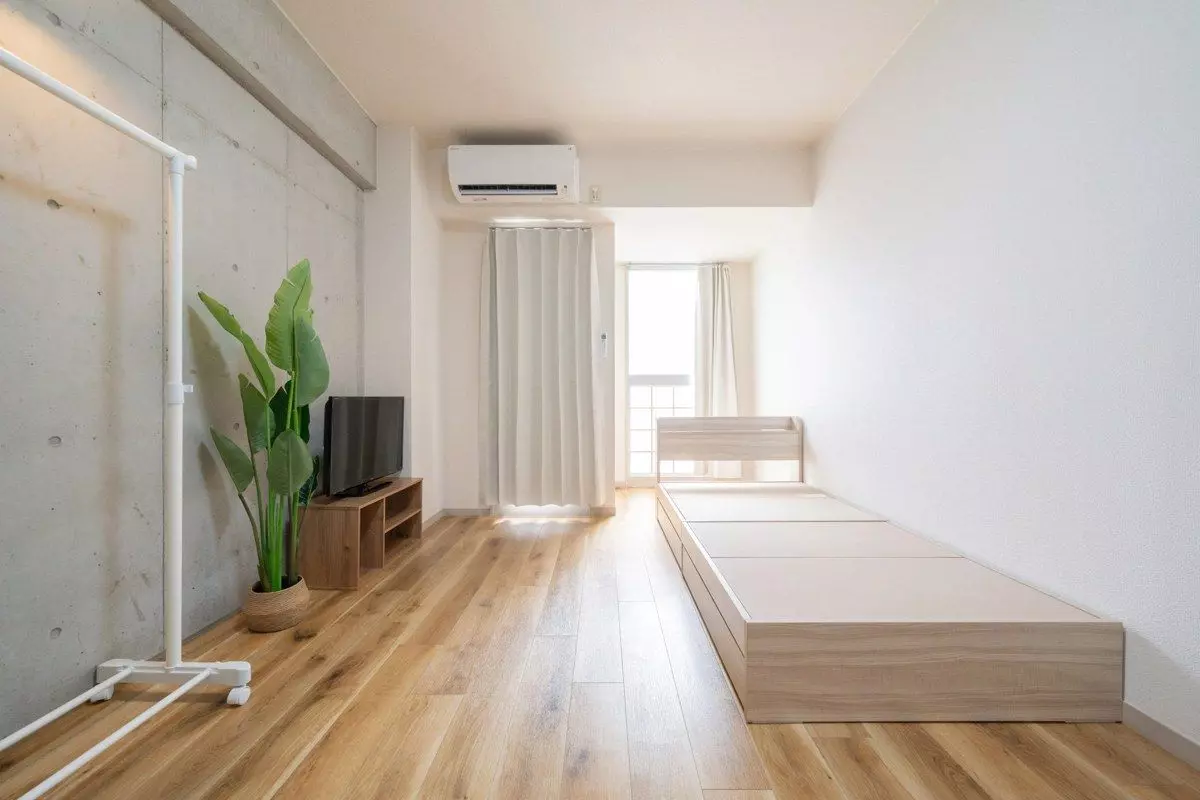
Studio apartments — called One Room in Japan — are the most common and affordable option for single residents.
- Size: 18–25㎡ (190–270 sq ft)
- Average rent: ¥65,000–¥100,000 a month (~$430–$670)
These units usually have a small kitchen area built into the room and a private bathroom. They are popular with students, young professionals, and foreign residents who want to keep rent low while living close to a station.
1 Bedroom Apartments (1LDK)
A 1LDK includes one separate bedroom plus a combined living, kitchen, and dining room. It suits couples and remote workers who want a distinct space away from the bedroom.
- Size: 30–45㎡ (320–480 sq ft)
- Average rent: ¥120,000–¥180,000 a month (~$800–$1,200)
1LDK units offer more comfort and privacy than studios and are widely available across both central and residential Tokyo.
Family Apartments (2LDK, 3LDK+)
Family apartments are designed for long-term living and typically house couples with children or shared living arrangements.
- Size: 2LDK 50–65㎡ (538–700 sq ft) / 3LDK 65–80㎡ (700–861 sq ft)
- Average rent: ¥180,000–¥300,000 a month (~$1,200–$2,000)
Rent varies with location, building age, and proximity to major stations. Newer buildings in central wards can exceed this range, while outlying neighborhoods offer larger units for less.
Furnished Share Houses and Apartments vs Standard Rentals
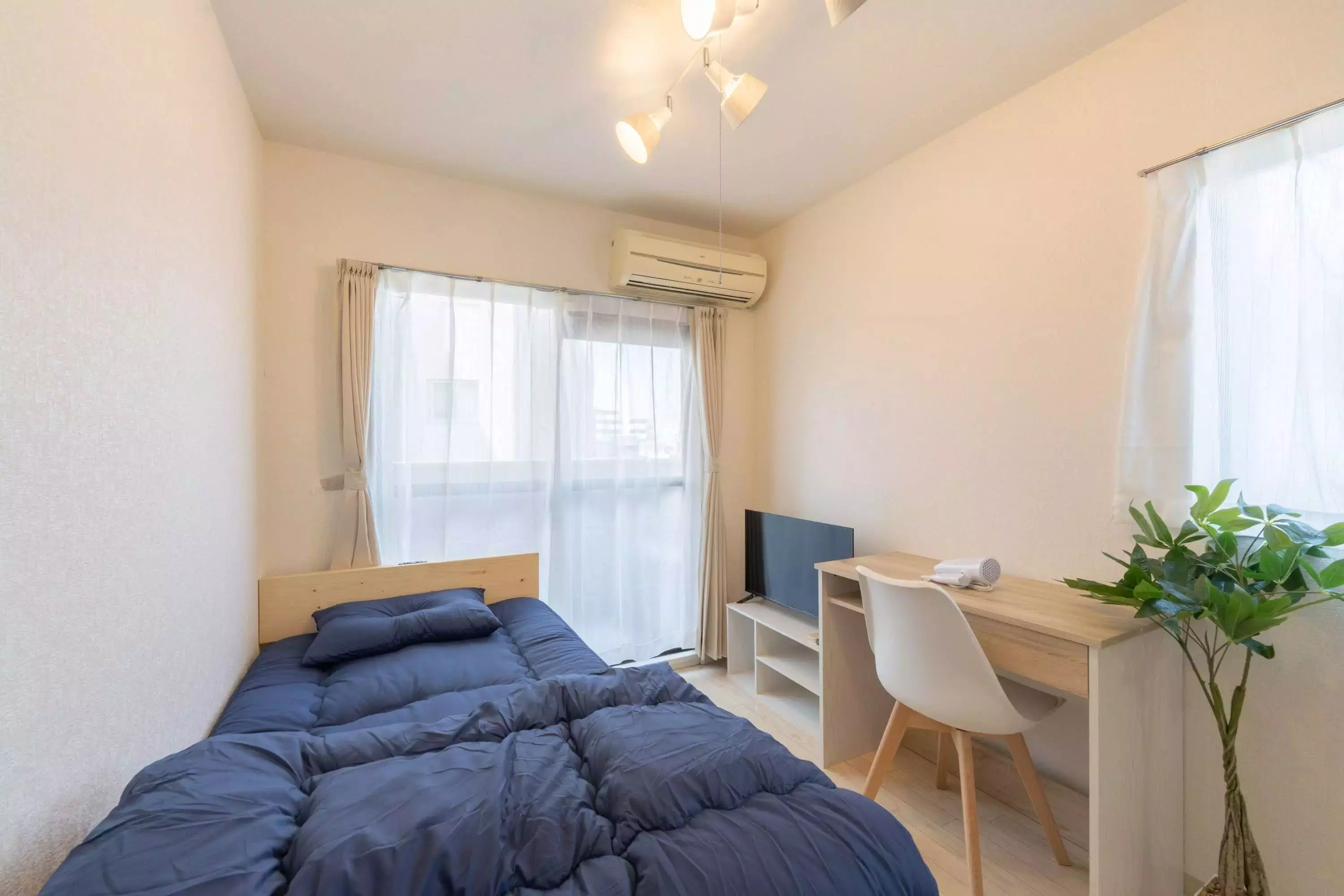
Standard Tokyo rentals usually come completely unfurnished and bill utilities separately, which raises both your move-in costs and the effort of setting up. Furnished options work differently. XROSS HOUSE, for example, operates two furnished formats where the monthly cost is transparent and easy to total up front:
| Format | What's included | Monthly cost (example) |
|---|---|---|
| Furnished share house | Furnished private room; shared kitchen/bath; utilities & Wi-Fi included in the common-area fee | Rent from ¥40,000 (~$270) + common-area fee ¥15,000 (~$100, covers utilities & Wi-Fi) + support fee ¥1,500 (~$10) per month |
| Furnished apartment | Private furnished unit with its own kitchen and bath; no Wi-Fi; utilities self-contracted (an optional utilities-included plan is available) | Rent from ¥50,000 (~$330) + support fee ¥1,500 (~$10) per month; utilities billed separately |
A couple of things worth being clear about, so the total is honest. In a furnished share house, the ¥15,000 (~$100) common-area fee already covers electricity, gas, water, and Wi-Fi, so ¥40,000 rent plus that fee plus the ¥1,500 support fee is close to your real all-in monthly figure. A furnished apartment does not include Wi-Fi, and you contract utilities yourself (or add the optional utilities-included plan), so budget for those on top of rent and the support fee. On move-in, the initial cost for a furnished apartment is currently ¥30,000 under a campaign that discounts it from the usual ¥50,000; share houses are a flat ¥30,000. Either way, there is no deposit or agency fee. The campaign figure is the one running at the time of writing, so confirm the current amount when you apply. At the end of a contract there is a move-out administration fee — ¥55,000 for a furnished apartment and ¥16,500 for a share house, both tax included — so it is worth budgeting for that from the start.
One more line item to plan for. XROSS HOUSE does not ask for a personal guarantor, which is where a lot of people from overseas get stuck with a standard Japanese lease. Individual contracts use a guarantee company instead, and its initial and monthly guarantee fees sit outside the initial cost above — the amount is confirmed when your application is assessed. If you pay the whole stay upfront, from the initial cost through the move-out fee, the guarantee company is not needed at all.
Standard private apartments give you full independence but higher upfront setup costs and unfurnished rooms. Furnished share houses cut both the initial outlay and the monthly extras, which makes them attractive for short stays or a first landing in Tokyo. To see how the monthly math plays out on a real budget, our breakdown of living alone in Tokyo on a ¥300,000 monthly salary is a useful companion read.
What Affects Rent Prices in Tokyo?
Several factors shape Tokyo rent that may be unfamiliar to renters from the United States. Understanding them explains why apartments of similar size can carry very different monthly rents.
Location and Train Access
Location is the single biggest factor. Apartments within a 5–7 minute walk of a major station typically cost 10–30% more than similar units farther out. Properties on major lines with direct access to Shinjuku, Shibuya, or Tokyo Station command higher rents. Because daily life here relies on trains, proximity to a station often matters more than neighborhood prestige.
Apartment Size, Age, and Building Type
- Size: larger units cost more overall, but price per square meter usually drops as size rises.
- Building age: newer buildings (under 10 years) can be 15–40% pricier than older ones.
- Building type: reinforced-concrete buildings rent higher for their sound insulation and earthquake resistance, while wooden structures are cheaper but may have thinner walls and less insulation.
Unlike in the U.S., even older apartments in Tokyo are often well maintained and stay in active use.
Furnished vs Unfurnished Apartments
Most long-term rentals in Tokyo are unfurnished, so tenants supply their own furniture, appliances (including refrigerator and washing machine), and lighting.
- Unfurnished: lower monthly rent but higher upfront setup costs.
- Furnished: typically ¥10,000–¥30,000 (~$70–$200) more per month, but move-in ready and popular with expats and short-term residents.
Furnished units are often near central areas, and some include utilities in the rent — always confirm exactly what is bundled before signing.
Short-Term vs Long-Term Contracts
- Long-term (2 years): lower monthly rent but upfront fees such as deposits and agency fees.
- Short-term (1–12 months): monthly rent is usually 20–50% higher, but upfront costs are reduced or removed.
Short-term rentals suit digital nomads, students, and corporate relocations; long-term contracts offer better value for multi-year stays. XROSS HOUSE contracts start from one month, which sits between these two extremes.
Search for a room
Only furnished properties with appliances are listed!
Is Tokyo Expensive to Live In?
At first glance Tokyo can look pricey. But measured against local salaries and daily costs — and especially against major U.S. cities — it is often more affordable than expected.
Rent vs Salary in Tokyo
The average annual salary in Tokyo ranges from about ¥5.5 million to ¥6.5 million (~$37,000–$43,000).
- Average monthly net income: ¥300,000–¥380,000 (~$2,000–$2,530)
- Typical rent for a studio or 1LDK: ¥80,000–¥150,000 (~$530–$1,000)
That puts rent at roughly 25–40% of monthly income — in line with, or better than, affordability benchmarks used in other global cities. Central areas push the ratio higher, but many residents trim costs by living slightly farther out while keeping convenient train access.
Total Monthly Living Costs (Rent + Utilities + Food)
A realistic monthly estimate for a single person in Tokyo:
| Category | Monthly cost (¥) | Approx. USD |
|---|---|---|
| Rent | ¥80,000–¥130,000 | ~$530–$870 |
| Utilities (electricity, gas, water) | ¥10,000–¥15,000 | ~$65–$100 |
| Internet & mobile | ¥6,000–¥10,000 | ~$40–$65 |
| Food (groceries + eating out) | ¥40,000–¥60,000 | ~$270–$400 |
| Estimated total | ¥140,000–¥215,000 | ~$930–$1,430 |
Public transport is relatively cheap, and many employers cover commuting costs, which lowers out-of-pocket spending further.
Is Tokyo Cheaper Than New York or San Francisco?
| City | 1-bedroom rent (USD) | Total monthly cost, single (USD) |
|---|---|---|
| New York | ~$3,500–$4,500 | ~$5,000+ |
| San Francisco | ~$3,000–$4,000 | ~$4,500+ |
| Tokyo | ~$800–$1,100 | ~$1,200–$1,600 |
Despite being one of the world's largest cities, Tokyo offers a rare mix of reasonable rent, efficient infrastructure, and high quality of life — one of the most cost-effective global megacities to live in.
How to Find Affordable Rent in Tokyo
Finding affordable rent in Tokyo is often easier than newcomers expect. With the right area and housing strategy, you can lower your monthly rent without giving up convenience.
Best Areas for Budget-Friendly Living
Rent tends to fall as you move away from central business districts, even when commute times stay reasonable. Some of the most budget-friendly options:
- Outer wards such as Adachi, Katsushika, and Itabashi — rents 20–40% lower than central Tokyo while staying inside the city.
- Neighborhoods along local (non-express) train lines, which often price lower.
- Residential districts with direct rail access — living 25–40 minutes from Shinjuku or Shibuya can cut rent sharply without much added commute stress.
Tips to Lower Your Rent in Tokyo
- Choose a longer walk to the station: units over 10 minutes away are often 10–20% cheaper.
- Consider older buildings: many properties 15–20+ years old are well maintained yet much cheaper.
- Avoid peak moving season: outside March and April you get better availability and room to negotiate.
- Widen your area search: flexibility on neighborhood often unlocks better rent.
Tokyo's wide supply of rental housing helps keep prices competitive year-round. For houses and larger rentals specifically, see our guide to houses for rent in Japan. And when you are ready to compare real furnished rooms and prices, you can search available rooms directly.
Search for a room
Only furnished properties with appliances are listed!
Frequently Asked Questions About Rent in Tokyo
What is the average rent in Tokyo?
As a general 2026 estimate, a studio in Tokyo's 23 wards rents for about ¥75,000–¥95,000 a month (~$500–$630) and a one-bedroom (1LDK) for about ¥120,000–¥160,000 (~$800–$1,070). Central wards like Minato and Shibuya run higher; outer wards run lower. These are market averages that vary by area and building.
How much does it cost to live in Tokyo per month?
A single person can expect roughly ¥140,000–¥215,000 (~$930–$1,430) a month all in, covering rent, utilities, internet and mobile, and food. Living farther from the center or choosing a furnished share house lowers the total.
What is the cheapest rent in Tokyo?
The cheapest rent is usually in outer wards and nearby suburbs: private studios from ¥55,000–¥70,000 (~$370–$470) and furnished share houses from about ¥40,000–¥60,000 (~$270–$400). These are typically 30–45 minutes from central Tokyo by train but still in safe, well-connected neighborhoods.
How much rent do expats usually pay in Tokyo?
Most expats pay more than the local minimum but far less than in major U.S. cities: about ¥80,000–¥110,000 (~$530–$730) for a studio or 1K, ¥120,000–¥160,000 (~$800–$1,070) for a 1LDK, and ¥150,000+ (~$1,000+) for furnished or central units. Many choose furnished rooms or share houses to reduce setup costs.
Is Tokyo cheaper than New York or San Francisco?
Yes. A Tokyo one-bedroom averages ~$800–$1,100 a month versus ~$3,500–$4,500 in New York and ~$3,000–$4,000 in San Francisco. Total monthly living costs for a single person are roughly ~$1,200–$1,600 in Tokyo, compared with $4,500+ in those U.S. cities.
What is included when a Tokyo apartment is "furnished"?
It varies by provider. With XROSS HOUSE, a furnished share house includes the furniture, a private room, shared kitchen and bath, and utilities plus Wi-Fi within the common-area fee. A furnished apartment includes furniture and its own kitchen and bath, but no Wi-Fi, and you contract utilities yourself (or add an optional utilities-included plan). Always confirm exactly what is bundled before signing.
Is rent in Tokyo going up or down in 2026?
In 2026 Tokyo rent is generally stable. Central wards see slight increases from demand and new developments, while outer wards and suburbs stay flat or ease slightly thanks to ample supply. A weaker yen also makes Tokyo rent look even lower for those earning in dollars, though it does not change the yen price locals pay. No extreme spikes are expected in the near term.
How can I lower my rent in Tokyo?
Live a little farther from the station, consider well-maintained older buildings, avoid the March–April peak, and stay flexible on neighborhood. Furnished share houses also cut both upfront and monthly costs because utilities and Wi-Fi are bundled in. You can compare real rooms and prices when you check availability.
Summary: Understanding the Average Rent in Tokyo
The average rent in Tokyo is more affordable than many people expect, particularly next to major U.S. cities. Rent varies by location, housing type, and contract length, but most single residents find comfortable housing in the ¥70,000–¥150,000 (~$470–$1,000) range per month. Families pay more, yet still far less than equivalent housing in New York or San Francisco.
Tokyo's extensive transit, steady housing supply, and well-regulated rental market keep rent relatively stable. By choosing the right area, understanding housing types, and considering furnished share houses, it is possible to live in Tokyo affordably without sacrificing quality of life. If you would like help matching a budget to a real room, our team is happy to talk it through.