Where Do Working Holiday Makers Live in Japan?
A Working Holiday visa in Japan typically lasts up to a year, and plans often shift — you might work in Tokyo for a few months, then travel, then settle somewhere new. That makes long, rigid apartment leases a poor fit. For most Working Holiday makers, the practical starting point is a furnished share house.
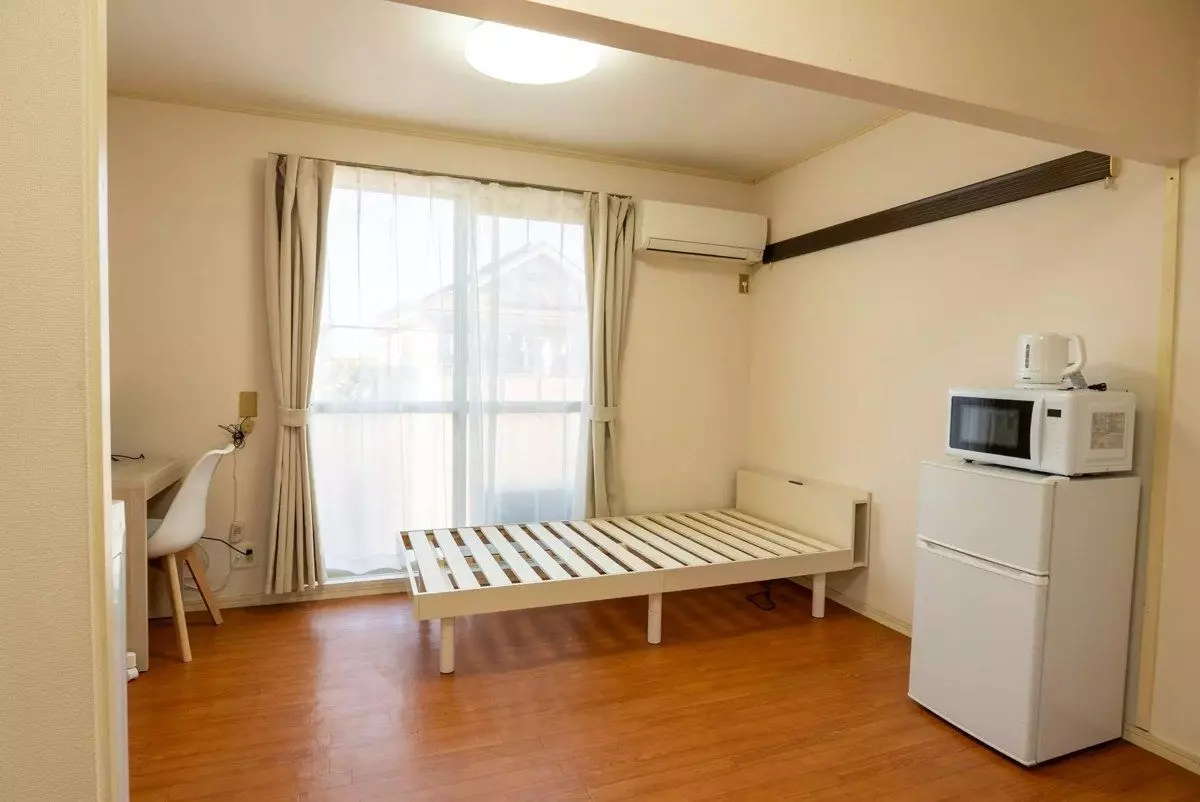
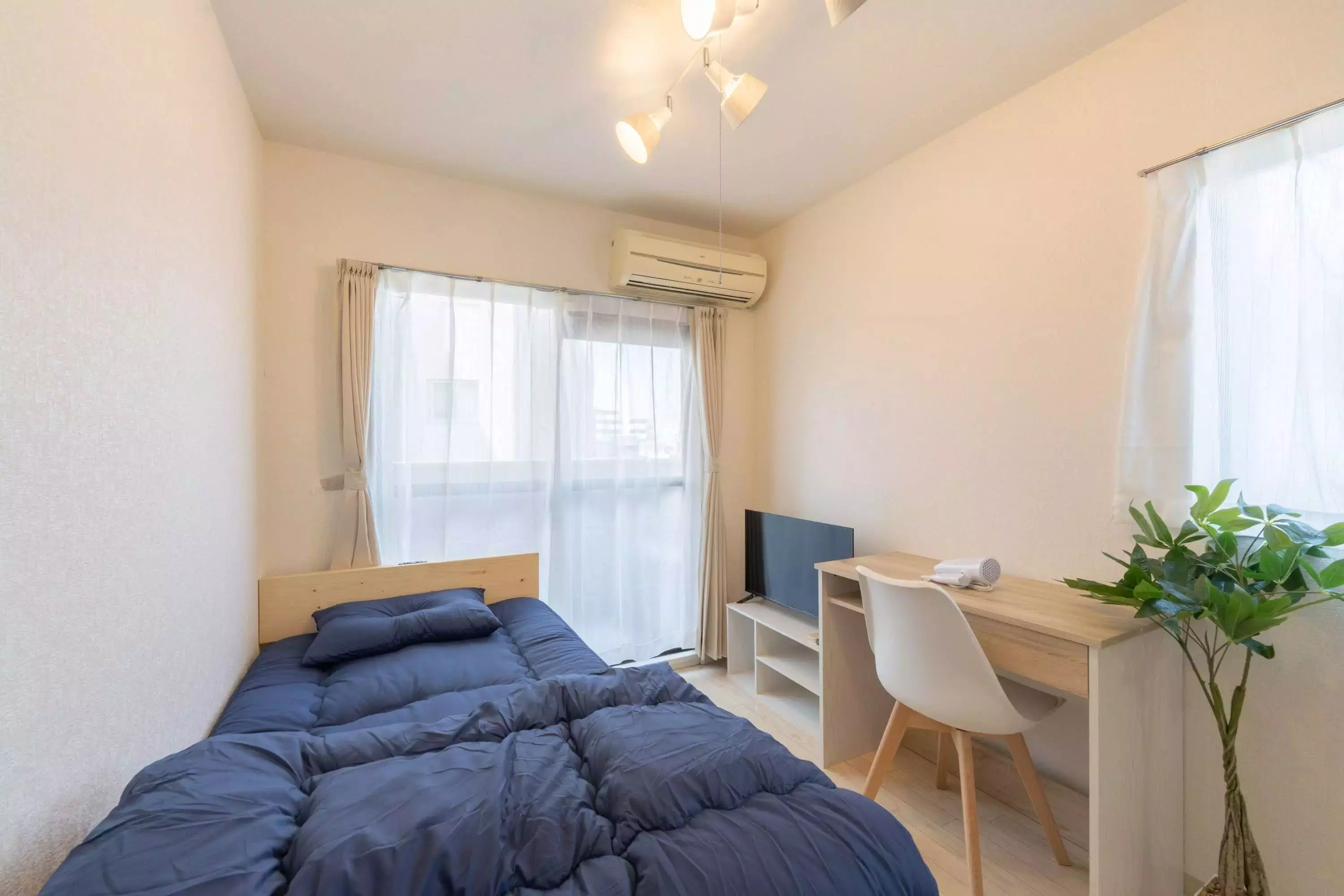
The reason is simple. Renting a standard Japanese apartment usually means a large upfront payment (deposit, key money, agency and guarantor fees), a Japanese guarantor, and paperwork that assumes you already have a job history in Japan. A Working Holiday maker who just arrived rarely has any of that. Furnished share houses were built around exactly this situation: low move-in cost, simplified screening, English support, and a room you can walk into on day one with a single suitcase.
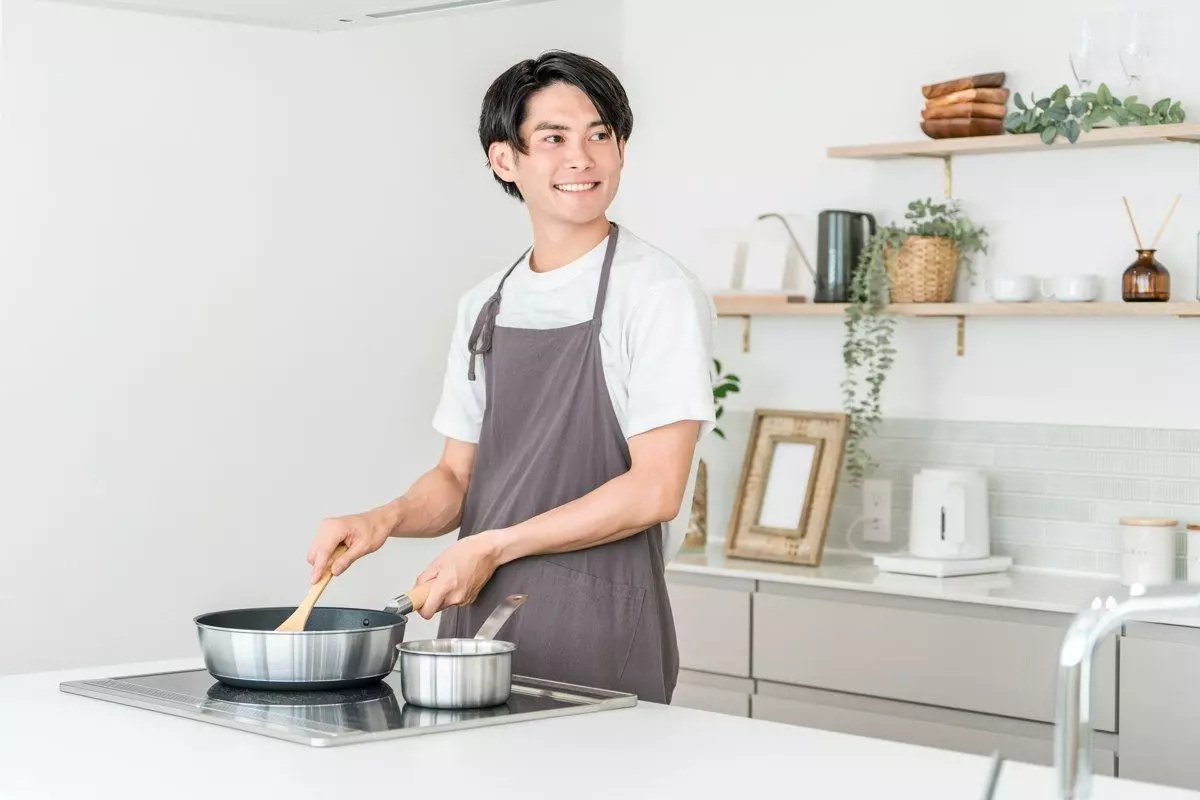
Share houses also solve the two problems that hit newcomers hardest in the first week — setting up utilities and internet in a language you may not speak yet, and meeting people. Both are handled for you: utilities and Wi-Fi are already running, and shared kitchens and lounges make it easy to meet other residents from Japan and abroad.
Hostels and monthly apartments have their place too, and we compare all three next. But as a base for a Working Holiday year, a furnished share house is usually the smoothest and most affordable choice.
Housing Options Compared: Share House vs Monthly Apartment vs Hostel
Three types of housing suit a Working Holiday stay. Here is how they line up on the things that actually matter when you are new to Japan — cost, contract length, whether you need a guarantor, and whether you can book from overseas.
| Feature | Furnished share house | Monthly apartment | Hostel / guesthouse |
|---|---|---|---|
| Typical monthly cost (central Tokyo) | ~¥45,000–100,000 | ~¥120,000–200,000 | ~¥60,000–120,000 |
| Minimum stay | From 1 month | Often 1 month, higher daily rate | Nightly (expensive long-term) |
| Guarantor needed | Usually no (operator simplifies screening) | Sometimes | No |
| Furnished | Yes | Yes | Yes (dorm-style) |
| Utilities & Wi-Fi included | Yes (in the common-area fee) | Sometimes bundled | Yes |
| Private space | Private or shared room | Full private unit | Usually shared |
| Book from abroad | Yes | Often | Yes |
| Best for | Your base for the stay | Privacy, higher budget | First few nights, short trips |
A common approach: book a hostel for your first two or three nights while you finish arrival tasks (residence card, phone, bank), then move into a share house you reserved before flying in. If you want a fully private unit and have the budget, a furnished monthly apartment works too — see our guide to renting an apartment in Tokyo as a foreigner for how that compares.
Search for a room
Only furnished properties with appliances are listed!
What It Costs Per Month
Share house pricing in Japan is refreshingly transparent compared with a standard lease. With a furnished share house you generally pay three things each month: rent, a flat common-area fee, and a small support fee. The figures below are general market estimates for central Tokyo and vary by location, room type and property — treat them as a guide, not a quote.
| Room type | Typical monthly rent (central Tokyo) | Approx. USD (~¥150 = $1) |
|---|---|---|
| Dormitory / shared room | ~¥45,000–60,000 | ~$300–$400 |
| Private room | ~¥80,000–100,000 | ~$530–$670 |
Rooms near stations just off the Yamanote Line loop tend to sit at the lower end of these ranges, while the busiest central wards sit at the top.
How the monthly bill breaks down (XROSS HOUSE share houses)
- Rent — depends on room type and location.
- Common-area fee — a flat monthly amount that covers electricity, gas, water, free Wi-Fi and shared supplies, so you are not chasing separate utility contracts.
- Ansin support fee — ¥1,500 per month (tax included), covering resident support and trouble response.
- Initial cost — a flat ¥30,000 to move into a XROSS HOUSE share house. No deposit, no agency fee.
That bundled structure makes budgeting easy: you know your near-total monthly outgoing before you arrive, with no surprise setup bills. The weak yen through 2026 has also made Japan noticeably more affordable for visitors earning or saving in other currencies, which is part of why a Working Holiday year here stretches further than it used to. For a fuller picture of living costs, see our breakdown of living in Tokyo on around ¥300,000 a month. You can also check current rooms and prices on the room search page.
Why Share Houses Suit Working Holiday Makers
Beyond price, four features line up almost perfectly with a Working Holiday stay.
No Japanese guarantor needed
The single biggest hurdle for newcomers renting in Japan is the guarantor requirement. With a XROSS HOUSE share house, we simplify screening so you generally do not need a Japanese guarantor to move in — which is exactly what you want when you have just landed and have no local history yet.
Contracts from one month
Plans change on a Working Holiday. Share house contracts start from one month, and if you decide to leave you give one month's notice with no early-termination penalty. If you move to another city mid-stay, XROSS HOUSE lets you transfer between properties — moving to a different room type or even a different prefecture without paying the move-in cost again.
Book before you arrive
You can reserve a room online from abroad and sign the contract remotely, so you have a confirmed address waiting when you land. Move-in can be as fast as 7 days after applying, and you can apply from about a month before your start date without paying "empty rent" for the gap.
Utilities and Wi-Fi included
Electricity, gas, water and free Wi-Fi are bundled into the common-area fee. No separate utility contracts to arrange in Japanese, and the internet works from the moment you walk in — useful if you are job-hunting or working remotely in your first week.
Search for a room
Only furnished properties with appliances are listed!
Best Areas for Working Holiday Makers in Tokyo
For a Working Holiday stay, prioritise train access over a fashionable address. Tokyo's network is dense, so a station a little outside the centre can still put you 20–30 minutes from the main hubs at a much lower rent. Here is how to think about the map.
Central hubs (Shinjuku, Shibuya, Ikebukuro)
Living near a major hub means short, transfer-free commutes and easy access to nightlife, part-time work and international communities. Rent sits at the higher end, but you save time and travel money every day. Good if your work or study is central and your budget allows it.
Stations just off the Yamanote Line loop
Neighbourhoods one or two stops outside the loop often give the best balance: a short ride into the centre with noticeably lower rent. This is where many Working Holiday makers base themselves.
Well-connected outer wards
Areas further out along direct commuter lines offer the lowest rents while staying connected by a single train line. If you are saving hard during your stay, these areas stretch your budget furthest.
When you compare rooms, look at three things: distance to the nearest station, how many transfers you would make to your workplace or school, and the last-train time if you will work evenings. Most residents aim for a commute of 30–45 minutes. You can filter by station, line or commute time on the room search page. Note that women-only rooms and floors are available in Tokyo.
How to Book Before You Arrive: Step by Step
You do not need to wait until you land to sort out housing. A share house room can be reserved and contracted entirely online, so you arrive with a confirmed address. Here is the typical flow.
- Browse available rooms — filter by area, budget and room type on the room search page.
- Send an inquiry — ask about availability for your arrival date. Support is available in English.
- Confirm the room and move-in date — you can apply from about a month before you start, without paying rent for the empty gap.
- Review and sign online — the contract is handled remotely, so you can complete it from your home country.
- Pay the initial cost and first month's rent — a flat ¥30,000 initial cost for a share house, plus the first month.
- Move in — collect your keys and walk into a furnished room with Wi-Fi already on.
Because move-in can be as fast as 7 days after applying, you can also arrange it once you are already in Japan if your plans firm up late. Either way, the process is designed to be simple for someone who does not yet speak Japanese.
Search for a room
Only furnished properties with appliances are listed!
Frequently Asked Questions
Where should I live on a working holiday in Japan?
For most Working Holiday makers, a furnished share house is the easiest and most affordable base. It has low move-in cost, contracts from one month, simplified screening without a Japanese guarantor, and utilities plus Wi-Fi included — all well suited to a stay of up to a year that may change along the way.
Can I rent without a guarantor on a working holiday visa?
Yes. With a XROSS HOUSE share house we simplify the screening process, so you generally do not need a Japanese guarantor to move in. That removes the biggest obstacle most newcomers hit when renting a standard apartment in Japan.
Can I book a share house before arriving in Japan?
Yes. You can browse rooms, inquire, and sign the contract online from your home country, so you have a confirmed address before you fly. You can apply from about a month before your move-in date without paying rent for the empty period.
How much does housing cost on a working holiday in Japan?
In central Tokyo, a shared dorm room is roughly ¥45,000–60,000 a month and a private room roughly ¥80,000–100,000 (about $300–$670 at ~¥150 = $1). With a share house, that rent plus a flat common-area fee (covering utilities and Wi-Fi), a ¥1,500 monthly support fee, and a one-time ¥30,000 initial cost is close to your total. Figures are general estimates and vary by area and room type.
What is the minimum stay for a share house in Japan?
Share house contracts start from one month. If you leave, you give one month's notice with no early-termination penalty, which suits a Working Holiday stay where plans can change.
Can I move to a different city during my stay?
Yes. XROSS HOUSE lets you transfer between properties — a different room type or even a different prefecture — without paying the move-in cost again. It is a practical option if you start in Tokyo and later want to base yourself elsewhere.
Do share houses include Wi-Fi and utilities?
In a XROSS HOUSE share house, electricity, gas, water and free Wi-Fi are bundled into the flat common-area fee. There are no separate utility contracts to set up in Japanese, and the internet works from move-in day.
Planning your Working Holiday and want a room sorted before you land? Contact us and we will help you find a fit.
Reviewed by the XROSS HOUSE team — operating furnished share houses across 11 prefectures in Japan (as of July 2026). Last updated: July 2026.