Is it possible to live alone on a net income of 120,000 yen? Living standards and reality
Living alone on a net income of 120,000 yen requires careful consideration of how to balance living expenses and rent. Rent and the cost of living differ between urban and rural areas, resulting in differences in livability even with the same income. To live comfortably while maintaining a certain standard of living, reviewing fixed and variable expenses is essential.
This chapter explains the breakdown of living expenses based on monthly and annual income, the balance of necessary expenses, and the characteristics and strategies of people who spend a lot and those who spend little.
Estimated living expenses and breakdown based on monthly and annual income
A net income of 120,000 yen translates to an annual income of approximately 1,440,000 yen, requiring careful planning to manage living expenses when living alone. Generally, rent should ideally be within 30% of net income, which would be around 35,000 to 40,000 yen for a 120,000 yen income. The remaining budget needs to cover food, utilities, communication costs, transportation, daily necessities, and social expenses. On average, food costs are around 20,000 to 30,000 yen, utilities 8,000 to 12,000 yen, and communication costs 5,000 to 8,000 yen. These expenses vary depending on the region and lifestyle, so it's important to create a realistic budget that suits your own lifestyle.
Especially in urban areas like Tokyo and Chiba, the size of rooms and the age of the building can vary greatly even for the same rent. When searching for a property, be sure to check not only the monthly rent but also the total amount including management fees and common area charges. Also, for those in their first year of employment, freelancers, or part-time workers, bonuses and overtime pay are often not available, so it is important to understand your total annual income (gross) and plan accordingly. A monthly salary of around 150,000 yen will give you a good degree of financial freedom, but average salaries vary by gender and age in some industries, so it's reassuring to check income information that suits your conditions.
The amount of money needed to maintain a certain standard of living and the balance of expenses.
To maintain a certain standard of living on a net income of 120,000 yen, it's essential to clearly prioritize your spending. First, review fixed costs such as rent and communication fees, and reduce unnecessarily expensive contracts. Then, by being resourceful with variable costs such as food and entertainment, you can live without lowering your quality of life. For example, you can cook at home more often, switch to a low-cost SIM card, or make better use of public transportation. By combining fixed cost reduction and variable cost control, it's possible to live comfortably even on a low income.
To reduce living expenses, it's crucial to distinguish between "necessary expenses" and "non-necessary expenses." For example, consolidating grocery shopping to once or twice a week and reducing food waste can save you several thousand yen a year. Comparing gas, electricity, and water contract plans and switching to a cheaper one is also effective. These small steps add up and become a great help in supporting a tight household budget.
Characteristics and strategies of people with high and low living expenses
Even with the same net income of 120,000 yen, people who spend a lot on living expenses and those who spend less tend to have different daily routines and housing choices. People who spend a lot on living expenses tend to eat out and use convenience stores often, and don't review their rent or utility costs. On the other hand, people who spend less on living expenses live in cheaper apartments or shared houses, and reduce their expenses by cooking at home. Furthermore, they make small efforts to eliminate waste, such as buying daily necessities in bulk. Reviewing your living situation and daily habits is a major key to successful independent living.
Especially for those living alone for the first time or young professionals in their early twenties, managing living expenses can often be difficult at first. People with low living expenses often create a list of their monthly expenses to track them and review them as needed. It is also effective to utilize free consultation services and local government support services to receive advice on saving money and managing household finances.
Rent guidelines and property selection by area
When living alone on a net income of 120,000 yen, rent is a crucial factor in determining the overall balance of living expenses. If the rent is too high, it will affect food and utility costs, making it difficult to maintain a certain standard of living. On the other hand, if you keep the rent down, you will have more financial flexibility, but this may require compromising on location or property conditions.
This chapter will cover a wide range of topics, from tips for finding properties under 40,000 yen, to the differences in rent prices between urban and rural areas, the advantages and disadvantages of choosing cheaper properties, and even the option of living in a shared house.
How to find a single-person apartment for under 40,000 yen and things to keep in mind.
With a net income of 120,000 yen, setting your rent under 40,000 yen will make it easier to manage your living expenses. When searching, it's efficient to set a maximum rent limit on real estate websites and narrow down your search by area, age of the building, and amenities. However, cheaper properties often come with conditions such as being older, far from the station, or having small rooms, so choose one that balances your needs with your lifestyle requirements. When viewing a property, be sure to check the surrounding environment, security, and the condition of the interior facilities to prevent unexpected expenses after moving in.
Especially in popular areas like Tokyo and Chiba, properties under 40,000 yen are highly competitive, and it's not uncommon for them to be rented out within a few days of being listed. It's important to check not only the monthly rent, but also the total cost including the security deposit, key money, initial purchase costs, and management fees, and to carefully compare the contract details. The conditions proposed by the sales representative may have advantages, but they may also carry some risks, so it's best to confirm everything, including earthquake resistance and the surrounding environment, until you are completely satisfied before proceeding with the contract.
Differences in average rent and living expenses by area (urban vs. rural)
In urban areas, rent is high, and it's common to find studio apartments costing over 50,000 yen. On the other hand, in rural areas, you can sometimes find similar housing for around 30,000 yen, making it easier to keep living expenses down. Lower rent means you can allocate more to food, savings, hobbies, and other things, expanding your lifestyle options. However, rural areas may have less convenient transportation and shopping, so be sure to check beforehand if it suits your lifestyle. Understanding the relationship between rent and living expenses in different areas is helpful for long-term financial planning.
Actual statistics show that the average rent for a single person in Tokyo's 23 wards is around 70,000 yen, in major cities in Chiba Prefecture it's around 50,000 yen, and in regional cities it tends to be in the 30,000 yen range. The total cost of living can vary by more than 1.5 times depending on the area, so it's necessary to consider this in conjunction with your workplace and commute time. Especially when considering moving to a regional area, be sure to also research the work environment, income conditions, and local support systems.
Advantages and disadvantages of choosing a cheap property
The biggest advantage of cheaper properties is that you can reduce rent, which makes up a large portion of your living expenses. You can then use the money you save for savings, hobbies, skill development, or other investments for the future. Another advantage is that there is a wide variety of areas and floor plans available, making it easier to find an option that suits your lifestyle.
On the other hand, you may have to compromise on the age of the building, location, or facilities, which could compromise comfort and convenience. In particular, longer commute times increase transportation costs and time burdens, so it is important to compare overall living costs. By not focusing solely on the cheapest option, but considering your entire daily life, you can choose a home that will bring you greater satisfaction.
Furthermore, extremely cheap properties may be properties with a history of incidents or managed by management companies that are slow to respond to repairs. Some may not even have amenities such as air conditioners or water heaters from the start, so before signing a contract, check reviews and reputation, and gather information about the neighbors and management system. If necessary, compare multiple real estate companies and rental information websites, and organize the differences in conditions to make a more appropriate decision.
A shared house is an option that can reduce rent and living expenses.
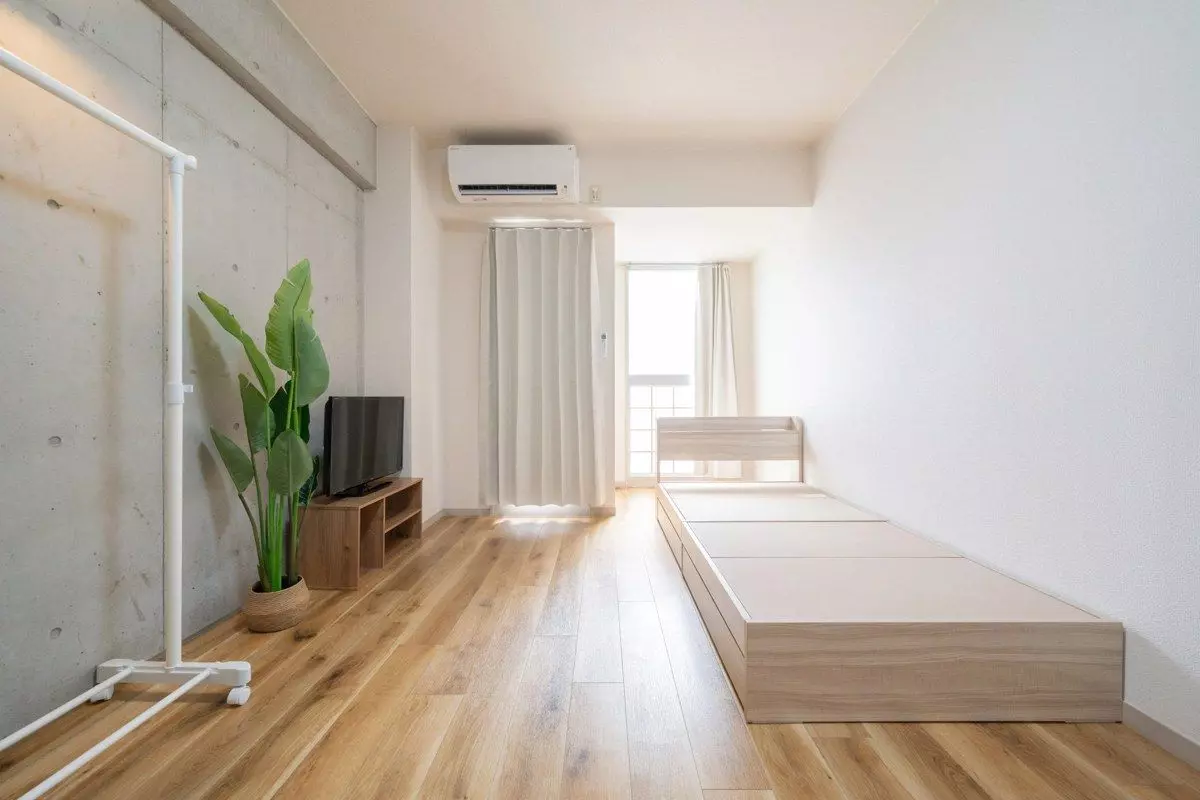
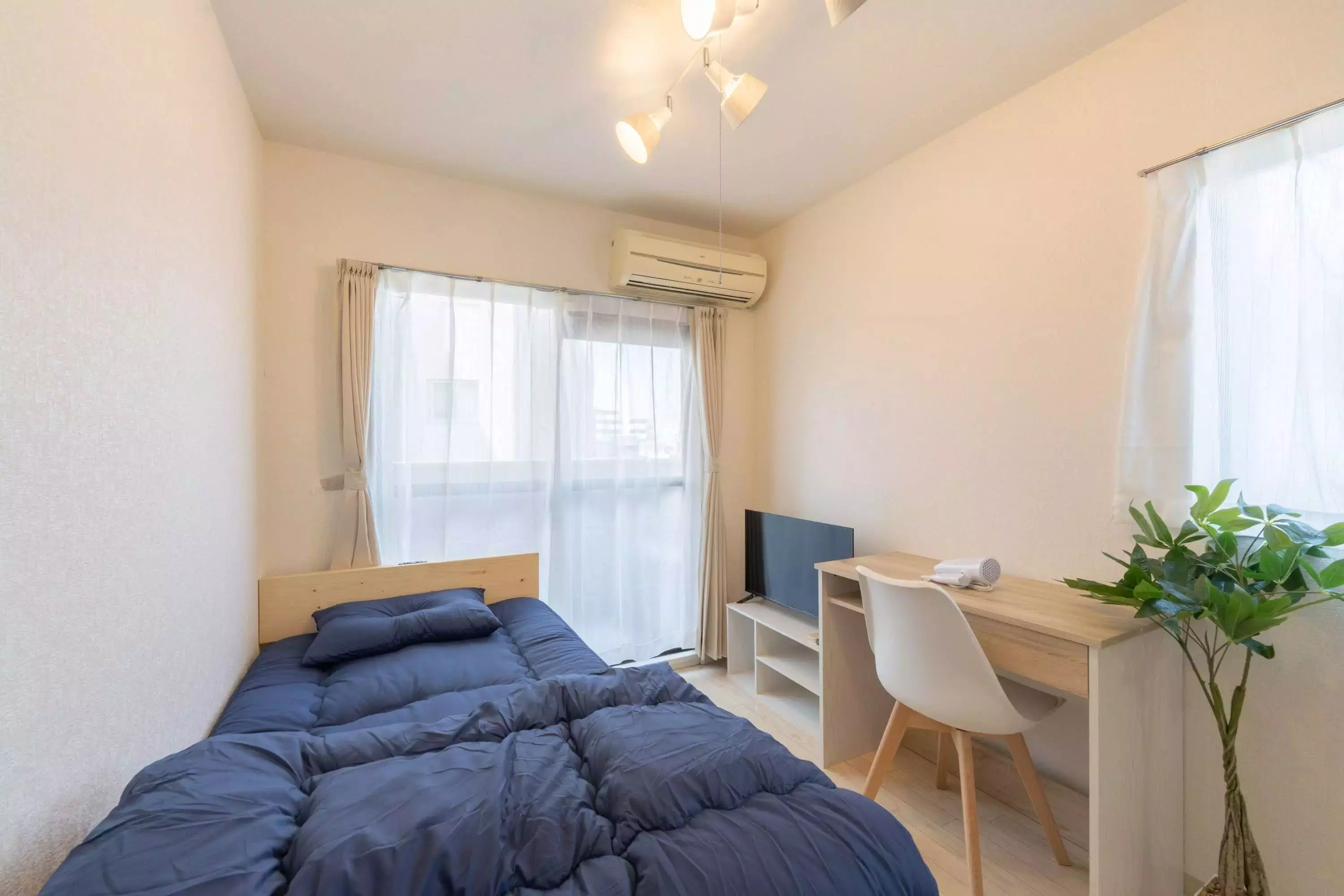
A share house is a type of housing where multiple people share a kitchen, living room, and other facilities. Rent and utilities are often included, significantly reducing living expenses. Even in urban areas, many properties can be found for under 40,000 yen, and you can sometimes secure a larger space in a better location than living alone.
Furthermore, many properties come furnished with appliances, which is an attractive feature as it helps save on initial costs. The composition of residents varies, sometimes being mixed-gender, sometimes same-sex only, and sometimes offering only double rooms or single rooms, allowing you to choose according to your lifestyle. However, the rules for using shared spaces and compatibility with other residents are also important points. If it suits your lifestyle, it can be an option that balances cost and convenience.
Recently, some share houses, depending on the management company, offer events for residents such as English conversation classes and cooking classes, allowing you to broaden your lifestyle. The fixed monthly fee includes utilities, making budget management easier, and they are particularly popular with first-year working professionals and those in their late twenties who want to increase their savings. Before signing a contract, be sure to directly check the terms of use and common area rules, and assess whether you can live there safely, including the shared environment beyond your private room.
Search for a room
Only furnished properties with appliances are listed!
Savings tips to reduce living expenses
For someone living alone on a net income of 120,000 yen, how much you can reduce your living expenses within that limited income will greatly affect your quality of life. Saving money often conjures up images of hardship and restrictions, but by reviewing your daily expenses and finding ways to reduce waste, it is entirely possible to cut costs without lowering your quality of life.
This section provides specific explanations on how to review food and utility costs, reduce communication and transportation expenses, and minimize spending on hobbies and entertainment.
Reviewing and saving money on food and utility expenses.
Since food expenses make up a large portion of living expenses, switching to a lifestyle centered on home cooking is the first step to saving money. By buying groceries in bulk on weekends and using ingredients systematically, you can reduce unnecessary purchases and eating out. In addition, utility costs can be reduced with small daily adjustments such as adjusting the temperature of the air conditioner, switching to LED lighting, and shortening shower times. Reviewing your contract plan using a utility comparison website is also effective. Once these adjustments become a habit, they can be easily continued and can lead to savings of tens of thousands of yen per year.
Furthermore, simply taking advantage of supermarket sale days and point reward days can significantly reduce your monthly food expenses. For utility costs, it's effective to compare rates from different providers, check basic saving strategies, and simultaneously reduce direct usage while reviewing your pricing plan.
Ways to reduce communication and transportation costs
Communication costs can be significantly reduced by switching to a budget SIM card or reviewing your fiber optic internet plan. Simply checking your current usage and canceling unnecessary options or excessive data plans can be effective. For transportation costs, you can reduce daily expenses by using commuter passes or tickets, or by commuting by bicycle or walking. You can also reduce transportation costs by planning weekend outings in batches and reducing the number of trips. Even small savings add up and you can see a significant reduction in savings over a month.
Since transportation costs and communication infrastructure fees vary from prefecture to prefecture, comparing options by region will help you optimize your plan further. Point systems for transportation IC cards and monthly plans based on usage frequency are also convenient, so choose one that suits your lifestyle.
Lifestyle tips for reducing expenses on hobbies and entertainment
Hobbies and leisure activities are a source of enjoyment in life, but spending too much on them can strain the household budget. There are many ways to find fulfillment while keeping expenses down, such as taking advantage of free or low-cost events and facilities, borrowing books and DVDs from the library, and finding exercises and hobbies you can do at home. You can also reduce waste by reviewing your usage of subscription services and focusing only on what you truly need. It's important to think of saving money not as something to endure, but as a means to enrich your life through smart choices.
Furthermore, utilizing local public facilities and online events allows you to spend quality time at a low cost. Regularly checking for free trials and limited-time campaigns will give you opportunities to acquire new hobbies or skills while keeping expenses down.
Strategies for saving money and preparing for the future
Living alone on a net income of 120,000 yen can easily leave you struggling just to make ends meet, but saving for the future is also essential. Even small amounts saved systematically can help you prepare for unexpected expenses and future life events. It's also important to consider ways to increase your income and create a life plan that takes into account future burdens such as pensions, insurance premiums, and taxes.
This section explains savings targets and management methods, ways to increase income through side jobs or career changes, and long-term household budget planning.
Monthly savings target and management methods
Ideally, savings should be set at around 20% of income, but with a net income of 120,000 yen, it's more realistic to start with around 10%. Calculating your monthly living expenses beforehand and setting up a system to automatically transfer any surplus to your savings account makes it easier to stick with it. Using a household budget app allows you to visualize your income and expenses and reduce unnecessary spending. Making saving a habit, even small amounts, will lead to greater peace of mind for the future.
Even if your current income is low, it's important to choose a method that suits you by comparing savings amounts and periods. By using banks that allow direct deposit from your salary account, or online banks that offer flexible monthly payment options, you can increase your savings conveniently and reliably.
How to increase your income through a side job or changing jobs
To improve your life on a limited income, increasing your earnings through a side job or changing jobs is an effective strategy. Side jobs increasingly include online work that can be done from home and jobs that utilize your skills, allowing you to earn extra income without increasing your living expenses. If you're considering a job change, it's advantageous to gather information about industries and job types, and to increase your market value by acquiring qualifications and skills before taking action.
Some companies offer generous bonus and incentive programs, and some have systems in place that allow employees to increase their income based on their work performance and evaluations. Increasing your income sources can lead to greater financial flexibility and increased savings.
Employment at large corporations or in growth industries, in particular, offers generous base salaries and benefits, ensuring a stable income in the long term if the conditions are met. Furthermore, utilizing local government and national side-job support programs allows for skill acquisition while minimizing initial costs and learning expenses. When job hunting, it's crucial to understand industry trends and the demand for relevant qualifications, and choose an environment where you can leverage your strengths.
A life plan that considers pensions, insurance premiums, and taxes.
To ensure a stable future, you need to consider fixed expenses such as pensions, insurance premiums, and taxes. National pension and health insurance contributions have fixed monthly amounts, and late payments incur penalties, so caution is necessary. Income tax and resident tax are also levied according to annual income. Creating a long-term life plan that includes these expenses will prevent future financial shortages. It's important to understand your overall household finances and review them as needed.
In addition, the necessary insurance and tax burdens change depending on age and family structure. Compare insurance premiums and tax-saving schemes that suit your current life stage and create a sustainable long-term plan.
Search for a room
Only furnished properties with appliances are listed!
Experiences and success stories from people who have lived alone
The lifestyle patterns and saving methods of people actually living alone on a net income of 120,000 yen can be helpful for those who are about to start living alone. The allocation of living expenses and prioritization of spending will differ from person to person, but there are commonalities among successful people and factors that should not be overlooked among those who fail.
Here, we will introduce the realities of daily life with concrete examples and summarize tips for stabilizing your daily life.
Example of a lifestyle pattern for someone living on a net income of 120,000 yen.
Living on a net income of 120,000 yen, many people keep rent around 35,000 yen, food expenses in the 20,000 yen range, and utilities under 10,000 yen. Communication and transportation costs together amount to around 10,000 yen, with the remainder going towards daily necessities, entertainment, and savings. On weekends, they prioritize cooking at home rather than eating out, and incorporate cost-saving measures such as attending free events or spending time in parks. This kind of lifestyle is easy to maintain without difficulty and leads to a stable life in the long term.
Because the cost of living and rent vary from prefecture to prefecture, the ease of living differs even with the same income. First-year employees and those in lower-paying jobs tend to keep rent and fixed expenses lower. When considering moving, it's a good idea to refer to local reviews and reputations and check the balance between convenience and cost.
Examples of money-saving tips and tricks from people who manage their finances well.
Successful people thoroughly review their fixed expenses and actively utilize budget-friendly options such as low-cost SIM cards, affordable rental properties, and shared housing. They save on food expenses by buying in bulk, taking advantage of sales, and preparing meals in advance, and they make efforts to reduce eating out. They also manage their spending with a household budget app and maintain motivation by setting monthly savings goals. Their approach is characterized by viewing saving as a "choice" rather than a "sacrifice," and controlling expenses while maintaining a good quality of life.
Furthermore, since the public services and support programs available vary by prefecture, some people research and utilize them in advance. Reviewing your fixed expense contracts at least once a year and updating them to a plan that suits your lifestyle will lead to long-term savings success.
Points to keep in mind when managing expenses, learned from mistakes
A common mistake is choosing an apartment with high rent and utility costs, which puts a strain on monthly living expenses. Also, if you don't keep track of your spending by not keeping a household budget, you won't realize you're wasting money and won't be able to save. Furthermore, relying too much on sales and credit card installment payments will increase your payment burden later on. The key to managing your expenses is to set a budget for living expenses from the beginning and manage your spending within that limit.
If you decide to sign a contract or make a purchase based solely on convenience, you risk gradually increasing your monthly fees. Checking reviews and reputation, and carefully reviewing the contract details before making a decision, can prevent unnecessary expenses.
How to use household budgeting apps and tools
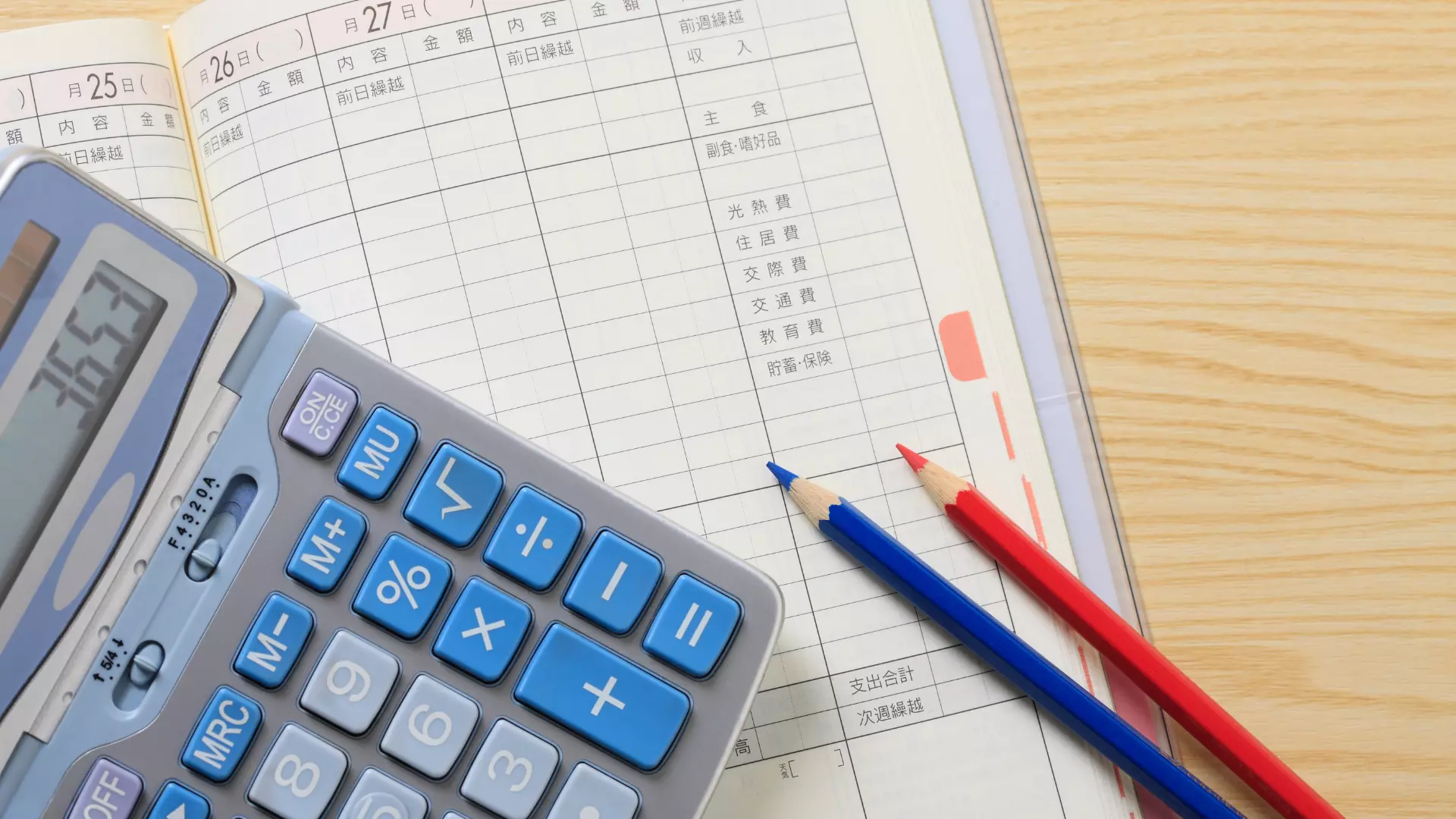
To continue living alone on a limited income, efficient household budget management is essential. While paper budget books are still effective, nowadays, smartphone apps and online tools allow you to manage your expenses without spending much time. Budgeting apps automatically record data, reducing the chances of forgetting to record expenses and making it easier to keep track of your living costs.
Here, we'll compare recommended free apps, discuss methods for reducing waste by visualizing your spending, and share real-life examples of successful money-saving strategies.
Comparison of recommended free household budgeting apps
Free apps like "Money Forward ME," "Zaim," and "Moneytree" allow you to automatically record income and expenses by linking with bank accounts and credit cards. Money Forward has comprehensive asset management features, Zaim offers high customization options for household budgeting, and Moneytree features a simple and easy-to-use interface. All of them are useful for managing living expenses, but it's important to choose one that suits your lifestyle and the features you need.
Since each app has different features in its free and paid (premium) versions, it's most efficient to start with the free plan to compare them and only switch to a monthly subscription if necessary. Before installing, check the list of features on the official website to see if it suits your management style.
How to reduce waste by visualizing your spending
Visualizing your spending with an app lets you see at a glance where you're overspending. For example, if you find you're spending too much on eating out or convenience stores, it can be a good opportunity to switch to cooking at home or buying in bulk. By being mindful of "why you made that purchase" in your daily life, saving money will naturally become a habit. Rather than manually entering detailed records, the key is to reduce the effort by using automated synchronization and create a system that's easy to stick with.
To maximize the effectiveness of visualization, it's crucial to compare monthly and weekly spending fluctuations and analyze the factors that led to lower spending and the reasons for increases. If necessary, narrow down the categories to basic items and connect them to direct saving actions.
Successful money-saving stories using household budget management tools
People who have actually used budgeting apps to save money compare their monthly expenses and clearly identify areas where they can reduce spending.
For example, there are cases where people have saved several thousand yen per month by reviewing their communication costs and subscription contracts, or successfully saved tens of thousands of yen per year by budgeting for food expenses and reducing eating out. Using tools allows you to objectively analyze your spending trends and systematically reduce expenses, making it possible to live a stable life even with a low income.
These success stories demonstrate that users actively utilize not only convenient automatic aggregation features but also budget alerts and spending graphs. This allows them to check their daily expenses in real time and prevent exceeding their budget.
Search for a room
Only furnished properties with appliances are listed!
Tips for improving your health and living environment
Living alone on a net income of 120,000 yen, one tends to focus solely on managing household finances and saving money, but maintaining a healthy lifestyle is equally important. If you fall ill, medical expenses and living expenses will increase, potentially undermining the stability of your life.
Here, we introduce easy-to-incorporate tips for diet and exercise into your daily life, ways to create a stress-reducing living environment, and methods for maintaining a healthy lifestyle and getting enough rest.
Tips for maintaining health through diet and exercise
The foundation of a healthy lifestyle is a balanced diet and moderate exercise. While being mindful of saving money, it's important to ensure you get enough vegetables and protein. Cooking at home makes nutrition management easier and helps save on food costs. You don't need to go to the gym; simple exercises like stretching and strength training at home, or walking or cycling to work are perfectly effective. Incorporating habits that you can easily maintain will lead to long-term health maintenance.
Furthermore, regular health checkups and the use of health insurance as needed are essential for disease prevention. Checking your health at least once a year and comparing and reviewing your lifestyle habits is a fundamental way to reduce the burden of medical expenses.
How to create a living environment that reduces stress
Even in small rooms or older properties, comfortable living is possible with a little ingenuity. By keeping things tidy and decluttering, and reducing unnecessary items, the space will feel larger, and you'll have more peace of mind. Using brightly colored curtains and lighting will brighten up the entire room and lift your spirits.
Furthermore, by implementing soundproofing and heat insulation measures, you can reduce stress caused by external noise and temperature changes. Creating an environment that suits you is an important element in protecting your physical and mental health.
These days, you can find convenient storage items and insulation products at low prices at 100-yen shops and home improvement stores. Before purchasing, check the dimensions directly and choose items that you can use efficiently without waste to maximize cost-effectiveness.
A healthy lifestyle and how to get enough rest
Disruptions to your daily routine can lead to poor health and decreased concentration, negatively impacting your daily life. Make an effort to wake up and go to bed at the same time every day and ensure you get enough sleep. Rest isn't just about sleep; it also includes pursuing your favorite hobbies, light exercise, and spending time in nature. By creating a manageable schedule and taking breaks between work and household chores, you can achieve a fulfilling life even with a limited income.
To improve your sleep environment, simple, basic adjustments such as adjusting the brightness of the lights and the room temperature are effective. For example, simply changing the type of pillow or bedding to one that suits you can improve the quality of your sleep. Even if direct investment is difficult, accumulating small improvements can build a foundation for long-term health.
Reviewing work styles and career advancement options
Living alone on a net income of 120,000 yen, you may sometimes feel that saving money alone is not enough. In such cases, it is effective to reconsider your work style and aim to increase your income or reduce your living expenses. This article organizes and introduces options for improving your life, such as differences in employment types like full-time employee, contract employee, and part-time worker, career advancement through acquiring qualifications and skills, and reducing living expenses by moving to a rural area or changing jobs.
Comparison of full-time, contract, and part-time work styles
Salary levels, benefits, and job security vary greatly depending on the type of employment.
Full-time employees enjoy stability in terms of salary, raises, and bonuses, but tend to have longer working hours and greater responsibilities. Contract employees have more flexibility, and depending on their skills, high income is possible. Part-time work is attractive because of its flexible shifts, but income tends to be less stable.
It's important to determine which work style is best suited to your lifestyle and future plans.
When comparing different work styles, be sure to check factors such as company size, base salary, salary increase system, and the availability of employee benefits. Large companies tend to offer stability and well-established training programs, making it easier for people in their 20s or those transitioning from part-time work to build a career.
Increased income through obtaining qualifications and acquiring skills
Acquiring qualifications and skills will broaden your opportunities for higher-paying jobs and transitioning to full-time employment.
For example, qualifications such as bookkeeping, real estate agent license, and medical office administration can be obtained in a relatively short period of time and are in high demand in the job market. Skills such as programming and design can also be used for side jobs or as a freelancer. While self-investment requires time and money, it can lead to increased income and financial stability in the long run, so it's important to approach it with a plan.
When choosing a course or school, it's reassuring to check reviews and reputation, as well as tuition fees, monthly fees, and the availability of support programs beforehand.
Ways to reduce living expenses by moving to a rural area or changing jobs
If high rent and living costs in urban areas are a burden, moving to a rural area is a viable option. Rent is significantly lower in rural areas, allowing for a more comfortable lifestyle even with the same income. Furthermore, switching to a job that provides a stable income even with lower living costs can lead to greater financial stability. When choosing a job and work location, it is important to consider factors such as living environment, transportation convenience, and future career paths.
When considering relocating or changing careers, it's effective to check the reputation of local companies and utilize job placement services. Compare and consider your options carefully to find the conditions that suit you best.
Summary | A comfortable life is possible even with a net income of 120,000 yen.
Even with a limited income of 120,000 yen after taxes, it is entirely possible to continue living comfortably on your own. To achieve this, it is essential to review how you spend your living expenses, prioritize your spending, and balance reasonable saving with increasing your income. By combining the methods introduced so far and practicing household budget management that suits your lifestyle, you can achieve both a stable life and preparation for the future.
Prioritize your living expenses and manage your budget accordingly.
First, it's important to clearly identify essential fixed expenses (rent, utilities, communication costs) and ensure they are included in your budget.
Furthermore, for variable expenses such as food and entertainment, prioritize spending that is truly necessary and find areas where you can cut back. Prioritizing helps prevent overspending and wasteful spending, increasing stability in your life. Making monthly reviews a habit makes it easier to identify areas for improvement and improves the precision of your budgeting.
Furthermore, regularly comparing and checking fixed expenses and service contracts, and organizing them in a ranking format based on price and content, makes decision-making easier. Ruthlessly eliminate unnecessary expenses and allocate that money to savings or necessary expenses. Even while working a busy job, maintaining these routines will enable stable household management even with a limited income.
Achieving both reasonable savings and increased income
Relying solely on saving can lower your overall satisfaction with life, so the ideal approach is to maintain a reasonable level of spending while also working to increase your income. By reducing fixed costs and making adjustments to your lifestyle to achieve savings, and by increasing your income sources through side jobs, skill acquisition, or changing jobs, you can significantly improve the stability of your household finances. Especially for single-person households, where financial flexibility is limited, practicing both within reasonable limits is key to achieving a comfortable and secure life even with a net income of 120,000 yen.
When looking for a job or changing careers, choose a company that matches your experience and skills, and consider its future prospects and stability. By comparing compensation and work styles, you can find a path to increasing your income in a way that suits your lifestyle.