Kawaguchi at a Glance: What to Know Before You Search
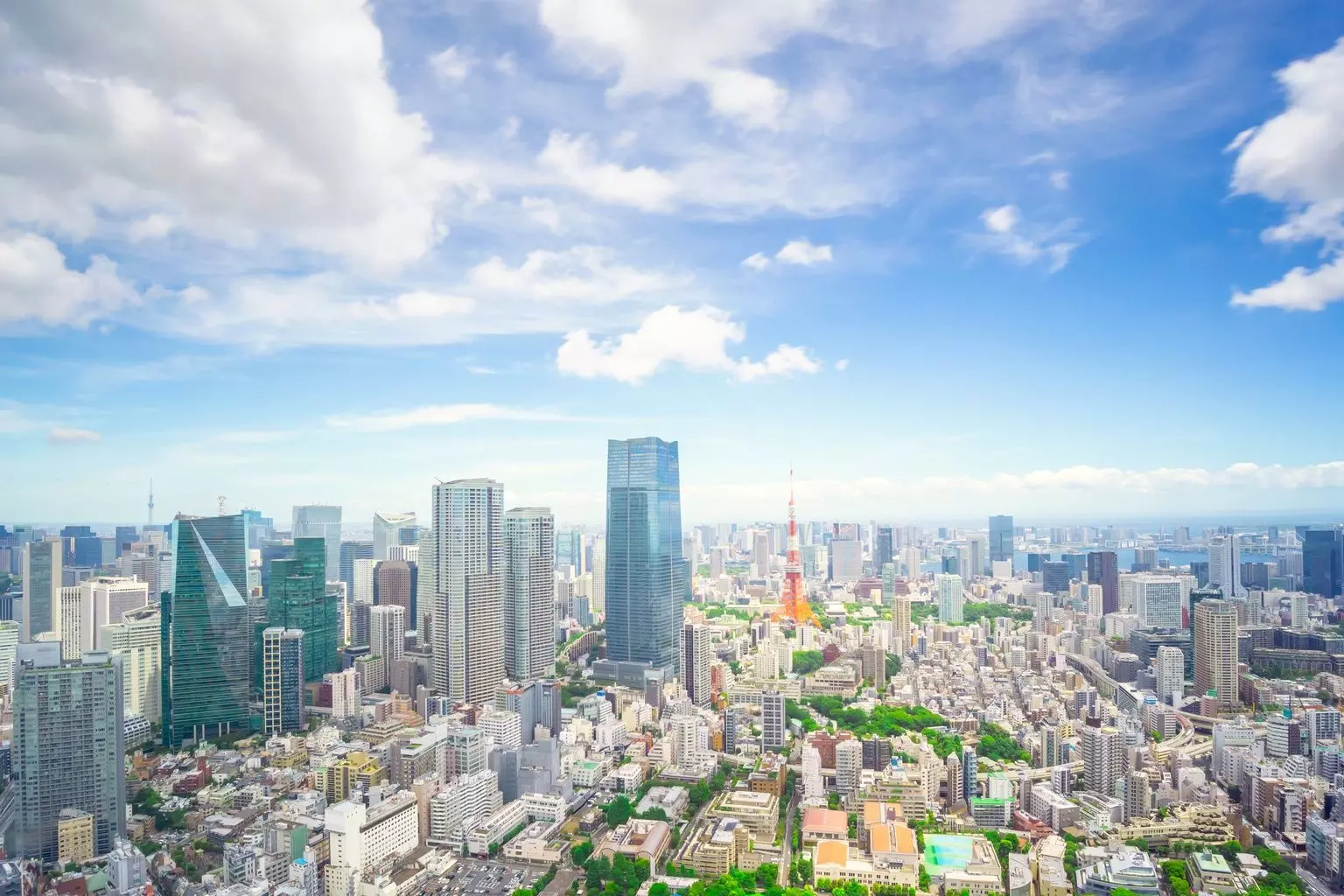
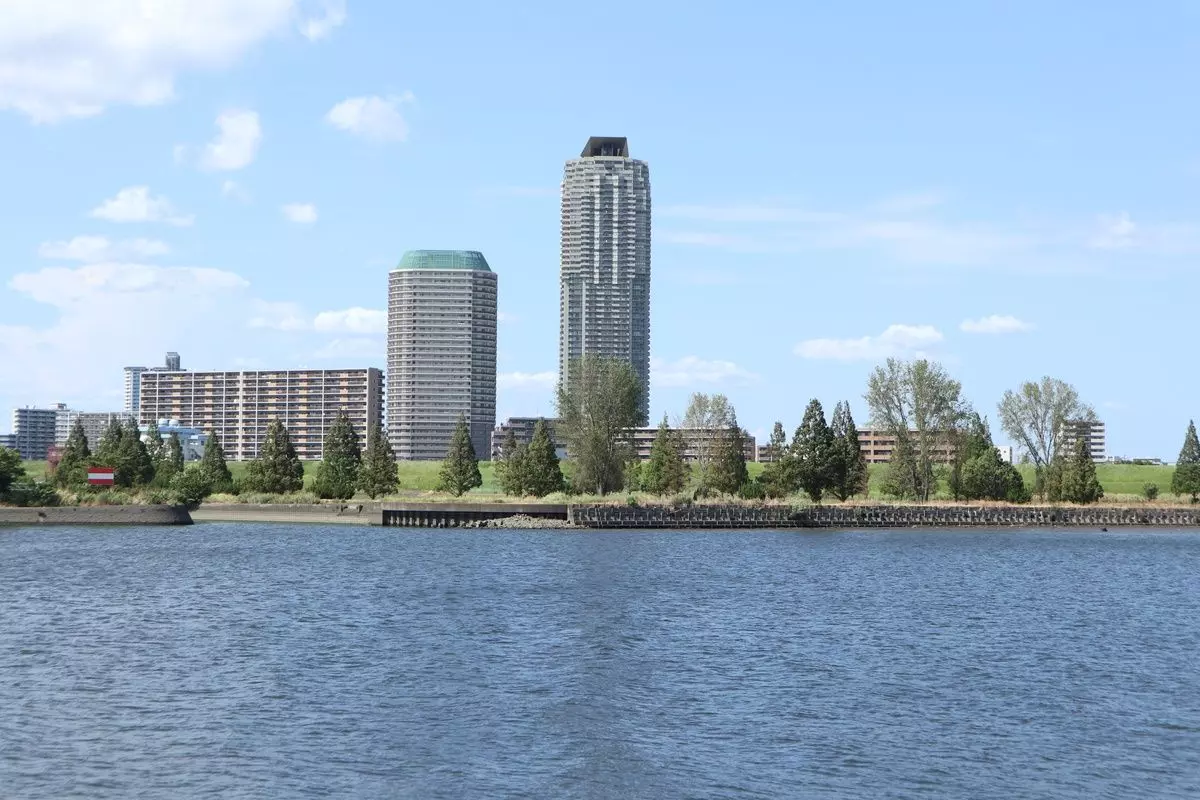
- Kawaguchi sits across the Arakawa river from Tokyo's Kita and Adachi wards, about 20-30 minutes from central Tokyo by train.
- The main stations are Kawaguchi, Nishi-Kawaguchi and Warabi on the JR Keihin-Tohoku Line, plus Kawaguchi-Motogo on the Saitama Rapid Railway Line.
- A share house lowers cost by sharing the kitchen and bathroom; a furnished apartment costs more but is fully private.
- In Saitama, including Kawaguchi, bedding for a furnished apartment is a paid rental rather than part of the furniture.
- Rooms open up and fill as residents move, so check the live Kawaguchi listings page for what is available today.
Ask About Renting in Kawaguchi
Why Kawaguchi Appeals to People Moving to the Tokyo Area
Three JR Keihin-Tohoku Line stations serve the city: Kawaguchi, Nishi-Kawaguchi and Warabi. Kawaguchi-Motogo on the Saitama Rapid Railway Line runs straight onto the Tokyo Metro Namboku Line. From Kawaguchi Station, Ueno and Tokyo Station are reachable in about 20-30 minutes without changing trains.
That commute comes at a lower price than living inside Tokyo. Rent for a comparable room typically sits below the central Tokyo wards, which is the main reason commuters choose to live just across the river.
Kawaguchi is also bigger than most people expect. It had about 607,000 residents on 1 January 2025, making it Saitama's second-largest city after Saitama City (Ministry of Internal Affairs and Communications, Basic Resident Register, as of January 2025). It is a city in its own right, so daily life does not depend on going into Tokyo.
It is also one of the most international cities in Japan. About 48,000 of those residents, roughly 8%, are foreign residents from more than 100 countries, with the largest groups from China, Vietnam and the Philippines (same source, January 2025).
You can see it around Nishi-Kawaguchi Station, where dozens of Chinese restaurants and grocery stores serve the people who live nearby rather than tourists. For a newcomer that matters in a practical way: familiar ingredients are on a shelf near the station, and many neighbours have already been through the same paperwork you are facing.
Beyond food, the Arakawa river forms the city's southern edge, with riverside paths used for cycling and walking. SKIP City, a media complex that hosts an international film festival, and the Kawaguchi Green Center, a large public garden park, are both within the city.
Search for a room
Only furnished properties with appliances are listed!
What a Share House Actually Is in Japan
A share house gives you a private, lockable bedroom inside a building where the kitchen, bathroom and often a living room are shared with other residents. The room usually comes furnished, and rent runs lower than a comparable private apartment because you split the cost of the shared space.
Paperwork is typically lighter than a conventional Japanese lease. Many operators skip the security deposit and key money, and use a guarantor company in place of a personal guarantor.
It suits people who will trade some privacy for a lower monthly cost and who are comfortable timing the kitchen and bathroom around other residents. It suits fewer people who keep irregular hours or want facilities nobody else uses.
Share House, Shared Apartment or Your Own Furnished Apartment: Comparison
Three room types come up when people search for affordable, move-in-ready housing in Japan, and they are easy to confuse. The table shows where each one sits on privacy and shared facilities.
| Room type | Share house | Shared Apartment (SA-XROSS series) | Furnished apartment |
|---|---|---|---|
| Privacy | Private, lockable bedroom; common areas shared with other residents | Private, lockable room; no living room | Fully private, self-contained unit |
| Kitchen, shower and toilet | Shared with other residents | Kitchen, shower, toilet and washbasin shared | Your own, for you alone |
| Furniture and appliances | Furnished room, plus shared common-area appliances | Furnished room, plus shared kitchen and bath equipment | TV, bed, refrigerator, storage, desk, chair, air conditioner, curtains, microwave and washing machine (varies by property) |
| Who it suits | Lowest cost; happy to share on a schedule | A private room at a lower cost, without needing a living room | Full privacy and a move-in-ready home, at a higher cost |
The pattern is simple: the more you share, the less you pay, and the more privacy you want, the more it costs.
Search for a room
Only furnished properties with appliances are listed!
What Renting Normally Costs in Japan (and Why That Stops People)
Initial costs for a typical Japanese rental, such as the security deposit, key money and agency fee, often add up to four to six months' rent before you pay your first month.
Most landlords also require a guarantor, someone who agrees to cover the rent if you cannot, and increasingly a guarantor company as well. Without family or a long-standing employer in Japan, this step alone can stop an application.
Then there is furnishing the place. A standard Japanese apartment comes empty, so the bed, fridge and washing machine are bought from scratch, and electricity, gas and water contracts are set up one by one, usually in Japanese.
The Barriers Foreign Renters Run Into, and the Ways Around Them
Without a Japan-based guarantor, some landlords will not consider an application, and others hesitate over unfamiliar paperwork. We cover both problems in our guide on why apartments sometimes reject foreign tenants in Japan and our walkthrough on renting an apartment in Japan as a foreigner.
Lease agreements, utility contracts and guarantor forms are usually written in Japanese only, and arriving with nothing makes buying a fridge and a bed in your first week unrealistic.
Furnished and share-house-style operators are built around exactly this gap. A guarantor company replaces the personal guarantor, furnished rooms mean you arrive with a suitcase, and support in a language you read removes the paperwork problem.
There is also a way to skip the guarantor company altogether: pay everything at the start, from the registration fee and rent through to the move-out fee, and joining a guarantor company is not required, so its fees do not apply. This works for furnished apartments and share houses alike. In practice, most people who choose it are staying one to three months, for study, a project posting or a trial period.
Search for a room
Only furnished properties with appliances are listed!
What XROSS HOUSE Offers
XROSS HOUSE runs three room types, share houses, Shared Apartments and furnished apartments, across 11 prefectures in Japan. All of them remove the deposit and the personal guarantor.
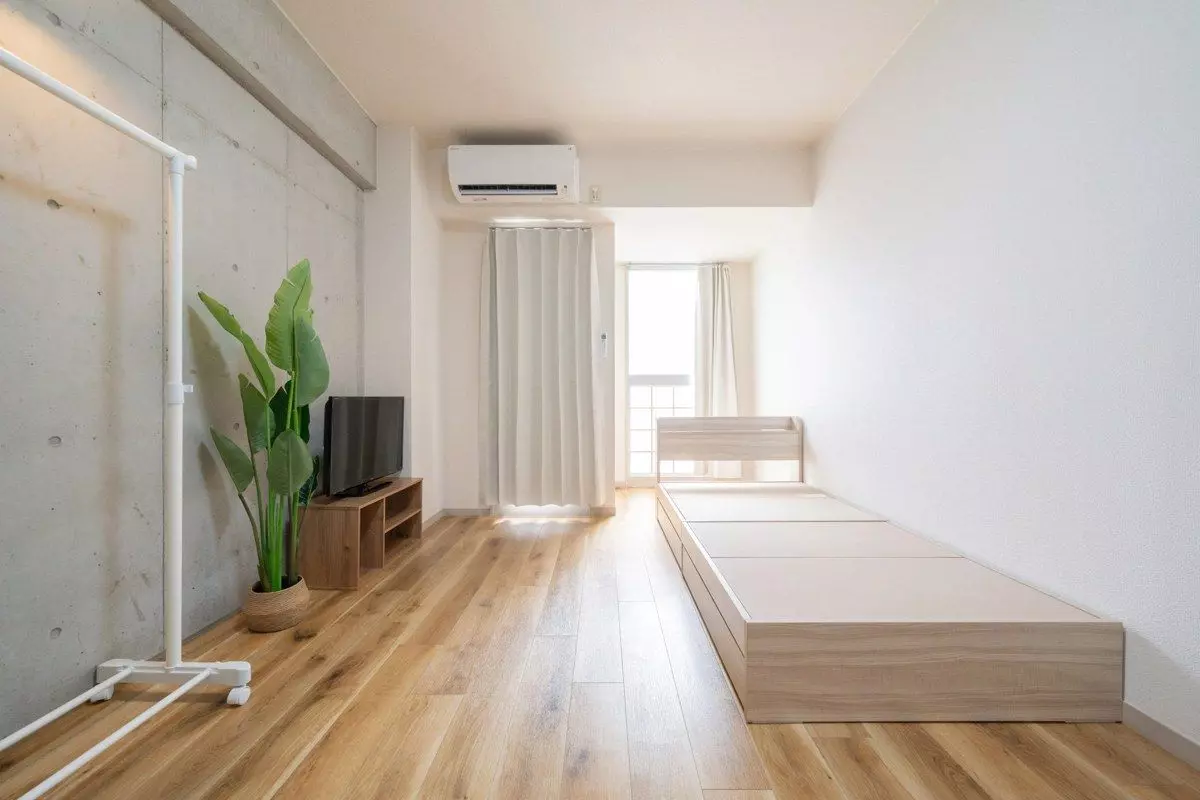
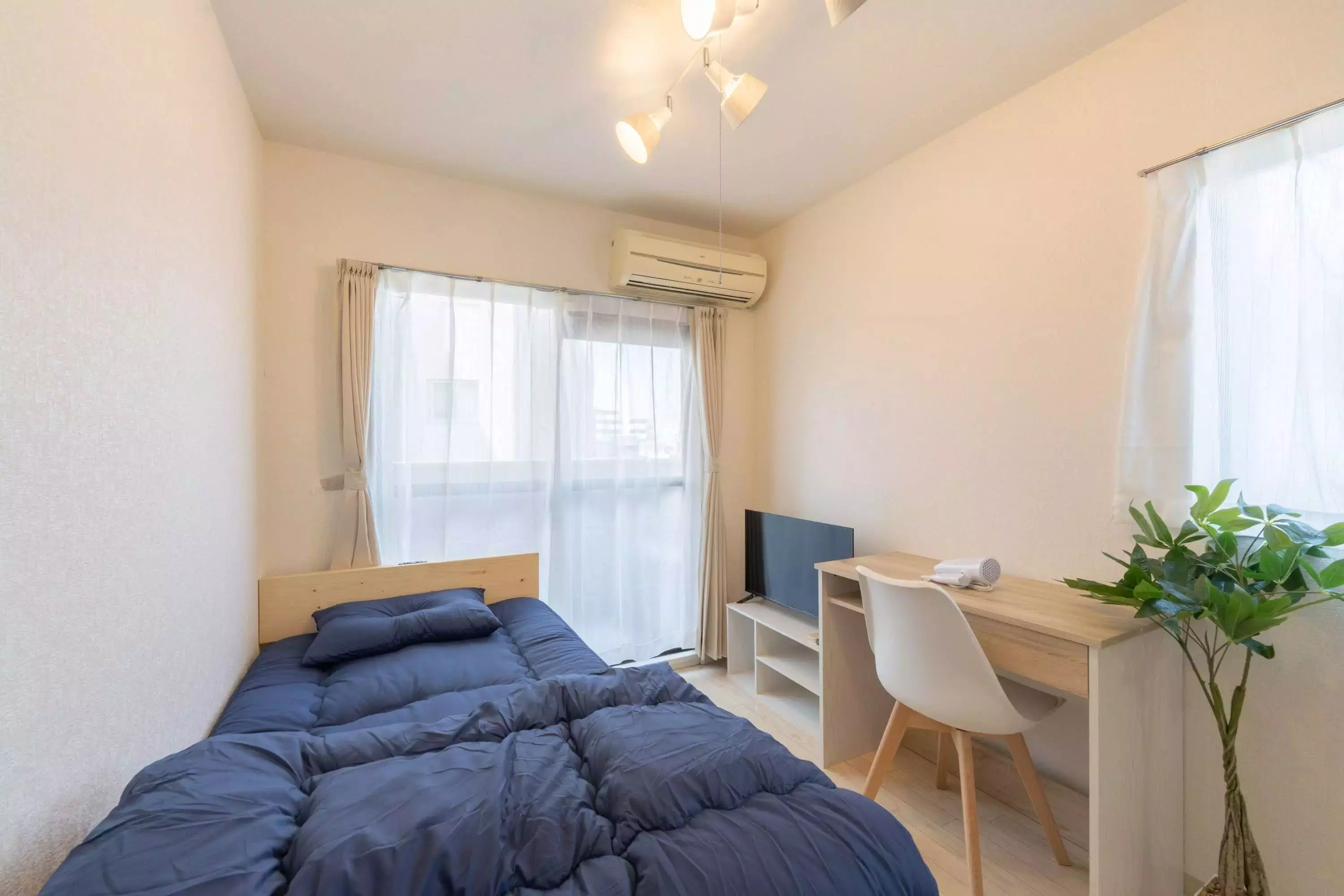
A furnished apartment is a private, fully enclosed unit with your own kitchen, shower and toilet. Furniture and appliances come with it, though the exact list varies a little by property. Read our explanation of what a fully furnished apartment is, or browse the furnished apartment page.
In Saitama, including Kawaguchi, as well as Tokyo, Kanagawa and Chiba, a furnished apartment comes with a bed frame, and the futon and mattress are a paid rental: ¥3,300 a month for the set on the monthly plan (six-month minimum), or ¥22,000 paid once with no minimum period. From about seven months, paying once works out cheaper.
The plan cannot be switched after moving in, and bedding is not exchanged during the rental period.
The Shared Apartment, our SA-XROSS series, sits between a share house and a furnished apartment: a private, lockable room, with the kitchen, shower, toilet and washbasin shared and no living room.
A share house gives you a private room plus shared facilities and common areas, the lowest-cost option of the three. Keeping the shared areas tidy is up to residents, and weekly cleaning support visits the common areas of share houses and Shared Apartments, with a property audit once a month.
Fees are set company-wide, so the figures below hold whichever city you choose.
| Fixed fee | Furnished apartment | Share house and Shared Apartment |
|---|---|---|
| Registration fee (initial cost) | ¥30,000 under the current campaign (normally ¥50,000) | ¥30,000 |
| Security deposit, agency fee | None | None |
| Monthly support fee | ¥1,500 (tax included) | ¥1,500 (tax included) |
| Common service fee | None | ¥15,000 a month, covering utilities and shared supplies |
| Utilities | Contracts in your name with free set-up help, or an all-inclusive plan at ¥15,000 a month | Included in the common service fee |
| Move-out fee | ¥55,000 (tax included) | ¥16,500 (tax included) |
| Re-contract fee | ¥22,000 (tax included) | ¥11,000 (tax included) |
| Guarantor company (individual contracts) | No personal guarantor needed. A guarantor company is normally required, with an initial guarantee fee and a monthly guarantee fee charged on top of the registration fee and confirmed at application. If you pay everything from the registration fee to the move-out fee in one payment at the start, joining a guarantor company is not required. | |
Rent is not in this table because it varies by room. The Kawaguchi listings page shows the current rent for each room.
The ¥1,500 monthly support fee covers help with anything that goes wrong with your housing: an emergency contact line, in-person visits when a problem needs one, and support in Japanese, English, Chinese, Korean and more. If a lock fails or the water stops on a Sunday, that is the number you call.
With a furnished apartment, the electricity, gas and water accounts are in your own name, but a partner company opens all three for you at no charge, with multilingual support. Closing the accounts when you move out is your own job. If you would rather not deal with utility bills at all, the all-inclusive plan bundles them into one fixed ¥15,000 a month. Someone out at work all day will often pay less on their own meters, so the plan buys predictability rather than savings.
The contract is a one-year fixed-term lease. The minimum stay is one month, and you give one month's notice to leave, with no early-termination penalty.
Moving to another XROSS HOUSE property, across prefectures and room types, waives our move-out fee at the old room and the registration fee at the new one. If you joined a guarantor company, it re-screens you and charges its own fee. Come back within a year of moving out and the registration fee is waived again.
For full privacy and a move-in-ready home, the furnished apartment is the option built for exactly that. If a share house is what you want, our share house search also covers nearby areas of Tokyo and Saitama.
Ask About Your Move-In Estimate
Frequently Asked Questions
How long is the commute from Kawaguchi to central Tokyo?
From Kawaguchi Station, the JR Keihin-Tohoku Line reaches Ueno and Tokyo Station in about 20-30 minutes without a change. Kawaguchi-Motogo Station connects directly to the Tokyo Metro Namboku Line.
Which stations should I look near in Kawaguchi?
Most people search around Kawaguchi, Nishi-Kawaguchi and Warabi on the JR Keihin-Tohoku Line, or Kawaguchi-Motogo on the Saitama Rapid Railway Line. Pick the one with the most direct line to your office or school.
How do I see which rooms are available in Kawaguchi right now?
Rooms open up and fill as residents move, so the live Kawaguchi listings page is the most accurate source. It shows each room's type and current rent.
Is bedding included with a furnished apartment in Kawaguchi?
A bed frame is included, and the futon and mattress are a paid rental in Saitama, as in Tokyo, Kanagawa and Chiba: ¥3,300 a month for the set with a six-month minimum, or ¥22,000 paid once with no minimum period. The plan cannot be changed after moving in.
How much does it cost to move into a Kawaguchi room?
The registration fee is ¥30,000 for a share house or Shared Apartment, and ¥30,000 for a furnished apartment under the current campaign (normally ¥50,000). There is no security deposit or agency fee. Individual contracts normally add a guarantor company's initial and monthly guarantee fees, confirmed at application, unless you pay everything up front.
Can I rent a Kawaguchi share house without a guarantor in Japan?
Yes, you do not need a personal guarantor. Individual contracts normally join a guarantor company instead, with initial and monthly guarantee fees charged separately. If you pay everything from the registration fee to the move-out fee in one payment at the start, joining a guarantor company is not required. Details are on our FAQ page.
Can I rent on a student, working holiday or tourist visa?
Yes. XROSS HOUSE accepts residents on any status of residence, including student, working holiday and short-term (tourist) stays. You apply with your passport, a photo of your face, an emergency contact in your home country and your personal details.
What does it cost to move out?
The move-out fee is ¥55,000 (tax included) for a furnished apartment and ¥16,500 (tax included) for a share house or Shared Apartment. With one month's notice, there is no early-termination penalty on top.
Kawaguchi works for many people moving to the Tokyo area: a short, direct commute, costs below central Tokyo and international neighbourhoods that make the first weeks easier. The right room type comes down to how much privacy you want and how much sharing suits you.
To see what is open right now, the Kawaguchi listings page stays current as rooms turn over. If you would rather talk it through first, our team answers in English.