What is the average water bill for someone living alone?
Water bills are one of the fixed monthly expenses in living costs. Especially for those living alone, water usage doesn't vary much, so it's important to know what the "average" usage is.
This chapter explains the national average water bill, regional differences, and a guideline for actual water usage for a single person.
Check the average monthly and annual water bills.
According to household expenditure surveys by the Ministry of Internal Affairs and Communications and data published by waterworks bureaus, the average monthly water bill for a single person is approximately 1,500 to 2,500 yen. This amounts to about 18,000 to 30,000 yen per year.
This water bill includes charges for both water supply and sewage, and since the pricing system varies by region, the amount billed will differ even for the same amount of water usage. Also, in municipalities that use a metered system, the unit price tends to increase as usage increases. For people living alone, the basic charge accounts for a large portion of the bill because their usage is low, so even if they conserve water, the amount may not decrease as much as they expected.
Some people manage to keep their water bill under 1,500 yen per month, while others spend over 2,500 yen. To properly manage your water bill, the first step is to understand how your spending compares to the average.
Differences between urban areas like Tokyo and Osaka and rural areas
Water rates are set independently by each municipality and vary from region to region. Factors such as securing water sources, maintaining infrastructure, and population density influence rates, making differences between urban and rural areas more likely.
The following trends can be observed in urban areas:
- Tokyo: Water rates are relatively low compared to the rest of the country. A monthly usage of 8 cubic meters costs approximately 1,800 yen.
- Osaka City: Slightly high level. Sewerage charges affect the monthly cost, which is around 2,300 yen.
- Fukuoka City: Both water supply and sewage charges are higher than the national average, sometimes reaching around 2,800 yen per month.
- Sapporo City: Water rates are standard, but due to the cold climate, maintenance costs for facilities tend to be reflected in the rates.
As you can see, even with the same lifestyle, there can be a difference of more than 500 yen per month depending on where you live. When looking for a rental property or considering moving, taking regional differences in water rates into account can help you make decisions that reduce your long-term living costs.
What is the actual water usage of single-person households?
The average water usage for a single person is about 6 to 10 cubic meters per month. This is equivalent to using 200 to 300 liters per day. Actual usage is comprised of the following activities:
- Shower usage: 40-60 liters per shower. Daily use amounts to 1,200-1,800 liters per month.
- Laundry: 50-80 liters per load. Using it 3 times a week, that's 600-1,000 liters per month.
- Toilet usage: 6-12 liters per flush. 5 flushes per day equals 900-1,800 liters per month.
- Cooking and washing dishes: 20-40 liters per day. If you cook at home frequently, this can exceed 1,000 liters per month.
Adding these up, we get approximately 6,000 to 10,000 liters, which explains why monthly water usage is 6 to 10 cubic meters. Water usage tends to increase as the amount of time spent at home increases.
On the other hand, if you live a lifestyle that involves eating out frequently and using coin laundries for laundry, and therefore uses water facilities infrequently, it is possible to keep your monthly water usage below 5 cubic meters.
Average values are merely guidelines, and actual bills vary greatly depending on your lifestyle. By reflecting on your own usage and understanding how much water you fall into, you can prevent unnecessary water bills.
Why do water bills fluctuate?
Water bills are a fixed expense even for those living alone, but the amount billed is not always the same. Sometimes it's higher than expected, and sometimes it's surprisingly low. The reasons for this include the structure of water rates, the type of contract for each property, and usage patterns. This chapter will summarize the main factors that cause water bills to fluctuate.
Basic structure of water and sewage systems and breakdown of charges
Water bills include charges for both "water supply" and "sewage," and are calculated as follows:
- Basic fee: A fixed monthly fee is charged regardless of usage.
- Usage-based charges: Charges are added according to the amount of water used.
- Sewerage charges: Charged in proportion to the amount of water used (calculated separately or as a set).
The balance between the basic fee and the usage-based fee varies depending on the municipality, but in every region, a certain fee is always charged regardless of usage. This is especially true for people living alone, where the basic fee tends to make up a large portion of the total cost, even if usage is low.
Usage-based charges are added depending on the amount used.
The usage-based portion of water charges is generally structured so that the unit price increases according to the amount of water used. This means that the more water you use, the higher the cost per cubic meter tends to be. For example, it works like this:
- 0-10 m³: XX yen per m³ (cheapest option)
- 11-20 m³: Unit price increase
- 21 m³ or more: Unit price increases further.
For someone living alone, it's uncommon to exceed 10 cubic meters of water usage per month, but this can be exceeded by factors such as working from home, taking long showers, or doing laundry frequently. If your water bill is higher than expected, this tiered billing system based on usage may be the reason.
The "water bill included" and "flat-rate" systems vary depending on the property.
The method of billing for water charges varies depending on the type of contract you have for your property. There are mainly three patterns:
- Individual metered billing (varies depending on usage)
- The management company has a bulk contract, and the rent and common area maintenance fees are included as a "fixed amount."
- Water charges are not billed separately; they are included as a flat rate in the common area maintenance fee (common in shared housing, etc.).
In some shared houses like Cross House, utilities, including water and electricity, are all included in the common area fee, meaning you only pay a fixed amount each month regardless of your usage. Choosing such a property has the advantage of making it easier to keep expenses consistent.
Search for a room
Only furnished properties with appliances are listed!
Water usage and cost examples based on different lifestyles of single people
Water bills vary greatly depending not only on the area and building conditions, but also on your daily lifestyle. Even in the same area and under the same contract conditions, usage can result in a difference of more than 1,000 yen per month.
This chapter categorizes water usage patterns for people living alone and explains the characteristics of each pattern and the differences in expected water usage.
Differences between working from home and working primarily outside the home
The longer people spend at home, the more water they naturally use. The following trends can be observed:
1) In the case of a remote worker
- I cook all my meals myself, breakfast, lunch, and dinner, and use water.
- Frequent use of the toilet and handwashing
- Because showering and laundry can be done at any time, the frequency tends to increase, and in some cases, water usage can reach 8-10 cubic meters per month.
2) In the case of company employees or students who are often out and about
- I eat out most of the time on weekdays and cook at home only occasionally.
- I do all my laundry on the weekend.
- Aside from showering, there are few opportunities to use water → Usage tends to stay within about 6-8 cubic meters per month.
The time of day and the usage of water-related items are closely related, and the length of time spent at home is a factor that directly impacts water bills.
Cost difference between bathers and showerers
The biggest factor affecting your water bill is your bathing style. Whether you fill the bathtub or just take a shower makes a huge difference in water usage.
1) If you prefer taking baths
- Each bath uses 150-200 liters of water.
- Taking a bath five times a week uses 3,000 to 4,000 liters of water per month, which can sometimes exceed 10 cubic meters.
2) If you prefer showers
- Approximately 10-12 liters are used per minute.
- If you take a 10-minute shower every day, that amounts to 3,000-3,600 liters of water used per month. Using a water-saving showerhead can reduce water usage.
If you use a bathtub, you can reduce your water bill by considering reusing the hot water (for laundry, etc.). On the other hand, even showering for extended periods consumes a surprising amount of water, so it's important to be mindful of water conservation.
Estimated usage based on frequency of cooking and laundry
Cooking and laundry are also factors that affect water usage. Approximate water usage can be estimated for each of the following activities:
1) Cooking and washing dishes
- Amount used per cooking session: approximately 10-20 liters
- Cooking twice a day, in the morning and evening, yields approximately 40 liters per day, or around 1,200 liters per month.
2) Laundry (Household fully automatic washing machine)
- Usage per use: 50-80 liters
- 3-4 times a week: 600-1,200 liters per month
3) Cleaning, watering plants, etc.
- Although it's a small amount each time, it adds up to a considerable amount over time.
People who don't cook at home and use laundromats for laundry can significantly reduce their water usage. On the other hand, people who cook at home every day and do laundry frequently may be using a lot of water without even realizing it.
7 concrete ways to save on your water bill
While water bills may seem like a relatively small part of living expenses for someone living alone, consciously reviewing and adjusting your water usage can lead to savings of several thousand to tens of thousands of yen per year. For those looking to reduce fixed costs, water bills are a point that shouldn't be overlooked.
This chapter will introduce seven practical money-saving tips that you can start using today.

1. Install a water-saving showerhead.
Showers account for a large portion of water usage. A typical shower uses about 12 liters of water per minute, so a 10-minute shower uses 120 liters. By simply switching to a water-saving showerhead, you can save up to 50% of water. They can be purchased for around 2,000 yen at home improvement stores or online, and are easy to install.
2. Adjust the water level in the toilet.
Toilet water usage should also be reviewed. Each flush uses 6 to 12 liters of water, so using it 5 times a day amounts to over 1,000 liters per month. You can reduce water usage with the following measures:
- Use the large and small levers appropriately.
- Choose a water-saving toilet tank.
- Utilize water-saving devices (such as putting plastic bottles in the tank).
Many of these methods are easy to implement even in rental properties, so they are definitely worth considering.
3. Review the frequency and capacity of your laundry load.
Washing machines use 50 to 80 liters of water per wash. Even small loads of laundry washed daily can quickly add up to a high water bill. The following tips can be effective:
- Do laundry in batches 2-3 times a week.
- Make use of leftover bathwater (a pump for leftover bathwater is convenient).
- Make use of water-saving mode
If you do laundry frequently, simply adjusting your laundry routine to fit your lifestyle can be effective.
4. Change your dishwashing habits.
Even washing dishes every day uses a surprising amount of water. Leaving the tap running is especially wasteful. You can save water using the following methods.
- Use a washbasin and soak the items.
- Lather the detergent before washing, then rinse thoroughly with water.
- Replace the faucet with one that has a water-saving valve.
For those who prefer to cook at home, this is the easiest and most effective way to save money.
5. Turn off the water when brushing your teeth, washing your face, or washing your hands.
There are many situations where we unconsciously leave the water running. Turning off the water frequently in the following situations can lead to significant savings.
- Rinse your mouth with a cup while brushing your teeth.
- Wash your face by filling a basin with water.
- When washing your hands, stop the water flow while you're lathering.
Small, cumulative efforts can sometimes result in savings of several hundred liters per month.
6. Utilize water-saving products.
Water-saving products readily available at 100-yen shops and home improvement stores are also effective. Typical examples are listed below.
- Water-saving valve: Simply attach it to the faucet to adjust the water flow.
- Foam adapter: Softens the water flow to reduce water usage.
- Water-saving shower: Replaceable with existing shower heads.
- Bathwater pump: Convenient for reusing water for laundry.
Because it requires little initial investment and yields immediate results, it's recommended even for those new to saving money.
7. Record the amount of water used and the amount billed.
Finally, and most importantly, is "visualization." Even if you make efforts to conserve water, you won't continue if you don't see the results. Recording your monthly water usage and charges using the following methods will increase your awareness of saving water.
- Keep the invoices and compare them on a monthly basis.
- Register and visualize your water bill using a household budgeting app.
- Check your water meter to prevent overuse.
Simply keeping a record can help you notice waste and make it easier to maintain motivation for water conservation.
Search for a room
Only furnished properties with appliances are listed!
Is your water bill high? Let's compare it to the average.
Water bills are an expense that many people find difficult to judge, as it's hard to see how much water is being used and therefore it's hard to tell if your bill is high or low. Especially for those living alone, understanding how your bill compares to the average can help you identify unnecessary expenses and the risk of water leaks.
This chapter explains the key points to consider when determining whether your water bill is reasonable.
How to read an invoice and what to check
The water bill includes the following information:
- Water usage this time (m³)
- Breakdown of base charge and usage-based charge
- Water supply and sewage charges
- Comparison with the previous time (increase/decrease)
- Next meter reading scheduled date
The first thing to check is whether your water usage is within the range of 6 to 10 cubic meters per month. If it exceeds this range, you may need to reconsider your lifestyle. Also, if there has been a sudden increase compared to the previous month, it may be due to unconscious wasteful use or equipment malfunctions (such as a loose faucet or a toilet leak).
Analysis of the causes when the results deviate from the average.
If you live alone and your water bill consistently exceeds 3,000 yen per month, the following factors may be at play.
- I fill the bathtub with hot water every day.
- I do laundry extremely often.
- I use a lot of water when cooking at home (e.g., boiling dishes, washing by hand without a dishwasher).
- Leaving the shower or faucet running for a long time
- The building is old and uses inefficient plumbing fixtures.
In particular, if the cost doesn't decrease even after implementing multiple water-saving measures, the specifications of the property itself or the contract type may be influencing the situation.
Points to confirm with your landlord/management company
If you feel your water bill is too high compared to the average, it's important to check the terms of your contract. Try asking your management company or landlord about the following points:
- Is the water supply contract a building-wide contract or an individual contract?
- Is the water meter dedicated or shared?
- If water charges are included in the common area maintenance fee, what is the basis for calculating the amount?
- Average usage and water pressure adjustment status within the building
In particular, with a "flat-rate" system, a fixed amount is charged regardless of usage, making it difficult to see the effects of water conservation efforts. Conversely, with a system where charges are based on usage, water conservation efforts are more likely to be directly reflected in the bill.
Reviewing your water usage and contract details to ensure the amount is appropriate is the first step in reducing wasted water bills.
Has your water bill suddenly increased? Possible causes and how to check.
Have you ever noticed your water bill suddenly increasing even though you're living the same lifestyle? If you're experiencing unusually high bills that can't be explained by averages or comparisons with others, it could be a sign of some kind of problem.
This chapter explains the reasons why your water bill might temporarily increase significantly and how to check for it.
Cause ① Water leaks from toilets, faucets, etc.
The most common cause is water leaks that occur unnoticed. The following are some of the most frequent cases:
- Water continues to flow in the toilet tank.
- Dripping from faucets and showerheads
- Loose or deteriorated water supply hose for washing machine
While these can sometimes be detected visually, silent leaks or leaks within the floor or walls are difficult to notice, and in some cases, water bills can rise for a long time without the owner realizing it.
Cause ② Temporary increase in usage
It's possible that usage temporarily increased due to short-term visitors or changes in lifestyle.
- With multiple guests staying overnight, the frequency of showers and laundry has increased.
- I've been taking baths more often due to colds or injuries.
- Shower times have increased in summer and winter.
In such cases, the amount often returns to its original level in the following month, so it's important to determine whether it's a continuous fluctuation or a temporary increase.
Reason ③: Revision of fees or changes in billing methods by the management company or local government.
Depending on the property you live in, the amount you are billed may change suddenly due to the following reasons:
- The management company changed the billing method for water charges (from a fixed rate to a usage-based system, etc.).
- The water bill, which was previously included in the common area maintenance fee, is now billed separately.
- There have been changes to local government fees and consumption tax.
In this case, since the fluctuations are beyond your control, you need to carefully check whether you received any notifications and what your contract details are.
Verification procedure and troubleshooting steps
If you suspect a sudden increase in your water bill, you can investigate the cause by following these steps:
- Check usage trends using invoices and meter reading slips.
- Check the water meter to make sure it's still running even when you're not using water.
- Inspect each plumbing fixture, such as the toilet, faucets, and washing machine.
- If no abnormalities are found, consult the water company or your landlord/management company.
Contacting the water utility may result in them conducting leak investigations and checking for abnormal water usage. Furthermore, if the leak is due to a building defect, you may be eligible for repair costs or a reduction in your water bill.
Search for a room
Only furnished properties with appliances are listed!
What's an easy-to-manage housing option that includes water bills? A shared house is one option.
Even with efforts to conserve water, many people find that their water bills don't decrease as much as they'd hoped, or that managing utility costs is a hassle. In such cases, it's helpful to consider choosing a home where fixed costs can be managed all at once. In particular, properties with a fixed monthly fee that includes water charges are a way to reduce both costs and hassle.
The advantage of being able to manage utility costs in one place.
When living alone, you need to contract for water, electricity, gas, and internet separately, and check and pay the monthly bills. This process is time-consuming and troublesome, and since the amounts fluctuate from month to month, it makes managing your household budget difficult.
In that respect, if you choose a property where all utilities are included in the common area fee, your expenses will be consistent, making it easier to create a budget. Having a clear monthly payment allows you to have more flexibility in other expenses, freeing you from the stress of saving money.
With Cross House's shared housing, you can rest assured knowing that utilities and WiFi are included.
In the shared houses (private room type) provided by Cross House, the following expenses are all included in the monthly common area fee of 15,000 yen.
- water bill
- Electricity bill
- gas bill
- WiFi communication fee
- Cleaning and equipment management fees for common areas
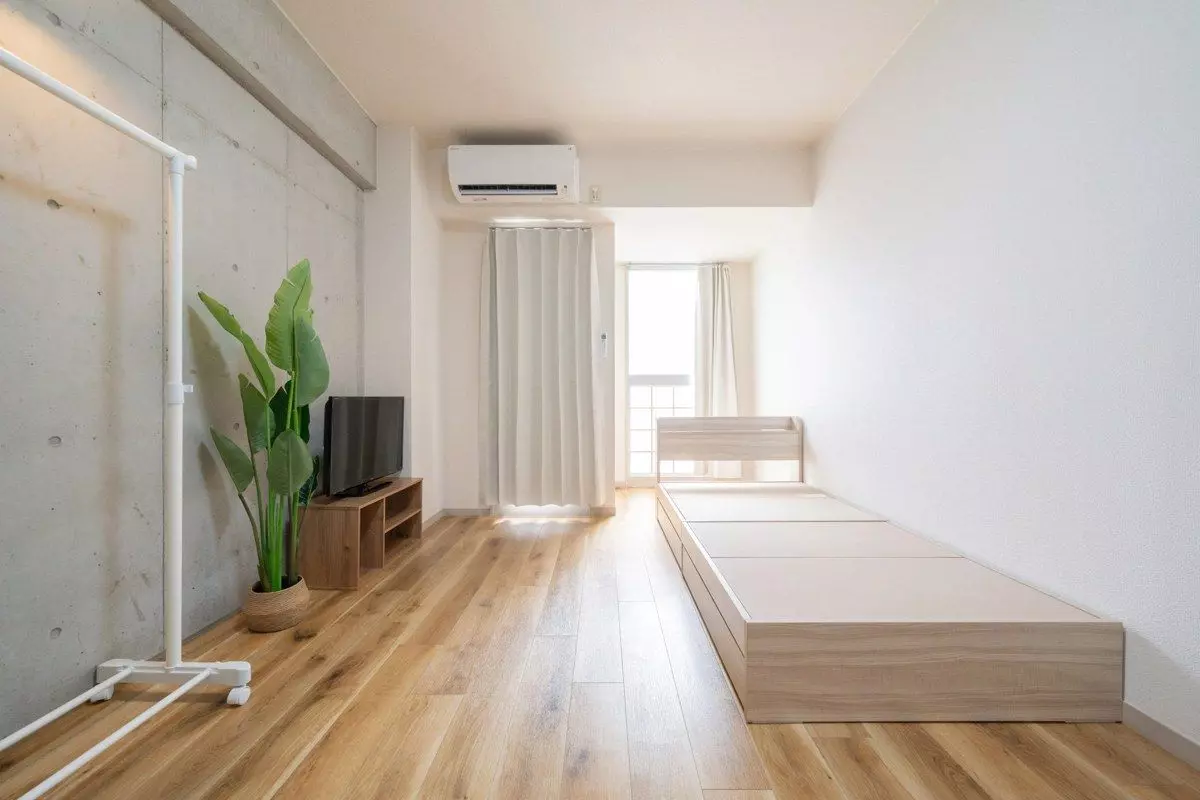
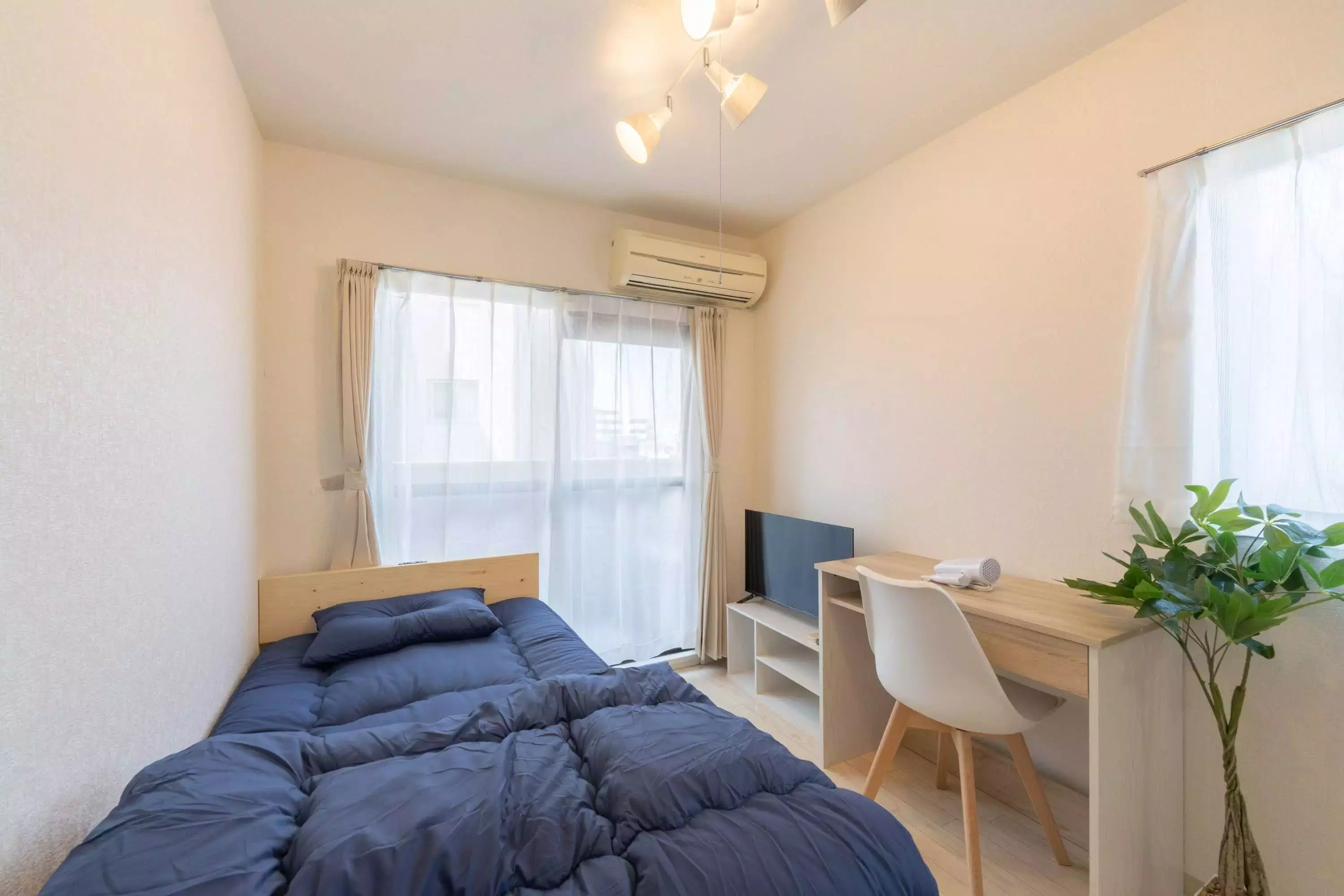
Tenants do not need to sign individual contracts, and all facilities are available from the day they move in. Furniture and appliances are also provided, minimizing initial moving costs.
Water bills, in particular, tend to fluctuate depending on how often you shower or do laundry, so having them included in a fixed amount is a significant advantage.
A lifestyle for living alone that ensures privacy.
While the idea of a share house often conjures up images of "living with strangers," which can be unsettling for some, all Cross House properties offer private rooms, ensuring privacy. Although toilets, showers, and kitchens are shared, professional cleaning services are regularly employed, minimizing hygiene concerns and allowing for a comfortable living environment.
For those who want to maintain a reasonable distance from others while keeping costs down in an environment with well-developed infrastructure, this can be considered a well-balanced option.
Summary | Know the average and save money without overdoing it
The average monthly water bill for someone living alone is said to be around 1,500 to 2,500 yen, but this cost can vary greatly depending on lifestyle and location. Savings are possible by reviewing daily usage habits, but being overly concerned about water conservation can also become stressful.
In such cases, one option is to choose accommodation where you can manage utilities, including water, as a single package. Cross House's share houses (private room type) include water, electricity, gas, and WiFi in a fixed monthly fee. The facilities are also well-equipped, so you can start living alone with peace of mind, even if it's your first time.
If you want to achieve a comfortable lifestyle while keeping your monthly expenses constant, why not start a new life with Cross House?