Introduction | What is the average food expense for someone living alone?
For those living alone, food expenses are a particularly large burden on household budgets. This article will explain in detail what the average food budget is and whether the goal of "under 20,000 yen" is realistic. Understanding your current situation is the first step to starting smart saving.
Average food expenses for someone living alone
When you start living alone, the first thing you worry about is food expenses. Along with rent and utilities, it's a significant expense, but how much does it actually cost?
According to the Ministry of Internal Affairs and Communications' household expenditure survey, the average monthly food expense for a single person is approximately 30,000 to 40,000 yen. This includes expenses for eating out, drinking parties, and snacks from convenience stores, and many people say that their expenses are even higher in months when they eat out frequently.
Busy working adults and students, in particular, tend to rely on convenience store meals or eating out after work or classes because they're too tired to cook. The realization that "I've spent this much without even realizing it..." is a common experience for many people living alone.
Is "20,000 yen" realistic? We'll explain whether it's possible.
So, is it really possible to keep food expenses under 20,000 yen?
In conclusion, it is entirely possible if you plan carefully and focus on cooking at home. However, it is realistically difficult if your lifestyle involves eating out or buying convenience store food every day.
For example, if you eat out for every meal every day, it will cost an average of 700 to 1000 yen per meal. If you do this three times a day, that comes to 2000 to 3000 yen per day, or 60,000 to 90,000 yen per month in food expenses. However, if you mainly cook at home, you can keep the cost down to around 200 yen per meal, so even with three meals a day, it will only cost about 600 yen, or about 18,000 yen per month.
Of course, there are initial costs for seasonings, rice, and cooking utensils, but these can be used for several months once purchased, and you can further reduce costs by buying in bulk and freezing food.
Another approach is to cook breakfast and dinner at home and eat out for lunch. Even in this case, you can significantly reduce your food expenses, making "under 20,000 yen" a perfectly realistic goal.
Benefits of reducing food expenses and changes in lifestyle
Saving money on food has significant benefits beyond simply "having more money left over."
First, you can use the money you save for other enjoyable things. For example, you can use it for hobbies, save it for future travel, or buy clothes or interior decorations you like. The fact that simply reviewing your food expenses can create a budget you can freely spend is a major attraction.
Furthermore, cooking your own meals allows you to know "what you're eating," which increases your health awareness. When you cook at home, you can eat more vegetables, reduce oil, and focus on a balanced diet. Many people find that this improves their overall health and skin condition.
Ultimately, saving money on food is not just about reducing expenses; it's the first step towards a healthier, more fulfilling, and better life.
Basic principles for keeping food expenses under 20,000 yen
To keep food expenses under 20,000 yen, simply saving money haphazardly won't work. This article explains the basic principles, mindset, budgeting methods, and the importance of cooking at home. Understanding these will help you start a sustainable lifestyle.
A lifestyle centered around cooking at home is key.
The most important thing to keep your food expenses under 20,000 yen is, without a doubt, cooking your own meals.
If you cook at home, you can keep the cost down to around 200 yen per meal. For example, by using inexpensive and nutritious ingredients such as chicken breast, bean sprouts, and eggs, you can keep the cost down even including a main dish and side dishes.
Furthermore, cooking in batches and freezing them saves you the trouble of cooking every time. While cooking at home is often perceived as a chore, in reality, with a little ingenuity, you can significantly reduce both time and effort.
Compared to eating out, you can reduce your salt and oil intake, which offers significant health benefits.
Key points and usage of budget setting
Even if you want to keep costs down, you'll end up wasting money if you don't have a specific budget in mind. First, decide on a monthly food budget of 20,000 yen, which works out to about 670 yen per day. Using this amount as a baseline, you can aim to spend about 220 yen per meal.
For example, when shopping at the supermarket, setting a goal of "spending around 5,000 yen per week" will naturally prevent you from making unnecessary purchases. It's also recommended to decide on your menu for the week in advance and create a shopping list.
"Time" and "Effort" to be mindful of when living frugally
We often hear people say, "Cooking at home takes time and is tiring." However, if you know the key points, it can be surprisingly less of a burden.
For example, you can prepare meals in advance on the weekend. If you marinate and freeze meat, cut and store vegetables, and prepare stews and salads all at once, weekday cooking will only require warming up or a quick finish. This makes it easier to continue cooking at home even on days when you get home late from work or school.
Furthermore, one-pot dishes (dishes that can be made in a single pot) and rice bowl dishes require less washing up and shorten cooking time.
In addition to saving on food expenses, reducing housing costs is a major way to lower expenses when living alone. Cross House keeps initial costs and monthly rent low, making it easier to lighten the overall burden of living expenses and leaving room for other expenses such as food.
Search for a room
Only furnished properties with appliances are listed!
How to choose and purchase ingredients to keep your budget under 20,000 yen
To keep food costs down, choosing the right ingredients and purchasing them carefully is crucial. This article provides detailed explanations on how to select inexpensive yet nutritious ingredients, shopping tips, and how to utilize freezing techniques. It's packed with hints for healthy eating while minimizing waste.
What are some inexpensive and nutritious foods?
For example, bean sprouts are very cheap, costing around 30 yen a bag, and can be used in a wide variety of dishes such as stir-fries, soups, namul, and hot pot. Tofu is also reasonably priced at around 50 to 100 yen per block and is rich in protein. There are endless ways to use it, such as in chilled tofu, mapo tofu, or as an ingredient in miso soup.
Chicken breast is packed with healthy protein. If you season it and freeze it, you can use it in a variety of ways, such as grilling, steaming, or stir-frying.
Keeping these inexpensive yet nutritious ingredients on hand adds variety to your meals, allowing you to save on food costs and manage your health at the same time.
Tips and methods for buying and choosing vegetables
Choosing seasonal vegetables is the best way to find them cheaply, nutritious, and delicious. For example, tomatoes, cucumbers, and bell peppers are inexpensive in the summer, while Chinese cabbage, daikon radish, and spinach are cheap in the winter. Pre-cut vegetables and salad packs are convenient, but they tend to be more expensive, so be mindful of that.
Another good strategy is to take advantage of supermarket sale days and closing time sales.
Furthermore, choosing vegetables that can be frozen is also important. Broccoli, spinach, and mushrooms, for example, can be frozen raw or lightly blanched and then frozen for long-term storage.
Frozen foods and how to use them for storage
Some people associate frozen foods with being expensive and low in nutrients, but they are actually a very smart way to save money. For example, frozen vegetables cost around 200 yen per bag, and you can use only what you need, so there is no waste. This is especially true for people living alone, who often end up wasting vegetables they can't eat all of, but with frozen vegetables, you don't have to worry about that.
Another very effective method is to freeze the ingredients you buy yourself. If you buy chicken breast in bulk, divide it into single-serving portions, season it, and freeze it, you can simply thaw and cook it when you want to eat it right away.
Vegetables can also be prepared according to their intended use; for example, carrots can be thinly sliced and frozen, or spinach can be blanched and frozen in small portions.
How to buy in bulk and create a shopping list
Do you ever find yourself buying more than you need every time you go to the supermarket? To prevent this, bulk buying and making a shopping list are key.
Roughly plan your meals for several days and make a list of only the necessary ingredients. Writing things down specifically will prevent unnecessary purchases and help you stay within your budget.
Buying in bulk is also advantageous because you can take advantage of special offers and large-capacity packs. Any leftovers can be frozen and used without waste.
How to choose between eating out and bringing packed lunches? Tips for living alone.
Many people probably think, "It's difficult to completely stop eating out..." Here, we'll introduce ways to save money without eliminating eating out entirely, techniques for preparing bento boxes in advance, and clever ways to manage meals and food, especially for those living alone.
Reasons why you don't have to eat out completely
Completely eliminating eating out reduces the enjoyment of life and leads to increased mental stress.
Living alone can easily lead to loneliness, so occasional meals out play a significant role in changing your mood and refreshing yourself.
For example, simply eating out once a week as a "reward" for yourself can add variety and motivate you to stick to a frugal lifestyle. Going out for lunch with friends or to your favorite cafe can relieve stress, provide new stimulation, and make you feel like you can "try again."
How to prepare and carry your lunch in advance
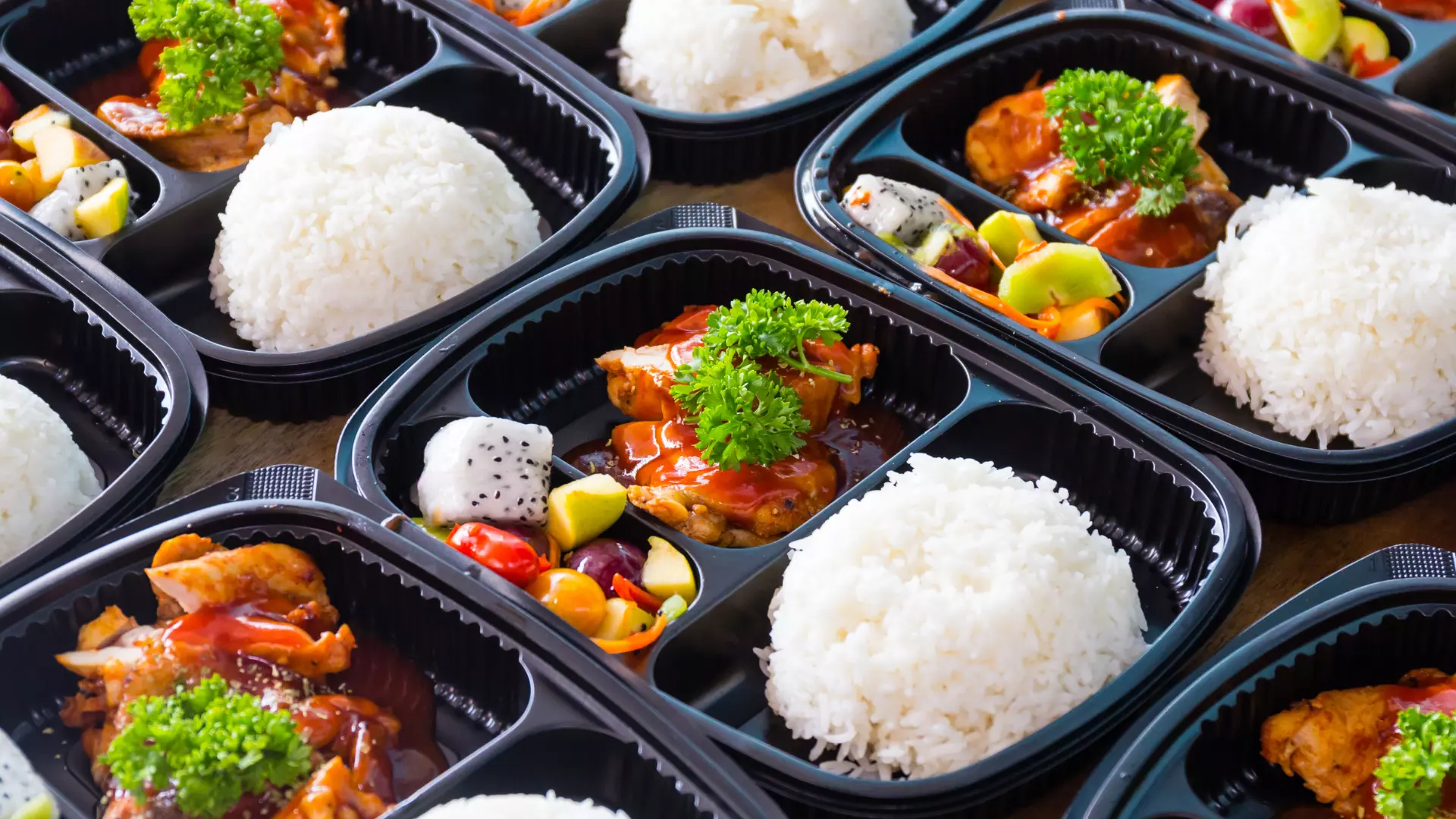
If you prepare your own lunch at home, you can keep the cost down to around 200 to 300 yen per meal, saving you tens of thousands of yen a year.
If you prepare the main dish and side dishes the night before, all you have to do the next morning is pack the rice. By packing the dishes you used for cooking directly into your bento box, you can avoid the hassle of cooking twice.
Furthermore, using insulated bags or containers can help reduce the risk of food poisoning during the summer months, allowing you to transport your lunch more deliciously and safely. Recently, 100-yen shops have a wide variety of convenient lunch-related items, so you can get creative without spending a lot of money.
Points that can be saved significantly just by reviewing "how you use them"
One thing that's surprisingly easy to overlook is reviewing how you use things. For example, if you have too many different kinds of seasonings, you're likely to end up wasting them because you can't use them all. By limiting yourself to basic seasonings like soy sauce, mirin, sake, sugar, salt, and vinegar, you can make many Japanese dishes and stir-fries, preventing you from buying more than you need.
Also, while convenience store pre-portioned meals are convenient, they are expensive. You can make enough food for several meals by buying ingredients for the same amount of money. Furthermore, by utilizing freezing and bulk buying, you can save both time and money. For example, simply preparing and freezing ingredients bought in bulk will significantly reduce the number of times you rely on eating out or convenience stores.
Search for a room
Only furnished properties with appliances are listed!
Examples of satisfying home-cooked meals for under 20,000 yen
For those who want to keep their meals under 20,000 yen but don't want bland food, we introduce some inexpensive and delicious home-cooked meal ideas. From easy recipes for beginners to rice bowls and make-ahead side dishes, this guide is packed with tips to make everyday meals more enjoyable.
Easy and inexpensive recommended meal plans
Simple set-meal style meals like "teriyaki chicken breast," "stir-fried bean sprouts," and "miso soup" are easy to stick to even when living alone. Chicken breast seasoned with a sweet and savory sauce goes well with rice. Stir-fried bean sprouts have a delightful crunchy texture and one bag is enough to make a meal more substantial.
Choosing inexpensive yet nutritious ingredients like seaweed, tofu, and green onions for miso soup will warm you up and increase your satisfaction. Furthermore, changing the ingredients of your miso soup daily will prevent you from getting bored and allow you to continue eating it regularly.
Easy-to-follow make-ahead menus for everyday use.
For those short on time, "pre-made meals" are a lifesaver. For example, Japanese side dishes such as simmered dishes (like simmered daikon radish or chicken), stir-fried hijiki seaweed, omelets, and kinpira gobo (braised burdock root) can be stored in the refrigerator for 3-4 days or in the freezer for about 2 weeks. Having pre-made meals on hand means that on busy mornings or tired evenings, you can quickly prepare a balanced meal of one soup and three side dishes simply by heating it up.
Furthermore, the appeal of meal prepping is that you can enjoy "slightly different combinations." If you prepare several dishes at the beginning of the week, your daily plate will change, making it easier to stick with it without getting bored.
Utilizing à la carte dishes and rice bowls
On days when you're too tired to do anything, single-dish meals or rice bowls are perfect. For example, oyakodon (chicken and egg rice bowl) can be made quickly with just chicken, eggs, and onions, and the ingredients cost about 150 yen per serving. Gyudon (beef bowl) and mapo don (mapo tofu bowl) can also be made quickly with just a few ingredients and seasonings.
Donburi (rice bowl dishes) allow you to enjoy rice and side dishes in one bowl, reducing the amount of washing up and saving both time and effort. The variety expands simply by changing the ingredients, and it's cost-effective, making it a perfect choice for those living alone.
Tips for choosing ingredients that even cooking beginners can use
For beginner cooks, the most important thing is to choose recipes that use few ingredients and are less likely to fail. For example, one-pot dishes such as stir-fries, stews, and rice bowls can all be cooked in one pot or pan, and the seasoning is simple.
Furthermore, one-pot cooking has fewer steps, making cleanup easy, which is a major advantage. Even those who are not good at cooking can easily try it, and accumulating successful experiences makes it easier to make cooking at home a habit.
For busy people! Budget-friendly cooking methods for days when you're short on time.
Even if you're too busy to cook, don't worry! Here, we'll share quick and easy recipes, tips on using frozen ingredients, and ways to cook even when you're tired—money-saving techniques that you can easily incorporate into your busy lifestyle.
Menus that can be made in 5 to 10 minutes
"I'm so tired after work or school, I don't feel like cooking..." Even on days like that, it's important to keep cooking for yourself. Actually, there are plenty of easy recipes that can be made in just 5 to 10 minutes.
For example, a stir-fry using pre-cut frozen vegetables and eggs requires no knife and minimal washing up. Seasoning with just salt, pepper, and soy sauce is delicious enough, and if you have time, adding a little sesame oil at the end will enhance the aroma.
Furthermore, even just natto rice and instant miso soup make a perfectly balanced meal. Natto is rich in protein, natto bacteria, and vitamins, so it alone completes the "one soup, one rice" meal.
The important thing is not to aim for "cooking at home = making it perfectly," but to aim for "continuing to do it."
Uses for frozen vegetables and frozen rice
For those living alone, frozen rice and frozen vegetables are essential. You can cook a large batch of rice, wrap individual portions in plastic wrap, and freeze them; then you can simply heat them in the microwave whenever you need to. During busy mornings, you can even make rice balls to take with you. With rice balls, you can easily change the fillings to avoid getting bored.
Frozen vegetables are versatile and can be used in a wide range of dishes, including stir-fries, soups, curries, and stews. Using pre-cut vegetables eliminates the need for knives and cutting boards, making preparation and cleanup incredibly easy.
Home cooking methods you can do even when you're tired
On days when you're feeling really tired, I recommend recipes that don't require a knife or hot pot dishes.
For example, with hot pot dishes, all you have to do is put the ingredients in a pot and simmer them. If you use commercially available hot pot soup base, seasoning is easy, and you can complete a dish by simply combining leftover vegetables, frozen meat, or tofu from the refrigerator. Cleanup is also easy as you only need to wash one pot.
It's also a good idea to use canned goods, pre-cut vegetables, and ready-made stews and miso soup. On days when you're tired, it's important not to "try too hard," and having convenient ingredients on hand will prevent you from "ending up relying on eating out or convenience stores." By creating an environment where you can "cook even when you're tired," you can develop the habit of cooking at home without feeling overwhelmed.
Search for a room
Only furnished properties with appliances are listed!
Summary | Live smartly by keeping your food expenses under 20,000 yen when living alone.
Keeping your food expenses under 20,000 yen while living alone might seem like a daunting task at first glance. However, the key is not "self-denial," but "ingenuity."
By focusing on home cooking, choosing inexpensive yet nutritious ingredients, and reviewing your shopping plans and time management, anyone can achieve this goal without difficulty.
By incorporating techniques such as freezing food, using easy recipes, and preparing meals in advance, saving money becomes much easier and more enjoyable. Furthermore, using the money saved on hobbies, savings, travel, and other enjoyable activities will enhance the overall quality of your life.
Many people may associate "saving money" with "something difficult" or "a dull life," but in reality, it's also an opportunity to enhance the value of "delicious, fun, and healthy" living.
Try it for just one week, starting today. A little awareness and action can surely make a big difference in the quality of your life and your diet.