
Can university students live alone without financial support from their families?
When we think of university students living alone, we often assume they receive financial support from their parents. However, in reality, many students live without any such support. They have to cover all their expenses, including rent, food, and utilities, which requires strong budgeting and time management skills. However, with some ingenuity, it is entirely possible to manage their finances and live comfortably on their own.
Below, we will explain in detail the realities of students who do not receive financial support from their families, and the mindset needed to support independent living.
How many students don't receive financial support from their families?
According to surveys by the Ministry of Education, Culture, Sports, Science and Technology and other organizations, 30-40% of university students receive no financial support from their families or only a very small amount. The amount of financial support varies depending on the family's economic situation, parental policies, and the student's own wishes. In particular, many students who move from rural areas to universities in urban areas supplement their overall living expenses with part-time jobs or scholarships.
In other words, living alone without financial support from family is by no means unusual; it's a realistic option that many students choose.
Is it impossible to live alone without financial support from family?
In short, it's not impossible, but it requires planning and effort.
If you don't receive financial support from your family, you'll need to earn all your living expenses yourself, making part-time jobs and scholarships essential. You'll also need to find ways to reduce fixed costs such as rent and food.
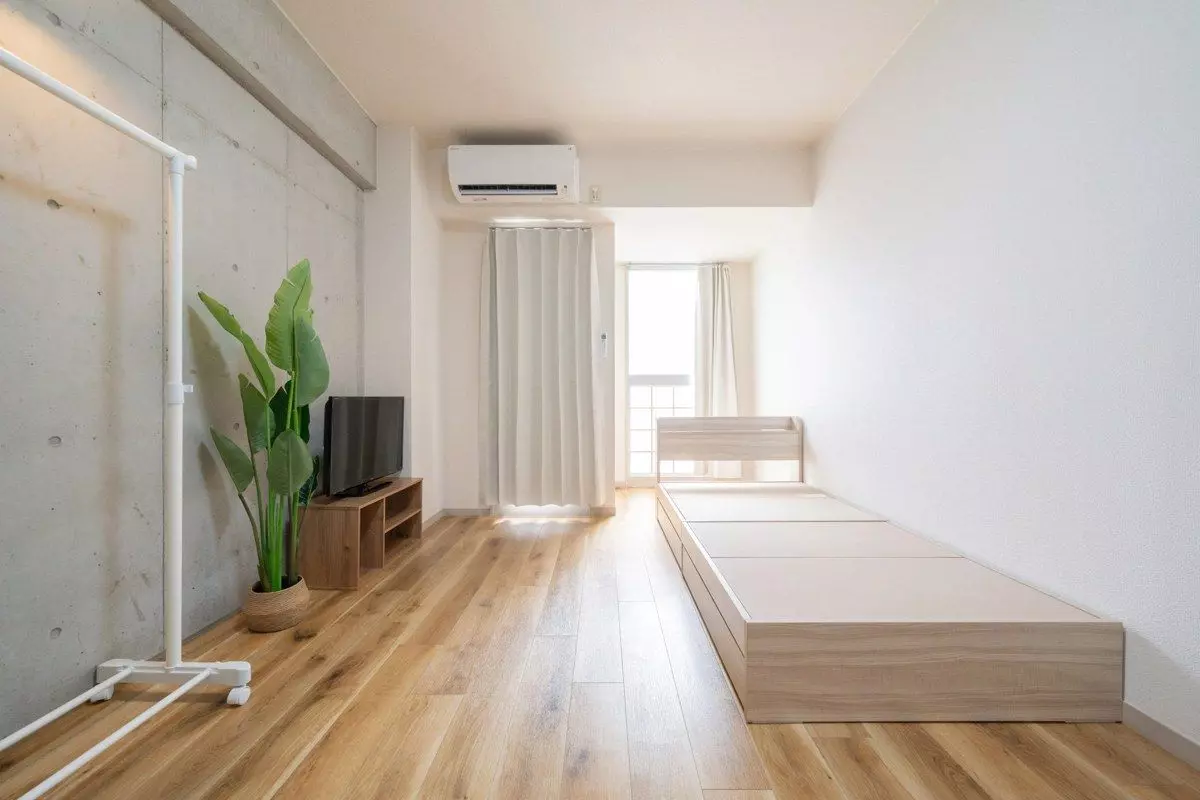
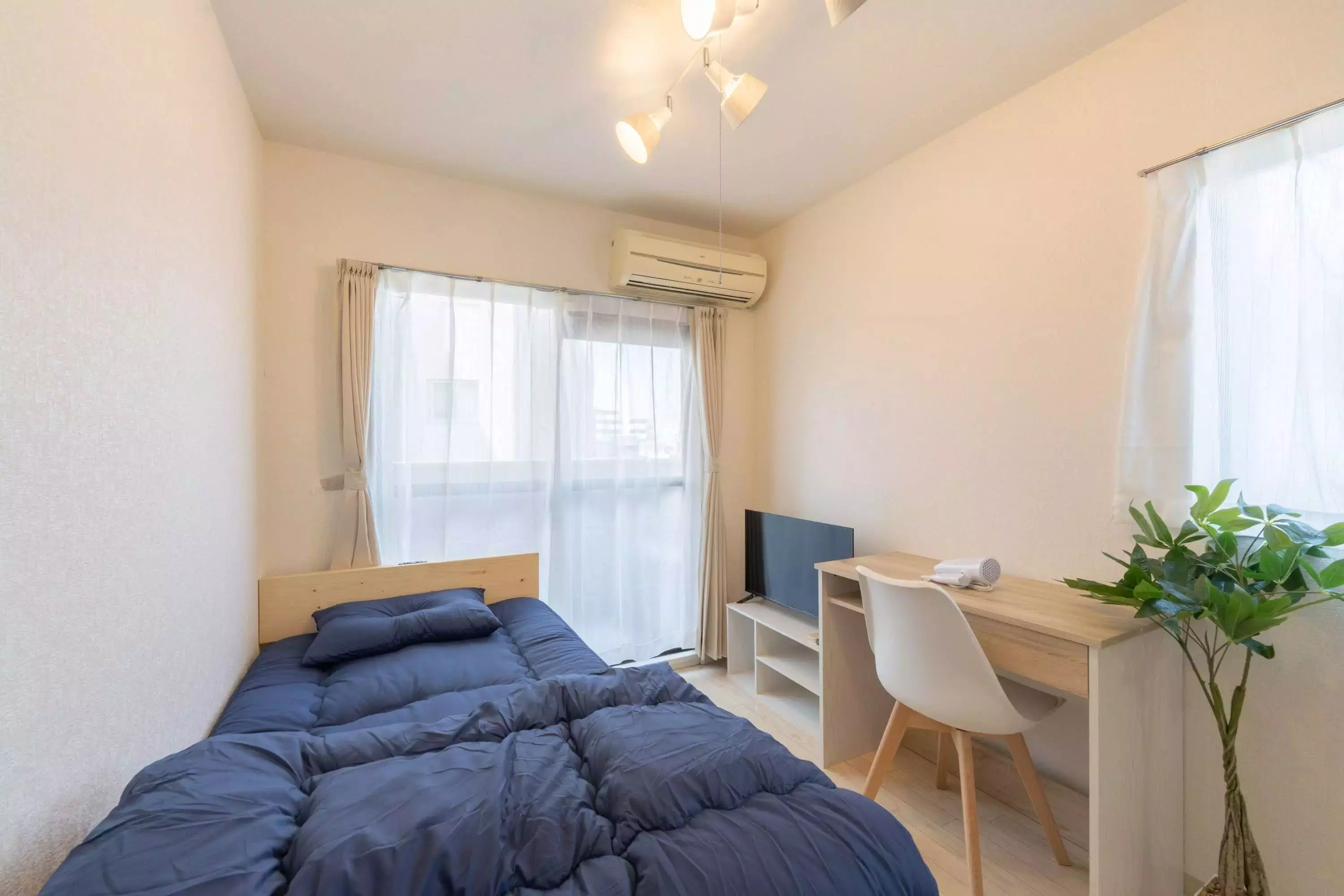
For example, you can reduce initial costs by choosing a furnished apartment, or save on food expenses by using the school cafeteria or cooking your own meals. While this may leave you with less financial leeway, it also presents a great opportunity to develop life skills and a sense of responsibility.
Mindset for living an independent life without relying on parents
Living alone without financial support from family requires essential planning skills and a determination to accomplish things on your own. Relying too heavily on part-time jobs can negatively impact your studies, so time management and prioritizing are crucial.
It's also important to know who you can rely on or who to consult (such as your university's student support center) when you're in trouble. By not being afraid of failure and learning through trial and error, you can develop life skills and grow into an independent person who is one step ahead of the rest of society.
Estimated costs for living alone [Initial expenses and monthly living expenses]
For university students starting to live alone without financial support from their parents, the first thing they need to understand is the "overall picture of their finances." Initial costs incurred when signing a lease for accommodation, as well as monthly fixed and variable expenses, are crucial factors that will affect their lifestyle. In particular, there are significant differences in rent and living expenses between urban and rural areas, so it is necessary to understand the average costs in each area.
This section provides a detailed explanation of the initial costs of living alone, the breakdown of monthly living expenses, and how costs vary depending on the region.
How much are the initial costs? (e.g., security deposit, key money, moving expenses)
The initial costs involved in starting to live alone are generally estimated to be equivalent to "4 to 6 months' rent."
Specifically, it's common to need about three months' worth of rent for the security deposit, key money, and brokerage fees, and another one to two months' worth for furniture, appliances, and moving expenses.
If your monthly rent is 60,000 yen, you should ideally have at least 250,000 to 300,000 yen saved up. Choosing a furnished apartment can help reduce initial costs, making it a good option for budget-conscious students.
Breakdown of monthly living expenses (rent, food, utilities, communication costs)
The average monthly living expenses for someone living alone are around 100,000 to 120,000 yen.
The largest expense is rent (50,000 to 70,000 yen). This is followed by food expenses (20,000 to 30,000 yen), utilities (5,000 to 8,000 yen), and communication costs (smartphone + Wi-Fi, approximately 7,000 to 10,000 yen).
In addition to these, variable expenses such as daily necessities, entertainment expenses, and transportation costs are also necessary. For students with limited income and no financial support from their families, minimizing these expenses is key to a stable life.
Average cost of living by city (comparison between Tokyo and regional cities)
Living expenses vary greatly depending on the area you live in. In major metropolitan areas like Tokyo and Osaka, the average rent for a studio apartment is 60,000 to 80,000 yen, and the total cost of living can reach 120,000 to 150,000 yen per month.
On the other hand, in regional cities, rent is cheaper, around 30,000 to 50,000 yen, and overall living expenses can often be kept down to 80,000 to 100,000 yen. Since the necessary living expenses vary greatly depending on the location of the university, it is important to research the average rent and cost of living in the area before enrolling.
Search for a room
Only furnished properties with appliances are listed!
Money-saving tips for managing without financial support from family
Living alone without financial support from family means managing daily life on a limited income. How well you can reduce monthly expenses such as rent, food, utilities, communication costs, and entertainment is crucial for financial stability. Reviewing fixed costs is the first step in saving money. Furthermore, cleverly utilizing student-specific benefits and systems can help you maintain a comfortable lifestyle.
Here, we'll introduce practical tips for saving money wisely even without financial support from your family.
Lowering rent | Utilize student-friendly apartments and furnished apartments.
Rent is the biggest expense in living costs, so it's important to keep costs down.
Student-only properties and housing with rent subsidies located near universities are sometimes priced lower than general-purpose properties.
Choosing a rental property that comes furnished with furniture and appliances can also significantly reduce initial costs. Share houses and room shares are also options. By finding ways to keep rent down, it's entirely possible to live independently even with a limited income.
Saving on food expenses | Combining home cooking with school cafeteria meals
To save money on food, it's effective to reduce eating out and cook at home as much as possible. Focusing on staples like rice and pasta, and utilizing frozen vegetables and bulk buying, can help lower the cost per meal. Also, university cafeterias offer inexpensive and nutritionally balanced menus, so make good use of them for lunch and dinner.
By combining home cooking and the school cafeteria, it's possible to enjoy a perfectly satisfying diet on a monthly food budget of around 10,000 to 20,000 yen.
Reduce fixed costs by reviewing utility and communication expenses.
Among your monthly fixed expenses, reviewing utility and communication costs can lead to significant savings. The key is to compare electricity and gas contract plans and take advantage of student-specific pricing plans and bundled discounts.
Furthermore, by using a low-cost SIM card or pocket Wi-Fi, it may be possible to keep the total cost of smartphone and internet usage under 10,000 yen. By reducing unnecessary expenses according to your usage and lifestyle, you can save several thousand yen per month.
Prioritize spending on socializing and entertainment.
For students without financial support from their families, completely eliminating social and entertainment expenses is unrealistic. However, simply reviewing unconscious spending, such as "attending every event" or "paying for things without really thinking about it," can make a big difference.
Prioritize your spending by utilizing free Wi-Fi hotspots and events, and limiting subscriptions to services you truly use. The key to a sustainable frugal lifestyle is to "enjoy yourself wisely" rather than simply depriving yourself.
Ways to secure income | Part-time jobs, scholarships, side jobs
To continue living independently without financial support from family, securing a source of income is essential. In particular, flexible work arrangements that can be balanced with university life, and the utilization of systems that reduce financial burdens, are crucial. With careful selection of part-time jobs, it's possible to cover part of living expenses, and combining scholarships with side jobs can lead to a stable income.
Here, we will introduce specific methods for students to secure income so that they can maintain their lifestyle without difficulty.
How to choose a high-paying, flexible-shift part-time job
To ensure a stable income, it's important to choose a part-time job that offers a high hourly wage and flexible shifts. Jobs such as tutoring, private lessons, call center work, and event staff generally offer relatively high hourly rates, allowing you to earn efficiently even with just a few hours of work per day.
Furthermore, choosing a part-time job that allows you to flexibly change your shifts to accommodate your studies and exam periods will make it easier to balance your life and academics. You can find such jobs more easily by searching on job websites using conditions such as "OK to work once a week" or "flexible shifts."
Part-time jobs that provide meals and dormitory accommodation to help with living expenses.
Part-time jobs at restaurants that provide meals are very attractive to students living alone because they directly lead to saving on food expenses. Being provided with one to two meals a day can result in savings of several thousand yen to over ten thousand yen per month.
Furthermore, some jobs at hotels, inns, and resorts offer perks such as dormitory accommodation and free utilities, potentially making it possible to reduce housing costs to almost zero. Part-time jobs that allow you to earn income while lowering your living costs are a great help for students who don't receive financial support from their families.
Types of scholarship programs and how to utilize them effectively
Scholarships are a crucial source of financial support for students who do not receive financial assistance from their families.
Typical systems include
- Loan-type loan (repayable) provided by the Japan Student Services Organization (JASSO)
- There are grant-type scholarships (non-repayable) available from the Japan Student Services Organization (JASSO).
Grant-type scholarships are available to students who meet academic and income requirements, and are especially recommended for students from financially struggling families. Since there are deadlines and required documents for application, be sure to regularly check the university's scholarship office and official information, and prepare in advance.
Side jobs and ways to utilize your skills that can be done from home
For students with limited time for commuting to school or part-time jobs, side jobs that can be done from home are an efficient source of income. By utilizing their strengths in areas such as writing, data entry, illustration, video editing, and programming, they can also improve their skills.
Furthermore, platforms like Crowdsourcing and Coconala make it easier for beginners to secure projects. Skill-based side jobs can not only provide one-time income but also contribute to future career development.
Search for a room
Only furnished properties with appliances are listed!
Things to be careful of when living alone without financial support from family
University life without financial support from family places a significant burden on students, both financially and mentally. Especially when covering living expenses independently, it's crucial to be mindful of balance in daily income and expenses, time management, and maintaining physical and mental health. Pushing yourself too hard can negatively impact your studies and overall well-being, so developing sustainable habits that allow you to live independently without undue stress is essential.
Here, we'll summarize and introduce key points to keep in mind when living without financial support from family.

Understanding the balance of income and expenses and establishing household budget management habits
The most important thing when living without financial support from family is "making your money visible." By recording your monthly income and expenses and keeping track of each category such as rent, food, utilities, and entertainment expenses, you can more easily prevent wasteful spending. You can do this by hand in a notebook, but using a household budget app makes it much easier to manage.
If you frequently use credit cards or electronic payments, be sure to pay attention to your daily spending so you don't get surprised by a bill later.
Strategies for balancing academics and part-time work without overexerting yourself.
While part-time jobs are important for earning income, it's counterproductive if they disrupt your academic balance. Working too much, especially during busy periods with classes and exams, can lead to failing courses or health problems.
Choose a part-time job with flexible shifts, and ask for time off before exams. Focus on a work style that aligns with your study schedule. To successfully balance work and studies, the key is a supportive work environment rather than focusing on the amount you earn.
Don't forget to take care of your physical and mental health.
Living independently offers opportunities for personal growth, but it can also easily lead to feelings of loneliness and pressure. In particular, a life constantly filled with part-time jobs and classes can lead to poor eating habits, lack of sleep, and health problems due to excessive stress.
Getting sick increases the risk of medical expenses and absences, so be sure to eat a balanced diet, get moderate exercise, and get enough sleep. When you're feeling unwell, it's also important to rely on friends or the university's counseling services.
FAQ
For university students living alone without financial support from their families, the biggest concern is undoubtedly balancing money and academics. Many students have similar questions, such as how much they need to earn each month, whether they need to save money, and whether they have enough money left over for hobbies.
In this chapter, we will address the real concerns of students who do not receive financial support from their families, and provide information in a Q&A format to help them plan their lives more effectively.
How much do you need to earn per month to live on?
The estimated monthly living expenses for someone living alone are around 80,000 to 120,000 yen. If you cover all of this on your own, you need to earn at least 80,000 yen per month. To earn this amount through part-time work, you would need to work about 20 hours a week at an hourly wage of 1,200 yen.
However, since you also have class and exam schedules, it's important to create a realistic income plan by utilizing scholarships and housing allowance programs as well.
How much savings do I need?
It's a good idea to have at least 100,000 yen saved up to prepare for moving expenses and unexpected costs. Especially after deducting initial costs (security deposit, key money, moving expenses, etc.), unforeseen expenses such as appliance breakdowns or medical bills can occur.
Relying solely on part-time income can leave you unable to cope with unexpected expenses, so developing the habit of saving a little bit each month will provide peace of mind.
Do you have the money to spend on leisure and hobbies?
Even without financial support from family, it's perfectly possible to enjoy leisure activities and hobbies with a little ingenuity.
For example, there are many ways to enjoy yourself at a low cost, such as taking advantage of free events, using student discounts, and purchasing items through flea market apps.
Furthermore, setting rules for expenses such as entertainment and subscriptions, such as "up to a certain amount per month," allows you to refresh yourself within reasonable limits. Taking breaks is also an important element for maintaining a healthy lifestyle in the long run.
Is it possible to maintain good grades while working a part-time job?
Balancing part-time work and academics is possible, but "schedule management" is key. It's important to choose a workplace that allows you to adjust your shifts to accommodate class and assignment deadlines and exam periods.
It's also important to determine your own limits, such as how many hours a week you're willing to work. To earn credits without letting your grades suffer, the key to success is choosing a work style that you can sustain without overexerting yourself and maintaining a "study first" attitude.
Search for a room
Only furnished properties with appliances are listed!
summary
Living alone as a university student without financial support is certainly not easy, but it is a viable option that can be overcome with ingenuity and a positive attitude. With money-saving techniques to reduce rent and living expenses, efficient part-time job choices, effective use of scholarships, and the mindset to live at your own pace without overexerting yourself, you can enjoy a stable student life.
The important thing is to understand the balance between income and expenses and create a system that allows you to be independent without overextending yourself. You can certainly have a student life that suits you even without financial support from your family.