
• About share house

Is Tokyo Beta a bad choice? Reputation and the truth | A thorough explanation of the reality of shared apartments!

Last Modified:2026.07.22

"Is Tokyo Beta (TOKYO β) bad?" — Many people may have felt uneasy when they saw this phrase appearing in their search bar. To put it simply, most of these negative reviews don't stem from the quality of the property itself, but from factors that vary depending on the design and operation of each property, such as the number of shared facilities, the manners of the residents, and the cleaning and management systems. In other words, with shared housing, most of these anxieties can be avoided beforehand depending on how you choose. In this article, we will neutrally organize the basic information about Tokyo Beta and the background of the "bad," "dirty," and "negative reviews," and then explain how to identify a shared housing that you won't regret, with a checklist. We will thoroughly explain the advantages and disadvantages of Tokyo Beta based on its features, reputation, and reviews from people who have actually lived there. If you are considering moving in, please refer to the checkpoints to avoid making a mistake.

Index

[view]

Search for a room

Basic information about Tokyo Beta (TOKYO β)

Tokyo Beta (TOKYO β) is a shared apartment brand operated by a different shared housing management company than Cross House, and is mainly located in Tokyo. It is popular because it allows people to live in Tokyo with low rent and initial costs, and is chosen by students, young professionals, and those on short-term stays who are moving to Tokyo. Let's start by summarizing the basic information.

Tokyo Beta's operating company and service overview

Tokyo Beta is a brand managed and operated by a company specializing in the management of shared housing. They operate numerous properties primarily in Tokyo, offering furnished accommodations with low initial costs. Please note that information about the operating company and rental conditions may change, so please check the official website or inquire at the time of application for the latest details.

The difference between a shared apartment and a shared house

Tokyo Beta offers a type of accommodation called a "share apartment." It's slightly different from a typical share house, so let me clarify.

  • Share house : Private room + shared living room + shared bathroom facilities (kitchen, shower, toilet, washbasin). Residents have opportunities to see each other on a daily basis.
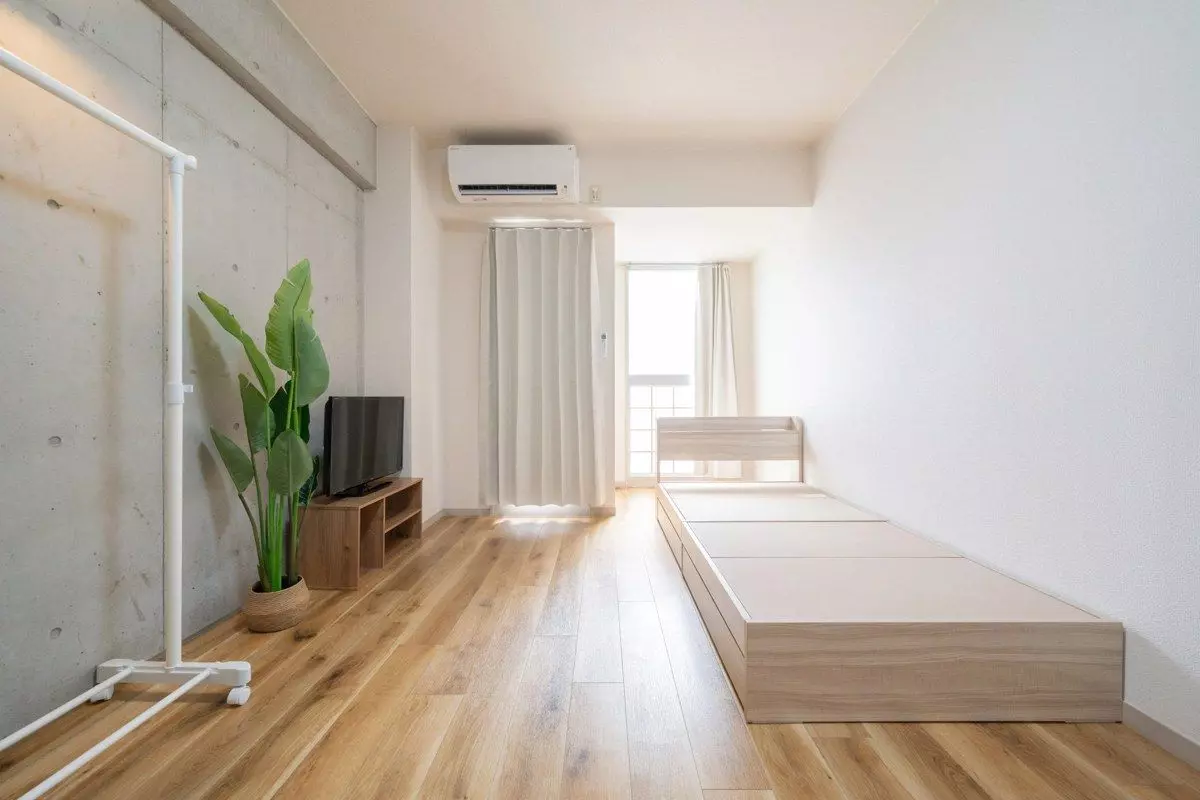
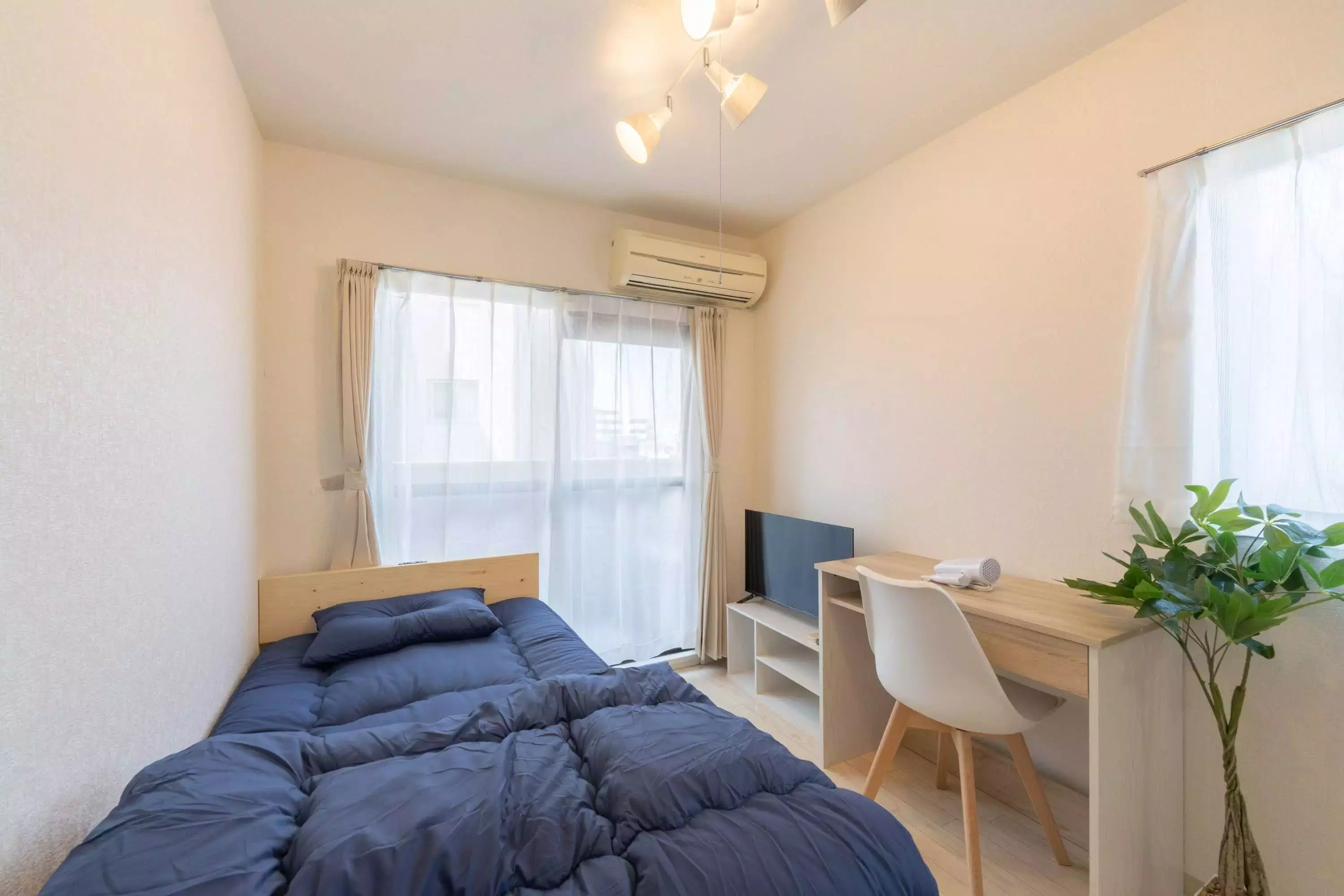
  • Shared apartment (Tokyo Beta format) : Private room + shared bathroom facilities. There is no shared living room, and each private room is equipped with a refrigerator, so the lifestyle is centered around being self-sufficient in one's own room.

The concept behind shared apartments is to "maintain the feeling of living alone while keeping costs down by sharing only the bathroom and kitchen facilities." Cross House also offers this type of apartment as the "Shared Apartment/SA-XROSS Series," which is positioned similarly to Tokyo Beta's shared apartments.

Average rent and initial costs

The rent for properties on Tokyo Beta is generally in the range of 40,000 to 60,000 yen per month. Many of these properties are renovated existing buildings, making it easier to find a balance between location and cost.

The basic fee structure is "rent + common area maintenance fee + system usage fee," and since the common area maintenance fee includes water, electricity, and shared equipment costs, the monthly expenses are designed to be predictable.

In addition to rent, there may be other charges such as contract processing fees and cleaning fees upon moving out. Since these vary depending on the property and contract terms, it's a good idea to check the total cost before applying to avoid disappointment later on.

Let's organize the reasons why people are searching for "Tokyo Beta is crazy".

The keyword "Tokyo Beta is bad" is a popular search term with a high monthly search volume. However, what "bad" means varies from person to person. In fact, much of it depends on the property's design and management system , and these are aspects that can be avoided depending on how you choose your accommodation. We have summarized three points that frequently appear in search results.

Comments regarding the number of shared facilities (toilets and showers)

Due to the design of shared apartments, toilets and showers are shared among residents. In some properties, multiple people share one set, so there may be times when people are waiting in line to use them during the morning commute or school hours.

This depends on the number of facilities relative to the number of residents, in other words, it's determined by the property's design. Even with shared housing, choosing a property with fewer residents or more spacious facilities can significantly reduce the stress of waiting in line. Knowing the conditions beforehand is crucial for a comfortable living experience.

Comments regarding noise and tenant behavior

There are also complaints about manners among residents, such as conversations and noise in common areas, and how to use the shared kitchen. These experiences vary depending on the size and layout of the property, as well as the rules set by the management company.

If you prioritize a quiet and private environment, you could choose a shared house with a living room and a manageable number of residents, or opt for an apartment with completely private rooms.

Feedback regarding management responses

The speed at which problems are reported is an important factor when choosing a place to live. Since the response time can vary depending on the size of the property and the timing, it's reassuring to check the contact channels and typical response times in case of problems before moving in.

Being able to check "contact information in case of trouble" before moving in makes a big difference in your peace of mind once you start living there. If you're looking for a share house with a living room where residents can easily connect with each other, be sure to check out Cross House as well.

Search for a room

The background behind the perception that "Tokyo Beta is dirty" and the concept of cleanliness.

Many people search using keywords like "Tokyo Beta dirty." The cleanliness of a shared apartment depends on a combination of the management company's cleaning system and how the residents use the space. Conversely, if you choose a property that is well-maintained, you can avoid this concern. Let's summarize how to tell the difference.

Frequency and operation of cleaning of common areas

In many properties, the management company arranges regular cleaning. However, the frequency and scope of cleaning vary from property to property; some are cleaned daily, while others are cleaned once a week.

Even with thorough cleaning, dirt will accumulate if residents don't clean up after using the kitchen. That's why it's important to choose a property with a solid cleaning system and well-established house rules.

Points to look for when assessing cleanliness

Cleanliness is something that's difficult to judge from floor plans alone. These days, with the increasing amount of information available online, such as photos, panoramic (360-degree) views, and customer reviews, you can get a good sense of the cleanliness without even visiting the property.

Six points you can check online

  • Condition of the kitchen stovetop and sink.
  • The condition of the plumbing in the shower room and washroom.
  • Cleanliness of the toilet
  • Status of organization of common areas
  • Rules for the garbage disposal area (are the day-of-the-week rules posted?)
  • Notices and announcements in common areas (showing how house rules are enforced)

If there are any items you're curious about, it's a good idea to ask the management company and get answers. By combining photos, conditions, and reviews, you can get a good sense of the atmosphere of the place without actually visiting it.

Points to note when reading "Tokyo Beta reviews and ratings"

Searching for "Tokyo Beta reviews" or "Tokyo Beta reputation" will bring up both positive and negative comments. To make the most of this information, here are three key points to consider when reading reviews.

Positive word-of-mouth trend

  • "The initial costs were low, making it easy to move to Tokyo."
  • "The furniture and appliances were all provided, so I was able to start living there from the day I moved in."
  • "There was an environment where I could talk to other residents, so I didn't feel lonely."

The focus is on satisfaction with cost, convenience, and human connections. The consistent theme is that it's suitable for people who want to establish a life in Tokyo in a short period of time.

Trends in negative reviews

  • "There's a queue for the showers."
  • "There was something about the residents' manners that bothered me."
  • "The walls are thin, so I can hear everyday noises."

This section mostly discusses facilities, residents, and building structure, all of which vary depending on the property's design, size, and management system. These can be assessed to some extent during the property selection process.

Assessing the reliability of personal accounts.

Since reviews are based on individual experiences, ratings for the same property can vary depending on the move-in date and the composition of the residents. When reading reviews, consider the following points to avoid making incorrect judgments.

Three key aspects to check when reviewing a PI (Linked Post).

  • When was the review written? (The building's age and management policies may have changed since then.)
  • Which property and which room type? (Even within the same brand, the conditions can vary greatly.)
  • Is the cause of the dissatisfaction "related to the management company" or "specific to the property"?

The experience of living in a place varies depending on when you move in and the composition of the residents. It's difficult to make a decision based on just one review, so it's best to calmly consider a combination of photos, conditions, and multiple reviews.

Search for a room

Tenant screening, contract terms, and move-out rules

Keywords such as "Tokyo Beta screening" and "Tokyo Beta move-out" are also common search terms. Here are three points to keep in mind before signing a contract.

Selection criteria and required documents

Tokyo Beta's tenant screening process is said to have more lenient requirements compared to typical rental properties. It is designed to be accessible to students, freelancers, and short-term workers, and the basic requirements are identity verification documents and emergency contact information (please check the latest conditions, including whether a guarantee company is required, when applying).

Even if the eligibility criteria are broad, a minimum level of credit check will be conducted. Since incomplete documents or discrepancies in your application may result in rejection, please ensure you provide accurate information.

What to do when rent is overdue: Key points to check in your contract

The contract outlines how late rent payments will be handled. Generally, you won't be evicted immediately; the process will involve reminders and notices of termination. The duration and conditions of these procedures vary depending on the property and contract, so it's a good idea to review the following points before signing the contract.

Clauses regarding rent arrears that you should check in your contract.

  • The timing of when collection efforts begin after arrears occur.
  • Period from notice of cancellation to eviction
  • Whether or not there are late payment penalties or cancellation fees.
  • Arrangements regarding the disposal of remaining items

It's important to note that even if you fall behind on rent payments, the landlord is not legally permitted to unilaterally change the locks and lock you out. Contract termination and eviction proceed according to proper procedures such as demands and notices. This is a point you should definitely read before signing the contract, so if you have any questions when receiving the explanation, be sure to ask them at that time.

Rules for cancellation and moving out

The timing of cancellation requests, minimum contract period, cancellation fees, and the scope of restoration to the original condition vary depending on the property. If you anticipate needing to move again in the short term, it's wise to understand these conditions beforehand.

Who is a shared apartment suitable for, and who is not?

Suitable for

  • For those who want to keep rent and initial costs to a minimum.
  • For those who want to move to Tokyo without buying furniture or home appliances.
  • Someone who can live with a reasonable distance from other residents.
  • For those who want to move flexibly, from short-term to long-term.

Those who are more likely to be a good match for a different type

  • For those who prioritize a quiet and private environment.
  • People who easily get stressed out by waiting in line for shared facilities
  • People who want to cherish their own lifestyle (e.g., working from home late at night, going to the office early in the morning)

If you feel that a shared apartment might not be quite right for you, there are other housing options available. For more detailed information on how to make the right choice, please see "How to Choose a Shared House You Won't Regret! 5 Key Points to Keep in Mind ," as well as the reasons why people say "avoid shared housing," its disadvantages, and how to deal with them ." In the next section, we will introduce another option.

Search for a room

Another option: A way of living called Cross House

For those who have concerns about shared apartments, there are other options such as shared houses with living rooms or other brands with the same "private room + shared bathroom" type of accommodation. Cross House is a management company that operates three types of properties: shared houses, shared apartments, and furnished apartments. We operate in 11 prefectures: Tokyo, Kanagawa, Saitama, Chiba, Osaka, Aichi, Hyogo, Kyoto, Nara, Fukuoka, and Hokkaido, and we acquire new properties every month, continuously increasing the number of rooms you can choose from.

You can choose from three different ways of living.

  • Share house : Private rooms + shared living room + shared bathrooms. Designed to encourage natural interaction and communication among residents. Rent from 24,800 yen.
  • Shared apartment (SA-XROSS series) : Private room with lock + shared bathroom facilities (no living room). Similar to Tokyo Beta, the appeal is "a feeling of living alone + cost reduction." Rent from 40,000 yen.
  • Furnished apartments : One-room/1K apartments with private rooms and bathrooms. Ideal for those who prioritize privacy. Rent from 50,000 yen.

You can choose with peace of mind without having to spend a lot of time viewing the property.

Cross House has a system in place that allows people who are too busy to find time to view properties, or those moving to Tokyo from far away, to decide on an apartment without having to visit our office.

Reasons why you can make a decision with confidence without visiting the store

  • Find out the details online : You can check floor plans, photos, panoramas, rent, and shared facilities on the official website.
  • Complete the entire process online without visiting our store : From inquiry to contract procedures, everything can be done online.
  • Move in as little as 7 days : Start your new life quickly after applying.
  • Free transfers between properties : If you move in and it doesn't meet your expectations, you can move to another property free of charge (transfers across prefectures are also possible).

The anxiety of "What if it doesn't work out?" is greatly alleviated by having a system in place that allows you to move. First, take a look at the conditions of the rooms you're interested in online.

Features of Cross House: No security deposit, key money, or brokerage fees; move-in as short as 7 days; furnished with appliances.

item Share house Shared Apartments (SA-XROSS Series) Furnished apartment
Room configuration Private room + shared living room + shared bathroom Private room with lock + shared bathroom facilities (no living room) A fully private studio apartment/1K with a private bathroom/kitchen area.
Rent range From 24,800 yen From 40,000 yen From 50,000 yen
Monthly fee Rent + Common area maintenance fee 15,000 yen + Safety support fee 1,500 yen Rent + Common area maintenance fee 15,000 yen + Safety support fee 1,500 yen Rent + 1,500 yen safety support fee (no common area maintenance fee)
Initial cost 30,000 yen 30,000 yen 30,000 yen (with campaign discount; normally 50,000 yen)
For people like this People who want to interact with other residents For those who want to keep costs down while maintaining their privacy. Those who prefer to live completely alone

Common to all 3 types: No security deposit, key money, or brokerage fees / Move-in in as little as 7 days / Furnished with furniture and appliances / Free transfers between properties (including across prefectures) / Multilingual support (Japanese, English, Chinese, Korean) / Over 50,000 cumulative users.

We disclose costs and management structures in advance.

The concern that "it looks cheap, but will I be charged something later?" can be largely eliminated by disclosing the figures upfront. Cross House's costs and management system are as follows:

Costs and management points you should know before moving in

  • The initial cost is a one-time fee of 30,000 yen (no security deposit, key money, or brokerage fee). This is the only amount you pay upfront; it's not a refundable deposit.
  • The "Peace of Mind Support Fee" (1,500 yen per month) covers the cost of support to address any problems or issues related to your home. This fee applies to all properties on a monthly basis.
  • The costs upon moving out are fixed and predetermined : the cancellation processing fee is 16,500 yen (tax included) for share houses and shared apartments, and 55,000 yen (tax included) for furnished apartments. Since it's a fixed amount and not based on market value, you can predict the move-out costs.
  • Common areas receive weekly cleaning support : A cleaning company regularly cleans the common areas, and cleanliness is maintained through the application of beautification rules.

You can cancel your contract with one month's notice, and there are no penalties for early termination. The free transfer between properties covers the "cancellation processing fee for the previous property" and the "initial costs for the new property," and because the system does not use a guarantee company, there is no re-screening each time you move. The scope of what is "free" is clearly stated upfront, which lowers the barrier to moving.

Operating in 11 prefectures, with new properties being added every month.

We operate in 11 prefectures: Tokyo, Kanagawa, Saitama, Chiba, Osaka, Aichi, Hyogo, Kyoto, Nara, Fukuoka, and Hokkaido. Because we continuously acquire new properties every month, the available properties and room types are updated with each search. You can check the latest vacancies on our official website.

FAQ

Who is the operating company for Tokyo Beta?

Tokyo Beta is managed and operated by a company specializing in the management of shared housing. Please note that information about the operating company and application conditions may change, so please check the official website or apply for the latest details.

Why are people searching for "Tokyo Beta is crazy"?

There are three main reasons for this: the number of shared facilities (toilets and showers), the manners and noise levels of the residents, and the speed of management's response. All of these points vary depending on the property's design and management system, and can be avoided depending on how you choose your accommodation. Any concerns can be addressed by checking online information such as photos, conditions, and reviews, or by contacting the management company.

Is the Tokyo Beta screening process strict?

It is said that the requirements are more lenient than those for typical rental properties. It is designed to be easily accessible to students, freelancers, and short-term workers, and basic requirements include proof of identity and emergency contact information (please check the latest requirements, including whether a guarantee company is required, at the time of application).

If I fall behind on rent payments, will I be evicted immediately?

The details are outlined in the contract. Generally, you won't be asked to vacate immediately; the process involves a reminder notice and a notice of termination. The timing of the reminder notice, the duration of the notice period, and whether or not there are penalties vary depending on the property and contract, so it's best to check these before signing the contract.

Can I decide on an apartment without going to see it in person?

With Cross House, you can check floor plans, photos, panoramic views, rent, and shared facilities information on their official website, and proceed from application to contract without visiting their office. Even if the property doesn't meet your expectations, you can move to another property free of charge. This makes it easy for busy people and those moving to Tokyo from far away to find their perfect home.

Are there any options other than Tokyo Beta?

Instead of a shared apartment (private room + shared bathrooms), you can also consider a shared house (private room + living room + shared bathrooms) or a furnished apartment (fully private room). Cross House operates in 11 prefectures: Tokyo, Kanagawa, Saitama, Chiba, Osaka, Aichi, Hyogo, Kyoto, Nara, Fukuoka, and Hokkaido. Shared houses have an initial fee of 30,000 yen, and furnished apartments have an initial fee of 30,000 yen as part of a campaign (normally 50,000 yen). Both options include no security deposit, no key money, no brokerage fees, move-in in as little as 7 days, and furnished apartments.

summary

TOKYO β is a popular brand of shared apartments that offer furnished apartments and low initial costs, making it easy to live in Tokyo.

The reasons why people search for "terrible" or "dirty" are related to factors that vary from property to property, such as the number of shared facilities, the manners of the residents, and the cleaning system. In other words, these are things that can be avoided depending on how you choose your home. By comparing factors such as the presence or absence of a living room, the size of the property, and the type of rooms, you can more easily find a home that suits you.

For those interested in shared housing, there are options such as shared houses with a living room or fully furnished apartments with private rooms. Cross House allows you to check floor plans, photos, panoramas, and conditions online, and complete the application process without visiting the office. You can move in in as little as 7 days, and if it doesn't meet your expectations after living there, you can move between properties free of charge. There is no security deposit, key money, or brokerage fee, and furniture and appliances are included.

Because you have the peace of mind that comes from knowing you can move if it doesn't suit you, please feel free to take a look at the room conditions. You're sure to find the perfect home for your new life in Tokyo.

Contact us here

Related articles

New articles