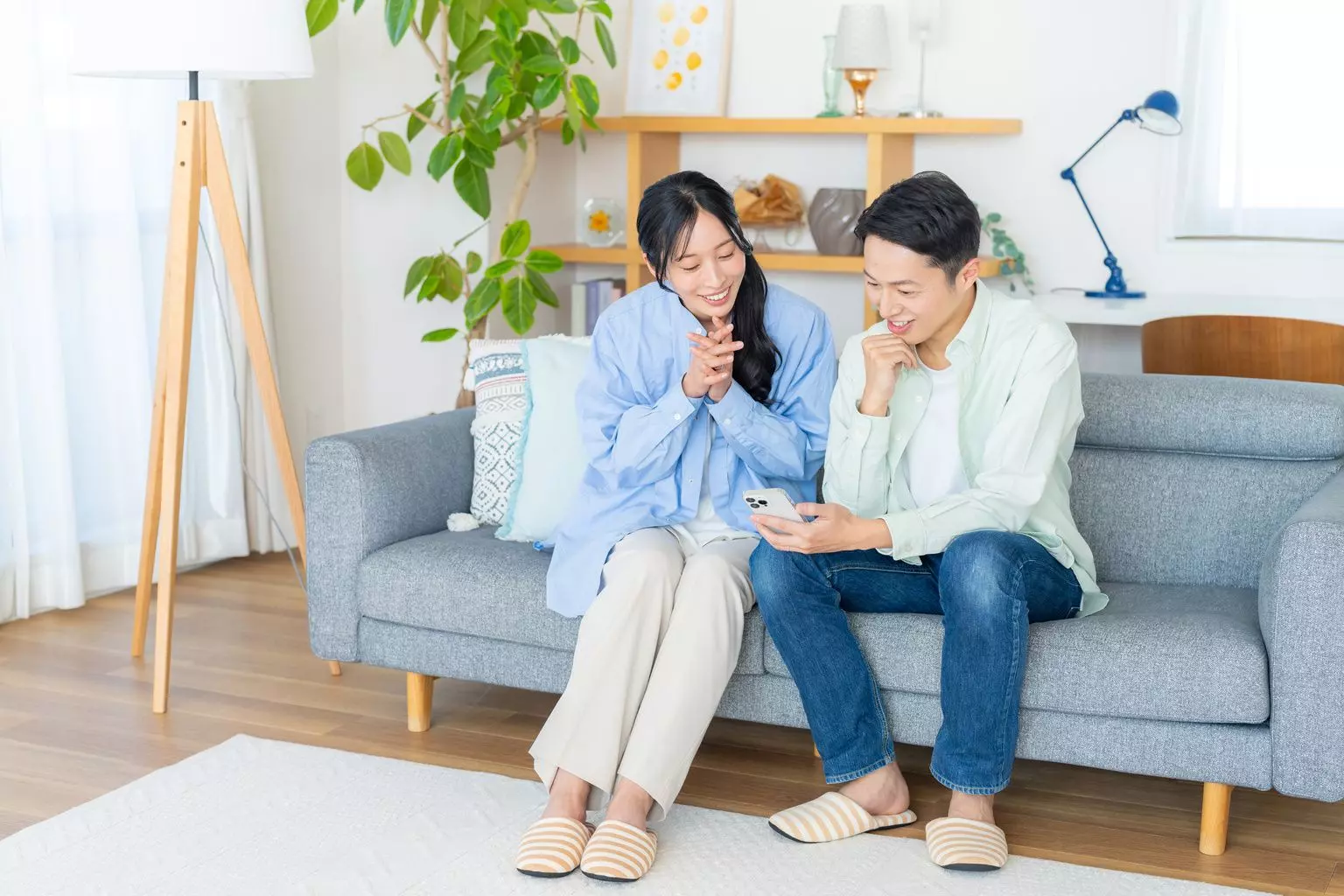
Can foreigners live in a shared house?
In recent years, the number of shared houses that accept foreign residents has been increasing, and they are welcoming foreigners who have specific goals such as "wanting to learn Japanese" or "wanting to experience Japanese culture."
In shared housing for foreigners, people from all over the world with diverse backgrounds come together and engage in lively communication.
Therefore, living in Japan will increase opportunities to share various cultures and values, and to learn languages. For those who value international exchange, a share house that accommodates foreigners is the perfect option.
Advantages of living with foreigners in a shared house
Living in a shared house with foreigners is more than just a place to live; it's a valuable space for international exchange in your daily life. Such an environment offers many learning opportunities and stimulating experiences, such as improving language skills and encountering diverse values. Furthermore, living with foreigners broadens your perspective and naturally cultivates flexible thinking and communication skills.
In this chapter, we will introduce four main benefits of living in a shared house with foreigners.
Benefit ① It helps with language learning.
One of the biggest advantages of living in a shared house with foreigners is that it's a great way to practice your language.
As you naturally increase opportunities to use English and other foreign languages in your daily life, you can acquire practical language skills. In particular, your listening and expressive abilities will improve dramatically through "real conversations" that you cannot experience in school or online learning.
Furthermore, it can easily motivate you to continue studying a language, making a shared house with foreigners an ideal learning environment for those aiming to improve their language skills.
Benefit #2: Your network of friends expands worldwide.
Living in a shared house with foreigners offers the significant advantage of naturally interacting with residents from all over the world, thus expanding your international network.
You can build trusting relationships through daily life with people from backgrounds you wouldn't normally meet through university or work connections. These relationships can become stronger than temporary roommates, potentially leading to reunions on future trips or even developing into international projects.
By staying connected through social media and video calls, you can build a global network even while in Japan. For those interested in networking, a shared house can truly be a treasure trove of opportunities to meet new people.
Benefit ③ You can learn about differences in culture and values.
Living in a shared house provides a valuable opportunity to deepen your understanding of different cultures. By living with foreigners, you will encounter cultures and values that differ from those of Japanese people, including religion, food, lifestyle, and sense of time.
You might feel surprised or confused at first, but that's precisely an opportunity to broaden your horizons.
For example, living with vegetarians or people with dietary restrictions for religious reasons deepens your understanding of diversity. Furthermore, the ability to live while respecting differences is a crucial skill in the international community. These experiences foster a global perspective and can be utilized as "practical international experience" that will be beneficial in work and study abroad.
Benefit ④ Become more sociable
Living in a shared house with foreigners requires proactive communication to overcome cultural and language differences. As a result, you naturally learn how to maintain appropriate distance from others and how to initiate conversations, and in many cases, you become more sociable than before.
In particular, when verbal communication is difficult, children learn to use nonverbal communication such as gestures and facial expressions, which helps develop their expressive and empathetic abilities. Also, through daily collaborative activities (cleaning, cooking, shopping, etc.), teamwork and consideration for others are fostered, leading to improved interpersonal skills.
For those who want to overcome shyness or improve their interpersonal skills, living in a shared house with foreigners can be a great opportunity for personal growth.
Search for a room
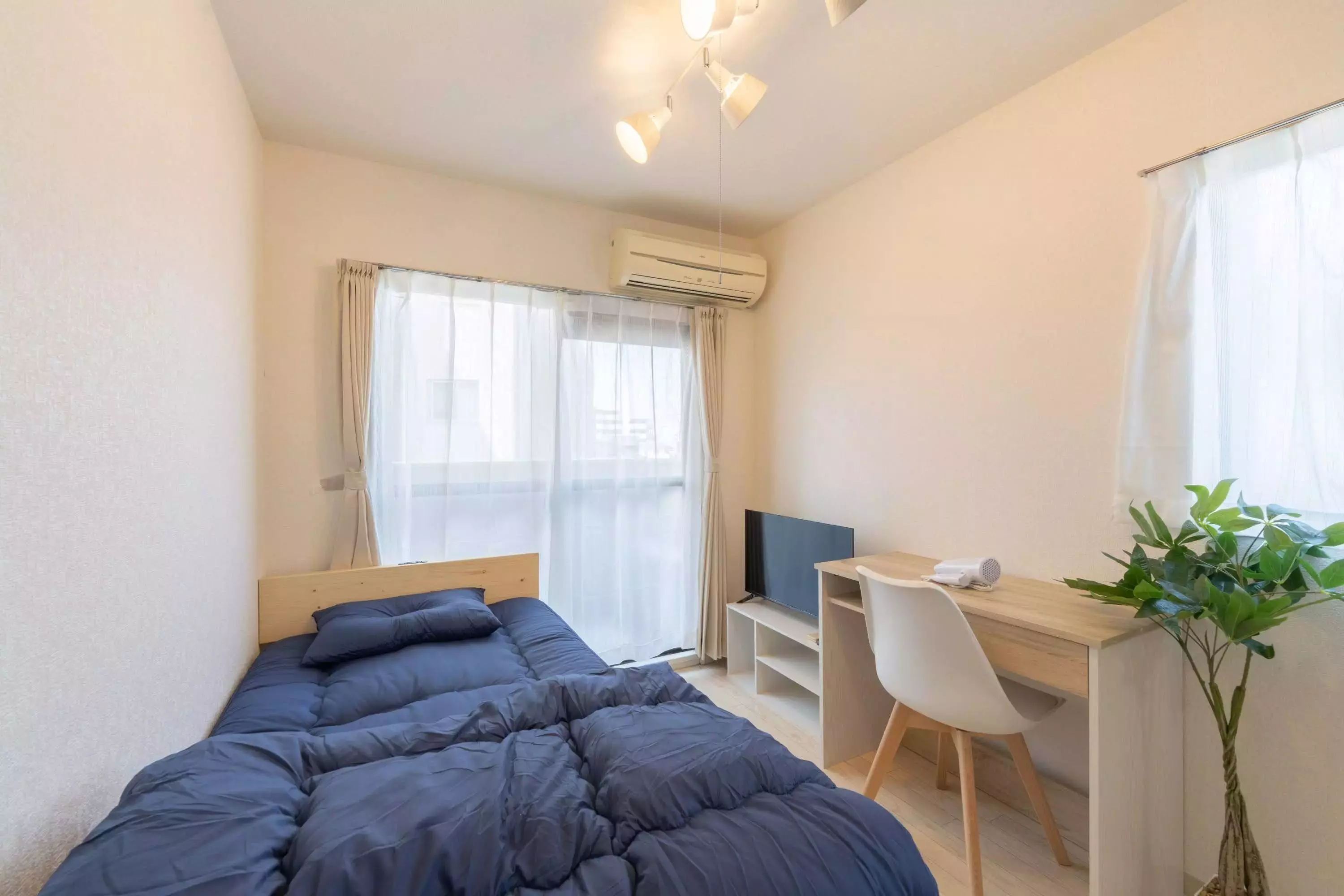
Only furnished properties with appliances are listed!
Disadvantages of living with foreigners in a shared house
Living in a shared house with foreigners often involves unexpected misunderstandings and confusion due to cultural and linguistic differences. To ensure a comfortable shared living experience, it's important to understand these challenges in advance and take appropriate measures.
From here, we will introduce in detail some of the typical disadvantages that can occur when living in a shared house with foreigners, and also explain some points to be aware of and what to keep in mind.
Disadvantage ① Communication can be difficult.
In shared housing with foreigners, communication can be difficult due to language barriers. Even if English is the common language, if neither party is a native speaker, subtle nuances and expressions may be difficult to convey, leading to misunderstandings.
For example, even if you think you've clearly explained things like household rules or the division of cleaning responsibilities, it can still cause problems if the other person doesn't understand them correctly. Also, miscommunication can lead to distance between people.
For those who lack confidence in their English skills, there may be stressful situations. Therefore, when choosing a shared house to live in with foreigners, it's important to have English support systems in place, the ability to use translation tools, and a positive attitude towards enjoying language exchange.
Disadvantage ②: Japanese common sense may not apply.
When living with foreigners, Japanese customs and manners may not always be applicable.
For example, things that are taken for granted in Japan, such as taking off your shoes at the entrance, separating and disposing of trash, and using shared spaces quietly, may be things that others "didn't know" or "didn't think were important." These cultural differences can lead to discrepancies in lifestyles and values, and can sometimes cause frustration.
Furthermore, behaviors that are natural for foreigners, such as inviting friends over late at night or playing loud music, can sometimes be perceived as annoying by Japanese people.
When choosing a shared house, checking whether there are well-established rules for residents is key to a comfortable living experience.
Common problems when living with foreigners
Living in a shared house with foreigners offers opportunities for daily multicultural exchange, but it's also not uncommon for problems to arise due to differences in culture and customs.
for example,
- "Frequently bringing friends or lovers to your room."
- "They make noise late at night, and you can hear footsteps."
- "We frequently hold parties in the shared spaces."
- "Don't wash the dishes."
- "Leaving the table messy"
- "Leaving the toilet door open," etc.
Such behavior can sometimes be perceived as a nuisance by Japanese people, and differences in perceptions of daily life manners can also be a source of trouble.
To prevent such problems, it is important to clearly define the rules within the shared house in advance and, if necessary, to coordinate with the management company or operating staff to hold discussions.
When living in a shared house for foreigners, be sure to understand that each housemate has different customs and values, and try to be open-minded.

Search for a room
Only furnished properties with appliances are listed!
Tips for living in a shared house for foreigners
Understanding the advantages and disadvantages of living with foreigners is crucial, as is learning how to live together harmoniously. To live successfully with foreigners, it's essential to overcome language and cultural differences and deepen mutual understanding.
Here are three helpful tips for living in a shared house designed for foreigners.
Don't reject the other person's values.
Living in a shared house with foreigners means you'll be exposed to different cultures and customs on a daily basis. Actions and values that you take for granted in Japan may not be the same for others. Therefore, even if you encounter a way of thinking that you find difficult to understand, it's important to accept it without immediately rejecting it, thinking, "That's one way of thinking."
For example, even if there are differences in religion, diet, or how people spend their time, respecting these differences can lead to good relationships. Unilaterally imposing Japanese rules and customs can easily cause friction.
Embracing diversity and fostering mutual understanding are key to a smooth shared house experience with foreigners.
Actively express and listen to feelings
In a shared house, even small misunderstandings and disagreements can lead to trouble. Especially when there are language or cultural differences, the idea that "they'll understand without me having to say anything" simply doesn't work. It's important to be proactive and communicate anything that concerns you or anything you want to ask, even if it's just in simple words, without hesitation.
Furthermore, building trust comes from having the attitude to listen carefully to the other person's feelings and intentions. By confirming "why they do that" and "what they think" during the conversation, you can avoid unnecessary trouble.
Even when there is a language barrier, making an effort to communicate using gestures or translation apps fosters trust when living together.
Don't be overly sensitive to the rules
Rules are important in communal living, but when sharing a house with foreigners, being too fixated on minute rules can become a source of stress. Because of differences in culture and values, there are situations where "unspoken understandings" or "common sense" don't work, unlike among Japanese people.
Therefore, rather than demanding perfect adherence to rules, flexibility and an open mind that accepts the other person's actions are required. Of course, discussions are necessary regarding aspects that disrupt daily life, such as the use of shared spaces and noise issues, but being overly sensitive about minor details can actually strain relationships.
Maintaining a comfortable distance while still sharing rules requires a sense of balance.
Top 5 Real Estate Companies Operating Share Houses Suitable for Foreigners
"I want to find a share house that accepts foreigners, but I don't know which company is trustworthy..." For people like you, we have carefully selected and introduced reputable share house management companies that actively accept foreign residents.
These services cater to needs such as improving language skills, international exchange, and multicultural coexistence. Please check the support system, service area, and move-in conditions as well, and search for properties that suit you.
1. Borderless House
Borderless House is an international exchange-type share house with locations in Tokyo, Kansai, Sendai, and also in South Korea and Taiwan. The ratio of Japanese to foreign residents is adjusted to be 50/50, allowing for daily multicultural exchange. Emphasis is placed on communication among residents, making it ideal for those who value "learning" language and intercultural understanding. A comprehensive support system is also in place, including online consultations and property introductions by staff.
2. Oakhouse
Oakhouse operates numerous share houses boasting a high international occupancy rate of over 40%. Many properties do not require a security deposit, key money, or guarantor, and are fully furnished with appliances and Wi-Fi, making them ideal for those who want to keep initial costs down. The website offers a comprehensive search function tailored to your desired conditions, making it easy to find properties suitable for foreign residents. In Tokyo, there are many properties available in popular areas such as Ikebukuro, Shinjuku, and Ueno. You can search for properties while viewing the sitemap.
3. Sakura House
Sakura House is a monthly rental share house exclusively for foreigners, with approximately 1,000 rooms in Tokyo and Kyoto. You can search for properties in detail, including female-only properties and properties within a 5-minute walk from the station. It's particularly popular with short-term stays, international students, and business travelers, with flexible contracts starting from one month. English-speaking staff are available, so even those who are not confident in their Japanese can use the service with peace of mind. Inquiries and property viewing reservations can be made smoothly through the website.
4. SHARE STYLE
" SHARE STYLE " operates share houses in Tokyo, Chiba, and Kanagawa, primarily the "ARDEN" series, which has a high proportion of foreign residents, targeting people interested in language learning and international exchange. With numerous English conversation activities and events among residents, it's ideal for those who want to learn English through real-life conversations. Designed with an emphasis on interaction with housemates, it truly offers a "learn while you live" experience.
5. Ichii Group (J&F House)
J&F House , an international exchange-style shared house operating since 2000, has approximately 600 rooms across Tokyo and Osaka. It welcomes residents from over 100 countries worldwide, making it ideal for those who want to build a multinational network. The lively atmosphere encourages interaction among residents, providing a perfect environment for deepening cross-cultural understanding and language skills. With a comprehensive support system in place, even first-timers can feel at ease.
Search for a room
Only furnished properties with appliances are listed!
summary
Living in a shared house with foreigners offers many advantages, including language acquisition, international exchange, and understanding diverse values. However, misunderstandings can arise due to differences in lifestyle and manners, making flexible thinking and effective communication essential. Understanding others and embracing cultural differences will make your shared house experience richer and more meaningful.
If you want to cultivate a global perspective or build new relationships, you should definitely consider a shared house designed for foreigners.