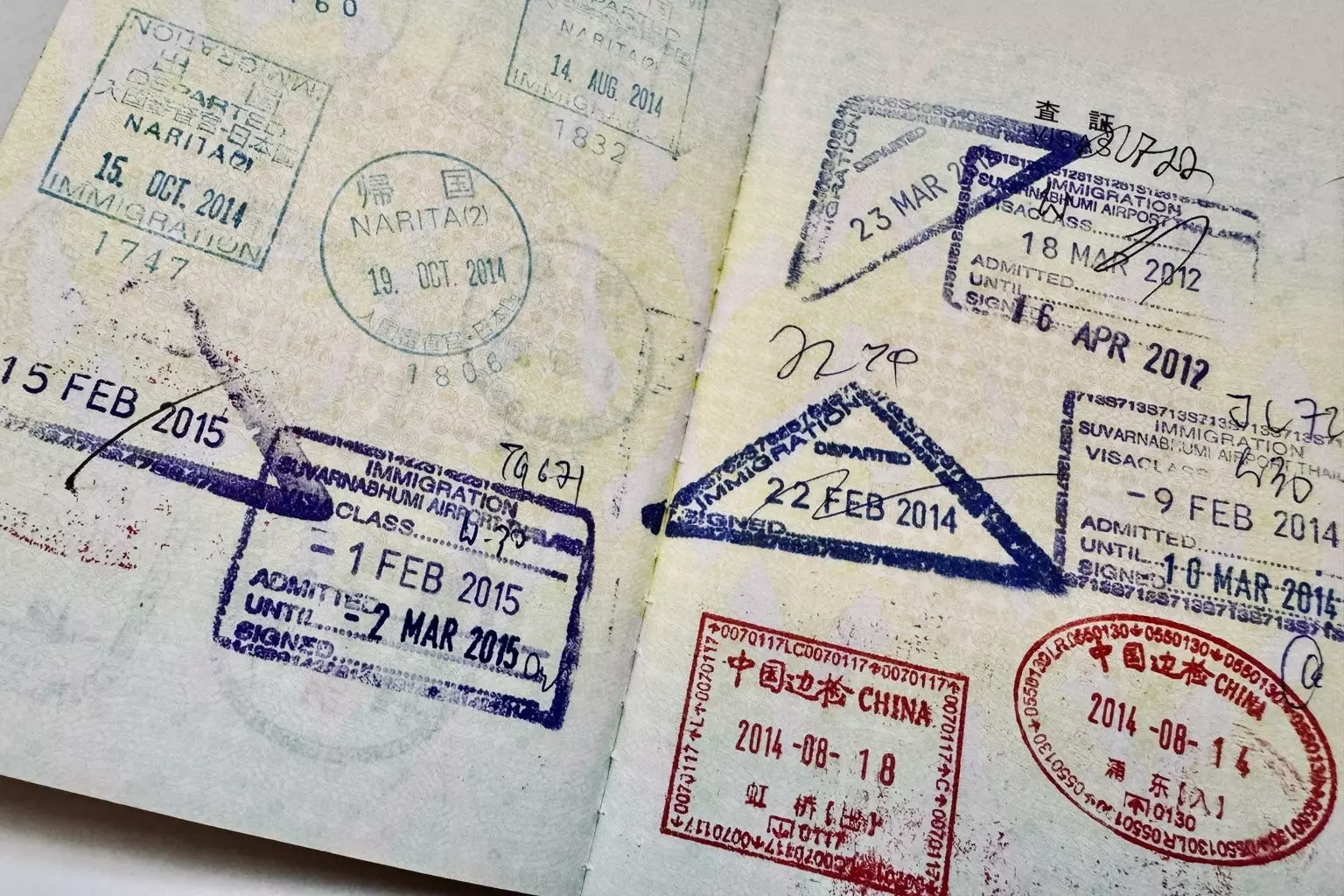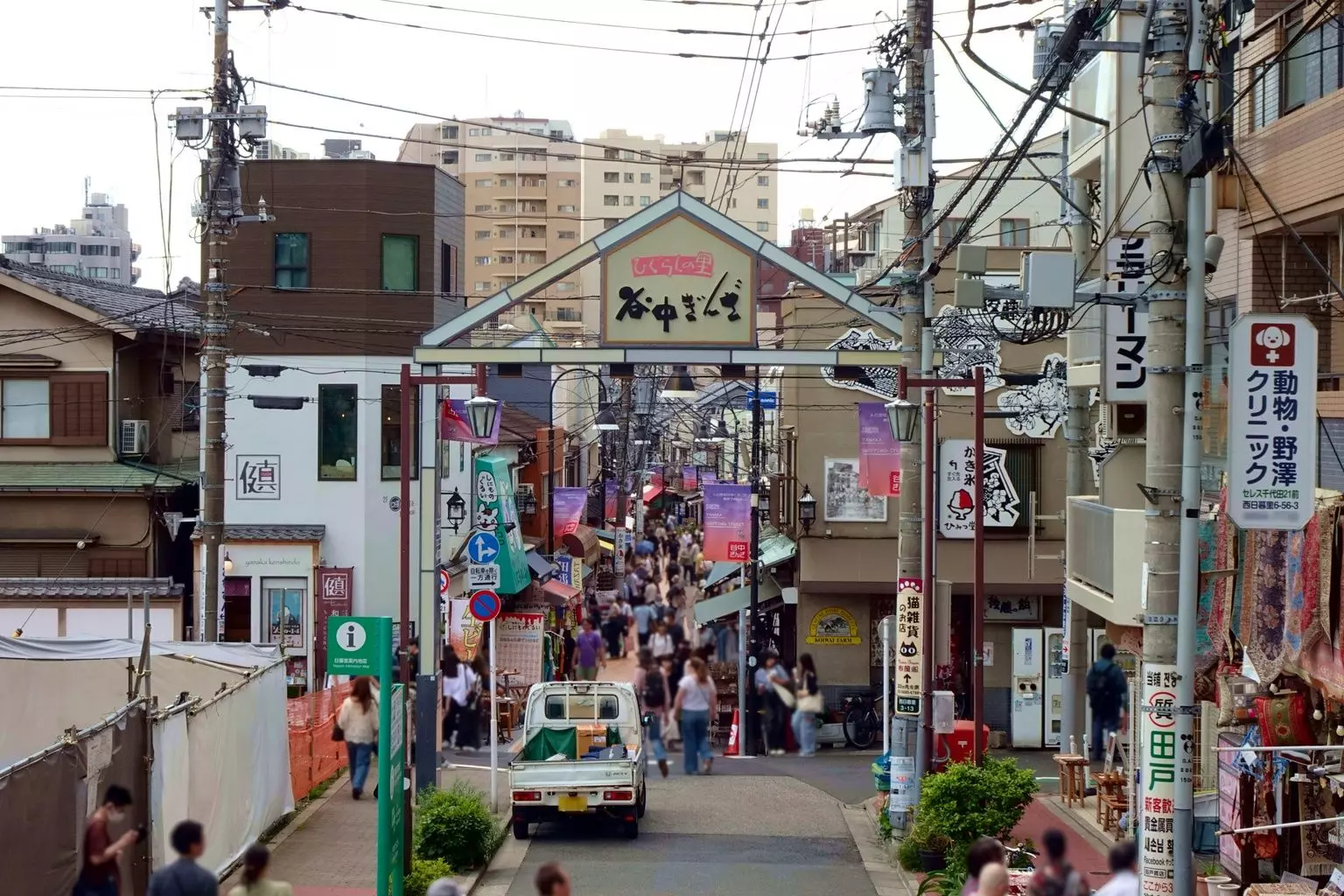
- Students and dependents need permission before working.
- The limit is 28 hours a week.
- Working holiday visa holders generally need no extra permission.
- Minimum wage in Tokyo is ¥1,280 an hour.
Can foreigners work part-time in Japan?
Yes, but it depends on your visa. International students and Dependent visa holders can take a part-time job (called arubaito, often shortened to baito) only after getting permission from immigration, and they are limited to 28 hours a week. Working holiday visa holders can generally work without extra permission.
The reason is simple. A Student or Dependent visa is not a work visa. Any income from outside the activity your visa allows needs a separate permission, and the rule applies to every kind of paid work, including short shifts and gig work.
| Your status | Can you work part-time? |
|---|---|
| Student (university, vocational school, Japanese language school) | Yes, after getting permission. Up to 28 hours a week |
| Dependent | Yes, after getting permission. Up to 28 hours a week |
| Working holiday | Generally yes. The visa itself allows work |
| Temporary visitor (tourist) | No. Paid work is not allowed |
Source: Immigration Services Agency of Japan, Permission to Engage in Activity Other Than That Permitted (as of November 2026)
Permission to engage in other activity: how to apply
The permission is officially called "Permission to Engage in Activity Other Than That Permitted." You need it if you hold a work- or study-type status such as Student or Dependent and want to earn income outside that status. A part-time job is the usual example.
- Apply at the regional immigration bureau that covers your address.
- Bring the documents: the application form, your residence card and your passport.
- Wait for the result. Standard processing takes 2 weeks to 2 months.
There is no application fee. Online applications are only possible together with an extension or change of status application, so most people apply in person.
Newly arriving students have a shortcut. The Immigration Services Agency provides a separate form for them, and they can apply for the permission when they land at an airport that issues residence cards. If you arrive somewhere else, apply at an immigration bureau after you settle in.
Certain businesses are excluded from the permission, so check the Immigration Services Agency page before you accept a job. Do not start work until you have the permission, even if your employer says it is fine.
Source: Immigration Services Agency of Japan, Permission to Engage in Activity Other Than That Permitted (as of November 2026)
Search for a room
Only furnished properties with appliances are listed!
The 28-hour rule: how many hours can you work?
With the comprehensive permission, you can work up to 28 hours per week. This is the total across all your jobs, not per employer, so two part-time jobs share the same 28 hours.
| Status | Weekly limit | Notes |
|---|---|---|
| Student | 28 hours a week | During the school's long vacations, up to 8 hours a day |
| Dependent | 28 hours a week | No long-vacation exception |
| Working holiday | No separate permission needed (generally) | Check the conditions of your own visa on the Ministry of Foreign Affairs page |
| Work visas | Limited to the activity your visa allows | A second job outside your visa activity needs its own permission |
Two details catch students out. First, gig and delivery work counts toward the limit if your working hours can be objectively confirmed. If they cannot, you need individual permission. Second, internships need individual permission too.
Working more than the permitted hours, or working without permission, can affect your visa renewal and may lead to deportation. Keep your own record of hours, because your employer's shift schedule is not the only thing that counts.
Source: Immigration Services Agency, Student, Dependent and Ministry of Foreign Affairs, Working Holiday (as of November 2026)
If you are still choosing a status, our guides to the Japan student visa and the working holiday visa explain how each one works.
How much can you earn in a part-time job in Japan?
Pay is set per hour and cannot fall below the minimum wage of the prefecture where you work. For fiscal year 2026, the national weighted average is ¥1,177 an hour, up ¥56 from last year. Tokyo is the highest at ¥1,280, effective October 1, 2026, and the lowest is ¥1,085 in Miyazaki.
| Minimum wage (FY2026) | Per hour |
|---|---|
| Tokyo (highest) | ¥1,280 |
| National weighted average | ¥1,177 |
| Miyazaki (lowest) | ¥1,085 |
Source: Tokyo Labour Bureau and JILPT (as of November 2026)
A monthly illustration
As a rough example, 28 hours a week for 4 weeks at the Tokyo minimum wage comes to 28 × 4 × ¥1,280, or about ¥143,000 a month before tax. This is an illustration at the minimum wage, not a promise. Many jobs pay more, and you will often work fewer than 28 hours during exams or when shifts are scarce.
Income tax is withheld from your pay, so your payslip shows less than your hourly rate suggests. People with very low annual earnings are taxed little, but the details depend on your situation, so ask your employer or the city office. For how part-time pay compares with other jobs, see our guide to the average salary in Japan.
Search for a room
Only furnished properties with appliances are listed!
Common part-time jobs for foreigners
These are the jobs international students and other foreign residents most often take:
- Convenience stores and supermarkets: cashier and stocking work. Shifts are often flexible.
- Restaurants and izakaya (Japanese pubs): kitchen and floor staff. Evening shifts are common.
- Hotels: cleaning, front desk and breakfast service. English is a real advantage at the front desk.
- Warehouses: sorting and packing. Less Japanese is needed, but the work is physical.
- English tutoring and language teaching: suits strong English speakers, though fewer positions are available.
- Translation: fits people with strong skills in two languages.
- Delivery: flexible hours, but remember that gig work counts toward your 28 hours.
Japanese ability matters. Many employers want conversational Japanese, especially for customer-facing jobs. English-only jobs exist, but there are fewer of them, so studying Japanese widens your options quickly.
How to find a job and what you need
Start with your school's career office. Many schools know local employers who regularly hire students and understand the 28-hour limit. Job sites and word of mouth from classmates and friends also work well. Before you apply, check that the listing allows foreign applicants.
You will usually need:
- Your residence card. Employers check it, along with your permission to work. See our guide to the residence card.
- A bank account. Wages are normally paid into one. See our guide to opening a bank account.
- Your My Number. Some employers ask for it for tax and insurance paperwork.
Keep your permission, your contract and your payslips together. If an employer asks you to work beyond your weekly limit, say no politely. It is your visa that is at risk.
Search for a room
Only furnished properties with appliances are listed!
Balancing work, study and rent
Rent is the biggest monthly cost for most students. If part-time income tops out around ¥140,000 a month and you must also study, a high rent leaves very little room. Keeping fixed costs low makes the 28-hour limit much easier to live with.
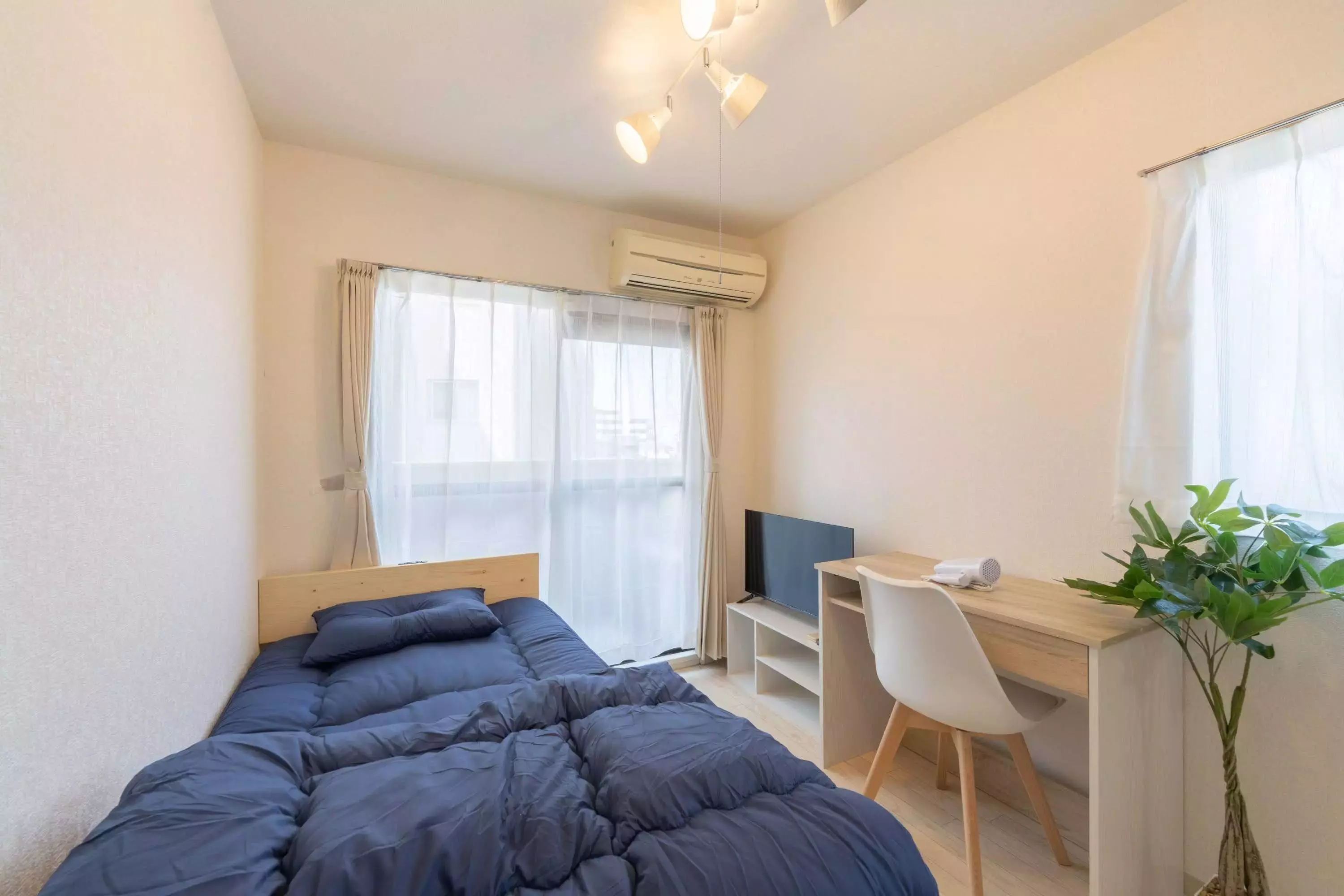
XROSS HOUSE offers furnished apartments, our main product, with furniture and appliances already in the room, so you do not need to buy a bed, fridge or washing machine. We also have share houses. We charge no deposit and no agency fee, and the one-time initial cost is a registration fee. For a share house it is ¥30,000. For a furnished apartment it is ¥30,000 during the current campaign (normally ¥50,000). We also have women-only properties.
Guarantor and guarantee company
- No personal joint guarantor is needed.
- Individual contracts generally require joining a rent guarantee company. An initial guarantee fee and a monthly guarantee fee are charged separately, on top of the registration fee.
- If you pay everything from the registration fee to the move-out costs in one lump sum at move-in, you do not need to join a guarantee company, so no guarantee fees apply.
Rent is paid on top of the registration fee. Ask for a written quote, which lists every cost from move-in to move-out before you sign.
FAQ: part-time jobs in Japan
Can international students work part-time in Japan?
Yes, after getting permission to engage in activity other than that permitted. With the comprehensive permission, students can work up to 28 hours a week, and up to 8 hours a day during the school's long vacations.
How many hours can I work part-time in Japan?
Students and Dependent visa holders can work up to 28 hours per week in total across all jobs. Students get an extra allowance of 8 hours a day in long school vacations. Dependents have no such exception.
Is there a fee for the permission to work part-time?
No. There is no application fee. Standard processing takes 2 weeks to 2 months, and you apply at the immigration bureau that covers your address.
Can I work part-time on a working holiday visa?
Generally yes. The working holiday visa itself allows work, so no separate permission is needed. Conditions can vary, so check the Ministry of Foreign Affairs working holiday page for your own case.
Does delivery or gig work count toward the 28-hour limit?
Yes, if your working hours can be objectively confirmed. If they cannot, individual permission is needed instead. Internships also need individual permission.
What happens if I work more than the allowed hours?
It can affect your visa renewal and may lead to deportation. Track your total hours across every job, not just one employer.
Do I need a guarantor to rent a furnished apartment while I study?
At XROSS HOUSE, no personal joint guarantor is needed. Individual contracts generally join a rent guarantee company, unless you pay all costs from the registration fee to move-out in one lump sum at move-in. More answers are on our FAQ page.
Summary: get permission first, keep to 28 hours
If you are a student or on a Dependent visa, apply for permission before your first shift, keep your total under 28 hours a week, and keep your own record of hours. Working holiday visa holders can generally work without extra permission. At the Tokyo minimum wage, a full 28-hour week is about ¥143,000 a month before tax, so a low rent matters.
Tell us your arrival date, your school and how long you plan to stay, and we will suggest areas and send a written quote.