What is the average rent for a single person living in Tokyo?
When starting to live alone in Tokyo, rent is a significant factor that makes up a large portion of living expenses. While rent varies greatly depending on the area and property conditions, it is generally considered to be around 70,000 to 90,000 yen per month.
In particular, within Tokyo's 23 wards, rent tends to be higher the closer you get to the city center, with even studio apartments and 1K units sometimes costing over 100,000 yen. On the other hand, in suburban areas, you can often find similar properties for tens of thousands of yen less. Considering the total cost, including not only rent but also initial expenses and utilities, is key to starting independent living without financial strain.
Here, we will explain the average rent prices.
Average rent prices in Tokyo's 23 wards
Rent prices in Tokyo's 23 wards vary greatly depending on the area, but the average rent for a 1R to 1LDK apartment suitable for a single person is between 80,000 and 120,000 yen. In particular, the three central wards of Minato, Chiyoda, and Chuo see rents at a high level of around 150,000 yen, followed by Shibuya and Shinjuku.
On the other hand, the eastern areas such as Adachi, Katsushika, and Edogawa wards have relatively lower rents, with many properties available for around 70,000 yen. Understanding the average rent for each ward will make it easier to choose an area that suits your lifestyle and commuting needs.
How much of a difference is there between the city center and the suburbs?
In Tokyo's 23 wards, rent can vary by as much as 20,000 to 50,000 yen between the central area and the suburbs, even for the same floor plan.
For example, while a 1K apartment costs around 120,000 yen in Shibuya or Minato wards, you can find them for as low as 50,000 yen in Hachioji or Machida in the Tama area. In suburban areas with lower rents, you have the advantage of being able to live in a larger room or a newer building for the same budget.
However, you also need to consider the balance between transportation access and commute time. If you want to keep costs down, considering areas within Tokyo's suburban districts or commuter towns is a viable option.
Estimated rent by floor plan: 1R, 1K, 1LDK
Popular floor plans for single people include 1R (studio apartment), 1K, and 1LDK.
As a guideline for average rent in Tokyo's 23 wards,
- 1R is 70,000 to 90,000 yen
- 1K apartments cost between 80,000 and 100,000 yen.
- The going rate for a 1LDK apartment is around 100,000 to 130,000 yen.
A 1R apartment has the kitchen and living area in the same space, making it compact but with relatively low rent. On the other hand, a 1K apartment has a separate kitchen, making it ideal for those who want to separate their living space. A 1LDK apartment offers a more spacious lifestyle, but the rent increases proportionally. It's important to choose a floor plan that balances your budget and comfort.
A reasonable guideline for rent based on your take-home pay
To live comfortably on your own, it's crucial to set your rent in line with your income. Generally, rent should be no more than one-third of your net monthly income; exceeding this significantly increases the risk of financial hardship.
For example, if your take-home pay is 200,000 yen, the ideal rent would be between 60,000 and 65,000 yen. In addition to rent, you also have to pay monthly living expenses such as utilities, food, and communication costs, so it's important to choose a property that you can comfortably afford. Especially in areas with high rents like Tokyo, you should make a well-balanced decision considering factors such as commute time and desired floor plan.
This chapter will discuss what constitutes a fair rent based on your net income.
The general rule is that rent should be "no more than one-third of your take-home pay."
Keeping rent within one-third of your net monthly income is a fundamental rule for financially stable living. This guideline is widely recommended by the Ministry of Internal Affairs and Communications and real estate websites, and serves as a benchmark for having enough money left over for living expenses and savings.
For someone with a net income of 180,000 yen, a reasonable upper limit for rent would be around 60,000 yen. Exceeding this amount could leave insufficient funds for utilities, food, and social activities, potentially lowering your quality of life.
When searching for property, especially in Tokyo, it's important to consider not only the rent but also the total cost including common area fees and management fees.
Rent guidelines for students and new graduates
For students and young professionals, it's more realistic to set rent guidelines based on their net income or the amount of financial support they receive from their families. For students receiving financial support, a reasonable budget would be 50,000 to 60,000 yen per month, and even including part-time job income, 70,000 yen or less is a safe bet.
For new graduates entering the workforce, if their initial take-home pay is around 180,000 to 220,000 yen, a suitable rent would be in the 60,000 to 70,000 yen range. It's important to choose an area that's convenient for commuting to work or school, while also considering living expenses and savings.
Especially when starting a new life, initial expenses such as furniture and appliances are high, so keeping rent down will lead to peace of mind in the long run.
Balancing living expenses other than rent is also important.
When living alone, you need to pay not only rent but also other living expenses such as food, utilities, communication fees, and daily necessities every month. Even if you keep your rent to within one-third of your take-home pay, you risk going into debt if you overlook other expenses.
In Tokyo, it's common to spend around 10,000 to 15,000 yen on utilities (water, electricity, gas) and 5,000 to 10,000 yen on communication expenses. Including food and transportation costs, ideally, monthly expenses, including rent, should be kept to about two-thirds of your take-home pay.
By being mindful of your monthly income and expenses, you can live a stable and manageable life on your own.
Search for a room
Only furnished properties with appliances are listed!
Recommended Tokyo areas for those who want to keep rent down
When considering living alone in Tokyo, the high cost of rent is a major hurdle, but significant savings are possible depending on the area you choose. While rents of 100,000 yen or more are common in popular central Tokyo areas, you can find perfectly livable properties for around 60,000 to 80,000 yen by venturing slightly outside those areas. In particular, the eastern part of Tokyo's 23 wards, the suburbs of Tokyo, or popular commuter towns offer the possibility of keeping rent down while still maintaining convenience.
This chapter will provide a detailed introduction to "cost-effective areas" that offer a good balance of low rent, accessibility, safety, and surrounding environment, as well as districts and stations with affordable rent.
Ranking of Tokyo's 23 Wards with the Lowest Rent Prices
Even within Tokyo's 23 wards, there are significant differences in rent prices depending on the area.
The top-ranked districts in terms of low rent as of 2025 include:
- 1st place: Edogawa Ward (average 76,000 yen)
- 2nd place: Katsushika Ward (74,000 yen)
- Third place goes to Adachi Ward (77,000 yen), among others.
While these districts are a bit further from the city center, they have well-developed transportation networks such as the Toei Shinjuku Line and Keisei Main Line, so daily life is convenient. They also have good infrastructure like supermarkets, hospitals, and parks, and the cost of living is relatively low, making them ideal for those living alone for the first time. Those looking to keep costs down should consider these districts first.
Hidden gem areas and market prices in the Tokyo metropolitan area
There are many attractive areas outside of Tokyo's 23 wards where you can live at a lower rent.
- Hachioji City (average 53,000 yen)
- Machida City (61,000 yen)
- Fuchu City (60,000 yen), etc.
Compared to the city center, rent is about 20,000 to 40,000 yen cheaper, and it's easier to find spacious 1R or 1K apartments, which is a major attraction.
Furthermore, with the JR Chuo Line, Keio Line, and Odakyu Line running through the area, access to Shinjuku and Shibuya is relatively good. There are also many commercial facilities and restaurants around the station, making it very convenient for daily life. The city area is particularly popular with students and young professionals living alone, and it can be said to be the perfect area for those who want to live "cheaply, spaciously, and quietly."
A cost-effective area that combines accessibility, safety, and convenience.
In addition to rent, "cost-effective areas" that comprehensively consider factors such as commuting access, safety, and convenience of living are also attracting attention.
For example, Nerima Ward and Itabashi Ward have relatively low rent prices (around 79,000 to 82,000 yen), while offering quick access to Ikebukuro and Shinjuku via the Toei Oedo Line and Tobu Tojo Line. Their safety and the calm atmosphere of their residential areas are also reasons for their popularity. Furthermore, the southern part of Nakano Ward and the eastern part of Suginami Ward along the Seibu Line also offer convenient access to the Chuo Line and Marunouchi Line, making them ideal for commuting to work or school, while maintaining reasonable rents.
This area offers an ideal balance for those who want to keep costs down without sacrificing convenience.
Rent and livability vary depending on facilities and age of the building.
Even within the same area, rent can vary significantly depending on the age of the building and the amenities it offers. Newer properties and apartments with the latest facilities tend to have higher rents, but they are popular because they offer superior comfort and convenience.
On the other hand, even older properties can be comfortable to live in if they have been renovated or are well-maintained, and are attracting attention as a way to keep rent down. The layout and amenities also directly affect satisfaction with living in such a place, so it is important to carefully consider the overall "livability" of the property, not just the low rent, when making your choice.
Here, we will explain the items that vary depending on the facilities and the age of the building.
The impact of building age and structure on rent
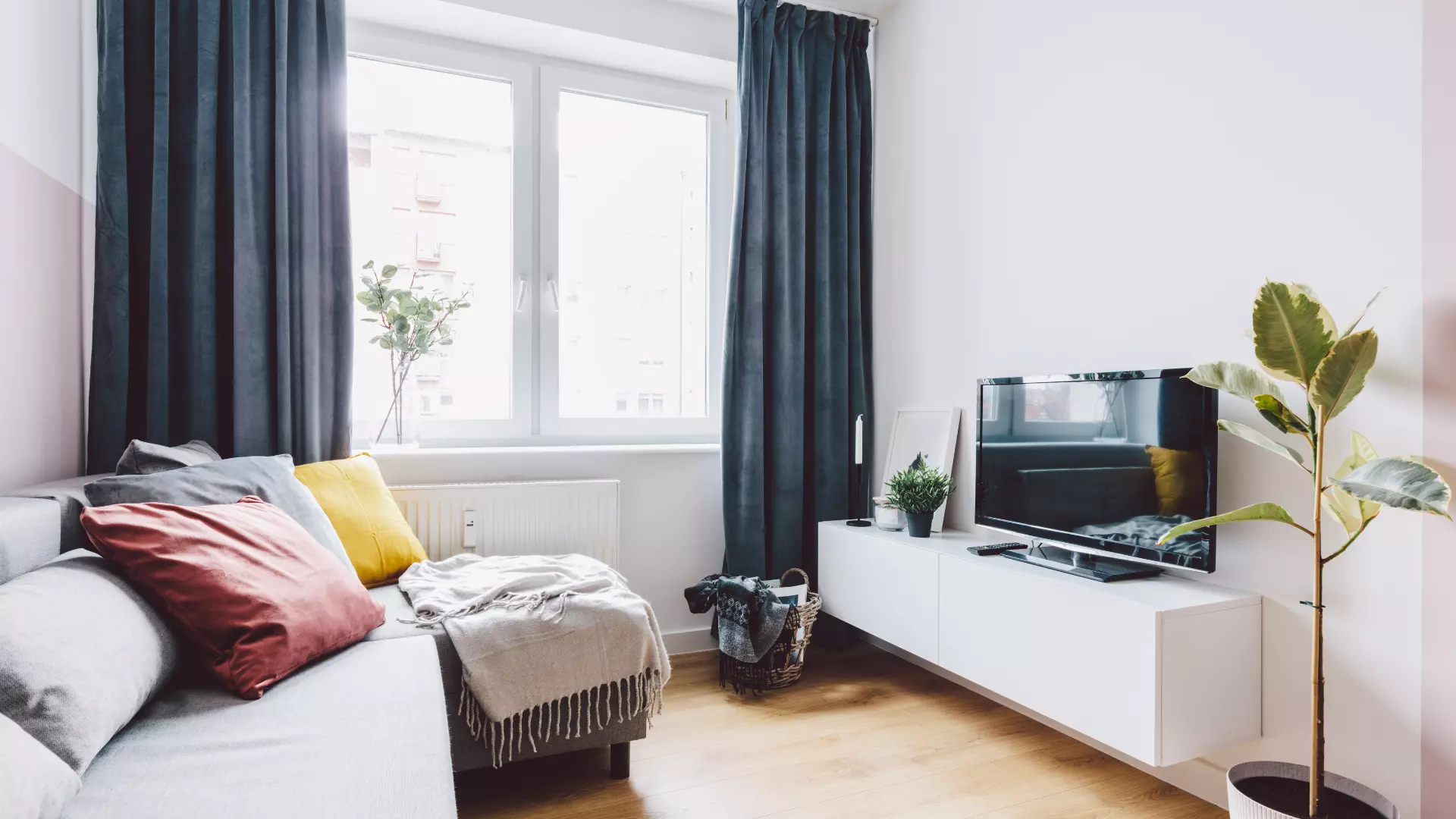
The age and structure of a property are major factors that influence rent. Generally, newer properties (less than 5 years old) tend to have higher rents, while properties older than 20 years, even in the same location, can be 10,000 to 20,000 yen cheaper.
Furthermore, reinforced concrete (RC) and steel-reinforced concrete (SRC) structures offer superior sound insulation and earthquake resistance, and tend to have higher rents compared to wooden apartments. Even wooden apartments, if they are newer, often have excellent facilities, making it possible to ensure a comfortable living environment while keeping costs down.
Consider the balance between the age of the building and its structure to choose a property that suits you.
Popular amenities and the resulting rent increase
For rental properties suitable for single occupancy,
- "Separate bathroom and toilet"
- "Indoor washing machine space"
- "Independent wash basin"
- Popular amenities such as automatic door locks have a significant impact on rent.
For example, properties with separate bathrooms and toilets generally cost around 5,000 to 10,000 yen more per month than those with unit bathrooms. Properties with high security and convenience features such as automatic locks and delivery boxes may have even higher rents. While these features enhance the comfort of living, it's important to balance them with the associated costs.
By narrowing down the essential requirements, you can prevent unnecessary expenses.
Tips and points to note when choosing a floor plan
Choosing the right floor plan is crucial for comfortable living alone. If you want something compact and affordable, a 1R (studio apartment) is recommended. If you want to separate the kitchen from your living space, a 1K is a good choice. If you want more space and comfort, a 1LDK is an option, but the rent will be higher.
Additionally, you'll want to check the availability of storage space and how easy it is to arrange furniture. Furthermore, checking things like "traffic flow," "window placement," and "sunlight" during the viewing, which aren't apparent from the floor plan alone, will help you choose a property you won't regret.
Search for a room
Only furnished properties with appliances are listed!
Tips for finding an apartment to keep rent low
Living alone in Tokyo can be expensive, but with a little ingenuity, you can reduce your expenses. By being flexible about when you search for a property, the terms of the contract, and even the type of housing you choose, you can increase your chances of finding a good deal even in the same area.
For example, strategies such as targeting the off-season for moving or choosing properties with no security deposit or key money can help reduce initial costs. It's also important not to overlook the total rent, including management fees and common area charges. In some cases, considering options like shared housing may lead to finding even more cost-effective housing.
This chapter will introduce tips for finding an apartment while keeping your rent low.
Advantages of searching for property during the off-season
When searching for property, there are "peak seasons" and "off-seasons," and if you want to keep rent down, it's effective to aim for the off-season (around May to August).
In Tokyo in particular, January to March is the peak moving season, leading to high competition and often resulting in higher rent prices. On the other hand, during the off-season, landlords are more likely to relax their terms to reduce vacancy rates, making it easier to negotiate rent reductions or get a month free.
Another major advantage is the ability to take your time comparing and considering different options. It's not uncommon to find the same property at a better price simply by shifting the timing slightly.
Points to note when looking for properties with no security deposit or key money.
Properties with "no security deposit or key money" offer the advantage of significantly reducing initial costs, but it's important to carefully check the details before jumping into one without careful consideration.
First, if there is no security deposit, you may be charged a high fee for restoring the property to its original condition upon moving out, which could result in unexpected expenses. Also, properties without key money may have high renewal fees when renewing the lease agreement, or penalties for early termination. Furthermore, the low price may be due to poor management or a high turnover of tenants.
To avoid problems, it's important to carefully check not only the property's conditions but also the contract details and the seller's reputation.
Tips for negotiating rent and not overlooking management fees
If you want to lower your rent, the key is to choose a property with the intention of negotiating and to check the total cost including management fees. In particular, there is often room for negotiation in older properties or those that have been vacant for a long time. Rent reductions of around 1,000 to 5,000 yen or free rent periods are relatively easy to negotiate.
Also, since management fees and common area maintenance fees often add several thousand yen to the monthly rent, be sure to compare properties based on the total "effective rent." Furthermore, internet and bicycle parking fees may be charged separately, so it is important to pay attention to the total cost when choosing a property.
I also recommend shared housing.
If you want to significantly reduce your rent, a share house is a viable option. In Tokyo, there are many share houses available for around 30,000 to 60,000 yen per month, furnished with appliances and including utilities. Many properties do not require a security deposit, key money, or brokerage fees, allowing for a substantial reduction in initial costs. While privacy is limited due to shared spaces, this also offers the advantage of increased opportunities for interaction and the sharing of household chores and lifestyle know-how.
Furthermore, there are properties available nationwide that offer short-term contracts, making them suitable for people who experience frequent changes in their lives, such as changing jobs, relocating, or moving to Tokyo. For those who prioritize cost and want flexible living arrangements, shared housing is a very attractive option.
What are the initial costs required for living alone for the first time?
Starting to live alone in Tokyo for the first time involves various initial costs in addition to rent. Generally, the initial costs required upon moving in are said to be about 4 to 6 months' worth of rent, or around 200,000 to 400,000 yen. This cost includes security deposit, key money, brokerage fees, and advance rent.
Additionally, you'll need to factor in moving expenses and the cost of purchasing furniture and appliances. It's important to carefully plan your budget, as you might run out of funds before you even start living there.
Here, we'll explain the main initial costs and tips for saving money in an easy-to-understand way.
Breakdown of security deposit, key money, and brokerage fee
When signing a rental agreement, many people are responsible for initial costs such as security deposit, key money, and brokerage fees.
- Security deposit: This is used to cover the cost of restoring the property to its original condition upon moving out, and is usually equivalent to one month's rent.
- Key money: This is a payment made to the landlord as a token of appreciation, and is typically equivalent to one to two months' rent.
- Brokerage fee: This is a fee paid to the real estate company and is typically equivalent to 0.5 to 1 month's rent.
In addition to these costs, you will also have to pay advance rent and fire insurance premiums, so it's a good idea to budget for "4 to 5 months' worth of rent" when signing a contract. Recently, there has been an increase in properties with no security deposit or key money, making them a viable option for those who want to keep costs down.
Moving expenses and costs for preparing furniture and appliances
Moving costs vary depending on the amount of belongings, distance, and time of year, but for a single person moving, the average cost is around 30,000 to 60,000 yen. Prices are higher during the busy season of March and April, so you may be able to reduce costs by moving at a different time.
Furthermore, purchasing furniture and home appliances typically costs around 100,000 to 150,000 yen. Even just acquiring the bare minimum necessities for daily life, such as a refrigerator, washing machine, microwave, bed, and curtains, will incur a considerable expense.
By not insisting on buying new items and instead utilizing secondhand shops and flea market apps, you can significantly reduce costs.
How to start a comfortable new life while saving money
To achieve comfortable single living while keeping initial costs down, several strategies can be effective. First, choosing properties with no security deposit or key money, or those offering a rent-free period, can significantly reduce costs.
Choosing a rental property that comes furnished with furniture and appliances can also help reduce purchase costs. Moving during the off-season and minimizing belongings to transport them yourself are also effective strategies. Furthermore, instead of buying everything at once, gradually purchasing necessary items as you move in is also a good approach.
Let's design a comfortable lifestyle that can be sustained in the long term, while controlling expenses within reasonable limits.
Search for a room
Only furnished properties with appliances are listed!
Summary | Understand the average rent prices and find the perfect place to live in Tokyo.
When starting to live alone in Tokyo, the most important thing is to "correctly understand the average rent and choose a place to live that suits your income and lifestyle." Even within Tokyo's 23 wards, there is a significant difference in rent, and if you look further into the suburbs and other areas, you'll find even more affordable and comfortable options.
Furthermore, rent varies depending on the age of the building, facilities, and floor plan, so it's important to find a balance between cost and comfort. By being creative with how to reduce initial costs, negotiating techniques, and timing your move, you can start your ideal new life while keeping expenses down.
To successfully live alone in Tokyo, gathering information and carefully planning your property selection are key. First, thoroughly compare and search for areas and properties that fit your budget and desired conditions.