What is a share house?
A share house is a type of housing where multiple residents live in private rooms within a single building while sharing common spaces such as the kitchen, living room, and bathroom. In recent years, share houses have become increasingly popular, especially in urban areas, and are particularly favored by university students and young professionals.
Differences from student dormitories and shared accommodations
A share house is a type of housing where multiple residents share a single residence. While often confused with student dormitories or room sharing, there are distinct differences between them.
- Student dormitories: Often operated by universities, these typically have rules such as curfews and meal provision. While they offer good management, they can also mean less freedom.
- Room sharing: This style of renting an apartment together with friends or acquaintances requires sharing responsibilities such as the lease agreement and utility payments. It also involves certain responsibilities, such as handling contracts and resolving any problems that may arise.
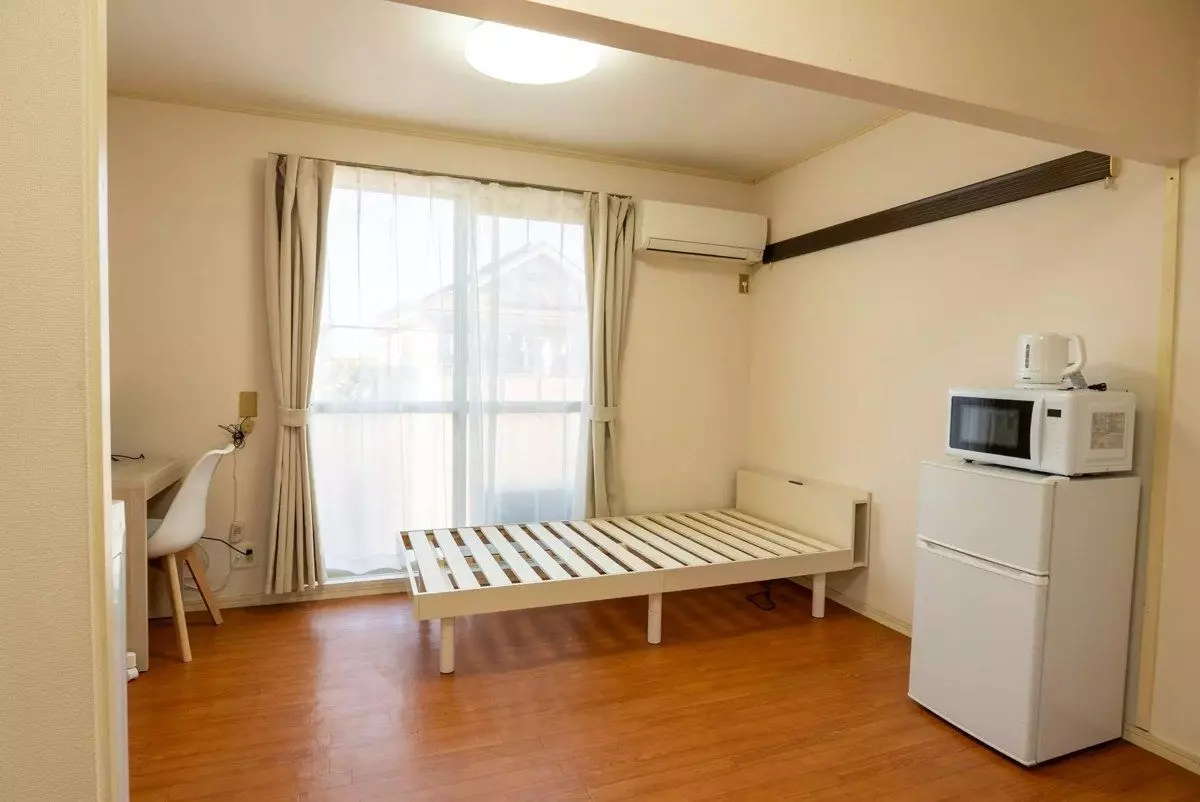
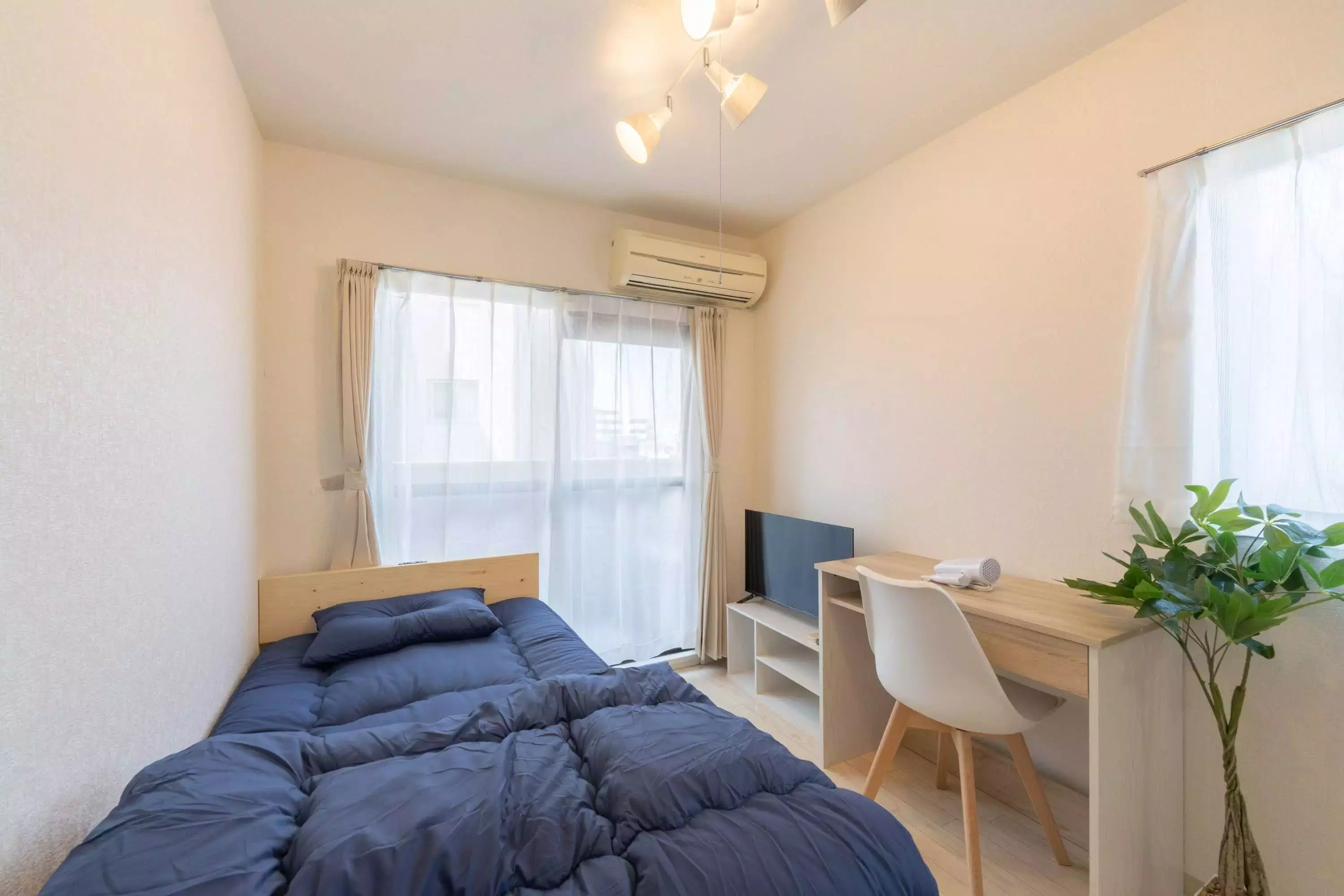
- Share house: This is a type of accommodation where you have your own room while sharing common spaces such as the kitchen and living room with other residents. Rent is lower, and many properties come furnished, making it easy to start a new life.
Share houses are a popular choice among university students because they offer a living environment where they can enjoy socializing while maintaining their privacy.
Percentage of university students who use shared housing
Share houses are becoming increasingly popular among university students. Students, especially those in urban areas, tend to choose them for reasons such as "wanting to reduce costs compared to living alone" and "wanting to expand their social circle."
Share house usage rates and trends
- University students in urban areas: In particular, in metropolitan areas such as Tokyo, Osaka, and Fukuoka, the number of students choosing to live in shared housing is increasing due to high rents.
- Interaction with international students: There are many shared houses designed for the purpose of international exchange, and it is common to live together with international students.
- Connections that transcend faculties and academic years: Unlike room sharing, this provides an environment where people who don't know each other at the time of moving in can live comfortably together.
In recent years, the benefits of shared housing, such as "organizing events with other residents" and "building networks useful for career development," have also gained attention, and it has become a popular new housing option for university students. Shared housing is not just a place to live, but an environment that enriches academics, social interaction, and lifestyle, and is being chosen by many university students.
Reasons why university students choose to live in shared housing
University students have various options for their new life, such as living alone, in a student dormitory, or sharing an apartment. This article will explain in detail why "share houses" are gaining attention among these options.
Economic benefits (saving on rent and living expenses)
One of the biggest advantages of living in a shared house is that it allows you to save on rent and living expenses compared to living alone. Especially in urban areas, rents are soaring, making it difficult for university students to find affordable housing.
Cost benefits of shared housing
- Affordable rent: Even in urban areas, there are many properties available for around 50,000 yen per month.
- Many properties include utilities and internet fees, making monthly payments easier to manage.
- It comes furnished with furniture and appliances, which helps reduce initial moving costs.
- Many properties do not require a security deposit or key money, reducing the burden at the time of signing a contract.
Living alone can be expensive due to rent, utilities, Wi-Fi, and other costs, but in a shared house, "comfortable living is possible with minimal expenses."
High degree of freedom and convenience in daily life
For university students, whether or not they can enjoy a free lifestyle is a crucial factor when choosing a place to live.
The conveniences unique to shared housing
More freedom than student dormitories
→Student dormitories often have strict curfews and rules, but shared houses are generally more flexible.
Short-term stays are possible.
→Many properties offer flexible contract periods, allowing for stays of several months at a time.
Many properties are located near universities and train stations.
→This will make daily life more convenient and shorten commuting time to school.
The necessary facilities are in place.
→Since the kitchen, washing machine, living room, etc. are shared, you can live there with minimal belongings.
In particular, the fact that you can "move in immediately" and "easily move" is a major advantage for university students who lead a fluid lifestyle.
Community building (the ability to build new relationships)
One of the biggest attractions of living in a shared house is the opportunity to interact with other residents.
Benefits for university students
You can make friends who share the same hobbies and values.
→There are events and collaborative activities for residents to interact with each other, which naturally helps to broaden social circles.
There are opportunities for cross-cultural exchange.
→There are also international exchange-style shared houses where you can live with international students, allowing you to improve your language skills and gain a global perspective.
You can share information about studying and part-time jobs.
→If there are other students from the same university, you can expect support in daily life, such as exchanging information about classes and getting introductions to part-time jobs.
The defining characteristic of a share house is that it offers not only a place to live, but also opportunities for new encounters and experiences.
Search for a room
Only furnished properties with appliances are listed!
Disadvantages of university students living in a shared house
While shared housing offers many advantages, such as saving on rent and fostering social interaction, there are also disadvantages and points to be aware of for university students. To enjoy a comfortable shared housing experience, it's important to understand the downsides and plan countermeasures in advance.
Difficult to ensure privacy
While shared houses offer private rooms, the kitchen, living room, and bathroom are shared, making it difficult to ensure complete privacy. In properties with thin walls, you may also be bothered by conversations and everyday noises from neighboring rooms.
Additionally, if the usage times for shared spaces overlap, you may not be able to use them freely. For those who need their own quiet space, this could be stressful, so it's important to check the soundproofing and usage rules in advance.
Troubles between residents are likely to occur.
In a shared house, you live with people who have different values and lifestyles, which can easily lead to problems. These might include people not following cleaning or garbage disposal rules, or noise issues.
Also, even small actions like using food or household items from the refrigerator without permission can become a source of stress. To live comfortably, it's necessary to check the rules in advance and take steps to avoid trouble.
There are restrictions on how you can use the shared spaces.
In a shared house, you share the kitchen, shower, and washing machine with multiple people, so you may not always be able to use them freely. It tends to get particularly crowded in the mornings and evenings, and you may often have to wait in line for the shower or for others to use the kitchen at the same time.
Furthermore, differences in awareness regarding keeping common areas clean can lead to dissatisfaction with how other residents use them. Choosing a property with clearly defined usage rules is key to reducing stress.
Lifestyle gap between students and non-students
Share houses are home to residents from diverse backgrounds, including not only university students but also working professionals, international students, and freelancers. Differences in lifestyles can sometimes lead to stress, such as working professionals going to bed early while university students stay up late.
Furthermore, because there can be gaps due to differences in customs and values across cultures, it is important to check the attributes of the residents in advance and choose a suitable environment.
Contract and move-out problems
Unlike regular rental agreements, shared housing contracts may allow for short-term stays, but early termination may incur penalties.
Furthermore, if the rules for moving out are not clear, disputes may arise regarding who is responsible for cleaning and repair costs. By carefully reviewing the contract and understanding the costs and procedures for moving out in advance, you can enjoy living in a shared house without any worries.
How to choose a shared house for university students
When choosing a share house, university students need to consider various factors besides just the rent, such as location, the demographics of the residents, the quality of facilities, and the clarity of the rules. This article provides a detailed explanation of key points to consider when choosing a share house to ensure a comfortable living experience.

1. Choosing a Location | Prioritizing Ease of Commuting
When choosing a shared house, it's crucial to prioritize the distance to the university and the ease of commuting. Even if the rent is cheap, a long commute can be a significant burden on your daily life. Check the distance to the nearest station, transportation options, and frequency, and choose an area where you can travel on foot or by bicycle. The presence of supermarkets and convenience stores nearby is also an important point. Check the living environment to ensure convenience for both commuting and daily life.
2. Resident Attributes | Choose a Compatible Environment
In a shared house, compatibility with other residents greatly affects the comfort of your life. Choosing a student-only property makes it easier to live there because everyone has a similar lifestyle. International exchange shared houses allow you to interact with international students, but cultural differences can sometimes lead to problems. Properties with both working adults and students offer a calmer environment, but there's a possibility that your schedules won't match. It's important to check the characteristics of the other residents beforehand to ensure you're a good match for them.
3. Quality of facilities | Ensuring a comfortable living environment
Share house amenities vary from property to property, so it's essential to check beforehand. Check if there are private rooms and if air conditioning and Wi-Fi are provided. The management of common areas is also important; ensuring that cleaning is done regularly will ensure a comfortable stay. Having a sufficient number of bathrooms and kitchens is also a key point. For students in particular, a stable Wi-Fi connection is crucial for online classes and assignments, so it's important to choose a property with a reliable internet connection.
4. Check the rent and contract terms | Total cost
While rent for a shared house is often cheaper than living alone, utilities and management fees may be charged separately. It's important to check whether common area fees and internet charges are included in the rent and to understand the total monthly payment. Also, check the contract period and whether there are any penalties for early termination. Choosing a property that doesn't require a security deposit or key money can reduce initial costs. It's important to carefully check the contract details and choose a place that fits your budget.
5. Clarity of Rules | Important for Preventing Problems
In shared housing, rules are often in place to prevent conflicts between residents. Check for rules regarding cleaning, garbage disposal, and noise. Rules regarding the use of common areas and inviting friends over are also important. Properties with clear rules tend to have less friction between residents and allow for a more comfortable living environment. Checking the rules before moving in and determining whether the environment suits you is key to a long and comfortable life.
Search for a room
Only furnished properties with appliances are listed!
Recommended shared housing properties for university students
For university students, finding a share house that is convenient for commuting while keeping rent costs down is important. Here, we introduce recommended share houses that offer good access to the city center and keep initial costs low.
Cross Nakaitabashi 2 (Nakaitabashi, Tokyo)
Rent: ¥24,800 and up | 1-minute walk from Nakaitabashi Station on the Tobu Tojo Line
Conveniently located just 7 minutes from Ikebukuro Station and 16 minutes from Shinjuku Station! This affordable dormitory-style accommodation is perfect for university students. We're also currently running a campaign with zero initial costs, making it ideal for those who want to keep moving expenses down.
Cross Sangenjaya 2 (Sangenjaya, Tokyo)
Rent: ¥28,000 and up | 7-minute walk from Sangenjaya Station on the Tokyu Den-en-toshi Line
With excellent access, just 4 minutes to Shibuya Station and 18 minutes to Shinjuku Station, and semi-private rooms offering a sense of privacy, you can enjoy affordable living while maintaining your privacy.
SA-Cross Togoshi Ginza 1 (Togoshi, Tokyo)
Rent: ¥34,000 and up | 3-minute walk from Togoshi Station on the Toei Asakusa Line
Located just 14 minutes from Shinagawa Station and 16 minutes from Shibuya Station, this property offers convenient access to central Tokyo. As it's a private-room share house, it's ideal for students seeking an environment conducive to focused studying.
Cross Nakai 1 (Nakai, Tokyo)
Rent: ¥44,800 and up | 6-minute walk from Nakai Station on the Toei Oedo Line
It's just a 10-minute ride to Shinjuku Station and a 12-minute ride to Ikebukuro Station, making it easy to get to major stations. Since it's a private room type, it's recommended for those who want to study or have their own private time.
Highlife Nakano (Nakano, Osaka)
Rent: ¥59,000 and up | 9-minute walk from Sakuranomiya Station on the Osaka Loop Line
Located just 9 minutes from Umeda Station and 12 minutes from Shin-Osaka Station, this apartment is perfect for university students in the Kansai area. It's a furnished apartment type, and can accommodate two people, making it a great option for living with a friend.
Maison Largo (Tsukamoto, Osaka)
Rent: from 60,000 yen | 3-minute walk from Tsukamoto Station on the JR Tokaido Main Line
Located just 3 minutes from Umeda Station and 9 minutes from Shin-Osaka Station, this property is conveniently situated for commuting to school or part-time jobs. There's also a campaign offering zero initial costs, making move-in smooth and easy.
Sera Tamade West (Tamade, Osaka)
Rent: From ¥62,000 | 7-minute walk from Tamade Station on the Osaka Metro Yotsubashi Line
It boasts excellent access to the city center, just 8 minutes to Namba Station and 17 minutes to Umeda Station. There are also spacious rooms available that can accommodate two people, so you can live with a friend or roommate.
summary
Share houses are an attractive option for university students who want to keep rent down while prioritizing convenience and community. Especially in urban areas, they offer advantages such as being less financially burdensome than living alone and providing more opportunities for interaction. On the other hand, it is important to pay attention to privacy and rules for using common spaces. When choosing a property, be sure to check the ease of commuting, the demographics of the residents, and the quality of the facilities. Find an environment that suits you and enjoy a comfortable and fulfilling university life.