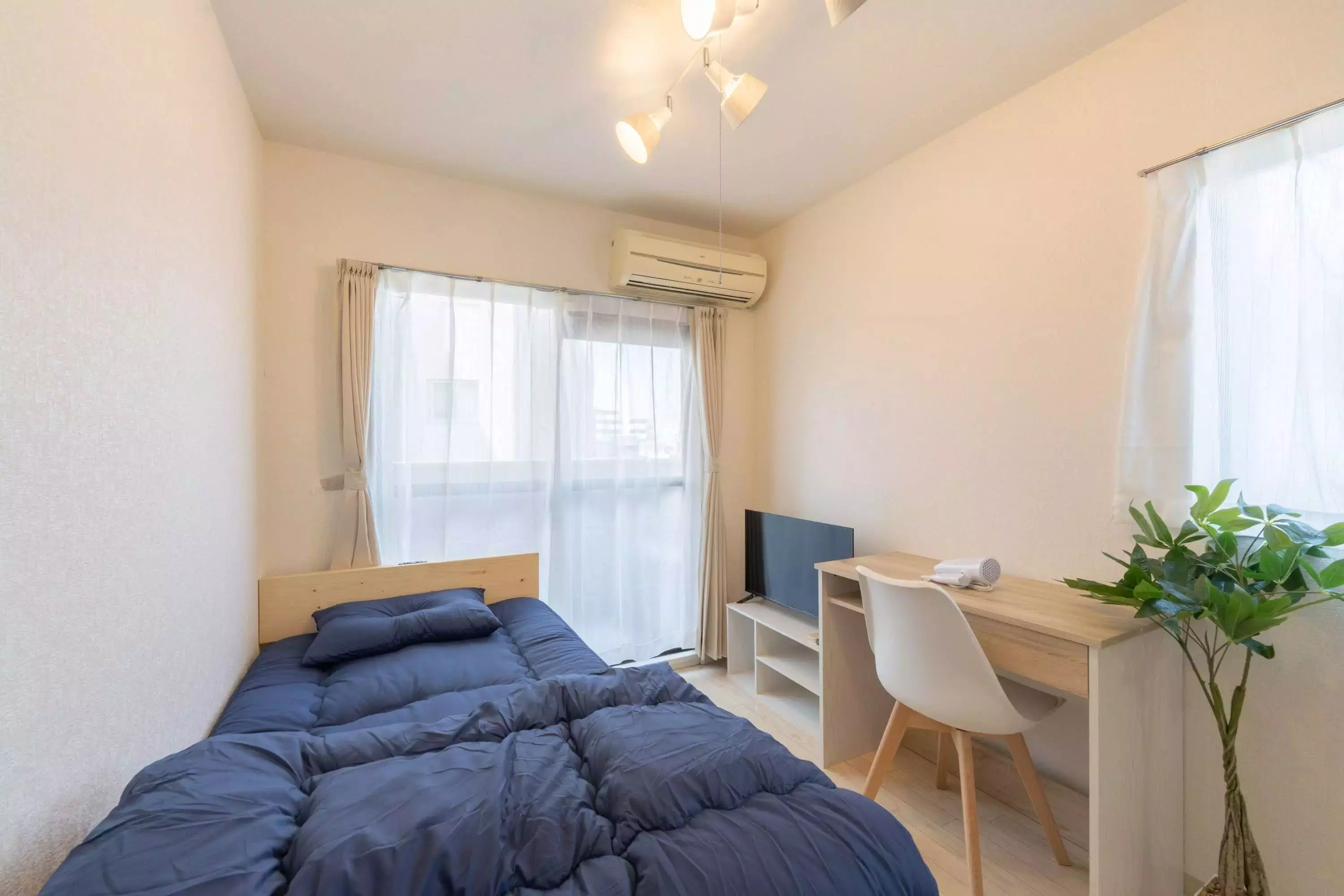

If you're looking for affordable shared housing in Osaka, you can find private rooms with locks starting from around 30,000 yen per month. This significantly reduces the initial financial burden compared to typical single-person living, which involves security deposits, key money, and the cost of furnishing with appliances and furniture.
However, there's a reason why it's "cheap," and monthly payments vary depending on the type of accommodation and the breakdown of common area fees. This article summarizes the average rent for share houses in Osaka, the reasons why they're cheap, tips for saving money with a private room, and points to check when choosing one.
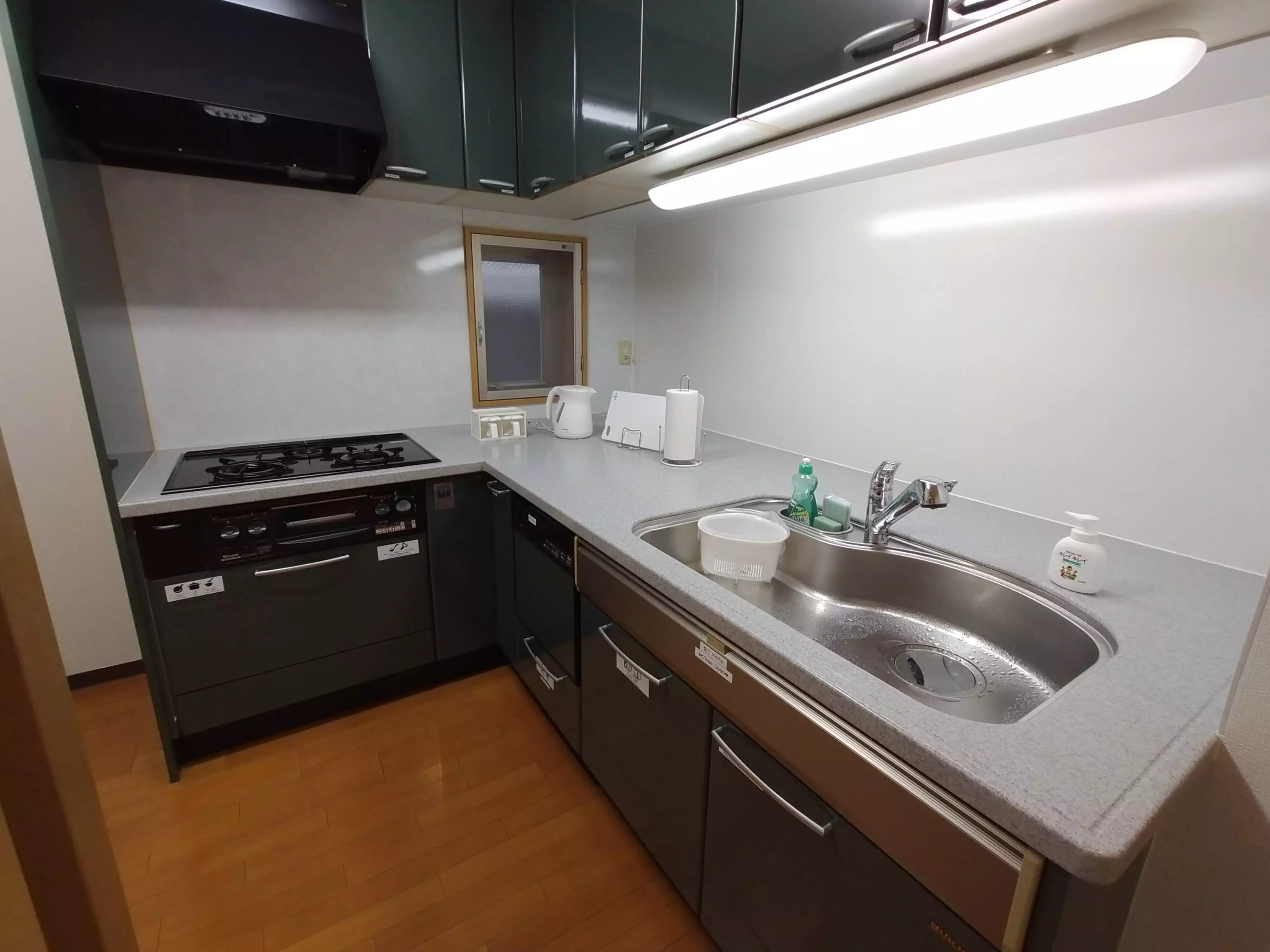
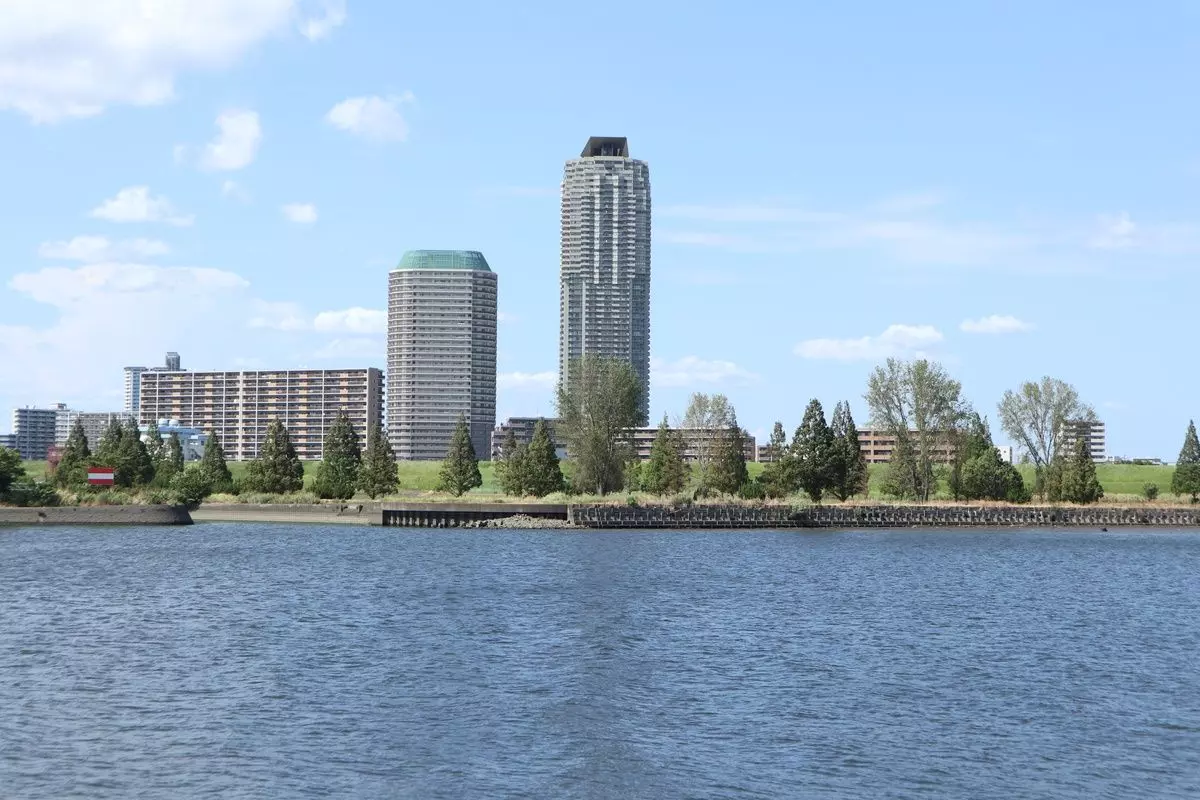
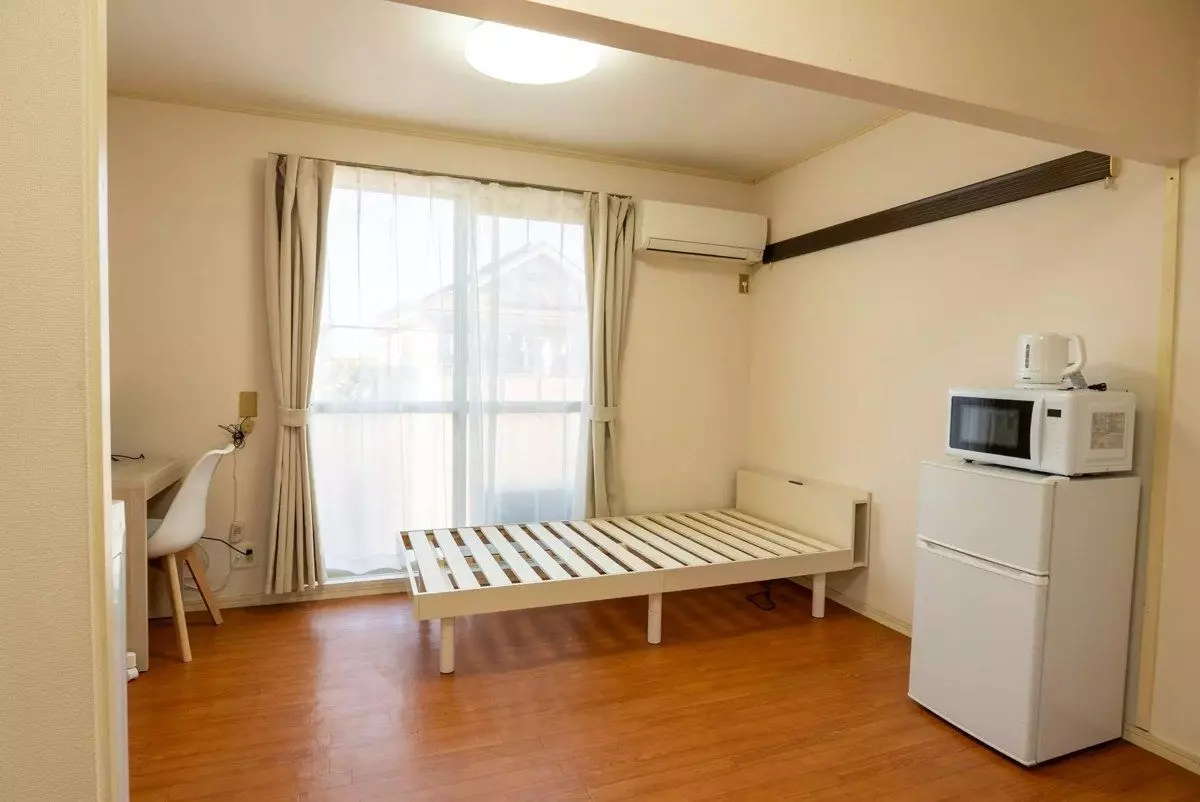
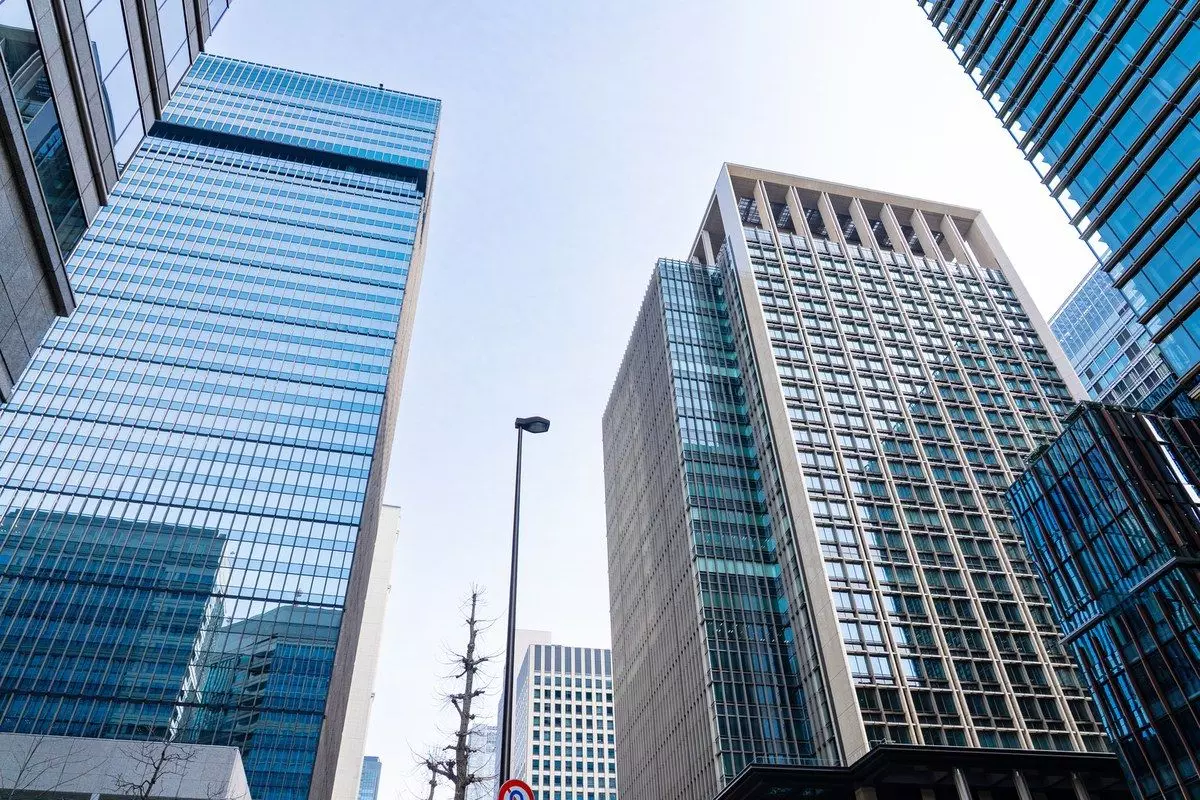
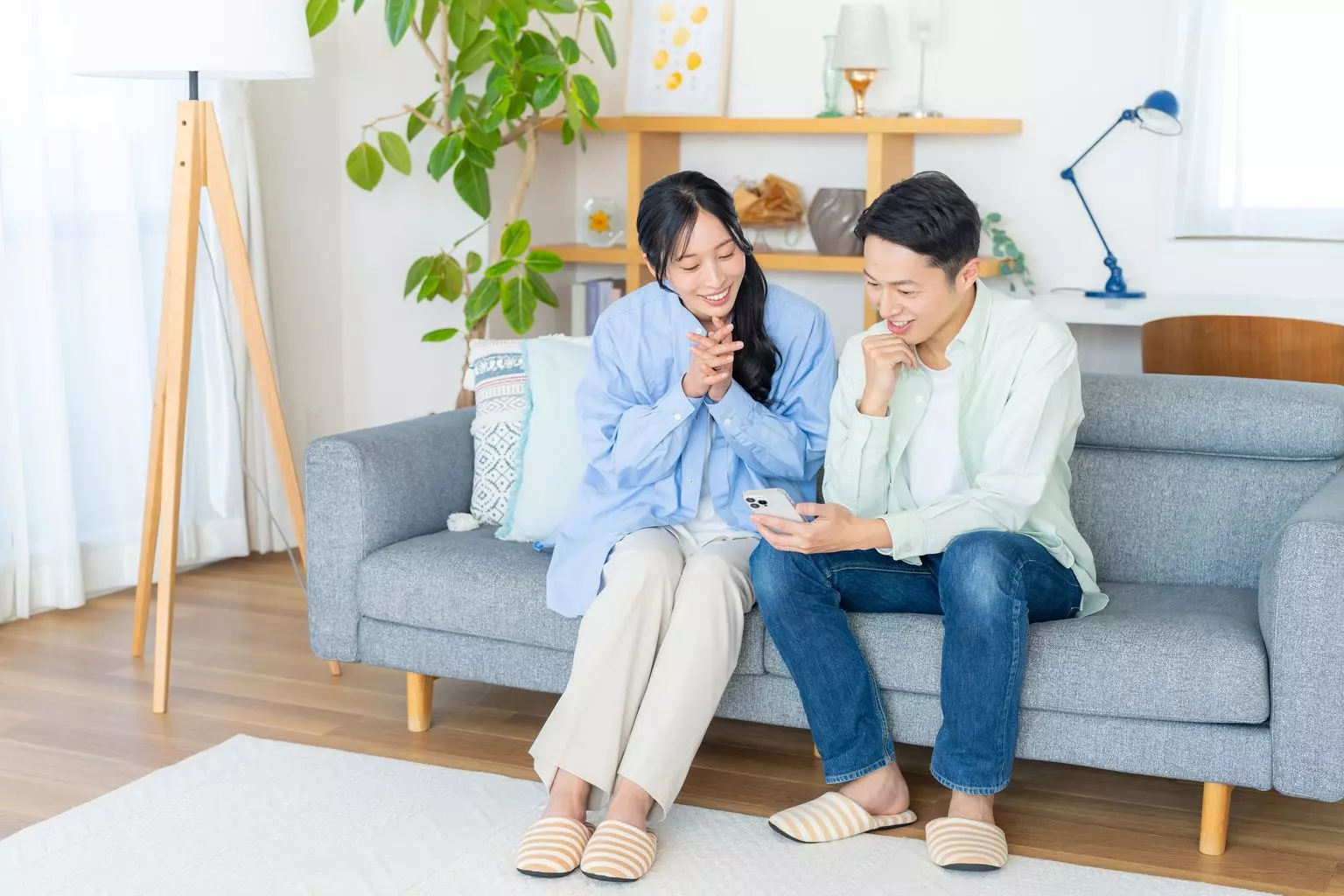
*The photo is an example of a property operated by Cross House in Osaka (shared apartment/SA-XROSS series).
The average rent for a shared house in Osaka, and why it can be rented cheaply.
All of the share houses operated by Cross House in Osaka are private rooms with locks. There are no shared rooms (dormitories), and you can expect to find a private room with guaranteed privacy starting from around 35,000 yen per month.
This will be in addition to the monthly maintenance fee. If you want to have your own private bathroom and kitchen, you can also consider a furnished apartment.
The prices are only estimates and will vary depending on the area, age of the building, room size, and amenities. Please check the table for estimated prices for each type of accommodation.
| Type of housing | Estimated rent (monthly, excluding utilities) | What kind of lifestyle is it suited for? |
|---|---|---|
| Private room in a shared house | From the upper 30,000 yen range | The bathrooms and kitchen are shared. I want to keep costs down while still maintaining my privacy. |
| Furnished apartment | From the upper 40,000 yen range | Having my own bathroom and kitchen is great. I like an environment that's close to living alone in complete independence. |
Even within Osaka City, rent prices vary depending on the area. We've compiled a general guide to which areas are relatively inexpensive and convenient. Please note that actual rent will vary depending on the property and room type, so use this only as a starting point when searching.
| Prioritized conditions | Areas that can serve as a guide | Rent trends |
|---|---|---|
| The main priority is affordability. | Nishinari Ward, Higashiyodogawa Ward, etc. | Low and easy to find |
| A balance between affordability and convenience | Yodogawa Ward, Higashinari Ward, etc. | Mid-range |
| Prioritizing access to the city center | Kita Ward (Umeda), Fukushima Ward, etc. | Slightly expensive, but advantageous for commuting to work or school. |
In the case of Cross House, share houses are operated within this price range, and the price varies depending on the availability of rooms. You can check the latest rent and available rooms on the Rates & Availability page , and filter by area and room type.
Reasons why Osaka is cheaper than Tokyo
Share houses in Osaka tend to be more affordable than those in Tokyo because land and building costs are lower there than in central Tokyo. The Ministry of Land, Infrastructure, Transport and Tourism's "Official Land Price Survey" also shows a difference in land prices between the wards of Tokyo and Osaka City, and this difference in real estate costs, which forms the basis of rent, is reflected in the rent (Source: Ministry of Land, Infrastructure, Transport and Tourism, Official Land Price Survey ).
This explains why, even with the same facilities and size, monthly rent is generally lower in Osaka.
Reasons why shared housing is cheaper than living alone
Share houses tend to be cheaper than studio apartments because residents share facilities such as the kitchen, bathroom, toilet, and sink. Since the private area is limited to individual rooms, the rent per person is lower.
Additionally, many properties come furnished with furniture and appliances, eliminating the need for purchase and delivery costs, thus reducing initial expenses. Choosing a property with lower security deposits (a deposit used for repairs upon moving out), key money (a payment made to the landlord as a token of appreciation), and brokerage fees (fees paid to the real estate company) compared to typical rentals means you won't need to prepare a large sum of money upfront, further contributing to lower costs.
Choosing a private room in a shared house is an affordable way to live in Osaka.
If you want to live in Osaka on a budget, a shared house with a private room that has a lock is the basic option. By sharing bathrooms and other facilities, you can keep rent lower than living alone while still having your own private room.
Private rooms with locks: Balancing privacy and interaction
A private room in a share house allows you to have your own time in a lockable room while still being able to interact with other residents in the shared living room and kitchen. It's more affordable than renting a studio apartment alone, while still maintaining your privacy. It's a popular choice for people who want both alone time and connections with others.
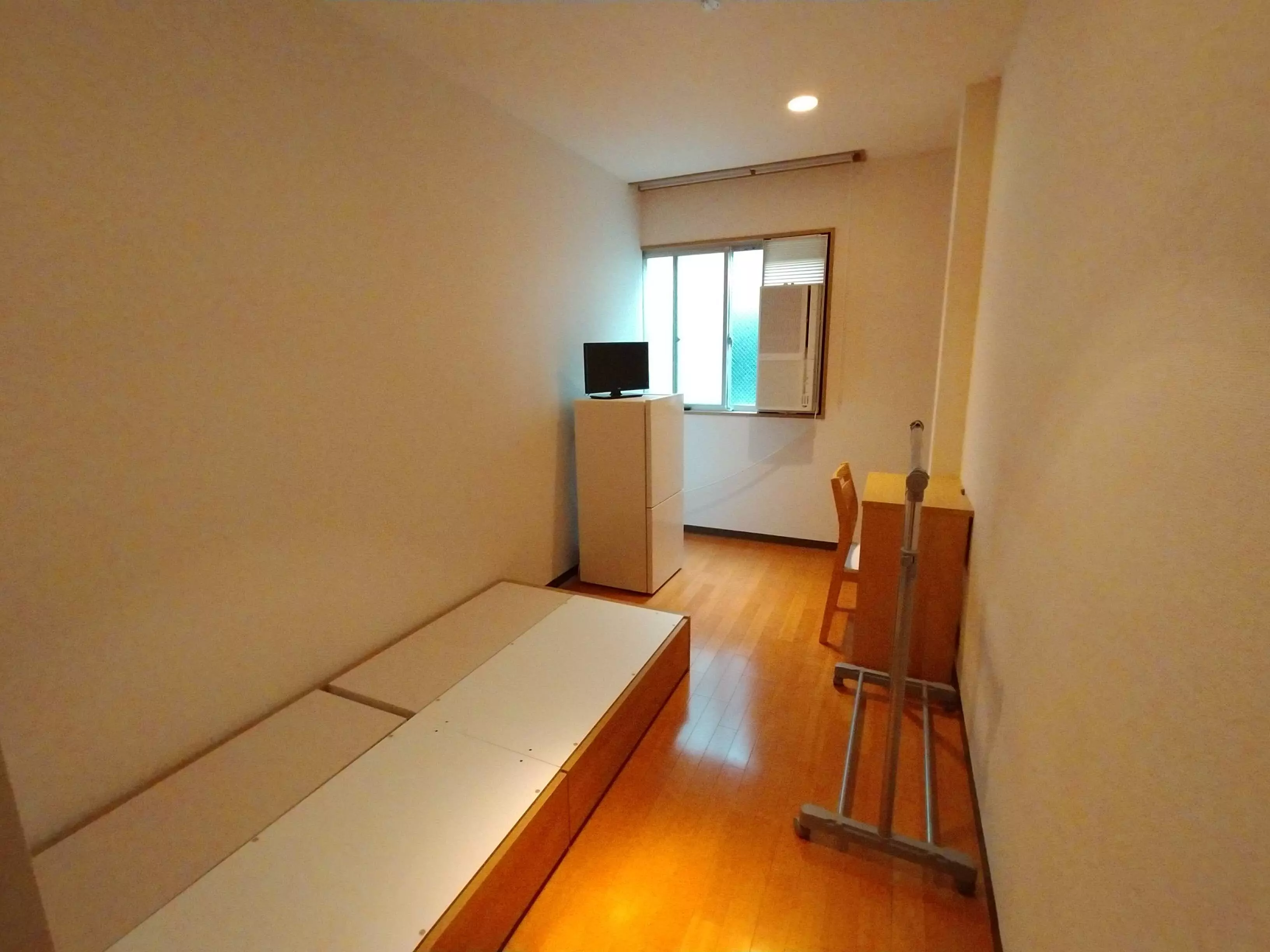
*The photo is an example of a property operated by Cross House in Osaka (shared apartment/SA-XROSS series).
If you want complete privacy, including the bathroom facilities, in addition to a shared house, you can also consider a shared apartment (SA-XROSS series) with a private room and shared bathroom facilities, or a furnished apartment with exclusive use of the bathroom facilities. These are separate products with different amenities and pricing structures.
What's the difference between a furnished apartment and a furnished apartment? See our explanation of the advantages and disadvantages .
Search for a room
Only furnished properties with appliances are listed!
Checkpoints when choosing an affordable share house in Osaka
Choosing a place solely based on low rent often leads to disappointment after moving in, as it's not what you expected. It's reassuring to check the following points, considering both the total cost and the ease of living.
Look at the total amount of money spent each month, not just the rent.
In shared housing, in addition to rent, there are typically common area fees (often including utilities and the cost of shared equipment). Depending on the property, even if the rent seems cheap, the total cost may change once the common area fees are added.
When comparing properties, please consider not only the rent but also the total monthly cost including utilities.
In the case of Cross House's share houses, in addition to the rent, there is a monthly common area fee of 15,000 yen (including utilities and shared amenities) and a safety support fee of 1,500 yen (tax included). Shared amenities include hand soap, toilet paper, kitchen sponges, and dish soap.
For example, for a room with a rent of around 30,000 yen, the estimated monthly payment would be "rent + common area maintenance fee of 15,000 yen + safety support fee of 1,500 yen". Since utilities such as water, gas, and electricity are included in the common area maintenance fee, there is no need to pay for them separately, making the monthly amount easy to predict.
Before signing a contract, clarifying what is included in the rent and what will be charged separately will prevent you from being surprised by the higher-than-expected cost after moving in.
Check the initial costs and the conditions for moving out and relocating.
Initial costs upon moving in are an easily overlooked aspect when choosing a share house. While typical rentals involve a substantial amount for security deposit, key money, and brokerage fees, many share houses minimize these costs.
It's also a good idea to check the terms and conditions for early termination of the contract, as well as the costs involved if you want to move to a different room.
Cross House's share houses have a flat initial cost of 30,000 yen, with no security deposit, key money, or brokerage fees. To cancel, you must notify us at least one month before your desired move-out date, and there are no penalties for early termination (like fines for canceling before the contract is signed).
Upon vacating the property, a cancellation processing fee of 16,500 yen (including tax) will be charged, which constitutes the actual cost of moving out. For individual contracts, a separate guarantee fee will be charged to the guarantee company (a company that guarantees rent payment in place of a co-signer).
Before moving in, it's a good idea to check all three things together: initial costs, monthly payments, and move-out fees. This will prevent you from panicking later.
One risk that is often overlooked when choosing an inexpensive shared house is that "after moving in, you might find that the area or atmosphere doesn't suit you." With Cross House, if you want to move, you can move between properties for free, and there are no initial costs for the new location.
Travel is free not only to other areas within Osaka City, but also across prefectural borders, making it easy to start living in a cheaper area and then reconsider your housing options once you've settled in. For those who don't want to make a mistake by choosing based solely on price, the fact that there's a system in place to allow for later adjustments provides peace of mind.
Check the safety, privacy, and condition of the common areas.
It's important to be able to live safely while keeping costs down. Check if your room has a lock, if the building has security features such as an automatic lock, and if the common areas are kept clean.
For women in particular, whether or not there are women-only properties, floors, or rooms is an important factor in their selection process.
At Cross House's share houses, a cleaning company comes in once a week to help maintain cleanliness in the common areas (daily beautification is maintained by the residents' rules). We also offer online viewings, so you can check the condition of the rooms and common areas before actually visiting.
If you want to start a share house cheaply in Osaka, check out Cross House.
Osaka is an area where rent is generally lower than in Tokyo, and there are more options for shared housing. If you want to keep costs down but also want safety and privacy, a shared house with a private room with a lock can satisfy both requirements.
Cross House operates share houses, shared apartments (SA-XROSS series), and furnished apartments in Osaka, and the number of rooms it operates is expanding every month. Share houses have a flat initial cost of 30,000 yen, with no security deposit, key money, or brokerage fees, and come furnished with appliances.
With just a single bag, you can move in as early as 7 days after applying. The contract can be completed entirely online, allowing you to search for accommodation even from overseas or far away. We have a track record of 50,000 successful moves and we also accommodate foreign nationals.
If you're unsure which area of Osaka to live in, you can narrow down your search by area and conditions on our Osaka share house and property listings page . Feel free to check it out to see if you can find a room that suits your budget and preferences.
Search for a room
Only furnished properties with appliances are listed!
FAQ
What is the minimum rent for a shared house in Osaka?
Cross House in Osaka offers private rooms with locks, and rent starts from around 35,000 yen per month. There are no shared rooms (dormitories), and private rooms are the cheapest option. In addition to this, there are common area fees (which often include utilities and shared amenities). You can check the latest rent and room availability for Cross House on the Rates & Availability page.
Why are shared houses in Osaka cheaper than those in Tokyo?
This is because land and building costs are lower in Osaka than in central Tokyo. The Ministry of Land, Infrastructure, Transport and Tourism's official land price surveys also show a difference in land prices between the 23 wards of Tokyo and Osaka City, and this difference is reflected in rent. Even with the same facilities and size, it tends to be easier to keep monthly rent lower in Osaka.
What are the initial costs for a cheap share house in Osaka?
While costs vary depending on the property, many share houses offer low security deposits, key money, and brokerage fees. Cross House's share houses have a flat initial cost of 30,000 yen, with no security deposit, key money, or brokerage fees. Please note that for individual contracts, a separate guarantee fee to the guarantee company will apply.
What are some things to keep in mind when choosing a shared house with low rent?
It's important to compare not just the rent, but the total monthly cost including common area fees. Additionally, checking things like individual room locks, security features like automatic locks, the cleanliness of common areas, and the terms for early termination and moving out will help prevent discrepancies after moving in.
Are cheap shared houses in Osaka safe for women to live in?
You can live with peace of mind if you keep the key points for choosing a property in mind. Check for security features such as locks on individual rooms and automatic locks, and the cleanliness of common areas. Cross House's share houses have cleaning services in the common areas once a week, and you can check the condition in advance with an online viewing. There are also properties, floors, and rooms exclusively for women.
Are there any shared rooms (dormitory style) in the share houses in Osaka?
Cross House operates private, lockable rooms in Osaka. They do not operate dormitory-style rooms in Osaka. Private rooms start from the upper 30,000 yen range, keeping costs down, and residents can socialize in the shared living room and kitchen while maintaining their privacy.
Are there any fees I will have to pay when I move out?
This varies depending on the property and management company. In the case of Cross House share houses, a cancellation processing fee of 16,500 yen (tax included) is charged upon moving out, which effectively constitutes the move-out cost. Cancellations must be requested at least one month before the desired move-out date, and there are no penalties for early termination. If you move to another property, the move is free of charge, and there are no initial costs for the new location.
If you're looking for an affordable share house in Osaka, don't just look at the rent (private rooms starting from around 30,000 yen), but also consider the total cost including utilities and the overall livability to find a room that suits you. First, check if there are any vacancies that fit your budget and desired conditions.