First things to understand! The overall picture for smooth packing.
The key to a smooth move is to first grasp the "big picture." By understanding the volume of your belongings, and following a strict order of disposing of unwanted items, grouping them, and packing items you use infrequently first, you'll be less likely to make mistakes. Furthermore, if you systematize weight management and labeling of cardboard boxes, you can significantly reduce the chaos and unpacking effort on moving day.
The main reasons why packing "never gets finished"
The reason why packing for a move isn't finished is usually not a matter of time constraints, but rather a lack of proper planning.
A typical example is,
- Instead of getting rid of unwanted items first, I waste time packing them while wondering what to do with them.
- I pack things into boxes "as I find them" without sorting them by room or purpose, which creates extra work later when I have to reclassify them.
- The work stopped midway because we ran out of materials such as cardboard boxes and cushioning materials.
- I sealed up things I'd need until the day of the event too early, which disrupted my routine and led to more rework.
These are the four points. First, make "discard, sort, and pack first" a fixed rule to eliminate the process of indecision, which is the shortest route to success.
Basic principles of packing
The basics of packing are three principles: "Pack items in order of least frequent use," "Pack by room," and "Pack heavy items in small boxes."
First, group items in your house by room and purpose, and pack things you won't need until moving day, such as off-season clothing and stock items. Reinforce the bottom of the cardboard boxes in a cross shape, and the rule of thumb is to use smaller boxes for heavy items (books, dishes) and larger boxes for lighter items (clothing). Fill any gaps inside the boxes with cushioning material or towels to prevent damage and deformation. Finally, label the boxes with "destination (room name)," "contents," "right side up," and "open first" to make unpacking and moving much easier.
Setting goals to avoid problems on moving day.
Here are three goals to set to avoid problems on moving day:
- "90% sealed by the day before."
- "Minimize the number of boxes that need to be sealed on the day of delivery."
- "Create a box that prioritizes opening."
Ideally, pack everything except essentials by the day before, leaving only your carry-on luggage plus the "last box to pack" on moving day. Furthermore, prepare a "priority box to open" containing items you'll need immediately in your new home (toiletries, charger, bedding, one day's worth of clothes, minimal dishes, documents, and valuables), and mark it clearly. If your goal is vague, your belongings will remain scattered until moving day. Conversely, designing your packing to be as close to zero as possible on moving day will significantly streamline both the packing and unpacking process.
When should you start packing? Ideal schedule and steps.
The key to successful moving is to divide tasks among different people at different stages, rather than doing it all at the last minute. A good guideline is to "start preparing one month in advance, begin serious packing two weeks before, and have 90% completed by the day before." Following this schedule will prevent running out of time or forgetting to pack, allowing you to handle moving day with ease.
Here, we will explain the ideal schedule and procedure.
1 month to 3 weeks prior: Deciding whether items are necessary, disposing of unwanted items, and grouping belongings.
At this time of year, "decision-making" takes top priority over "packing."
First, review all your belongings in your home and identify items you don't use or won't be taking to your new home. For unwanted items, check the collection schedule for bulky waste and efficiently use a combination of flea market apps, buyback services, and municipal collection. At the same time, group your belongings by room and purpose, and estimate the number of cardboard boxes you'll need. If you don't sort things out properly at this stage, you're likely to end up rearranging things later.
This is a worthwhile process to invest time in, as it lays the foundation for a smooth move.
Two weeks to one week before: Start packing items that are in the off-season or used infrequently.
I'll start the serious packing during this period.
Pack items you won't need until moving day, starting with those you won't need until then, such as out-of-season clothing, guest bedding, books, and supplies. Be sure to write the room name, contents, and top/bottom orientation on each cardboard box. Separate heavy items into smaller boxes and lighter items into larger boxes. A good tip is to leave boxes that you might still need unsealed so you can seal them all together later.
By planning systematically, you can significantly reduce the risk of panicking the day before.
5 days to the day before: Pack non-essential items into boxes and determine the destination of each box.
The period right before moving is the "finishing touches" phase.
Pack almost everything except for items you'll need on moving day, such as kitchenware, clothes, and appliances. At this stage, clearly write the destination of each box in your new home (e.g., bedroom, kitchen), and mark boxes that should be opened first. This will make unpacking much easier and give clearer instructions during delivery.
If you can seal more than 90% of the items by the day before, the burden on the day itself will be minimized.
On the day: Organize luggage, seal it for the last time, and secure the exit route.
On moving day, all you have to do is execute the plan you've prepared the day before.
Pack only essentials like valuables, documents, chargers, and a day's worth of clothes in your carry-on luggage, and make sure not to put them in cardboard boxes. Seal any remaining boxes and do a final check to ensure there are no items blocking the route from the entrance. Keeping the passage clear will prevent delays and reduce the risk of exceeding the time limit or incurring additional charges.
Preparation is paramount to ensure you can move around smoothly on the day of the event.
Search for a room
Only furnished properties with appliances are listed!
Where should I start packing? How to pack your belongings
One of the most confusing aspects of packing for a move is deciding "where to start." The key is to follow this order: get rid of unwanted items → categorize your belongings → pack the things you won't be using. Deviating from this order will only lead to more repacking and searching for things, making the process inefficient.
By following these five steps, you can finish packing with plenty of time to spare before moving day. Here's a breakdown of the five steps.
Step 1: Dispose of unwanted items
The first thing you should do when packing is get rid of unwanted items. By getting rid of things you don't use or won't be taking to your new home, you can significantly reduce the amount of packing you need. The criteria for deciding what to keep are: "Have I not used it for more than a year?" and "Will it fit in the storage space of my new home?"
For efficient disposal, it's best to use a combination of methods such as municipal bulky waste collection, flea market apps, and recycling shops. If you start packing with unwanted items still inside, you might later decide you don't need them after all, resulting in the extra work of unpacking and repacking. The first step to successful packing is to thoroughly decide whether to throw away, give away, or sell items.
Step 2: Group your belongings
After getting rid of unnecessary items, the next step is to categorize the remaining belongings.
The basic principle is to organize things along three axes: "by room," "by purpose," and "by layout in your new home." For example, grouping items by room, such as bedroom, kitchen, and bathroom, will make unpacking after moving in much smoother. At this stage, it's also important to roughly estimate the number of cardboard boxes you'll need and to separate heavy items (books, dishes) from lighter items (clothes, towels).
If the grouping is unclear, the contents of the boxes will get mixed up, making it harder to find things later. Organizing before packing is crucial for work efficiency.
Step 3: Pack items you won't need until moving day.
Once you've sorted your belongings into groups, start packing items you won't need until moving day, beginning with those you won't need immediately. Typical examples include off-season clothing, guest bedding, books, decorations, and spare supplies. The basic rule is to reinforce the bottom of cardboard boxes and pack heavier items in smaller boxes.
Writing the room name, contents, and orientation (top to bottom) on each box will make unpacking and delivery easier. Packing items early will keep the room tidy and reduce the workload later on.
Step 4: Put together items that you might still use, but do not seal them.
The trick to keeping things you might need right up until the move is to pack them in cardboard boxes but leave them unsealed. Put everyday clothes, toiletries, and essential dishes and cooking utensils together in a box so you can easily access them. Forcing a seal on a box will only make your life inconvenient and you'll likely end up having to open it again.
This method allows you to seal all the packages at once the day before or on the day of delivery, saving you time.
Step 5: Seal all the cardboard boxes on moving day.
The final step is to seal all the boxes on moving day.
If you pack more than 90% of your belongings by the day before, on the day of the move, all you need to do is close the boxes containing your daily necessities. After sealing the boxes, double-check the number of boxes and labels, and make sure there are no items left in the way of the move-out route.
If you prepare in advance, you can handle things calmly on the day and avoid the risk of delays and additional costs.
List of items needed for packing and packing materials
To ensure a smooth moving process, it's crucial to gather all necessary items and packing materials in advance. Running out of supplies midway through can halt the process and disrupt your schedule. Knowing what essential materials you need, as well as convenient gadgets to improve efficiency and specialized packing materials for appliances and furniture, will allow for efficient and waste-free packing.
Essential packaging materials
The essential packing materials you need are cardboard boxes, packing tape, cushioning material, and permanent markers.
- Prepare cardboard boxes of different sizes, using smaller ones for heavy items and larger ones for lighter items such as clothing.
- Cloth or craft-type duct tape is easiest to use, and the basic technique is to reinforce the bottom in a cross pattern.
- Cushioning material is essential for protecting fragile items and filling gaps, and newspaper or towels can be used as substitutes.
- Oil-based pens are used to write the contents of a box, the room name, and the top and bottom.
By preparing all of these items together at the beginning, you can pack without interruption and proceed efficiently.
Helpful gadgets that are useful to have
While not essential, there are many handy items that can make packing significantly easier.
- Colored stickers and masking tape can be used to color-code items by room, saving time during delivery and unpacking.
- Rubber bands and cable ties are convenient for bundling cords and cutlery.
- Work gloves or rubber gloves protect your hands and reduce strain during long hours of work.
- It's reassuring to have tools such as scissors, a utility knife, and a screwdriver on hand.
- Having a hanger case or garment cover allows you to transport clothes without folding them, preventing wrinkles.
By utilizing these helpful items, you can make packing less stressful.
Materials that are often needed for home appliances and furniture
When packing home appliances and furniture, specialized materials may be required in addition to regular cardboard boxes.
- Cushioning materials for home appliances, such as styrofoam and stretch film, are effective for protecting televisions and refrigerators.
- Having cable ties and label tags ready to bundle cords and hoses will prevent confusion during installation.
- If you need to disassemble furniture, small bags for storing screws and masking tape will come in handy.
- Having protective materials to shield the corners of large furniture provides peace of mind.
By anticipating and preparing these materials in advance, you can reduce the risk of damage and ensure a safe move.
Search for a room
Only furnished properties with appliances are listed!
Tips for packing with cardboard boxes
When packing for a move, the efficiency and safety of the packing process depend greatly on how you use cardboard boxes. By thoroughly following the correct assembly and packing methods, and ensuring clear labeling, you can prevent damage and problems during transport. Paying attention to three points in particular—"bottom reinforcement," "weight balance," and "labeling rules"—will lead to a smoother move and faster unpacking.
How to assemble cardboard boxes
Cardboard boxes, if assembled incorrectly, can cause the bottom to break or warp during transport. The basic rule is to secure the bottom with packing tape in a cross pattern, and for boxes containing heavy items, reinforce them with H-shaped tape. Applying tape not only to the bottom but also to the seams of the sides will increase strength. It's also important to place the box on a flat surface during assembly to check for any warping.
Choosing the right box size is also important; use smaller boxes for heavy items like books and dishes, and larger boxes for lighter items like clothes to make them easier to carry. Proper assembly is the foundation for safe and efficient packing.
Replace heavy items with lighter ones, and fill in any gaps.
When packing items into cardboard boxes, the basic rule is to place heavier items at the bottom and lighter items on top. Putting heavy items like books and dishes at the bottom and then stacking towels and clothes on top will make the boxes more stable. The weight of each box should be such that one person can comfortably lift it; it's important not to overpack.
Also, if there are gaps inside the box, the contents will shift during transport and may be damaged. Be sure to fill any gaps with cushioning material, newspaper, or towels. Packing with weight and stability in mind will help prevent accidents and improve work efficiency.
How to write and mark "This side up," "Fragile," and "Open first"
Labeling cardboard boxes is an important point for making the moving process go smoothly.
- First, write the "room name" and "contents" in large letters on the side of the box, and for items with a designated top and bottom, be sure to include an arrow indicating "Top and Bottom ↑".
- For fragile items such as tableware and glassware, it's effective to clearly label them "Fragile" and surround them with a brightly colored border.
- To make unpacking easier, write "Prioritize opening" or "Use immediately" on boxes containing items you'll need right away, and use colored stickers for identification.
Standardizing the labeling rules simplifies instructions during delivery and significantly reduces stress after moving.
Use different colors for each room to speed up unpacking.
If you want to streamline unpacking after moving, a method of managing cardboard boxes by "color-coded by room" is effective. Assign a color to each room in your new home in advance, and then attach stickers or masking tape of the corresponding color to the cardboard boxes.
for example,
- The kitchen is red
- The bedroom is blue
- The bathroom has greenery, etc.
By deciding on a color-coding system in advance, you can easily identify the destination of each item just by looking at its color during the move. Instructions to the movers can be as simple as saying, "Red goes to the kitchen," ensuring a smooth process. Furthermore, attaching the same colored paper to the doors and walls of each room in your new home will eliminate any confusion. Writing the room name and contents on the side of each box will prevent you from searching for items when unpacking. Simply deciding on and sharing a color-coding system beforehand can significantly reduce the time spent on unpacking after the move.
Packing tips for different types of items: fragile items, kitchenware, etc.
Kitchenware and fragile items are among the most vulnerable items to damage during a move. The basics are to "wrap each item individually," "pack them upright," and "leave no gaps."
By carefully selecting the right cardboard box sizes and packing techniques, you can safely transport dishes and cooking utensils. Knowing the correct packing methods will help prevent the need for replacements or problems after moving.
How to pack teacups
Because teacups are round and easily broken, it's essential to wrap each one individually. Covering the entire teacup with newspaper or cushioning material and wrapping it from the bottom will provide stability. When placing them in a cardboard box, the trick is to place them vertically rather than stacking them. Placing them horizontally will concentrate the impact on one point, causing them to break.
Fill any gaps with crumpled paper or towels to secure the contents and prevent them from moving around inside the box. Choose a small cardboard box and be careful not to make it too heavy. Finally, it's a good idea to clearly mark the box with "Fragile" and "This Side Up."
How to pack plates (flat plates)
For flat plates, the safest way to pack them is to stack them, wrap them, and store them upright. Place newspaper or cushioning material between each plate, then wrap several plates together. After that, arrange them upright in a cardboard box, making sure to fill in any gaps.
It's essential to avoid placing items on their sides, as they are prone to breaking under their own weight. Place cushioning material at the bottom of the box to absorb shocks. Large plates are especially heavy, so it's best to use smaller boxes rather than trying to cram them in.
Packaging method for cups and glasses
The rim of cups and glasses is the most fragile part. When wrapping them in newspaper or cushioning material, pack paper inside as well to increase strength. The basic rule is to place them upright with the bottom facing down. For stemmed glasses, focus on protecting the stem, and if possible, create individual dividers for added security.
Be sure to fill any gaps inside the cardboard box and secure the contents so they don't move around. Don't forget to label the box with "Fragile" and "Handle with Care."
Packaging methods for sharp objects (kitchen knives, etc.)
For knives and other sharp objects, safety measures are just as important as preventing damage. Cover the blade with cardboard or thick paper, and then secure it with newspaper or tape. The key is to protect the blade completely so that it is not exposed.
If you have multiple items, it's safer to process them one by one rather than wrapping them all together. It's also a good idea to clearly mark the cardboard box with "Contains Sharp Objects" to warn people to be careful not to get injured when opening it.
How to organize kitchen utensils and cutlery
Packing cutlery such as spoons, forks, and chopsticks together by type will make unpacking easier. Lightly bundle them with rubber bands or cable ties, wrap them in newspaper, and then pack them in a box. Smaller cooking utensils can be placed in small boxes or cases to prevent them from getting lost.
Since it can also be used to fill gaps in cardboard boxes, one option is to put it in the same box as fragile items. However, pack it separately from sharp objects.
How to pack pots and pans
While pots and pans are relatively resistant to breakage, their weight requires careful packing. Stack them by size, placing newspaper or towels between them to prevent damage. Wrap the lids separately and store them upright to prevent breakage.
If the box has handles, cover them with cushioning material to prevent them from getting caught on other items. It's important to use medium to small-sized boxes and adjust the weight so that the box doesn't become too heavy.
Leakage prevention measures for condiments and liquids (decision on transport/disposal)
Condiments and liquids can cause spills and contaminate other items if not properly sealed. Make sure the lids are tightly closed, then double-wrap them in plastic wrap or a plastic bag, and pack them upright in the box.
Unopened or expensive condiments are worth carrying, but it's important to decide whether to discard partially used or small quantities. Oil and soy sauce, in particular, can cause significant damage if they leak, so it's a good idea to put them in a separate box and label it "contains liquid" for peace of mind.
Search for a room
Only furnished properties with appliances are listed!
Packing tips for different types of items: clothing, bedding, and household goods.
Clothing, bedding, and daily necessities are bulky items that can easily take up a lot of space in cardboard boxes if not packed correctly. The three basic points to keep in mind are: "don't compress too much," "separate items you'll use that day," and "prevent moisture and leaks."
Packing items correctly according to their purpose allows you to resume your life immediately after moving and significantly reduces the burden of unpacking.
Packing futons
Because futons are bulky, it's ideal to use a dedicated futon bag or a bag provided by the moving company. If you pack them yourself, make sure to dry them thoroughly on a sunny day to remove any moisture before storing them. Compression bags save space, but they are difficult to restore if left in them for a long time, so limit their use to short periods.
When putting your bedding into a bedding bag, it's best to place the heavier mattress at the bottom and the comforter on top for stability. If you use bedding frequently, it's convenient to separate the bedding you'll use on any given day.
clothes
The key to packing clothes is to differentiate the method based on the type and how often you wear them. Fold everyday clothes and underwear and put them in cardboard boxes, while using hanger cases is efficient for suits and dresses that you want to avoid wrinkles.
Clothing is lightweight, so people tend to use large boxes, but be careful not to overpack, as this makes them difficult to carry. It's a good idea to pack out-of-season clothes first and prepare a change of clothes for moving day separately as carry-on luggage.
Packing laundry and towels
Always pack laundry and towels when they are completely dry. Packing them while damp can cause mold and odors, so be careful. Towels can also be used as cushioning material, so using them to fill gaps in fragile items can reduce the number of cardboard boxes needed.
To ensure a comfortable start to your move, pack frequently used items like towels and loungewear into a "priority box for opening." Since these items are light and come in large quantities, remember to manage the weight of the box carefully.
Bathroom product packaging and leak prevention
For bath products such as shampoo and body wash, leak prevention measures are essential. Close the lid tightly, cover the opening with plastic wrap, place it in a plastic bag, and pack it upright in a box.
It's safer to pack items you're currently using the day before or on the day of, rather than trying to pack them yourself. Disposing of items with low remaining quantity is also a good idea. Clearly mark boxes with "Contains Liquid" and "This Side Up," and manage them separately from other belongings.
Handling of spray cans and hazardous materials
Be aware that moving companies often cannot transport aerosol cans and flammable hazardous materials. Unused aerosol cans or those with contents remaining should be disposed of according to local regulations or transported by yourself.
In some cases, you may need to use up the contents and puncture the container before disposal. Lighters, kerosene, and nail polish remover should also be handled with care. Checking with the shipping company beforehand whether they can transport these items can prevent problems on the day of delivery.
Packing tips for different types of items: Furniture, home appliances, and precision equipment.
Furniture, home appliances, and precision equipment are heavy and complex in structure, making them prone to damage and accidents if not properly prepared. The basics are to "empty the contents," "secure moving parts," and "manage wiring and components."
Thorough preparation and signage will ensure safe loading and unloading, and prevent problems during installation.
Large furniture
For large furniture, remove all contents beforehand and secure drawers and doors with tape or stretch film. Check the removal route (entrance, hallway, elevator) in advance, and consider disassembling if it won't fit. Protect corners and surfaces with protective materials to prevent contact with floors and walls. If disassembly is necessary, place screws and fittings in small bags and tape them to the main body to prevent loss. For heavy items, it's important not to try to move them yourself and to leave it to the professionals.
Bookcases and cupboards
For bookshelves and cupboards, protecting the shelves and glass surfaces is the top priority. Remove any adjustable shelves, wrap them in cushioning material, and store them separately from the main body. If there are glass doors, apply masking tape in an "X" pattern to prevent breakage, and secure the entire unit with film. Be sure to empty the contents to reduce weight and prevent damage. Prepare the unit so that it can be transported upright to prevent it from tipping over during removal.
Wardrobe/Clothing storage
While it's generally best to empty a wardrobe before moving it, lightweight clothing storage cases can sometimes be moved with their contents inside. Secure drawers with tape or film to prevent them from sliding out. If you leave contents inside, be careful not to exceed the weight limit and avoid putting fragile items in them. It's helpful to briefly label the contents on the outside of the case so that it can be used immediately after installation.
Assembled furniture
When assembling furniture, decide whether or not to disassemble it based on its size and strength. If disassembling, put screws and hardware in small bags and store them with the instructions for smoother reassembly. Protect the corners of the boards to prevent warping and damage. If not disassembling, secure the movable parts and wrap the entire piece in film for protection. Management with future reinstallation in mind is important.
Packaging for video equipment such as televisions and audio equipment.
For TVs and audio equipment, use the original box if possible. If not, protect the screen side with thick protective covering and focus on protecting the corners. Disconnect and bundle the cables, and label them for easy management. Stands should be removed and packed separately. Clearly mark the cardboard box with "Precision Equipment" and "This Side Up" and prepare it so that it can be transported upright.
Packaging a computer
Since computers are precision instruments, always back up your data before packing. Wrap the main unit in cushioning material and secure it so that it does not move inside the box. Put peripherals and cables in a separate bag and label them so that you know which ones are which. For laptops, use extra screen protection and carrying it yourself as hand luggage is also a safe option.
small home appliances
Small appliances such as microwave ovens and rice cookers should be packaged separately after removing any internal moving parts and accessories. Wipe away any moisture or dirt, and protect the entire appliance with cushioning material. Tape the cord to the main unit to prevent tangling. Clearly label the box with the appliance name and remember to indicate the top and bottom. Distributing the weight amongst the items is key to avoiding excessive weight.
Preparing the refrigerator
Empty the refrigerator the day before, turn off the power, and allow it to defrost and drain. Clean and dry the inside of the refrigerator, and ideally remove shelves and cases and pack them separately. Secure the door with tape or film to prevent it from opening during transport. Decide on the installation location and orientation in advance so that it can be used immediately after reinstallation.
Preparing the washing machine
Draining the water from the water supply and drain hoses of a washing machine is essential. Perform a test run and spin cycle the day before to remove any remaining water. Disconnect and bundle hoses and cords, and if your model has transport fixing bolts, be sure to install them to prevent drum movement and reduce the risk of malfunction. Keep all necessary installation parts together in one place.
Precautions for gas stoves/kerosene heaters, etc.
For gas stoves, turn off the gas valve, remove the stove, and then clean and dry it. For kerosene heaters, completely drain the kerosene and dispose of it according to local regulations. Since some companies may not be able to transport flammable or hazardous materials, prior confirmation is essential. When transporting them, use airtight containers and manage them separately from other luggage.
Handling of delicate items such as Buddhist altars and religious implements
Buddhist altars and religious items are delicate and require careful handling. Small items should be wrapped individually and packed in a dedicated box. The altar itself should be protected with protective materials, paying particular attention to covering corners and decorative parts. If possible, it is best to entrust the work to a professional company. Decide on the installation location in advance and clearly define the instructions for delivery.
How to obtain cardboard boxes and choose the right size
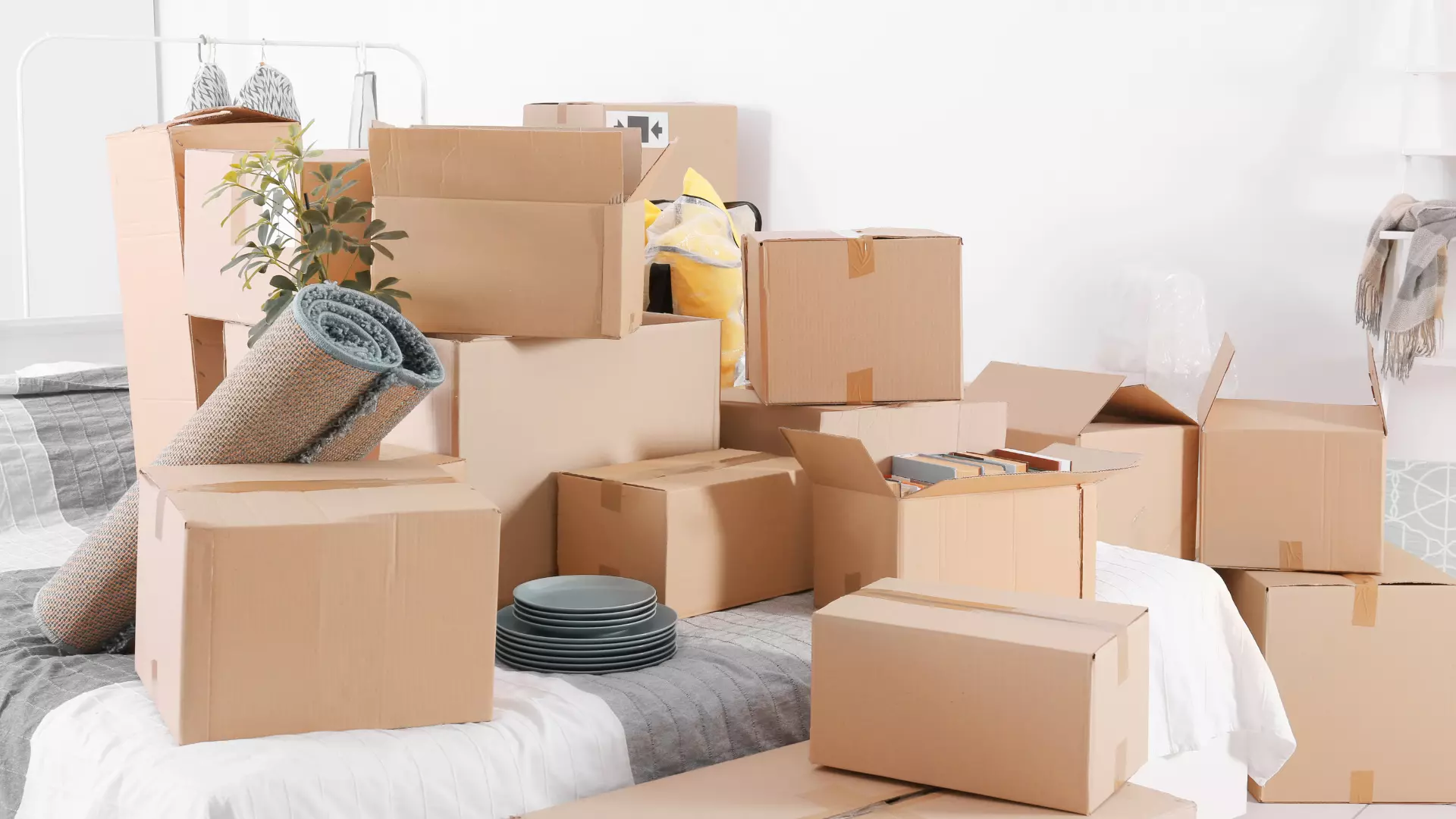
To ensure a smooth moving process, it's crucial to understand how to obtain cardboard boxes and choose the right sizes beforehand. Starting without knowing how many you need will result in waste, such as "not enough" or "too many." Understanding the characteristics of different suppliers, how to choose the right size, and how to estimate your needs will allow you to pack efficiently.
How to obtain cardboard boxes
There are two main ways to obtain cardboard boxes: "getting them from the moving company" or "preparing them yourself." Many moving companies provide cardboard boxes free of charge as a contract benefit. Since they are all the same size and strong, it's recommended to check with the moving company first.
If you're providing the boxes yourself, you can find them at supermarkets, drugstores, home improvement stores, and online retailers. Be aware that free boxes vary in size and strength, so be careful when preparing heavy items. Combining the use of boxes provided by suppliers with those you procure yourself will help you prepare efficiently and avoid waste.
How do you choose the size of cardboard box?
When choosing the size of a cardboard box, consider the type and weight of your contents. Small boxes are suitable for heavy items such as books and dishes, prioritizing ease of transport. Medium boxes are versatile and suitable for kitchenware and miscellaneous goods, while large boxes are ideal for light and bulky items such as clothing and bedding.
Putting heavy items in a box that is too large can cause the bottom to break or make it difficult to carry, so caution is necessary. Using boxes of the appropriate size will greatly improve safety and work efficiency.
Estimation methods to prevent under- or over-estimation
To accurately estimate the number of cardboard boxes needed, the key is to consider the number of rooms and your lifestyle as the basis.
As a guideline,
- For a single person, 20-30 boxes
- 30-40 boxes for a household of two
- For a family household, 50 boxes or more is typical.
We will add extra charges if you have a large amount of books or clothing. The estimate will be more accurate if you group your belongings beforehand and visualize what goes in each box. Having a few extra boxes prepared will allow you to flexibly accommodate any last-minute increases in your belongings.
What happens if you haven't finished packing on moving day? Solutions.
If packing isn't finished by moving day, it can lead to delays, additional costs, or in the worst case, the move being impossible. While it's ideal to complete packing in advance, understanding practical solutions for when you can't finish on time, as well as important points regarding contracts and regulations, can minimize the damage.
Reasons why it should be completed by the day
The biggest reason you should finish packing by the day of the move is that the moving process is "strictly managed by time and manpower." If there are unpacked items, the loading will stop, the work will be delayed, resulting in additional charges, or it may even affect the next job and result in the move being refused.
Furthermore, hastily packing increases the risk of damage or loss. In addition, carriers often cannot assume responsibility for the transportation of unpacked items, and they may not be covered by insurance. The best approach in terms of cost, safety, and peace of mind is to seal more than 90% of the items the day before and only do the "final seal" on the day of delivery.
Solution 1: Pay for delivery yourself.
If you have any remaining belongings, you can ship them yourself using a courier service or chartered transport. For items like clothing, books, and small appliances, sending them later by courier is a practical option. The advantage is that it's often possible to ship immediately, but it can become expensive if you have multiple boxes.
Pack fragile items and precision equipment carefully, and choose a service that includes tracking and insurance. The ability to specify the delivery date to your new home is also a benefit.
Solution 2: Use a packing service.
You may be able to request a packing service from the moving company on the day of your move. The advantage is that professionals will pack your belongings quickly and safely, minimizing the risk of damage.
On the other hand, same-day service often incurs an additional charge, and may not be available depending on the booking situation. Checking in advance whether partial requests, such as cleaning only the kitchen or only fragile items, are possible will make it easier to decide when you need it.
Solution 3: Carry it yourself
For small amounts, you can consider transporting your belongings yourself using your own car or a rental car. It's generally best to transport valuables, documents, and essential items you'll need that day yourself. However, transporting large appliances or heavy items carries a high risk of injury or damage and is not recommended. Road conditions and parking space must also be considered. This option should be limited to "lightweight, small quantities, and non-damaging items."
Terms and Conditions
Moving contracts clearly state how unpacked items will be handled and who will be responsible for any additional charges for work exceeding the allotted time. In most cases, unpacked items are not covered by transportation insurance, and any additional work will incur extra charges. Furthermore, hazardous materials and items that cannot be transported cannot be handled even if discovered on the day of the move. Checking the standard moving transportation terms and conditions and the notes on the estimate in advance, and consulting with the moving company as soon as possible if there is a possibility that you may not be able to meet the deadline, is key to avoiding problems.
Common problems and mistakes
When packing for a move, even a small oversight can easily lead to significant stress. Mistakes in handling cardboard boxes, labeling rules, or managing valuables can cause problems on moving day or afterward. Knowing common mistakes beforehand can help prevent them and ensure a smooth move.
Here, we'll introduce some common problems and mistakes.
The cardboard box is too heavy / the bottom will fall out
One common mistake is overpacking cardboard boxes, making them too heavy and prone to the bottom breaking or becoming difficult to carry. Putting heavy items like books or dishes in large boxes increases the risk of damage or accidental drops during transport.
The key to packing is to follow the basic rule of "heavy items in small boxes, light items in large boxes." Reinforce the bottom of the cardboard boxes with packing tape in a cross shape, and H-shape if necessary. Aim for a weight per box that one person can comfortably carry, and be mindful of distributing the contents amongst yourself.
The labels are vague, making unpacking a nightmare.
Ambiguous labels can make unpacking confusing in your new home, as you won't know where each box goes. Avoid vague descriptions like "miscellaneous" or "various," and always include the room name and specific contents. In addition, it's important to use consistent labels such as "This Side Up," "Fragile," and "Open First."
Using different color schemes for each room makes it easier to give instructions during delivery. Taking the time to properly label things will help reduce the amount of work time after the move.
Lost valuables after putting them in a box.
It's very common to put valuables such as cash, bankbooks, seals, and important documents in cardboard boxes and then lose track of them. As a general rule, you should never put valuables in cardboard boxes, but instead keep them with you as carry-on luggage.
If you absolutely must pack your belongings in a box, use a dedicated small box and clearly label it "Valuables" and "Purchased by myself" to separate it from your other belongings. To prevent loss or theft, it is crucial to maintain strict self-management until the very end.
I can't find anything I'll need right away in my new home.
A common problem after moving is not knowing where essential household items are located.
As a countermeasure, be sure to prepare one or two "priority opening boxes" and put toiletries, a charger, toilet paper, a day's worth of clothes, and essential dishes inside. Label these boxes with a bright color or label and decide that you will open them first. Just by anticipating and organizing the "items you will use first," the start of your new life will be significantly more comfortable.
Tips for making post-move cleanup go smoothly
The success or failure of unpacking after moving is largely determined at the packing stage. By packing in an order that you anticipate opening items in, designing the flow of movement in each room, and handling various procedures in parallel, you can minimize the stress of unpacking. A little planning beforehand is the surest way to start your new life smoothly.
I'll decide the order in which to unpack things at my new home and then pack accordingly.
The best tip for making unpacking more efficient is to decide on the order in which you will open your belongings in your new home and pack accordingly.
The first things to open are toiletries, toilet paper, chargers, lights, curtains, and a day's worth of clothes—essential daily necessities. These are grouped into one or two boxes designated as "priority boxes" and clearly labeled. Next, kitchen supplies and bedding, and finally, decorations and out-of-season items. Keeping this order in mind will help prevent your daily life from becoming stagnant.
Packing items in an order that you anticipate will help reduce fatigue on moving day and is an important preparation for returning to your normal life the next day.
Create an "unboxing area" in each room.
In a new home, deciding on an "unpacking area" for each room beforehand will make unpacking go much faster. The key is to allocate space in each room, such as the living room, bedroom, and kitchen, and only unpack the boxes from that room. If you unpack everything together, things will get scattered and the flow of movement will be disrupted. Using room-specific color coding or labels in conjunction with this will make sorting much easier. Limiting the area makes it easier to feel a sense of accomplishment even in a short amount of time, and allows you to unpack efficiently.
Moving Procedure Checklist
After moving, you will need to proceed with various procedures while simultaneously unpacking your belongings.
Typical examples are:
- Procedures for starting electricity, gas, and water services
- Internet connection
- Mail forwarding request
- Change of residence registration
- Changes to your address on your driver's license or insurance policy, etc.
Missing any of these procedures can disrupt your life, so it's a good idea to create a checklist beforehand. By tackling them one by one while unpacking, you can avoid the chaos after moving and ensure a smooth start to your new life.
summary
The key to successful packing for a move boils down to three things: early preparation, the correct procedure, and forward-thinking packing. Start by getting rid of unwanted items, pack things you don't use often first, and manage your belongings with labels and color coding to avoid panicking on moving day and afterward. Knowing how to use cardboard boxes and how to pack different types of items will prevent damage and loss of belongings, allowing you to start your new life smoothly.