
What are rental move-out fees? Basic structure and items that may be incurred.
Rental move-out expenses refer to the total costs incurred when a tenant moves out, mainly those related to restoring the property to its original condition and cleaning. Rental agreements stipulate the burden of these costs between the tenant and landlord, and the scope of these costs is defined in the contract and by guidelines from the Ministry of Land, Infrastructure, Transport and Tourism. It is important to know the breakdown and average costs in advance, as not understanding the mechanism of move-out expenses can lead to the risk of being charged for unnecessary services.
This section outlines typical expenses incurred when moving out, explains the reasons for these expenses, and provides basic knowledge to prevent future problems.
Breakdown of major costs incurred upon moving out (cleaning fees, repair costs, etc.)
Costs incurred when moving out of a rental property include house cleaning fees and interior repair costs. House cleaning refers to cleaning by a professional company, and typically includes mold removal in the kitchen, bathroom, and other wet areas, as well as waxing of floors and hardwood floors.
Repair costs include things like replacing wallpaper, repairing scratches on the floor, and replacing tatami mats, and the amount varies greatly depending on the condition and age of the property. The average cost incurred when moving out is 30,000 to 50,000 yen for a studio apartment, and can exceed 100,000 yen for a family-sized property. In cases where the costs are high, the amount charged may exceed the security deposit, which can be a significant burden for the tenant, so caution is advised.
Relationship between security deposit and move-out expenses | Cases where it is refunded and cases where it is deducted
The security deposit is intended to cover expenses upon vacating the property, and the remaining amount will be returned after deducting the costs of restoring the property to its original condition and cleaning.
For example, if the only damage to the interior is normal wear and tear or deterioration due to age, no move-out fees will be charged, and most of the security deposit will be returned. However, in cases where additional costs are incurred due to nicotine stains on the wallpaper from smoking, damage caused by pets, or dirt left unattended, the tenant may have to pay more than the security deposit.
The settlement of security deposits upon vacating a property is a common source of disputes, so it is crucial that it is handled appropriately based on the contract terms and special clauses. When communicating with the management company or landlord, it is necessary to verify whether the requested amount is reasonable.
This explains the process by which bills are issued by property management companies and landlords.
The process of billing for move-out costs begins when the management company or landlord inspects the property after the tenant moves out and estimates the necessary repairs and cleaning. They then calculate the cost of restoring the property to its original condition, deduct it from the security deposit, and bill the tenant. While this is usually confirmed during the move-out inspection, the estimated costs can often be substantial.
If you are not satisfied, you can negotiate based on the Ministry of Land, Infrastructure, Transport and Tourism guidelines and the contents of the contract, and consult with a consumer affairs center if necessary. It is important to understand the billing process beforehand, as insufficient knowledge about move-out costs can lead to paying unnecessary fees.
What is the average cost of moving out? A comparison by rental property type.
The cost of moving out of a rental property varies greatly depending on the size of the room, the facilities, and the age of the building. There can be a difference of tens of thousands to over a hundred thousand yen between a studio apartment and a family-sized apartment, and the cost also fluctuates depending on the region. The scope of restoration and cleaning required upon moving out varies depending on the tenant's usage and the degree of wear and tear, and high charges may be incurred. Therefore, understanding the average costs for each type of property in advance is very important to avoid unnecessary expenses.
Here, we'll summarize the average costs of moving out, from studio apartments to family-sized apartments, and compare the differences between central Tokyo and other regions.
Average cost of moving out of a studio apartment, 1K, or 1LDK apartment.
For rental properties suitable for single occupants, such as studio apartments or 1K apartments, the average cost of moving out is said to be around 30,000 to 50,000 yen. This mainly consists of house cleaning fees, which typically include cleaning floors and flooring, and removing dirt from bathrooms and kitchens.
Repairs to small scratches or holes in the wallpaper may also be required, and the cost tends to increase the longer you've lived there. In particular, if you smoke or keep pets, additional charges are more likely, often resulting in a significant financial burden.
To avoid unexpected expenses when moving out, it's important to understand the going rates and make the necessary preparations.
Average cost of family-friendly properties (2LDK to 3LDK)
For family-oriented 2LDK to 3LDK rental properties, the average move-out cost can be around 100,000 yen, which is a greater burden compared to properties for single occupants. Because there are more rooms, there are more areas to clean, and the cost often includes repairs to walls and floors, as well as replacement of tatami mats and sliding doors.
Especially in households with children, additional costs are likely to arise due to things like scribbles on the wallpaper or wear and tear on the flooring, which can lead to unexpectedly high bills.
Furthermore, damage caused by furniture placement and deterioration from equipment use are also subject to repair costs, and it is not uncommon for this to result in a difference of tens of thousands to over a hundred thousand yen. When moving out, it is important to check the estimate and carefully assess the reasonableness of the costs.
Differences based on region and building age | Comparison between central Tokyo and rural areas
The average cost of moving out varies greatly depending on the region and the age of the building. In areas with high rent prices, such as central Tokyo, cleaning and repair costs upon moving out tend to be high, and in some cases, even for a studio apartment, it can cost more than 50,000 yen.
On the other hand, rental properties in rural areas can be cheaper for the same size, sometimes costing around 30,000 yen. In older properties, the scope of restoration may be limited, which can reduce the burden on the tenant. However, in newer or recently built properties, stains on the walls and floors are more noticeable, which is likely to result in higher charges.
Knowing in advance how much the move-out costs will be and comparing them to market rates to determine if the charges are reasonable is crucial to avoid paying unfair fees.
Search for a room
Only furnished properties with appliances are listed!
Scope of Restoration to Original Condition and Burden Rules | Guidelines Based on the Ministry of Land, Infrastructure, Transport and Tourism
When considering the costs of moving out of a rental property, it is crucial to correctly understand the scope of restoration to its original condition. The Ministry of Land, Infrastructure, Transport and Tourism guidelines state that tenants are not responsible for normal wear and tear or deterioration that occurs during everyday life, and that they are only responsible for damage caused by negligence or intent. However, in reality, disputes over exorbitant charges are common at move-out sites, and judgments often differ depending on the contract and special clauses.
This section explains the difference between wear and tear due to aging and normal use, and damage caused by negligence, as well as how to handle equipment that has exceeded its useful life, and addresses common misunderstandings and anxieties regarding cost burdens upon vacating the property.
Cases where deterioration due to age or normal wear and tear is not the tenant's responsibility
The Ministry of Land, Infrastructure, Transport and Tourism's guidelines clearly state that the tenant is not responsible for damages due to aging or normal wear and tear.
For example, dents in the floor from furniture, discoloration of wallpaper due to sun exposure, and deterioration of tatami mats due to the passage of time are classified as move-out expenses that the tenant does not need to pay for separately. These are things that naturally occur when using a rental property for a long period of time and are not subject to restoration to the original condition.
However, many people worry that they might be charged even for normal use if they are unaware of these details. Understanding the scope of normal wear and tear beforehand and being prepared to ask the management company or landlord for an explanation is crucial to avoid paying unfair fees.
Examples of high-cost claims due to negligence or damage (holes in wallpaper, scratches on floors, stains in bathrooms, etc.)
On the other hand, tenants are responsible for the costs of repairs due to damage caused by their own negligence or carelessness. Typical examples include large holes in wallpaper, deep scratches on the floor caused by dragging furniture, and mold and dirt left unattended due to neglecting to clean bathrooms and kitchens.
These issues are not considered normal wear and tear or deterioration due to age, but rather the tenant's responsibility, and often result in hefty bills. You could be charged tens of thousands to hundreds of thousands of yen upon moving out, so it's important to pay attention to your property on a daily basis and to repair or address any damage as soon as possible.
Even according to the guidelines, damage caused by negligence is the tenant's responsibility, so it's important to be aware that your daily living habits will directly impact your move-out costs.
Regarding the handling of equipment (air conditioners, tatami mats, flooring) that has exceeded its useful life.
The useful life of the equipment is a major factor in determining move-out costs. Electrical equipment such as air conditioners and water heaters have a useful life of approximately 6 years, and interior materials such as tatami mats and flooring also have a defined useful life. If these periods are exceeded, the tenant is not required to bear the cost of repairs.
For example, even if an air conditioner that has been in use for more than 10 years breaks down, tenants are generally not charged for the cost when they move out. Similarly, wallpaper is considered to have almost no value remaining after 6 years, so it is not reasonable to be charged for a complete replacement.
However, it's important to note that the tenant is responsible for any significant damage or stains that occur within the property's useful life. Understanding the lifespan of the equipment and verifying whether the charges are reasonable is an effective way to avoid paying unnecessary move-out fees.
How to deal with disputes and exorbitant charges regarding move-out fees
One of the most common problems when moving out of a rental property is being charged exorbitant fees for moving-out costs. In many cases, tenants are charged for repairs by the management company or landlord for wear and tear that they considered to be normal use. In such situations, the first step is to check the reasonableness of the charges based on the contract and any special clauses. If you are not satisfied with the charges, you can also negotiate, and you can also consult with a consumer affairs center or a lawyer.
This section outlines everything you need to know to move out with peace of mind, from what to check when you receive a high bill to negotiation methods and specific solutions if you can't pay.
When you receive an exorbitant bill, check the contract details, special clauses, and lease agreement.
When faced with a high bill for move-out costs, the first thing to do is to check the contract details and any special clauses. Lease agreements include clauses regarding restoration to the original condition and cleaning, and sometimes special clauses specify a flat rate of "house cleaning for XX yen."
It is important to understand the contents of the contract, as the contract terms may take precedence over the Ministry of Land, Infrastructure, Transport and Tourism guidelines. If a high-cost bill, such as the complete replacement of wallpaper or flooring, differs from the contract terms, you may be able to refuse to pay for it.
When moving out, have your contract handy and check that the basis for the charges is clearly stated to avoid unnecessary payments.
How to negotiate if you are not satisfied | Communication with the management company/landlord
If you have any questions about the charges after reviewing the contract, it is advisable to negotiate with the management company or landlord.
First, request a written explanation of the basis for the claim and verify its reasonableness by comparing it to market rates and guidelines. Even if you are charged a high amount, the other party is not necessarily right, and negotiation may lead to a reduction in the amount or a review of the scope of repairs. When negotiating, avoid becoming emotional, and presenting photographs from when you moved in and records of usage as evidence will make your claim more persuasive.
If negotiations become difficult, consulting with a third-party organization is also an option, and you don't have to bear the burden of unfair claims alone.
What to do if you can't pay | Installment payment options and where to seek advice (consumer affairs center, lawyer, etc.)
If the move-out costs are high and you cannot pay them all at once, you can discuss installment payments with the management company or landlord. Depending on the contract, a lump-sum payment may be required, but if you honestly explain your situation, there is a possibility that they will agree to installment payments.
Furthermore, if you are still dissatisfied with the payment or feel the amount is unfair, consulting a consumer affairs center or a lawyer can be effective. By consulting a professional, you may be able to have the reasonableness of the costs assessed or even have them negotiate on your behalf. Since a heavy burden of costs upon moving out can disrupt your life, it is important to find a place to seek advice as soon as possible and deal with the situation appropriately if you are unable to pay.
Search for a room
Only furnished properties with appliances are listed!
Ways to reduce move-out costs and preparations to make in advance
The costs you pay when moving out of a rental property can be significantly reduced with a little ingenuity and preparation. Particularly important are "checking the property upon moving in" and "daily maintenance." If you document the condition of the interior with photos and written records immediately after moving in, you can reduce the risk of being charged unnecessary fees when you move out.
Furthermore, daily cleaning and regular maintenance can prevent issues that might lead to additional charges, such as stained wallpaper or mold in bathrooms and kitchens. It's also important to decide whether to do the house cleaning yourself or hire a professional, and to choose the option that best keeps costs down as needed.
This section explains specific preparations and points to keep in mind to minimize costs when moving out.
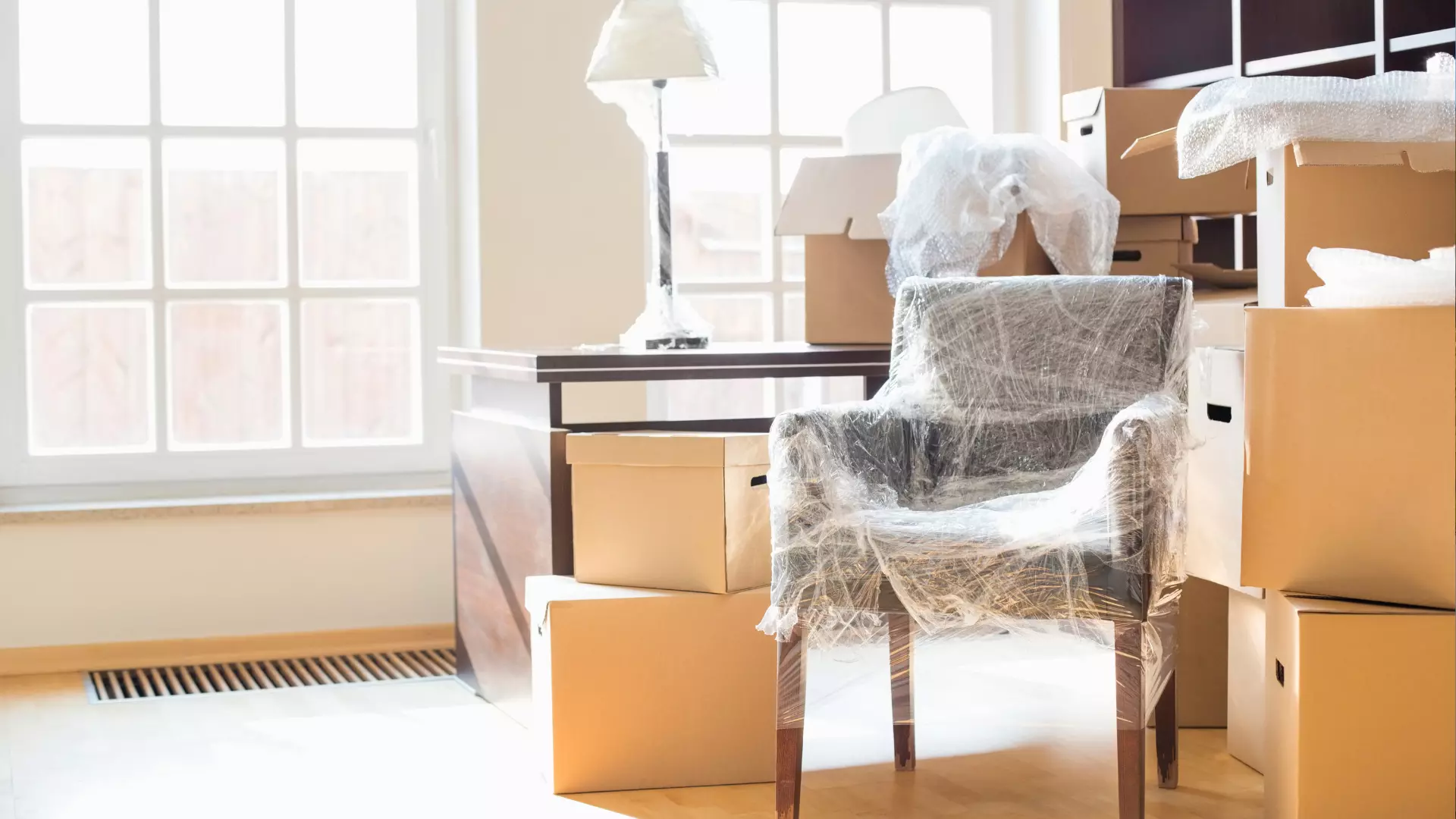
The importance of checks and records (photos and documents) upon move-in.
The most effective way to prevent disputes over move-out costs is to check and record everything when you move in. Take photos of any damage to walls and floors, and any dirt on the fixtures, and if possible, share this information in writing with the property management company. This will help prove that these costs are not the tenant's responsibility when you move out.
For example, if you don't record pre-existing stains on the wallpaper or scratches on the floor, you could be held responsible and charged exorbitant repair costs. Such records are just as important as the contract itself and serve as strong evidence in case of disputes during the settlement of your security deposit.
Especially with rental properties, memories tend to become vague the longer the period from move-in to move-out, so keeping solid evidence from the beginning is a basic measure to avoid paying unnecessary expenses.
Dirt and mold can be prevented with regular cleaning and frequent maintenance.
A large portion of move-out costs are related to house cleaning and repairs. In particular, mold in bathrooms and grease stains in the kitchen become difficult to remove if left untreated, ultimately leading to high charges. Regular cleaning can prevent major stains that may require restoration to the original condition.
For example, you can prevent mold growth in the bathroom by thoroughly cleaning it once a month, and you can avoid stubborn grease stains by regularly cleaning the kitchen range hood and stovetop. Remembering to clean the wallpaper and floors will also increase the likelihood of reducing repair costs when you move out. These small daily efforts are very effective in keeping your move-out bill down.
A comparison of DIY house cleaning versus hiring a professional cleaning service.
When it comes to house cleaning upon moving out, you need to decide whether to do it yourself or hire a professional cleaning service. Cleaning it yourself will keep costs down, but if the management company or landlord determines that professional cleaning is necessary, you may end up being charged for the service anyway.
The going rate for hiring a professional cleaning service is 20,000 to 30,000 yen for a studio apartment, and can exceed 50,000 yen for a family-sized property, but the advantage is that a thorough cleaning is guaranteed.
On the other hand, thoroughly cleaning the property yourself before moving out may reduce the scope of your charges, so combining both approaches is effective. It's a good idea to consider a flexible approach, such as using professional cleaning services for specific tasks as needed.
Key points to know to keep costs down
To keep move-out costs down, it's important to keep a few key points in mind.
First, be sure to check the contract beforehand for details regarding restoration to the original condition and any special clauses, so you can avoid being charged unnecessary fees. Next, it is important to use photos and records from the time you moved in to prove that the wear and tear was not your fault.
Furthermore, addressing cleaning and repairs promptly can ultimately avoid significant financial burdens. Additionally, if you feel the billed amount is unfair, you can negotiate based on market rates and the Ministry of Land, Infrastructure, Transport and Tourism's guidelines.
Since a large sum of money is involved when moving out, having the right knowledge and making calm decisions is the best way to avoid paying unnecessary expenses.
Frequently asked questions and points to note regarding rental move-out fees
Move-out fees are a major concern for tenants, and many have questions such as, "Do I really have to pay these fees?" and "How much extra will there be for having pets or smoking?"
Furthermore, there are cases where exorbitant charges actually lead to lawsuits and disputes. By clarifying these points and understanding what to watch out for, you can avoid unnecessary burdens when moving out.
This section explains cases where you don't have to pay, additional fees due to pets or smoking, and even cases that have gone to court, providing you with the knowledge you need to move out with peace of mind.
Are there cases where you don't have to pay? Specific examples and points to note.
There are cases where tenants are not required to pay for move-out expenses. Typical examples include damage due to normal wear and tear or deterioration over time; for instance, discoloration of wallpaper due to sun exposure or marks left by furniture are not the tenant's responsibility. Furthermore, the cost of replacing equipment that has exceeded its useful life is also not charged.
However, there are some points to consider when deciding whether you don't have to pay, and depending on the contents of the contract and special clauses, there may be exceptional cases where you are required to bear the costs. In particular, if there is a special clause such as "flat rate charge for house cleaning," the contents of the contract may take precedence over the guidelines.
To avoid unnecessary charges, it's crucial to accurately understand the contract terms and make decisions based on market rates and guidelines.
How much are the additional costs for having pets or smoking?
Pets and smoking are major causes of high move-out costs. Damage to walls and floors caused by pets, odors, and wear and tear on tatami mats and flooring are almost always considered the tenant's responsibility, as they are not considered normal wear and tear.
If you have kept dogs or cats, odor removal and wallpaper replacement may be necessary, potentially incurring additional costs ranging from tens of thousands to over a hundred thousand yen. Similarly, nicotine stains and odors from smoking may require wallpaper and ceiling replacement, as well as cleaning of the air conditioner's interior.
Especially if you've lived there for a long time, stains and odors can become deeply ingrained, and the cost of restoring the property to its original condition tends to be high. Understanding the risks of additional costs due to pets or smoking before signing the contract is important to prevent future problems.
Cases of lawsuits and disputes regarding moving-out costs
Some disputes regarding move-out costs can even escalate to lawsuits. For example, there have been cases where a landlord charged a tenant for the cost of completely replacing the wallpaper, but the court ruled that it was normal wear and tear according to guidelines and reduced the amount.
Furthermore, the line between normal wear and tear and negligence is often blurred, and the amount of payment can vary significantly depending on the court's decision. While most cases are resolved through negotiations with the management company or landlord, if you feel the amount being claimed is unfair, it is advisable to consult a consumer affairs center or a lawyer.
To avoid problems, it is essential to review records and contracts from the time of move-in, and to understand that the final decision will be based on guidelines and market rates.
Search for a room
Only furnished properties with appliances are listed!
Summary | Learn about the average costs of moving out and how to deal with them to make a worry-free housing choice.
The costs of moving out of a rental property vary greatly depending on the type of property, length of residence, and usage, and disputes over exorbitant charges are not uncommon. However, by understanding the market rates and rules regarding restoration to the original condition, and by checking the contract terms in advance, you can avoid unnecessary expenses.
Furthermore, simply being mindful of keeping records when you move in and cleaning regularly can help reduce the amount you're charged when you move out. Additionally, referring to information provided by real estate companies and property management companies will allow you to make more informed decisions. By applying this knowledge to your next home search, you can approach the moving and new life procedures with peace of mind. Finally, let's review the important points regarding move-out costs in a summary.
Understand the average costs of moving out and the rules for restoring the property to its original condition to prevent unfair charges.
The average cost of moving out is typically 30,000 to 50,000 yen for a studio apartment, 1K, or 1LDK, and around 100,000 yen for a family-sized apartment or condominium.
This information can serve as a reference point for determining whether a claim is reasonable. Furthermore, as outlined in the Ministry of Land, Infrastructure, Transport and Tourism guidelines, wear and tear due to age and normal use are not the tenant's responsibility, and they are not required to bear the cost of repairs or renovations. Understanding these rules will allow you to appropriately refute unfairly high charges. Having a grasp of market rates and the concept of restoring the property to its original condition is a powerful tool for avoiding real estate-related troubles and moving into a new home with peace of mind.
To avoid exorbitant charges, be mindful of your contract details and manage your finances regularly.
To avoid exorbitant charges upon moving out, it's crucial to carefully review your lease agreement and any special clauses. In particular, contractual conditions such as "flat rate of XX yen for house cleaning" directly impact the tenant's expenses, so it's essential to understand them before moving in.
Furthermore, keeping photos and documentation from when you moved in will help distinguish between dirt and damage that occurred during your stay and any other issues, preventing unfair charges. Even simply cleaning often overlooked areas like under the refrigerator or in the toilet on a regular basis can help keep cleaning costs down.
Since moving-out expenses often come as a sudden, large expense, being mindful of managing them on a daily basis is the most practical way to ultimately avoid unnecessary burdens.
Checkpoints to use when searching for your next home
Having knowledge about move-out costs will be extremely helpful when choosing your next place to live. When renting a new apartment, it's important to check the special clauses in the contract and the house cleaning fee to prepare for future move-out procedures. The costs will vary depending on the age of the building and its condition, so it's also effective to consult with the real estate company about the conditions.
Furthermore, when viewing a property, be sure to carefully check not only the walls and floors, but also the fixtures and layout. After moving in, keeping a thorough record of the condition of the property while you are living there is the best way to prevent lawsuits and problems when you move out. By taking these precautions, you will be able to choose your next home with greater confidence, and it will also lead to long-term financial benefits.