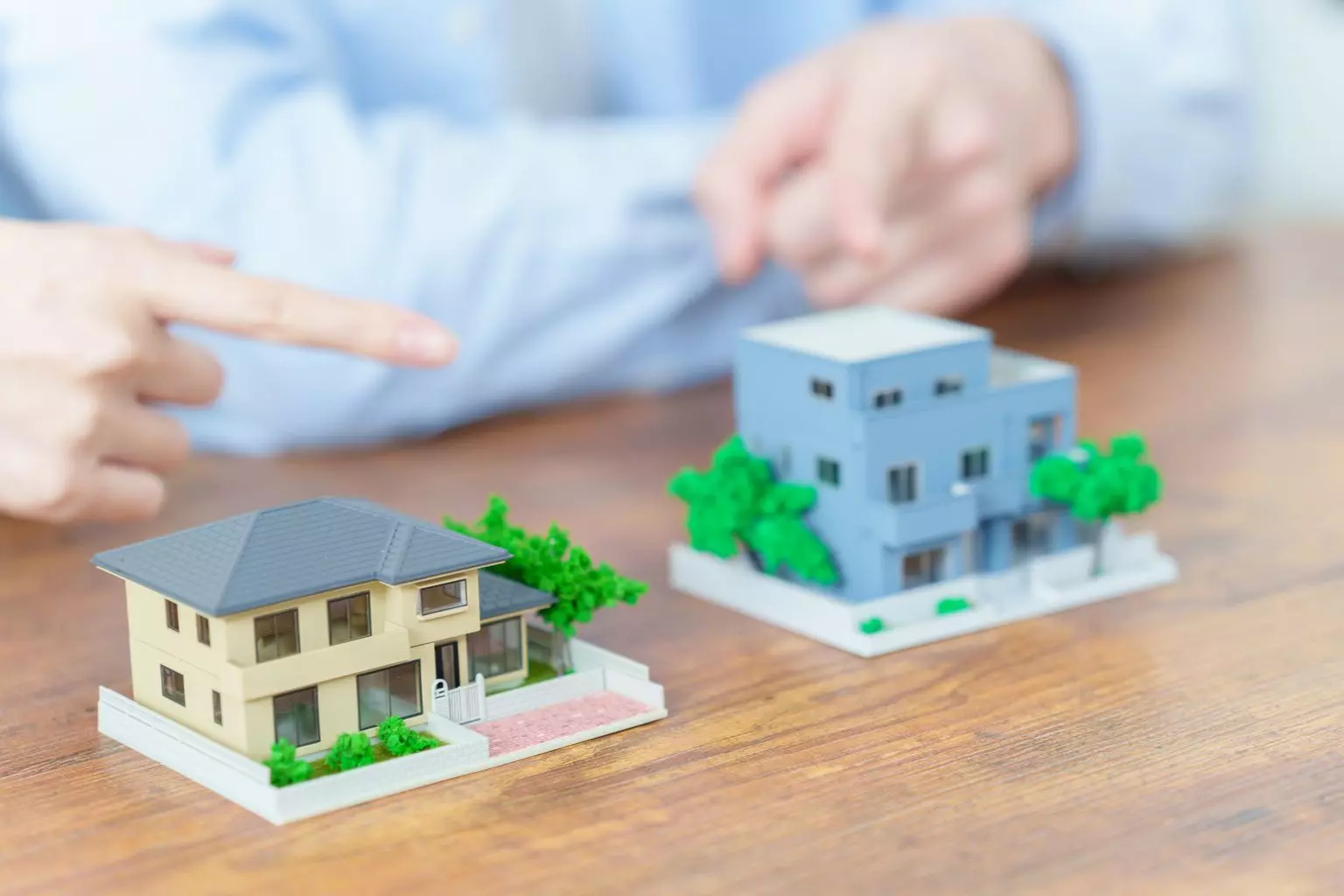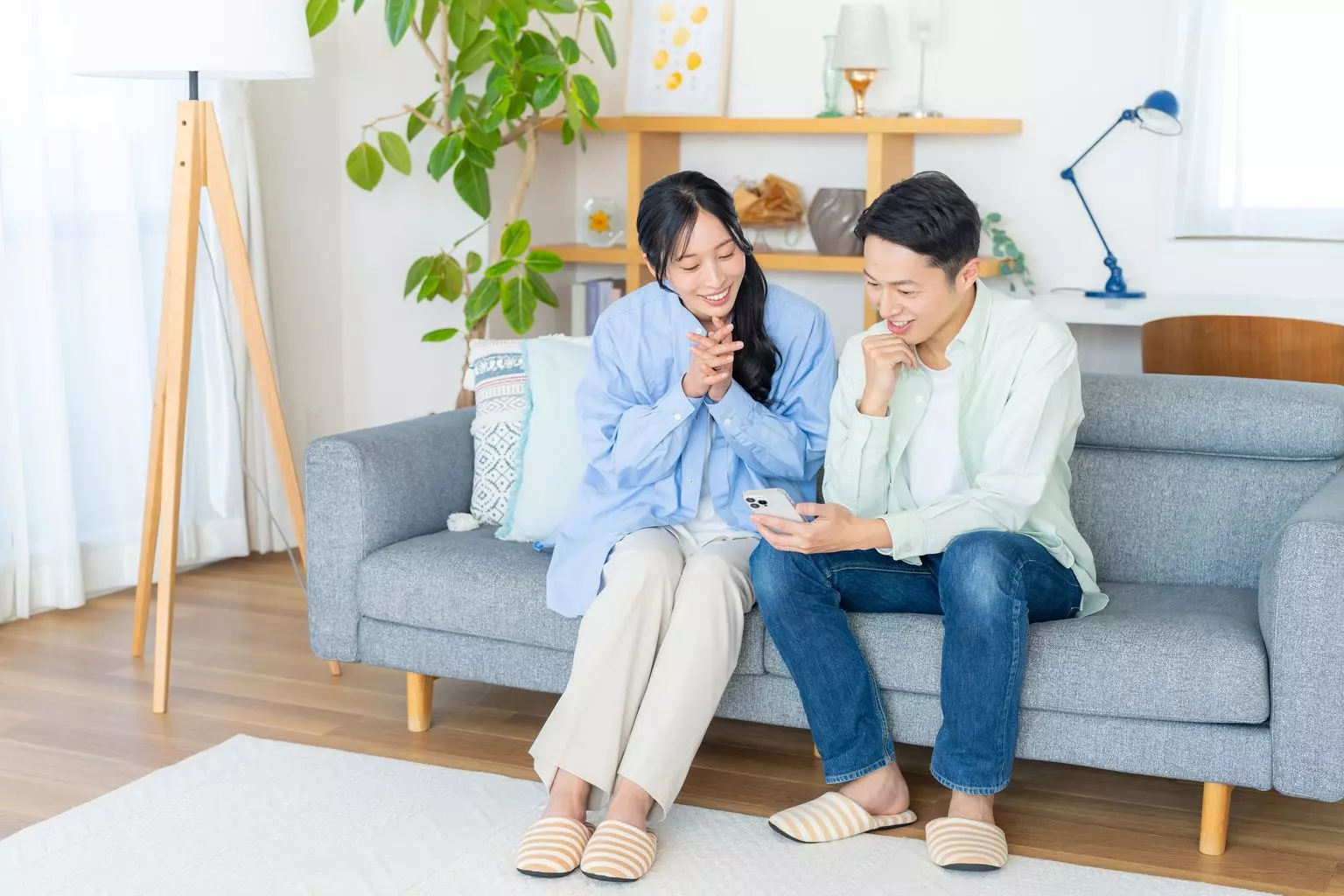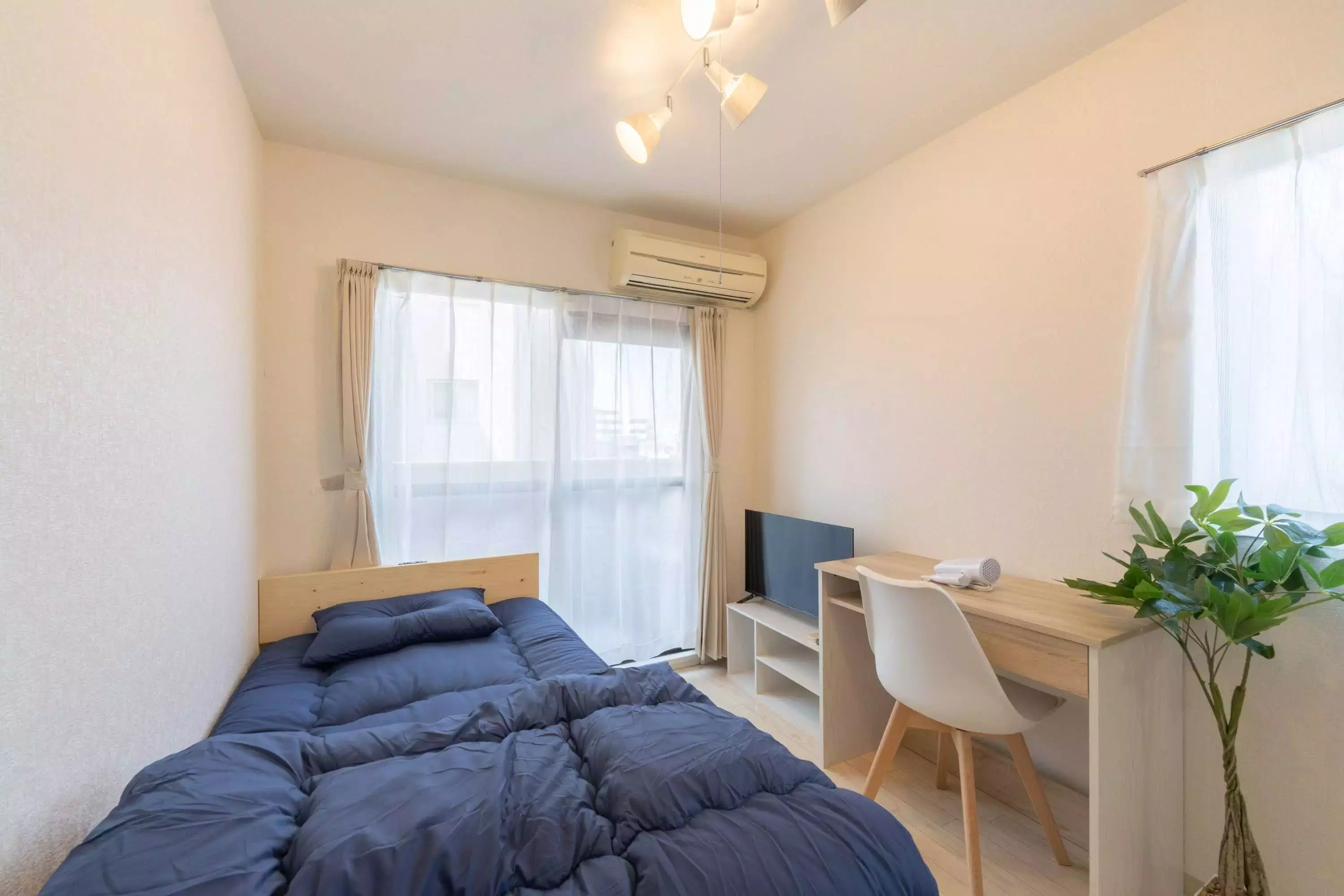
A share house is a type of rental housing where residents have their own private rooms but share the kitchen, living room, bathroom, and other common areas with other residents. Many share houses come furnished with furniture and appliances, making it easy to start living there with reduced initial costs and furniture purchase expenses. In this article, Cross House, which operates rental properties in 11 prefectures, clearly explains the meaning and structure of share houses, the types of rooms available, and how to think about costs.
What is a share house? A simple explanation of its meaning and structure.
A share house is a type of rental housing where residents share a kitchen, living room, bathroom, toilet, and other common areas while maintaining their own private rooms. As the name "share house" suggests, the main difference from a typical studio apartment is the combination of a private room and shared areas used by everyone.
Originally a housing style popular in Europe and North America, it has become widespread in Japan since the 2000s, mainly in urban areas. Its advantages include the ability to share rent and utility costs, the availability of furniture and appliances, and the ease with which residents can interact with each other, making it a popular choice for a wide range of people, including singles, students, working professionals, and people from overseas.
Main facilities of a shared house
While it varies depending on the property, shared houses generally come equipped with the following amenities:
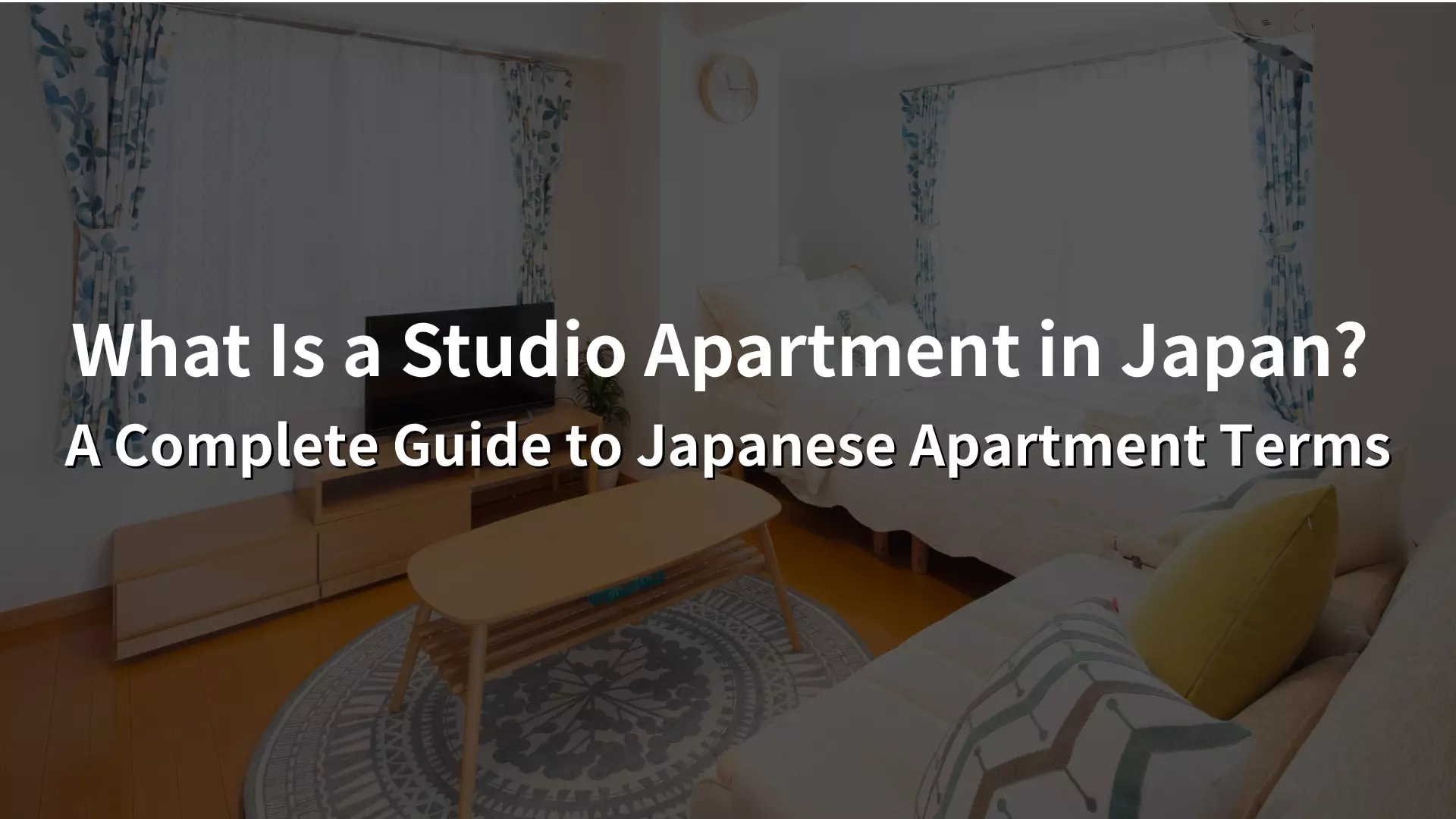
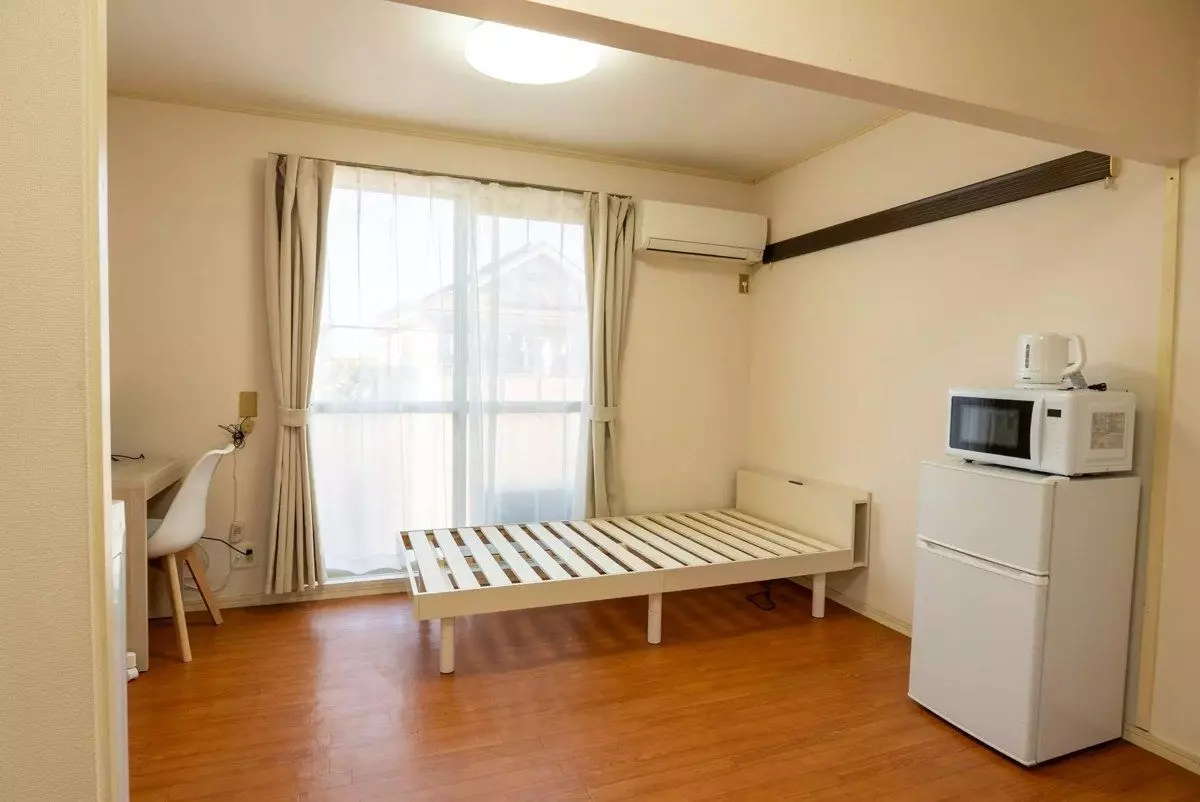
- Private rooms: Many of these rooms are furnished with a bed, desk, storage, etc.
- Shared living room: A place where residents gather, furnished with sofas and a television.
- Shared kitchen: Equipped with cooking utensils and dishes, and available for free use.
- Bathroom, shower, and toilet: Often have multiple units.
- Laundry facilities: Shared washing machines are available.
- Internet: Many properties have Wi-Fi.
At Cross House's share houses, utilities (water, electricity, gas) and Wi-Fi are included in the common area fees, and cleaning support for common areas is provided once a week. Residents can start living there without having to deal with detailed contracts or prepare any equipment.
The difference between "share house" and "room share"
"Room sharing" is often confused with "share house." However, the contracts for the two are fundamentally different.
| item | Share house | Room sharing |
|---|---|---|
| contract | Residents enter into individual contracts with the management company. | Shared lease for one room with friends, etc. |
| private room | Private rooms are the norm (shared rooms are also available). | Using one room with multiple people |
| Equipment management | Management and cleaning support by the operating company | Residents manage it themselves. |
| Furniture and home appliances | Many are provided. | Basically, we prepare it ourselves. |
Share houses are characterized by their straightforward move-in and move-out procedures, as the management company handles contracts, facilities, and rules. In contrast, room sharing requires residents to agree on expenses and living rules amongst themselves, and settlements when relationships change can often be a challenge.
The difference between a "share house" and a "guest house"
It is often compared to a "guesthouse" for short-term stays. The main differences lie in the length of stay and the type of contract.
| item | Share house | guest house |
|---|---|---|
| Length of stay | Mostly long-term projects lasting several months to several years. | Mostly short-term projects lasting from a few days to a few months. |
| Price structure | Monthly rent | Daily and weekly payments are also available. |
| procedure | Sign a lease agreement | In many cases, you can move in with a simple procedure. |
| Main occupants | Single people living in that area, etc. | Tourists and short-term visitors |
Simply put, a guesthouse is closer to a "place to stay," while a share house is a "home" that you rent and use as your base of operations. Cross House offers contracts starting from a minimum of one month, and you can either stay there for a longer period or move to another property midway through.
What types of shared housing are there?
Share houses can be categorized by building type, room type, and concept. Even among "share houses," the living experience and monthly costs vary depending on the type. Choosing a type that suits your needs is the first step to comfortable living.
Divided by building type
| type | Features | Suitable people |
|---|---|---|
| Detached house type | This property utilizes a detached house. The shared living room is spacious, making it ideal for smaller groups and creating a relaxed atmosphere. | People who want to live in a home-like environment |
| Apartment type | They are common in urban areas. They often have amenities such as automatic locks and security cameras. | People who prioritize access and security |
| Dormitory type | A shared room where multiple people share one room. This is the easiest way to keep rent down. | People who prioritize cost and are looking for a short-term stay. |
Divided by room type
At Cross House's shared houses, you can choose from the following room types depending on your balance of privacy and cost:
| Room type | Content | Estimated monthly rent |
|---|---|---|
| Private room type | Private rooms with locks, shared bathroom facilities. Easy to ensure privacy. | From 40,000 yen |
| Semi-private | Use partitioned spaces such as loft beds or semi-private rooms. | From 31,000 yen |
| Dormitory | Shared room type. Designed with curtains and individual lighting. | From 24,800 yen |
In all cases, a common area fee of 15,000 yen (including utilities and shared amenities) and a safety support fee of 1,500 yen are charged separately. Room types vary depending on the property, so it is best to check the actual availability for each property. If privacy is important to you, please also refer to the comparison of room types in share houses where you can live in a private room while sharing bathrooms and kitchens.
Divide by concept
In recent years, there has been an increase in concept-based shared housing that caters to specific purposes and lifestyles.
- Interaction-focused type: Features ample common spaces, making it easy for residents to interact with each other.
- Cost-conscious type: A type that keeps rent low by simplifying the facilities.
- International exchange type: You can live together with residents from overseas.
- Women-only properties: These properties are exclusively for women and are designed with security in mind. Cross House offers women-only rooms and floors in some of its properties in Tokyo.
Search for a room
Only furnished properties with appliances are listed!
Advantages and disadvantages of shared housing
A shared house offers a way to save money while still utilizing facilities and a community, but there are also some things to be aware of when living in a shared living space. Here, we'll summarize the key points.
| merit | Disadvantages |
|---|---|
| It is easy to keep initial costs and furniture purchase expenses down. | Even in private rooms, complete privacy can sometimes be difficult to ensure. |
| Furniture, appliances, and shared facilities are provided from the start. | There are times when we need to be considerate due to differences in our daily routines. |
| It is easy for residents to interact with each other. | There are rules for using the common areas. |
| Because multiple people live there, there is a sense of security in terms of crime prevention. | It may not be suitable for families or long-term stays. |
For a detailed explanation of the pros and cons, and how to choose without regrets, please refer to our separate article explaining the advantages and disadvantages of shared housing .
How to think about the costs of a shared house
Share houses are also a type of housing where the monthly costs are easy to understand. When comparing costs for the first time, it's helpful to separate them into "one-time costs when moving in" and "monthly costs" to make things clearer.
Initial costs incurred upon moving in
In typical rentals, you have to pay a lump sum for things like a security deposit, key money, brokerage fees, and furniture purchase costs. Share houses, on the other hand, often do not require a security deposit or key money, and come furnished with appliances, making them a more affordable option for those looking to reduce their initial financial burden.
For Cross House's share houses, the initial cost is 30,000 yen. There is no security deposit, key money, or brokerage fee. However, for individual contracts, a separate guarantee fee to the guarantee company will be required.
Monthly expenses
Monthly payments are calculated as the total amount including rent, utilities, and support fees. In Cross House's shared houses, the breakdown is as follows:
| item | Amount (monthly) | Content |
|---|---|---|
| rent | From 24,800 yen (depending on room type) | Varies depending on room type and area. |
| Common area maintenance fees | 15,000 yen | Includes utilities (water, electricity, gas), Wi-Fi, and shared amenities. |
| Peace of Mind Support Fee | 1,500 yen | Home trouble and service support |
One of the appealing aspects of living in a share house is that the common area fee includes utilities (water, electricity, gas) and Wi-Fi, meaning you don't have to worry about seasonal fluctuations in utility costs and can live for a fairly consistent amount each month. If you'd like to know more about the breakdown of initial costs, please refer to our article explaining the breakdown and average costs of initial share house living .
If you'd like to discuss the total cost first, please feel free to contact us using the information below.
Search for a room
Only furnished properties with appliances are listed!
Who is a shared house suitable for?
A shared house isn't the ideal living space for everyone; its suitability depends on your lifestyle preferences. Here's a general guideline:
| Suitable people | People who want to consider it carefully |
|---|---|
| People who want to keep initial costs and monthly expenses down | People who always want to spend time in a quiet environment |
| People who want to move in quickly without having to buy furniture and appliances | People who are easily bothered by everyday noises and rules |
| People who want to enjoy interacting with other residents | People who want to secure a large private space |
| People who want to live there for a short period or on a trial basis | People who intend to live there long-term with their family |
Crosshouse allows free transfers between properties and room types. Even if you find a property doesn't suit you after living there for a while, it's easy to move to a different property or room type, making it a great option for those who want to "try it out first." If you want to search by area, you can check availability from the Tokyo share house list .
Share housing trends in 2026
In urban areas, housing costs continue to rise, making shared housing, which includes furniture and appliances and helps reduce initial costs, a viable option. With more people coming to Japan from overseas, there is also a growing demand for housing that offers multilingual contract and lifestyle support services. Cross House is taking these factors into account by expanding its areas of operation and increasing the number of properties it offers, with the number of rooms continuing to grow every month.
Search for a room
Only furnished properties with appliances are listed!
FAQ
What is a share house?
A share house is a type of rental housing where you have your own private room with a lock, while sharing common areas such as the kitchen, living room, and bathroom with other residents. Many share houses come furnished with furniture and appliances, allowing you to start living there with minimal initial costs and furniture purchase expenses.
What types of shared housing are there?
Accommodations can be categorized into different types based on their structure, such as detached houses, apartments, and dormitories, and by room type, such as private rooms, semi-private rooms, and dormitories. Furthermore, there are also types based on specific concepts, such as those focused on social interaction, cost-effectiveness, international exchange, and women-only accommodations.
What is the difference between a share house and a room share?
In a shared house, residents individually contract with the management company, and facilities and rules are provided. In a room share, friends or others jointly contract for one room, and the residents need to agree on expenses and living rules together.
What are the advantages of living in a shared house?
The main advantages include lower initial costs and furniture purchase expenses, the availability of furniture, appliances, and shared facilities from the start, and the ease of interacting with other residents. Another benefit is the increased sense of security due to living with multiple people.
How much does it cost to live in a shared house?
In the case of Cross House's share houses, the initial cost is 30,000 yen, and there is no security deposit, key money, or brokerage fee. Monthly costs are calculated as the total of rent (from 24,800 yen) + common area fee of 15,000 yen (including utilities and Wi-Fi) + safety support fee of 1,500 yen. For individual contracts, a separate guarantee fee to the guarantee company will be incurred.
What kind of person is suited to living in a shared house?
This type of accommodation is suitable for those who want to keep costs down, move in quickly without furnishing their home with furniture and appliances, enjoy interacting with other residents, or want to try it out on a short-term basis. On the other hand, those who want to live in a quiet environment at all times or who are looking for a large private space should consider this carefully.
summary
A share house is a type of rental housing where residents share bathrooms and common areas while having their own private rooms. It's a way to stay affordable while still enjoying amenities and social interaction. Share houses vary depending on the building, room, and concept, and the monthly cost is easiest to understand by considering the total of rent, utilities, and support fees. Choosing a type that suits your lifestyle is the starting point for comfortable and long-term living.
Cross House operates rental properties in 11 prefectures, and you can move between properties free of charge and change room types. If you're unsure which type is right for you, please feel free to contact us using the information below.
This article is supervised by the operations team of Cross House, a real estate management company that operates rental properties in 11 prefectures (as of July 2026).