Breakdown of living expenses necessary for a university student living alone
When university students start living alone, monthly living expenses such as rent, utilities, food, and communication costs become a significant burden. Rent is especially high in urban areas, making it crucial to consider how to combine financial support from family and part-time job income.
Below, we'll take a closer look at the average cost of living for someone living alone and how it differs from living with family.
Average amounts for rent, utilities, food, communication expenses, etc.
The cost of living for a university student living alone varies depending on the area and housing conditions, but the national average is said to be around 120,000 to 130,000 yen per month.
The breakdown is as follows:
- Rent accounts for the largest portion of expenses, with the average being around 50,000 to 70,000 yen in the Tokyo metropolitan area.
- Utility bills, including electricity, gas, and water, are around 10,000 yen.
- Even if you mainly cook at home, your food expenses will be between 20,000 and 30,000 yen. *If you eat out frequently, your expenses tend to be even higher.
- You will need approximately 5,000 to 10,000 yen for communication expenses such as smartphone and internet bills.
- In addition, if you include expenses such as textbooks, socializing, and daily necessities, it is common for total monthly expenses to exceed 100,000 yen.
Therefore, it is essential to combine part-time job income with remittances and scholarships.
Compared to living with parents
When comparing living alone with living with your parents, the biggest difference is the presence or absence of rent and utility costs.
Living with your parents means you don't have to pay for housing, so your living expenses are often around 40,000 to 60,000 yen on average, which means you can use your part-time job earnings almost freely.
On the other hand, it's not uncommon for monthly living expenses to be more than double for those living alone. University students, especially in urban areas, face heavy rent burdens, and in some cases, a large portion of their part-time job earnings goes towards living expenses. However, living alone also offers significant advantages, such as fostering independence, developing life management skills, and gaining a sense of financial responsibility.
If you don't receive financial support from your family, you'll need to increase your part-time work hours, but balancing that with your studies can be a challenge. While the financial burden increases, many students find living alone appealing in terms of the experiences they gain and the freedom they have.
Average monthly income of a college student living alone who works part-time.
For university students living alone, part-time jobs are a major source of income to support their lives. Nationwide data shows that part-time wages for university students vary depending on the region and the type of work. In addition, there tends to be a difference in the amount earned and the hours worked between those living alone and those living with their parents, making shift adjustments and balancing work with studies a major challenge.
Average data on part-time job earnings for university students nationwide
According to the latest survey, the average monthly income from part-time jobs for university students is approximately 50,000 to 70,000 yen. This is an estimate based on working 2-3 times a week for 4-5 hours a day, and monthly income tends to be higher in the Tokyo metropolitan area and other major cities due to higher hourly wages.
For example, while the average hourly wage in Tokyo and Osaka is around 1,200 to 1,400 yen, it is often in the 900 yen range in regional cities, meaning that income can vary significantly even for the same number of hours worked. Also, during long holidays such as summer and spring breaks, students can increase their working hours, and it's not uncommon for them to earn over 100,000 yen per month temporarily.
Based on this nationwide data, it's important to create a realistic income plan that fits your lifestyle.
Difference in monthly income between living alone and living with parents
There is a clear difference in the average monthly income from part-time jobs between those living alone and those living with their parents.
According to survey data, the average monthly income for university students living at home is around 50,000 to 60,000 yen, while for students living alone it is higher, at 60,000 to 70,000 yen or more. This is because students need to cover their own living expenses, which inevitably leads them to work more shifts.
In urban areas, where rent and food expenses are particularly burdensome, students who receive less financial support from their parents tend to rely more on part-time jobs, with some earning over 100,000 yen per month. On the other hand, students living at home have most of their living expenses covered by their parents, so they can use their part-time earnings for hobbies, socializing, or savings, which is a major difference.
Thus, even among university students, the way they earn money and how they spend it can vary greatly depending on their living environment.
Average number of shifts and working hours
Since part-time jobs for university students are designed to be balanced with their studies, the most common shifts are around three days a week, for about four hours a day. Many students work from evening to night on weekdays when they have classes, and some work full-time shifts on weekends.
With this work style, the average monthly income is around 50,000 to 70,000 yen, but if you want to earn more, it's common to work 4-5 shifts a week, or incorporate night shifts and weekend work.
Furthermore, by increasing shifts during peak seasons or long holidays, it's possible to earn over 100,000 yen temporarily. Conversely, students who prioritize their studies may limit their income to around 30,000 to 40,000 yen to cover basic living expenses and hobbies. Adjusting shifts to suit your lifestyle is key to continuing a part-time job without undue stress.
Search for a room
Only furnished properties with appliances are listed!
Balancing remittances, scholarships, and part-time jobs
For university students living alone, the key to covering living expenses is how to combine three sources: allowances from family, scholarships, and part-time job earnings. If the allowance is substantial, you can reduce part-time work and focus on your studies, but if it's insufficient, you'll need to rely on scholarships and part-time jobs.
Here, we will explain how to manage your living expenses in a way that is manageable, taking into account average amounts and usage patterns.
Average amount of money sent from parents
Nationwide, the average amount of money parents send to their children per month is estimated to be around 50,000 to 70,000 yen. In areas with high rents, such as the Tokyo metropolitan area, the amount of money sent tends to be higher, but even then, it is rare for it to cover all of the rent, and in reality, many students secure their living expenses by combining their allowance with part-time job earnings.
Furthermore, the amount of financial support received varies greatly depending on the family's economic situation, and a certain number of students receive no support at all. In such cases, they have to rely on part-time jobs or scholarships for most of their living expenses, making it challenging to balance these with their studies.
In short, while financial support is a great help, it's important not to rely solely on it, but to consider how it balances with your own income.
Scholarship utilization status
When allowances from family and part-time job earnings are not enough, many students utilize scholarships.
According to a survey by the Japan Student Services Organization (JASSO), approximately one in two university students receives a scholarship, with the average amount being around 30,000 to 50,000 yen per month. There are two types: interest-free and interest-bearing, and it is important to consider the repayment burden before using them. Scholarships are useful for supplementing tuition and rent, but borrowing too much without a repayment plan after graduation can become a heavy burden once you enter the workforce.
Therefore, it is necessary to find ways to keep expenses to a minimum while balancing them with allowances from family and part-time job earnings. If used effectively, this system can be a great support for academic and financial stability.
Managing living expenses by combining part-time job earnings.
In reality, most students manage their finances by combining allowances from their families, scholarships, and part-time job earnings.
for example,
- Monthly allowance of 50,000 yen
- Scholarship of 30,000 yen
- My part-time job pay was 50,000 yen
- Total: 130,000 yen
This is enough to cover the average cost of living. If your allowance is insufficient, you will need to increase your part-time work shifts to make up for it, but this risks disrupting your academic balance. Therefore, it is essential to make efforts to reduce fixed costs such as rent, save money on food by cooking at home, and review your smartphone plan.
The key is to "increase income" while simultaneously "decreasing expenses." By thinking about how to allocate your limited income, you can avoid being overwhelmed by part-time jobs and make the most of your university life.
Estimated part-time wages and patterns of earning money
When university students live alone, the amount of money they should earn from part-time jobs varies depending on their lifestyle and academic priorities. The required amount differs depending on whether they only need to cover basic living expenses or also want to allocate funds to hobbies and savings. Therefore, it's important to determine the earning method that suits you best.
Here, we will explain three typical patterns.
A guideline for those who want to earn a minimum amount of money while prioritizing their studies.
For students who prioritize their studies, part-time job earnings are sufficient to supplement their living expenses.
On average, aiming for around 30,000 to 50,000 yen per month allows you to cover tuition and rent with allowances or scholarships, while using part-time work to cover food and social expenses. This can be achieved by working about 4 hours a day, twice a week, making it easier to balance with classes and exam preparation.
It's also important to choose a workplace where you can easily adjust your shifts during busy periods or before exams. For example, tutoring, private lessons, or part-time work at convenience stores or supermarkets are suitable. Trying to increase your income too much will cause you to neglect your studies, so having the mindset of "earning only the minimum amount necessary" is key to enjoying a worry-free university life.
A guideline for people who want to save money and enjoy their hobbies.
Students who want to travel, pursue hobbies, and save for the future should aim for a part-time job that brings in around 70,000 to 100,000 yen per month. This will give them extra money to spend on socializing and hobbies in addition to their living expenses.
In this case, it's common to work 4-6 hours a day on 3-4 shifts a week, and choosing jobs that allow for longer hours, such as working in restaurants or as event staff, can provide a stable income. Especially in urban areas, there are many jobs paying over 1,100 yen per hour, so you can earn efficiently if you plan your shifts carefully.
One important point to note is that spending too much time on part-time work can negatively impact your studies and health. Therefore, it's crucial to "maintain a balance that doesn't interfere with your studies while still allowing yourself time to enjoy hobbies and saving money."
Ways to earn money during long holidays or intensive short-term periods
Using long breaks such as summer or spring vacation to work intensively is also an effective method.
Since there are no classes during this period, it's possible to work full-time shifts 5-6 days a week, and many students earn 150,000 to 200,000 yen or more per month. Resort jobs, event staff jobs, and moving jobs are particularly popular as they offer the potential for high income in a short period. This style of earning a lot of money in a short period allows for an efficient lifestyle plan where students only do minimal part-time work during the regular semester to focus on their studies, and then secure a substantial amount of money during the break.
However, since many jobs are physically demanding, it's important to pay attention to managing your health and scheduling. A good balance—focusing on academics during semesters and earning money during breaks—will help you have a stable university life.
Search for a room
Only furnished properties with appliances are listed!
Popular and recommended part-time jobs for university students
Part-time jobs are important for university students not only to cover living expenses but also as a way to gain work experience. Popular choices for students living alone include customer service jobs such as restaurants and cafes, convenience stores with flexible shifts, tutoring and cram school instructors who can earn money efficiently, and event staff and high-paying one-off jobs that allow them to earn money intensively in a short period of time.
Here, we introduce some typical part-time jobs recommended for university students.

Restaurants and cafes
Restaurants and cafes are among the most popular part-time jobs for university students. They offer opportunities to hone communication skills through customer service and cooking assistance, and the flexible shifts make it easy to balance work and studies. For students living alone, the availability of free meals is a significant benefit, as it helps save on food costs.
Furthermore, there's a wide range of options, from chain stores to independently owned businesses, allowing you to choose a work style that suits you. While busy periods can be challenging, it's a part-time job where you can easily find fulfillment and a sense of accomplishment.
Convenience store/supermarket
Part-time jobs at convenience stores and supermarkets are characterized by their stable shifts and ease of starting even without experience. The work itself is simple, involving tasks such as operating the cash register, stocking shelves, and cleaning, and the short working hours make it suitable for balancing with studies.
Convenience stores, in particular, are often open 24 hours a day, making it easy to work in a way that suits your lifestyle, such as evening or early morning shifts after classes. On the other hand, there are busy times with a wide range of customer service and tasks, but it's also a great opportunity to practice and develop essential professional skills.
Private tutor / cram school instructor
Private tutoring and cram school teaching are popular high-paying part-time jobs for university students. The hourly wage is relatively high, ranging from 1,500 to 2,500 yen, and the ability to earn money efficiently in a short amount of time is a major advantage. The teaching mainly involves providing academic support to elementary, middle, and high school students, allowing you to utilize your strengths in your preferred subjects.
Furthermore, it provides valuable practical experience for those aspiring to careers in education. While it requires preparation and a sense of responsibility, it is also very rewarding and easy to balance with student life.
Event staff
Event staff jobs, which involve supporting venue operations at concerts, sporting events, and exhibitions, are popular among university students looking for short-term, intensive work. The work is diverse, including reception, guidance, setup, and dismantling, and allows for the development of teamwork skills as you work collaboratively with colleagues.
The shifts are mostly one-off or short-term, which is an advantage as you can earn money efficiently by utilizing days when you don't have classes or during long holidays. There are times when it requires physical strength, but the enjoyment of working in an unusual environment and the valuable experience you can gain are also attractive.
High-paying, short-term, and one-off jobs
High-paying, short-term, or one-off jobs are recommended for university students who want to earn money efficiently in a limited amount of time.
As a representative example,
- Exam Supervisor
- Moving staff
- Resort work
- Examples include data entry.
Especially during long holidays, it's possible to earn over 100,000 yen in a short, intensive period. Furthermore, the availability of remote work and one-off jobs that utilize spare time is increasing, making it easier to balance work and studies, which is another reason for its popularity. Because there are fewer fixed shifts and a high degree of flexibility, you can work flexibly to suit your lifestyle.
Strategies for college students who want to earn more than average
The average part-time income for university students is between 50,000 and 70,000 yen per month, but many want to earn more to cover living expenses, hobbies, and savings. To efficiently increase their income, they need to be resourceful, such as taking on multiple jobs or choosing high-paying shifts.
Here, we'll introduce specific methods for earning more than average.
Increase your income by taking on multiple part-time jobs.
Because there are limits to the number of shifts and income you can earn with just one part-time job, more and more university students are taking on multiple jobs. For example, by working evening shifts at a restaurant on weekdays and taking on one-off jobs such as event staff on weekends, it's possible to earn more than 100,000 yen a month.
When taking on multiple jobs, it's important to choose workplaces that offer flexible shifts. Also, it's crucial to work within reasonable limits, considering physical strain and potential impact on studies. Combining stable income with short-term income can efficiently supplement living expenses.
Utilize late-night and weekend shifts
Late-night and weekend shifts often offer higher hourly wages, making them ideal for university students looking to efficiently increase their income. Restaurants, convenience stores, and security guards, for example, often offer a premium for late-night shifts, resulting in hourly wages that are around 25% higher than usual, making it easy to earn a significant amount in a short amount of time.
Additionally, there are many event-related and sales jobs available on weekends, and you can earn a significant income by working a full day. By utilizing evenings and weekends without interfering with your studies, you can earn a higher-than-average wage.
Earn extra income through remote work or flea market apps
For university students who want to earn extra income while saving on commuting time, working from home or using flea market apps are recommended options. Crowdsourcing tasks such as data entry and writing can be done in spare time and are attractive because they are easy to balance with academics.
Furthermore, an increasing number of students are earning a stable side income by selling unwanted items or handmade goods through flea market apps. Even small amounts can add up to several thousand to tens of thousands of yen per month, making it an effective way to supplement household income in addition to part-time jobs.
Search for a room
Only furnished properties with appliances are listed!
Money-saving tips for college students living alone
For university students living alone, a large portion of their income goes towards living expenses, so it's essential to find ways to reduce waste. In particular, minimizing food, utilities, communication costs, and rent (which accounts for a large portion of expenses) are key to saving money. Even small efforts can make a big difference over the course of a year, so it's important to review your daily habits.
Here, we will explain specific ways to save money.
Tips for saving money on food
Food expenses make up a large portion of living costs for someone living alone, so you can save a lot of money with a little ingenuity. If you primarily cook at home, you can save around 10,000 to 20,000 yen per month compared to a lifestyle centered around eating out. Utilizing bulk buying and meal prepping will help you use ingredients efficiently and further increase your savings.
Also, using the school cafeteria or part-time jobs that provide meals is effective. Convenience store meals and eating out are convenient, but they tend to add up to a lot of money, so by consciously adopting a style of "cooking at home + eating out only when necessary," you can keep food expenses down without difficulty.
Ways to save on utilities and communication costs
Utilities and communication costs are fixed monthly expenses, so savings in these areas tend to accumulate easily.
You can save energy efficiently by switching to LED lighting, adjusting the temperature of your air conditioner as needed, and consolidating gas use for cooking and bathing. For communication costs, switching to a low-cost SIM or student discount plan can save you several thousand yen per month. Furthermore, choosing a Wi-Fi sharing environment can further reduce costs.
Even small adjustments can lead to significant savings over the course of a year, making "reviewing fixed expenses" a top priority for saving money.
How to choose a property with low rent
Rent is the biggest burden among living expenses.
To keep rent down,
- Live within easy reach of the university by bicycle or train.
- Choose an older property.
- Considering options like shared housing can be an effective strategy.
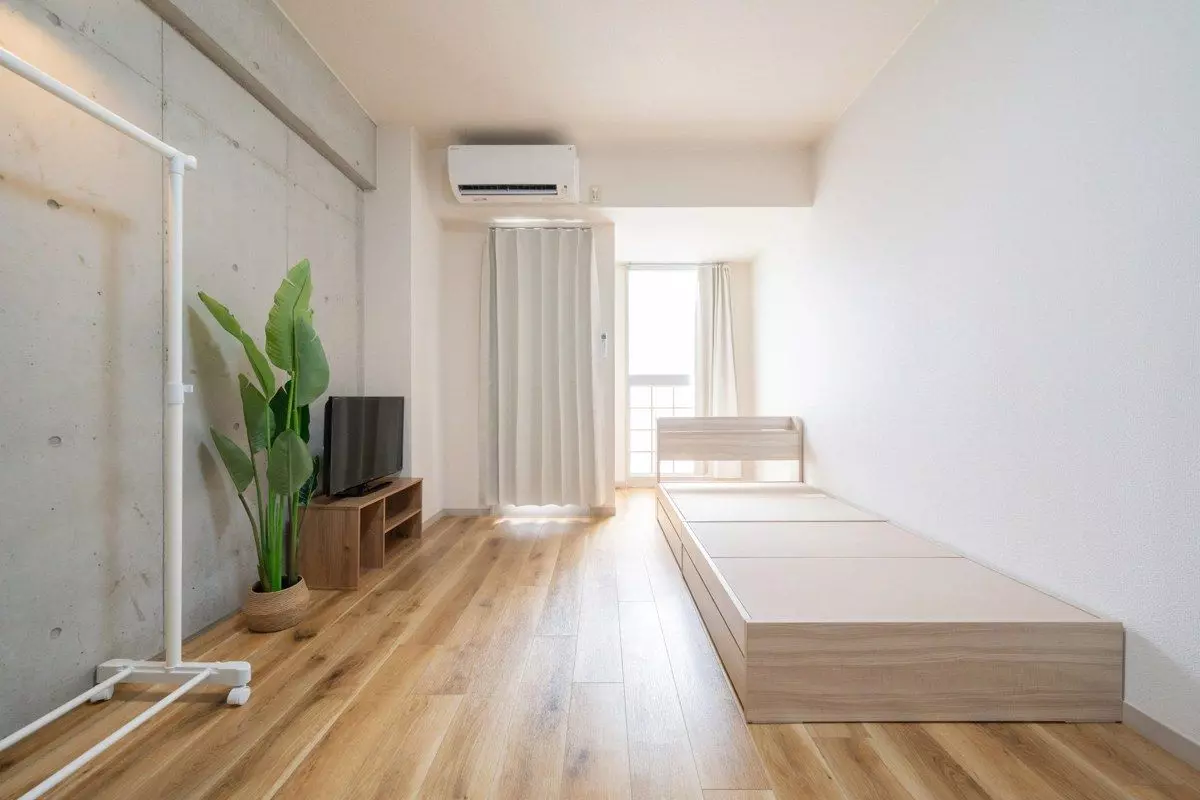
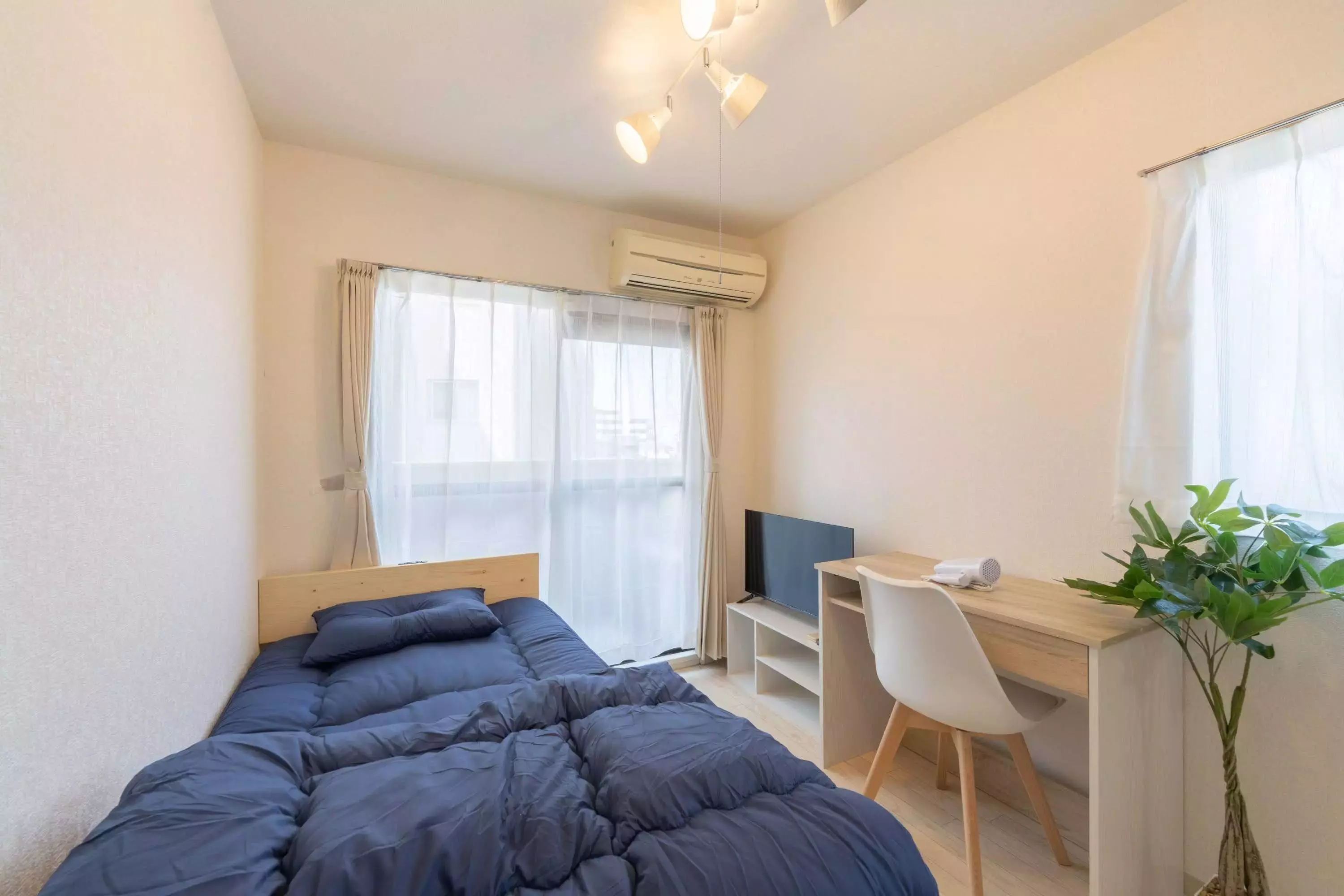
- Choosing a furnished apartment can reduce initial costs and lead to long-term savings.
Here are some ways to choose a place: Rent tends to decrease even if you move just 5 to 10 minutes away from the station, so it's important to find a balance between convenience and cost. Remember that "reducing rent, which is a fixed expense, means easing the burden of your overall living expenses."
Tips for balancing academics and part-time work
Balancing academics and part-time work is a major challenge during university life. Students living alone, in particular, need to earn money for living expenses, and it's not uncommon for them to overwork themselves, jeopardizing their studies or health. The three key points to successfully balancing work and study are: "choosing a workplace that is easy to work in," "being creative with shifts," and "understanding the annual income limits for taxes and social insurance."
This section explains specific points to help university students find work with peace of mind.
Choose a part-time job that allows for easy shift adjustments.
To balance academics and part-time work, the most important thing is to choose a workplace with flexible shifts.
University students' schedules tend to fluctuate due to classes, seminars, exams, and club activities, so part-time jobs that use a self-declared shift system are more reassuring than those with a fixed shift system. Restaurants, convenience stores, event staff, and tutoring jobs, in particular, tend to be relatively easy to adjust shifts in.
It's also reassuring to check if the workplace environment is flexible enough to accommodate sudden schedule changes. Flexible shifts allow you to work fewer hours when you want to prioritize your studies and more hours during holidays, enabling you to work in a way that suits your lifestyle. Ultimately, this makes it easier to continue working long-term and leads to a stable income.
Find ways to work during exam periods and long holidays.
For university students, exam periods and report submission deadlines require focused studying, and working regular shifts can interfere with their studies. Therefore, it's important to reduce shifts before exams and compensate by working more during long breaks.
For example, one method is to secure a minimum income by working 2-3 shifts a week during the week, and then earn a large sum of money by taking on event staff or short-term part-time jobs during summer or spring break. Many students also earn 100,000 to 150,000 yen or more per month by working full-time or at resorts during long holidays, which can efficiently supplement their living expenses.
Switching your work style between the semester and holidays makes it easier to balance academics and income.
Points to note regarding the annual income thresholds (1.03 million yen and 1.3 million yen)
One thing college students must not forget when continuing to work part-time is the "annual income barrier."
If your part-time income exceeds 1.03 million yen, you may lose your dependent deduction, potentially increasing your parents' tax burden. Furthermore, if it exceeds 1.3 million yen, you may become obligated to join social insurance, requiring you to pay health insurance premiums and pension contributions. Therefore, it is important for students who want to earn more than average to check their projected annual income before increasing their shifts.
Especially if you live alone and consistently earn over 100,000 yen per month, your annual income could quickly exceed a certain threshold. Understanding the income, tax, and social insurance systems, and knowing how much it will affect your household finances, will allow you to work with peace of mind.
summary
For university students living alone, part-time jobs are essential to cover living expenses. The average monthly income is around 50,000 to 70,000 yen, but the amount needed varies greatly depending on rent and whether or not you receive financial support from your parents. To balance work and studies, it's important to choose a workplace with flexible shifts and to devise ways to adjust your work schedule during exam periods and long holidays.
Also, be mindful of the annual income thresholds of 1.03 million yen and 1.3 million yen, and secure an income within a reasonable range. Furthermore, by incorporating saving techniques to reduce food expenses and fixed costs, you can enjoy a stable university life.