The percentage and background of university students living alone
For university students, living alone offers independence and freedom, but it also comes with significant financial and lifestyle burdens. Understanding how many students actually choose to live alone, whether they receive financial support from their families, and the differences in living environments between urban and rural areas will reveal the realities of living alone.
Below, we will explain the percentage of university students living alone and the reasons behind it.
How many university students live alone?
Nationwide, approximately 40% of university students live alone, and this percentage tends to be particularly high among students from rural areas attending universities in urban areas.
If a student's chosen university is too far to commute from home, many students rent an apartment or student condominium to start their new life. Living alone can be challenging at times, as it requires balancing academics and personal life, but it also provides a great opportunity to learn how to manage time and finances.
Finding accommodation and planning your living expenses before starting university is essential for a smooth and worry-free start to your student life.
Percentage of people receiving financial support from their families vs. those not receiving it.
For university students living alone, whether or not they receive financial support from their families directly impacts how easy their lives are.
Statistics show that about 70% of students living alone receive an allowance from their parents, with the average being between 50,000 and 70,000 yen per month. On the other hand, a certain number of students receive little to no financial support from their parents and rely solely on part-time jobs and scholarships to make ends meet. Students without financial support rely heavily on part-time jobs for their living expenses, and many struggle to balance work and studies.
Whether or not you receive financial support from your family affects not only your finances but also your lifestyle and academic performance. Therefore, it is important to have a thorough discussion with your family before enrolling in higher education and to confirm how much support they can provide.
Differences between urban and rural areas
The situation for university students living alone differs greatly between urban and rural areas.
urban area
- Rent is expensive, with even a studio apartment typically costing around 60,000 to 80,000 yen in Tokyo's 23 wards and Osaka city, making it difficult to live without financial support from family or part-time work.
- On the other hand, it is also characterized by its high level of convenience, with an abundance of public transportation and part-time job opportunities.
Regional cities and suburbs
- The rent is cheap, and you can find many properties where you can live for around 30,000 to 50,000 yen.
- Due to limited public transportation options, a car or bicycle may be essential, and freedom of movement may be more restricted compared to urban areas.
Understanding and making choices based on these regional differences is a crucial point for comfortably continuing to live alone.
Reasons why living alone as a university student is tough
Living alone as a university student offers many advantages, including independence and freedom, but also numerous challenges. These include financial burdens such as rent and living expenses, the difficulty of balancing academics and part-time work, unfamiliar household chores and cooking, and disrupted sleep patterns. Furthermore, many students struggle with physical ailments, mental health issues, and feelings of loneliness.
Here, we will explain some specific "difficult reasons" that university students often face.
Financial burden (rent, living expenses, initial costs)
The biggest worry for university students living alone is the financial burden of rent and living expenses. Especially in urban areas, even a studio apartment can cost around 50,000 to 80,000 yen per month, and when utilities, communication costs, food, etc. are included, the total living expenses can reach 100,000 to 120,000 yen per month.
Furthermore, when moving in, it's common to need around 200,000 to 500,000 yen in initial costs, including a security deposit, key money, brokerage fees, and the purchase of furniture and appliances. Students who receive financial support from their families have a little more leeway, but those without financial support have no choice but to rely on part-time job income and cut back on their expenses.
These financial pressures are one of the biggest reasons why people find living alone "tough."
The difficulty of balancing academics and part-time work.
Many students work part-time jobs to supplement their living expenses, but balancing work and studies is a major challenge.
While working more shifts can stabilize household finances, it can interfere with lectures and exam preparation. Conversely, prioritizing academics can lead to insufficient income and financial hardship, creating a dilemma. Especially during periods when exams and seminar activities overlap, the physical and mental burden increases, and many students find it difficult to enjoy university life itself.
Part-time jobs are important for supporting living expenses, but overdoing it can jeopardize academic performance and health. Therefore, finding the right balance is a major challenge for those living alone.
The difficulties of housework and cooking for oneself
When you start living alone, you have to do all the household chores yourself, such as cleaning, laundry, and cooking.
Many students initially intend to save money by cooking at home, but when they get home late due to classes or part-time jobs, they often end up relying on eating out or convenience stores. As a result, their expenses increase, and their nutritional balance often becomes unbalanced.
Laundry and cleaning tend to get put off, and before you know it, your room is cluttered and your quality of life suffers. This burden of housework consumes more time and energy than you might imagine, and is a major factor in why people find living alone "tough." It's important to learn efficient ways to do housework and simple home cooking recipes.
Lifestyle habits tend to become irregular.
For university students living alone, the lack of parental supervision can easily disrupt their daily routines. They are prone to irregular habits such as staying up late, having their sleep schedules reversed, and relying on unbalanced diets of convenience store food and instant meals. In particular, late-night part-time work shifts can cut into sleep time, making it difficult to concentrate on studies.
Disrupted lifestyle habits can lead not only to decreased academic performance and poor health, but also to increased mental stress. Without a sense of self-management, you may damage your health and find living alone itself to be "difficult," so it is necessary to be mindful of maintaining a regular lifestyle.
Physical ailments and mental health concerns
Many students living alone feel anxious because there is no one to take care of them when they get sick.
Especially when I'm unable to move due to a fever or gastroenteritis, I have to handle everything myself—eating, shopping, going to the doctor—and I feel incredibly helpless.
Furthermore, many people experience stress due to unfamiliar environments and financial pressures, leading to mental health problems. Lack of communication with friends and family can also exacerbate feelings of loneliness, sometimes resulting in symptoms similar to depression.
Before starting to live alone, it's important to be aware of support resources such as hospitals and student counseling centers, as this is crucial preparation for a worry-free university life.
You may also feel lonely or homesick.
Surprisingly, a common problem among university students living alone is feeling lonely or homesick.
Students who move from rural areas to urban areas, in particular, often feel a strong sense of loneliness due to being separated from friends and family. Until they make more acquaintances through classes and part-time jobs, they often spend their weekends alone, which can easily lead to feelings of isolation.
Furthermore, living in an unfamiliar environment can be mentally stressful, and many students feel the urge to return home. To alleviate feelings of loneliness, increasing opportunities to connect with others through hobbies and club activities is effective. Regularly contacting family members also provides a sense of security and helps reduce homesickness.
Search for a room
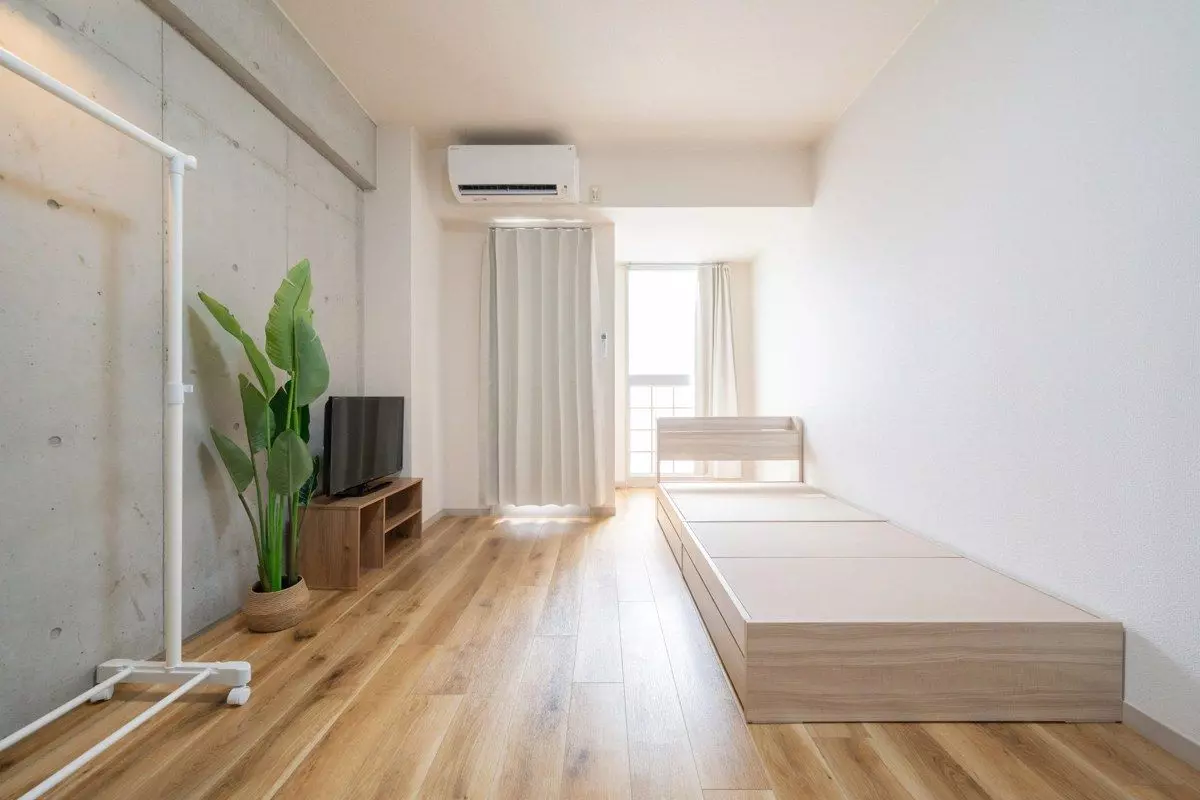
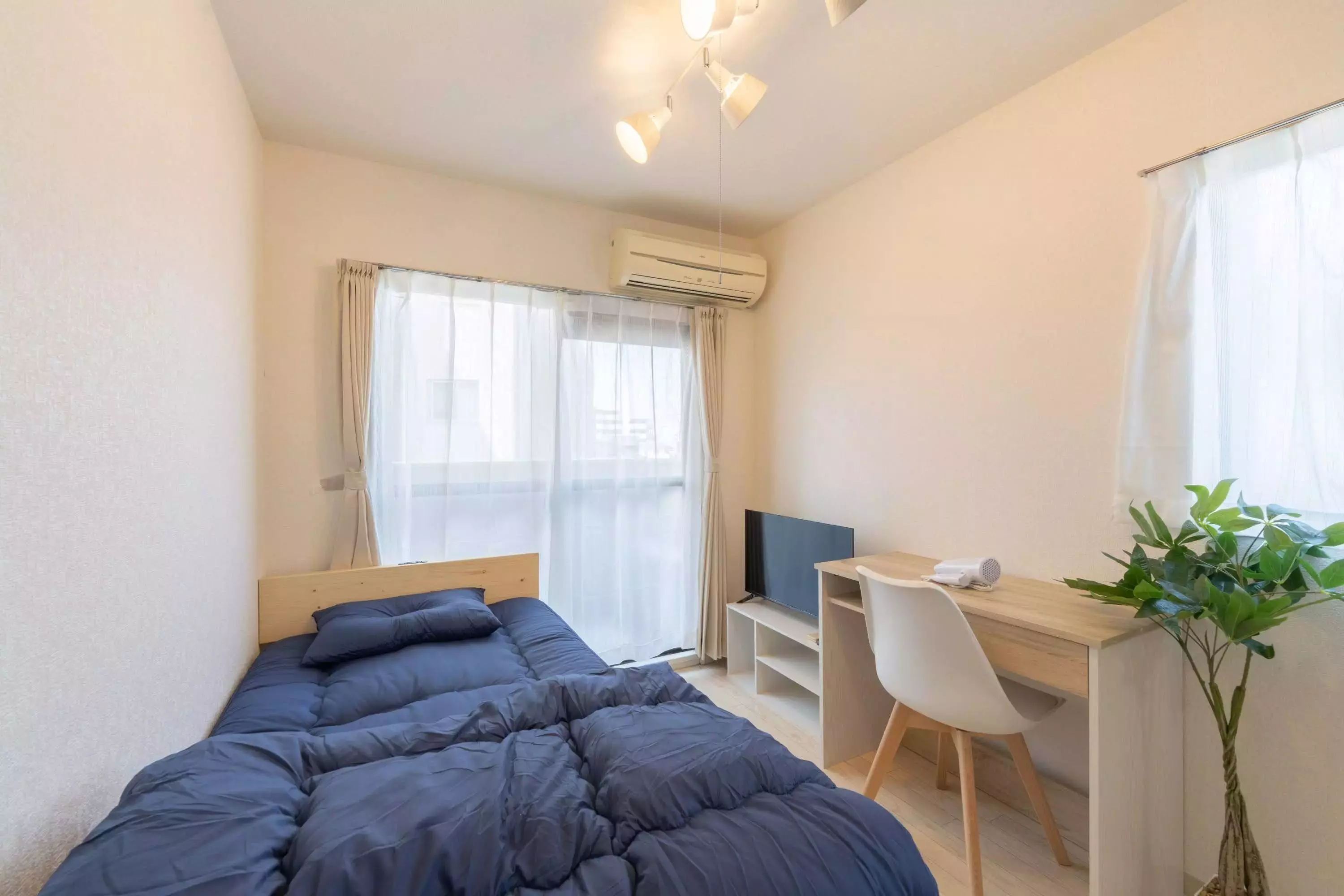
Only furnished properties with appliances are listed!
The reality of expenses faced by university students living alone
The cost of living alone as a university student varies greatly depending on the area and lifestyle. Rent is a particularly significant burden, with a large difference in prices between urban and rural areas. In addition, utilities, communication costs, food, and daily necessities are also essential monthly expenses. In reality, the degree of financial security depends on how well you balance part-time job income with allowances from your parents.
Here, we will introduce the actual costs involved.
Average rent prices (by city and region)
For university students living alone, the biggest expense is rent.
In urban areas, the going rate for a studio or 1K apartment is 60,000 to 80,000 yen per month, and it's even more expensive in Tokyo's 23 wards and central Osaka. On the other hand, in regional cities and suburbs, there are many properties available for 30,000 to 50,000 yen, a difference of tens of thousands of yen compared to urban areas.
When student apartments and condominiums are concentrated near a university, the market price often significantly impacts the overall cost of living in the area. Since rent often accounts for about half of total living expenses, choosing a property based on how much you can afford in relation to your income is a crucial point for comfortably continuing to live alone.
Water, electricity, gas, and communication costs
Besides rent, essential expenses include utilities (water, electricity, gas) and communication costs.
The combined cost of electricity, gas, and water is roughly 15,000 to 20,000 yen per month, with expenses tending to increase, especially during periods of heavy use for heating in winter and air conditioning in summer.
Communication costs, including smartphone and internet access, amount to approximately 8,000 to 10,000 yen per month.
While there isn't a huge difference between urban and rural areas, it's possible to reduce costs depending on your contract plan and usage. More and more students are saving on communication costs and creating more financial flexibility by taking advantage of budget smartphones and student discount plans. Since utilities and communication costs are fixed expenses that must be incurred every month, finding ways to save money is key to maintaining a stable lifestyle.
Food and daily necessities expenses
Food expenses make up a large portion of a university student's living expenses, typically ranging from 20,000 to 40,000 yen per month. While it can be kept relatively low by cooking at home, busy students juggling classes and part-time jobs tend to rely on eating out or convenience stores, which can easily increase their spending.
Furthermore, daily necessities such as detergent and toilet paper cost around 3,000 to 5,000 yen per month, which is an expense that shouldn't be ignored. Students, especially those with less financial support from their families, tend to cut back on food expenses, but this can lead to nutritional imbalances and health problems, so caution is necessary.
Recently, more and more students are saving money wisely by using the school cafeteria, buying in bulk, and utilizing frozen food storage. Successfully controlling food and daily necessities expenses is a crucial point for comfortably continuing to live alone.
Balancing part-time job income and remittances
For university students living alone, the balance between part-time job income and allowances from family members is directly linked to the stability of their lives.
Students who receive financial support from their families typically receive around 50,000 to 70,000 yen per month, and it's common for them to earn an additional 50,000 to 80,000 yen per month from part-time jobs.
On the other hand, students who receive little or no financial support from their families are forced to rely on part-time jobs, making it a significant burden to balance work and studies. How they manage their income determines whether they can live comfortably or be forced to constantly save money.
Ideally, you should combine financial support from your parents with part-time work to create a balance that allows you to cover most of your living expenses. For students who don't receive financial support from their parents, it's especially important to consider utilizing scholarships and tuition waiver programs.
Benefits of living alone
While living alone as a university student is often perceived as "tough" due to financial and household burdens, it actually offers many significant advantages. Having free time, establishing a lifestyle, convenient commuting, and acquiring household and financial management skills are all valuable experiences before entering the workforce.
Here, we will explain in detail the benefits you can gain from living alone.

Free time and lifestyle
The biggest appeal of living alone is the freedom to design your own time and lifestyle.
Living with family means you have to adjust to their daily routine, but living alone allows you to decide your own wake-up and bedtime, and meal times. You're also free to invite friends over or immerse yourself in your hobbies, allowing you to enjoy university life more proactively.
Furthermore, an environment where you are not interfered with by anyone enhances your self-management skills and also helps relieve stress. Experiencing a lifestyle with a high degree of freedom makes it easier to find a lifestyle that suits you, and is also useful for building a foundation for life after becoming a working adult.
Shorter commute times allow students to concentrate on their studies.
One of the biggest advantages of living alone is that you can live closer to the university, significantly reducing your commute time.
Many students have a commute of 1-2 hours each way from their family home, but by living near the university, commute time can be reduced to 10-30 minutes. This extra time can be used for studying, club activities, or part-time jobs, leading to a more fulfilling university life. In particular, the reduced commute burden is a significant advantage during busy periods such as before exams or when seminar research activities are in full swing.
In addition, the ability to flexibly respond to sudden assignments or class changes, creating an environment conducive to focusing on studies, is a major advantage of living alone.
You will acquire household skills and life skills.
Living alone requires you to handle household chores such as cooking, cleaning, and laundry yourself, which naturally helps you develop essential life skills. Even if it seems troublesome at first, repeated practice will teach you efficient methods, becoming a practical skill that will be useful even after you enter the workforce. Another major benefit is that cooking for yourself helps you develop the habit of considering nutritional balance and becoming more conscious of healthy eating habits.
Furthermore, the experience of managing all aspects of one's life independently is the first step towards becoming an "independent adult," and it can be a valuable asset to highlight during job hunting as part of one's self-introduction. This improvement in life skills is a unique value of living alone, even from a long-term perspective.
Financial management skills improve.
When living alone, you have to manage your own living expenses, such as rent, utilities, and food. The experience of managing within a limited income naturally develops your financial sense. By learning to distinguish between fixed and variable expenses and finding ways to save money, which are often difficult to do when living with family, you become able to spend money more systematically.
Students who don't receive financial support from their families need to efficiently manage their part-time job income, which helps them develop habits of reducing unnecessary spending early on. These skills are also useful for managing household finances, saving, and investing after entering the workforce, so improving financial management skills is a major benefit of living alone during university.
Independence is fostered.
Living alone requires you to make all decisions about your life on your own, which greatly fosters independence. The process of solving problems in an environment where you cannot rely on your parents also helps to cultivate a sense of responsibility and judgment.
Managing living expenses, scheduling, and managing your health—making small daily decisions—cultivates the ability to live independently. Furthermore, living alone allows you to become mentally stronger as you face loneliness and difficulties.
This sense of independence will be a great asset in job hunting and professional life, and will undoubtedly be useful in building your career and relationships in the future.
Search for a room
Only furnished properties with appliances are listed!
Solutions for when you find living alone "tough"
Living alone as a university student can often feel "tough" due to financial burdens and the difficulties of daily life. However, with some ingenuity, these burdens can be alleviated. There are many solutions, such as utilizing scholarships and support systems, reviewing rent and living expenses, finding ways to manage household chores efficiently, and even building relationships to alleviate loneliness.
Here, we will introduce specific methods.
Utilize scholarships and programs
Many students find living alone difficult for financial reasons. In such cases, they should actively utilize scholarships from the Japan Student Services Organization (JASSO), university-specific grants, and tuition fee reduction programs.
Trying to cover living expenses solely through part-time work makes it difficult to balance work and studies, so it's important to combine various systems to create a stable financial foundation. Some scholarships require repayment, while others do not, but if used strategically, they can be a great support.
Furthermore, some local governments offer rent subsidies and living support programs, so gathering information can help alleviate financial anxieties.
Keep rent to no more than one-quarter of your income.
Rent is the largest expense in living costs. If rent is too high, it puts pressure on other expenses, leading to a life where you're constantly trying to save money. Generally, it's considered ideal to keep rent within one-quarter of your income, which leads to more manageable household finances.
For example, if your monthly income from part-time work and allowance is 120,000 yen, a reasonable rent would be around 30,000 yen. While this may be difficult in urban areas, you can reduce costs by choosing a property slightly outside the city center or compromising on amenities or the age of the building. To live a stable life in the long term, it's important to realistically reconsider your rent expectations.
Money-saving tips (using the school cafeteria, cooking at home, using a cheap smartphone)
To reduce monthly expenses, small adjustments to your daily life are essential.
University cafeterias are inexpensive and offer good nutritional balance, making them a more cost-effective option than eating out. Furthermore, incorporating home cooking can significantly reduce the cost per meal.
Furthermore, there is room to review communication costs, and utilizing budget smartphones or student discount plans can lead to savings of several thousand yen per month. By combining several of these saving methods, it is not uncommon for the difference to amount to tens of thousands of yen or more per year.
By implementing various strategies to reduce expenses, you can significantly lessen the financial burden of living alone.
Don't aim for perfection in housework.
When living alone, you have to do all the cooking, cleaning, and laundry yourself, but striving for perfection increases the burden and makes it easy to feel overwhelmed.
for example,
- I only cook from scratch when I have the time.
- When I'm busy, I combine frozen foods and prepared meals.
- You don't need to clean every nook and cranny every day; just get into the habit of tidying up regularly.
It's important to be flexible like this. Letting go of perfectionism and focusing on doing household chores efficiently will create more time and peace of mind. Not pushing yourself too hard is the secret to living alone for a long time.
Strategies for stabilizing your daily routine
Disruptions to your lifestyle can lead to physical and mental health problems and difficulties in your studies, which can be a major burden for someone living alone. To prevent this, it is effective to maintain a consistent sleep and wake schedule and eat meals at roughly the same time each day.
Staying up late or having your sleep schedule reversed can cause health problems, so it's important to be careful. Also, taking steps to prevent excessive smartphone use and establishing a morning routine are effective. Maintaining a healthy lifestyle rhythm will improve concentration and allow you to smoothly balance academics and part-time work.
Thorough self-management is a crucial point for making living alone comfortable.
Identify people you can rely on in an emergency.
Having someone to rely on when you feel unwell or encounter problems makes a huge difference in your sense of security. It's important to know in advance who you can turn to, not only your parents and family, but also friends who live nearby, the university's student counseling center, and local medical institutions.
Especially in the event of a sudden fever or accident, dealing with the situation alone can be very unsettling, so it's reassuring to have a list of contacts. Building trustworthy relationships with colleagues or superiors at your part-time job is also effective. Knowing who or where you can rely on in an emergency will reduce feelings of loneliness and anxiety, allowing you to continue living alone more safely.
Reduce loneliness through hobbies and friendships.
Many students living alone experience loneliness and homesickness. To alleviate this, connecting with others through hobbies and friendships is an effective strategy. Participating in university clubs, extracurricular activities, or local events makes it easier to meet new friends.
Furthermore, interacting with people who share similar interests through hobbies can increase the enjoyment of life and alleviate feelings of loneliness. Regularly keeping in touch with family and friends can also provide emotional support. By consciously maintaining connections with others, you can maintain mental stability and enjoy living alone in a positive way.
Experiences of a college student living alone
The voices of university students who have actually experienced living alone are full of real-life worries and lessons learned. Their experiences vary widely, from working part-time jobs because they didn't have enough money, to feeling a sense of growth while being overwhelmed by unfamiliar household chores, to feeling lonely but learning to cherish their own time.
Here are some representative episodes.
"I didn't have enough money, so I was constantly working part-time jobs..."
One of the biggest challenges for university students who start living alone is finding part-time jobs to cover living expenses. Students who don't receive enough financial support from their families often have to work four or five days a week or more to pay for rent and food, making it difficult to balance work and studies. If they continue to live a life of "going straight to work after classes and returning home late at night," they become physically and mentally exhausted.
However, it also provides an opportunity to learn how to manage limited time and develop a sense of responsibility. In fact, many people say, "Working part-time jobs was tough, but it honed my time management skills," making it a valuable experience that allows them to feel both the challenges and personal growth of living alone.
"Housework is tough, but I feel like I've grown as a person."
For university students living alone, taking on all household chores such as cooking, laundry, and cleaning is an unavoidable challenge.
At first, you'll be unfamiliar with the process and will inevitably make mistakes, such as burning the stove or forgetting to hang up the laundry, causing it to smell. However, by repeating the process every day, you'll become more efficient and learn to plan your actions.
Many students say, "At first, cooking was a chore, but now I have more dishes I can make and it's fun." Housework helps them develop life skills and gives them a greater appreciation for their parents. These experiences become valuable skills even after they enter the workforce and are a major factor in the growth that comes with living alone.
"I'm lonely, but I have more time to myself."
Living alone can make you feel the loneliness of not having family or friends nearby. Especially right after starting school or when you have no plans on weekends, some students experience increasing loneliness and homesickness.
However, one of the attractions of living alone is the freedom to use "time to yourself." Time to immerse yourself in reading, movies, or hobbies, or simply relax without any interference, can lead to a sense of mental fulfillment. Overcoming loneliness deepens self-understanding and is a step towards becoming an independent adult.
"At first I was lonely, but I've come to enjoy my own time," is a common and real-life experience shared by people who have lived alone.
Search for a room
Only furnished properties with appliances are listed!
Things you should know before starting to live alone as a university student
When starting to live alone as part of your university life, preparation is crucial. When searching for an apartment, you need to carefully consider rent, location, and layout. Furthermore, you must understand the estimated initial costs and plan your finances accordingly. Understanding the moving process, security measures, and how to prepare for potential problems will allow you to start your new life with peace of mind.
Here, we'll share some things you should know before starting to live alone as a university student.
Key points when searching for an apartment (rent, location, floor plan)
One of the first challenges for university students living alone is finding an apartment. Ideally, rent should be kept to less than a quarter of your monthly income, balancing it with your income and allowances.
When choosing a location, prioritize commute time to the university, and also check for nearby supermarkets, hospitals, and train stations. While studio apartments and 1K layouts are common, the availability of study space and storage significantly impacts livability. Choosing a property with good security features is also crucial.
Choosing a home solely based on price can lead to inconvenience later on, so it's important to find a balance between cost and convenience and choose a home that suits your lifestyle.
Estimated initial costs and preparations
One of the biggest burdens of living alone is the initial costs of moving into an apartment. Generally, this is equivalent to 4 to 6 months' rent, and in addition to the security deposit, key money, and brokerage fees, there are also advance rent and fire insurance premiums.
Furthermore, including the cost of purchasing furniture, home appliances, and daily necessities, you should budget around 200,000 to 500,000 yen in total. If parental assistance or savings are not enough, many students utilize scholarships or installment payment plans.
As a way to reduce costs,
- Choose a property with no key money and furnished with appliances.
- Choosing a Share House Property
- Shifting the moving date to a time outside of peak season, etc.
These kinds of strategies are also effective. By creating a financial plan in advance, you can start your new life with peace of mind.
The process leading up to moving
If you're starting to live alone when you enter university or advance to the next grade, it's important to understand the moving process.
The process is as follows:
- First, search for properties through a real estate company.
- View the property and sign the contract.
- Arrange for a moving company and purchase furniture and appliances.
- Pack your belongings in time for the move-in date.
- Activating essential utilities such as water, gas, electricity, and internet.
During the peak season of February and March, it's difficult to make reservations and costs tend to be higher, so it's important to prepare early. By working backward from your desired schedule and planning systematically, you can reduce the burden of moving and start your new life smoothly.
Preparation for crime prevention and everyday troubles
For those living alone, security measures and preparations for potential problems are essential. Ideally, you should choose a property with an automatic lock and security cameras, but if those aren't available, you can use auxiliary locks or sensor lights. For women living alone in particular, being more security-conscious will lead to greater peace of mind.
It's also important to follow local customs and manners, such as rules for garbage disposal and noise regulations. Furthermore, it's reassuring to check the locations of emergency hospitals and evacuation centers in advance in case of sudden illness or disaster. To live safely and comfortably, it's essential to be prepared in terms of both crime prevention and adherence to local rules.
summary
Living alone as a university student can be challenging, with financial burdens, household chores, and feelings of loneliness. However, these difficulties also offer opportunities to develop independence and life skills. By learning solutions and preparing in advance, you can live more positively, making living alone a valuable experience that enriches your university life.
It's natural to feel that it's tough.
When university students start living alone, it's perfectly natural for them to feel that it's "harder than they expected" due to pressures such as rent and living expenses, balancing academics and part-time jobs, and the difficulties of household chores. This is especially true for students who are living away from their parents for the first time; the responsibilities and burdens that come with freedom can be a major obstacle.
However, feeling that it's "tough" is by no means a failure; it's a step towards growth and independence. Many students initially face the same anxieties, so there's no need to blame yourself for feeling anxious. Rather, the greatest value of living alone lies in the fact that you can develop the strength to overcome difficulties through this experience.
Knowing the solutions and preparing for them will allow you to live a more positive life.
Even when you find living alone difficult, knowing and implementing solutions can significantly improve your quality of life.
for example
- Use of scholarships and support programs
- Strategies to keep rent within a range that is in line with your income.
- Saving money by eating at the school cafeteria or cooking at home
- Using budget smartphones, etc.
There are many ways to put this into practice. Also, instead of trying to do housework perfectly, relying on efficiency improvements and convenient gadgets can be very effective.
Furthermore, consciously making time to connect with friends and family when you feel lonely can ease your mind. With the right preparation and ingenuity, living alone can transform from something "just difficult" into an "opportunity for personal growth."
Enjoy living alone as a valuable experience during your university life.
Living alone as a university student certainly has its challenges, but the experiences you gain far outweigh them. Managing your own living expenses hones your financial sense, doing household chores develops your life skills, and using your free time allows you to discover your own lifestyle.
These experiences will become a great asset when you enter the workforce, forming the foundation for a sense of responsibility and independence. The appeal of living alone lies in the joy and sense of growth you experience even amidst the challenges. Embracing the opportunity to try living alone during your few years of university life and enjoying this valuable time will be an important step that will lead to your future.