Is it possible to live alone even as a part-time worker? We explain the realities and challenges.
Starting to live alone while working as a part-timer is certainly possible depending on the circumstances and how you plan. However, compared to full-time employees, income and job security are lower, and you may face disadvantages in managing rent and living expenses, as well as in the application process for rental agreements. When searching for a property, you need to make a comprehensive decision by considering not only the rent, but also the total cost of living, including utilities, transportation, and other expenses. Also, you will often be required to use a guarantor or guarantee company when signing a contract, so it is important to prepare the necessary documents and initial costs in advance. Furthermore, when considering life after moving, be sure to check conditions that directly affect your daily life, such as the livability of the area, safety, and the usability of the room.
This chapter will provide a detailed explanation of realistic income and expense balances, the proportion of rent to be paid, and common anxieties before starting a new life.
Is it possible to live comfortably even with a low annual income or salary?
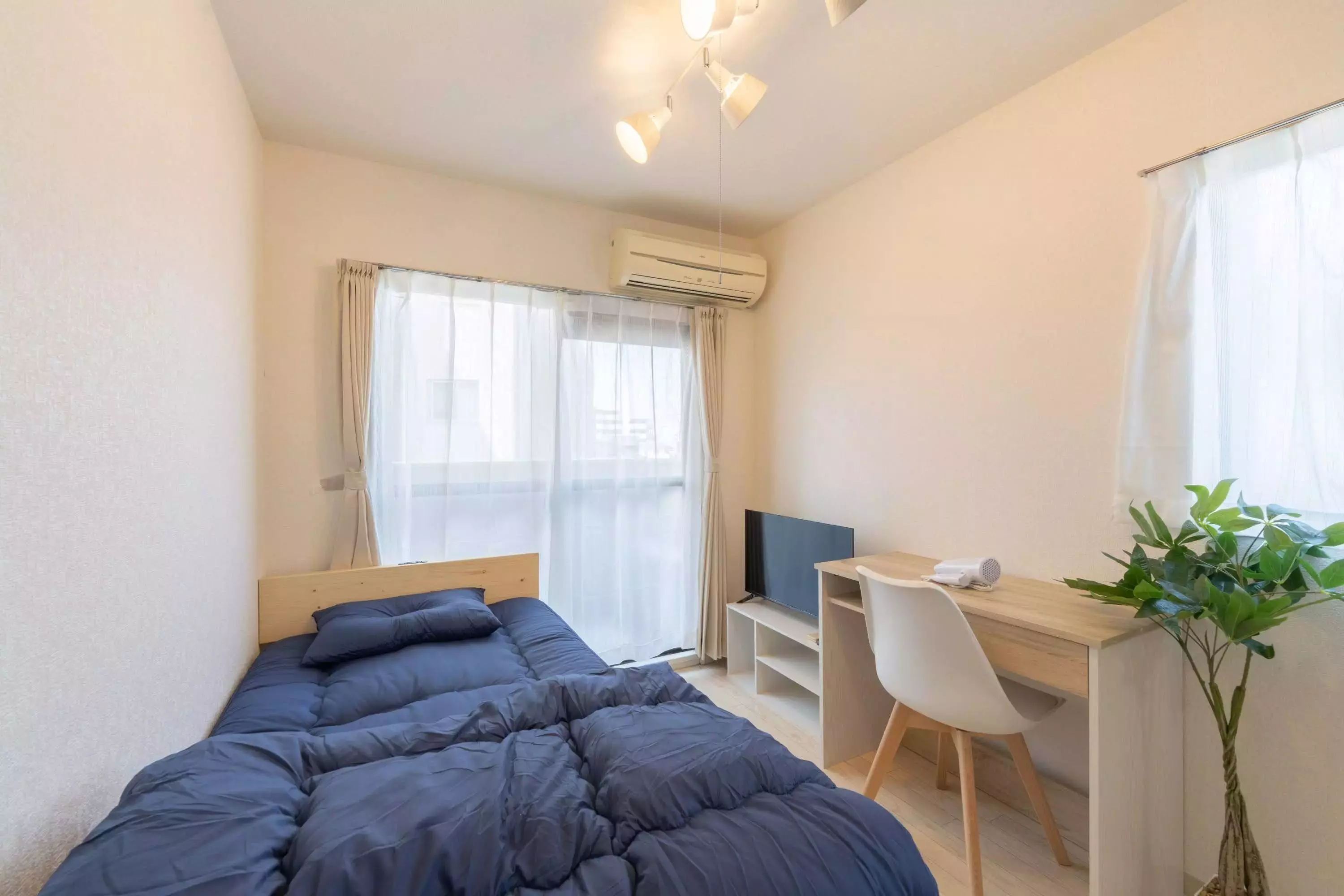
Even part-time workers can live alone if they plan their finances carefully. Generally, it's considered ideal to keep rent within one-third of your take-home pay, so if your annual income is around 2 million yen, keeping your monthly rent to around 50,000 yen is a reasonable amount. When renting a property, in addition to low rent, choose one that includes utilities and common area fees, and one that comes furnished with appliances to reduce initial costs, which will lessen the burden.
If you choose a furnished apartment, you can save around 100,000 to 150,000 yen on initial moving expenses. Furthermore, having multiple income streams, such as part-time jobs or freelance work from home, helps mitigate the risk of reduced income due to shift cuts or illness. Additionally, using financial support from family or savings to supplement living expenses allows you to maintain a stable lifestyle even with a low annual income.
Percentage of a part-time worker's income allocated to rent
Since part-time workers tend to earn less than full-time employees, reducing the proportion of rent in overall living expenses is key to a stable life. If your take-home pay is 150,000 yen, ideally you should keep rent and common area fees/management fees together under 45,000 yen. When searching for a property, effective strategies include choosing an apartment or condominium further from the station, an older building, and a compact floor plan.
However, even if the rent is low, if transportation and utility costs increase, the total expenses won't decrease, so you need to consider the overall cost of living. Consulting with the landlord or real estate company to negotiate rent or look for properties with promotional offers is one option. Also, properties with added value such as free internet or water included are cost-effective choices.
Things to be aware of before starting to live alone
Many part-time workers living alone worry about fluctuating income and unexpected expenses. When income decreases due to illness or reduced shifts, paying rent and living expenses can become difficult. In addition, employment status and proof of income are heavily emphasized during the rental contract screening process, and the use of a guarantor or guarantee company may be required. Furthermore, after moving, there are ongoing payments such as purchasing furniture and appliances, contracting for utilities, and paying for fire insurance.
To mitigate these risks, it's effective to have about three months' worth of living expenses saved up and to review and reduce fixed costs. In addition, familiarizing yourself with local rules and neighborhood conditions beforehand and preparing to avoid problems and troubles will allow you to start your new life with peace of mind.
Breakdown and average costs of living alone
The expenses involved in living alone mainly consist of monthly rent, utilities, and management fees, as well as living expenses such as food, water, electricity, communication costs, and social expenses. Furthermore, when moving, initial costs such as security deposits, key money, and brokerage fees, as well as the cost of purchasing furniture and appliances, will be incurred. These expenses vary depending on the area, property conditions, and lifestyle, but knowing the average costs in advance can prevent exceeding your budget. Setting the rent too high will put a strain on other living expenses, so it is important to clearly define why you are choosing that area and property and to conduct a household budget simulation to help you make informed decisions.
This chapter provides a detailed explanation of typical rent, utilities, and management fees, the average amount of living expenses necessary for daily life, and how to calculate initial costs such as furniture, appliances, and moving expenses.
Estimated rent, common area fees, and management fees
Rent is the largest expense for someone living alone and serves as a basis for budgeting. Generally, it's ideal for rent to be no more than one-third of your net income; for example, if your net income is 150,000 yen, rent of 45,000 yen or less is a safe bet. Common area fees and management fees vary depending on the property's facilities and age, and in urban areas they can range from 5,000 to 10,000 yen. Properties with excellent facilities such as automatic locks, delivery boxes, and elevators tend to have higher management fees, but they offer value in terms of security and convenience. If you want to keep rent low, choosing an apartment further from the station or one that is older can be effective.
However, even with cheap rent, if commuting costs and utility expenses increase, the total expenditure won't decrease, so you need to consider the overall balance before making a decision.
Average living expenses (food, utilities, communication, and social expenses)
Living expenses consist of monthly fixed and variable costs other than rent. Food expenses can be kept to around 15,000 to 25,000 yen if you mainly cook at home, but can exceed 30,000 yen if you eat out frequently. Utilities (water, electricity, gas) fluctuate depending on the season and usage, averaging around 7,000 to 12,000 yen. Communication costs, including smartphone and internet connection, are typically around 5,000 to 10,000 yen, and switching to a budget SIM or reviewing your plan can lead to significant savings. Social expenses depend on your lifestyle, but aiming for 5,000 to 15,000 yen is a safe guideline.
Especially for part-time workers, living expenses tend to fluctuate in line with changes in working hours and shifts, so it's helpful to keep track of and review your monthly household budget. Reviewing fixed expenses and finding ways to save money directly contributes to long-term financial stability.
How to calculate furniture and appliance purchase and moving expenses
For those moving into their first apartment on their own, the cost of furniture and appliances can be a major expense. The minimum necessities include a refrigerator, washing machine, microwave, lighting, and air conditioner, which typically cost between 100,000 and 150,000 yen if purchased new. Furniture such as beds, tables, and storage can add another 50,000 to 100,000 yen. If you want to save money, using secondhand shops or flea market apps is an effective option. Moving costs vary depending on distance and the amount of belongings, but a rough estimate for a single person is around 20,000 to 60,000 yen.
In addition, initial costs such as security deposit, key money, brokerage fees, and fire insurance premiums can amount to 4 to 6 months' rent, so it's a good idea to estimate the funds you'll need beforehand. Prioritizing furniture and appliances and planning to buy additional items later as needed can help reduce the burden on your household budget.
Search for a room
Only furnished properties with appliances are listed!
Tips for reducing initial costs and finding a property
When starting to live alone, initial costs such as security deposits, key money, and brokerage fees, in addition to monthly rent and living expenses, can be a significant burden. Generally, initial costs are estimated to be equivalent to 4 to 6 months' rent, meaning that for a property with a monthly rent of 50,000 yen, you would need around 200,000 to 300,000 yen. However, by being creative with your search criteria and negotiating before signing a contract, you can significantly reduce these costs. For those renting a property for the first time, or for part-time workers who want to conserve funds as much as possible, comparing conditions and gathering information are key to success.
This chapter explains how to utilize properties with no security deposit or key money, points to be aware of, tips for reducing brokerage fees and fire insurance premiums, and specific ways to save on initial costs, such as renting furnished apartments or using shared housing.
Advantages and disadvantages of properties with no security deposit or key money.
The biggest advantage of properties with no security deposit or key money is that they significantly reduce the initial costs required when signing a contract. For a property with a monthly rent of 50,000 yen, simply waiving these fees can save you approximately 100,000 yen. This is especially appealing for students, women living alone, and those moving for the first time, as it allows them to save money and allocate it to preparing for their new life.
However, if there is no security deposit, the cost of restoring the property to its original condition upon moving out can be substantial, and you may be charged for cleaning and repairs. Similarly, even if there is no key money, it is important to understand the reasons behind that condition and compare the location and facilities with other properties. Before signing a contract, check the move-out conditions and whether there are any additional fees to reduce the risk of future expenses.
Tips for reducing brokerage fees and fire insurance premiums
The typical brokerage fee is one month's rent plus tax, but some real estate companies offer half-price or even free services. When searching for properties, it's efficient to use search criteria such as "no brokerage fee" or "0.5 months' rent." Fire insurance premiums are often required at the time of contract, and the average is around 15,000 to 20,000 yen for two years. You can save money by reviewing your coverage and keeping only what you need for your daily life.
Additionally, you have the option of using insurance other than that specified by the real estate company, and comparing multiple companies can result in differences of several thousand yen. These costs can be confirmed in the estimates and contracts prepared before signing, and this can be useful when negotiating terms. When making your choice, consider not only short-term savings but also the long-term impact on your household finances.
Utilizing furnished apartments and shared housing
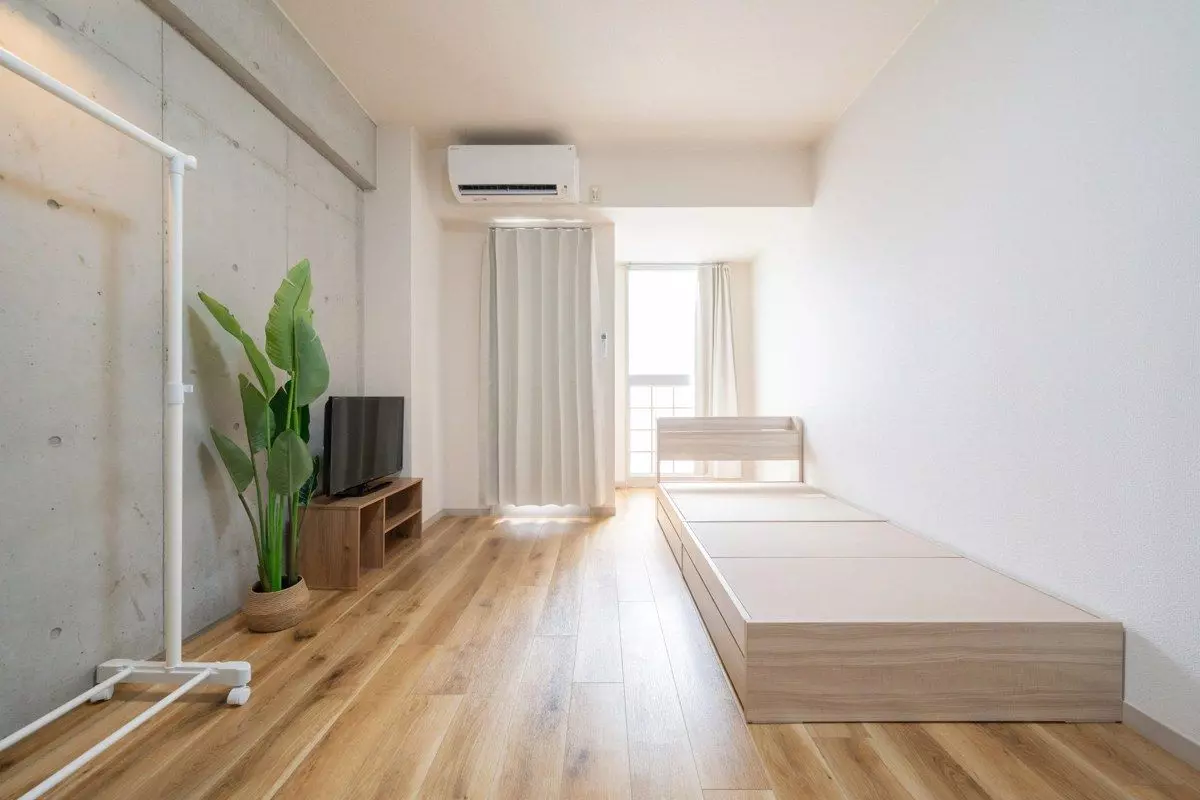
Furnished apartments come equipped with essential appliances such as a refrigerator, washing machine, microwave, and bed, eliminating the initial costs that would typically amount to 100,000 to 150,000 yen if purchased new. This is especially useful for people moving to a new place for work or those planning a short-term stay.
Share houses offer lower rent and utility costs than the market average, and many include internet access, directly leading to reduced monthly fixed expenses. Many also boast excellent shared spaces and facilities, allowing you to move in with minimal furniture. However, since it's communal living, understanding the rules and privacy requirements is essential. Popular areas fill up quickly, so it's important to act fast to secure a suitable property.
Rental agreement and screening process
To rent an apartment, you must undergo a screening process before signing a contract. This screening is an important process in which the real estate company or landlord assesses whether you can reliably pay the rent. This is especially important for part-time workers, as their income and employment stability are often perceived as lower compared to full-time employees. Therefore, it is crucial to have all the necessary documents and conditions in order to pass the screening.
This chapter provides a detailed explanation of the requirements for passing the screening process, the reasons behind them, the necessary documents to prepare if using a guarantor or guarantee company, and the initial costs and payment methods involved in the contract. Understanding the screening process and its differences, and preparing accordingly, will enable a smooth contract and move-in.
Conditions for passing the screening process even as a part-time worker
For part-time workers to pass the screening process for a rental agreement, demonstrating sufficient ability to pay rent is fundamental. As a guideline, it is desirable for rent to be less than one-third of your monthly income, so if your take-home pay is 150,000 yen, it is safest to keep rent and management fees together under 45,000 yen.
Furthermore, a longer tenure at your current workplace increases your credibility, so it's advantageous to demonstrate a track record of stable employment at the same company. Having multiple income sources, such as part-time jobs or side hustles, and being able to prove those incomes will further enhance your credibility. Savings, remittances from family, and job offers (if you're currently job hunting) are also positive factors. Organizing this information and presenting it to landlords and real estate companies will increase your chances of passing the screening process.
Required documents when using a guarantor or guarantee company
If you plan to use a guarantor or guarantee company, preparing the necessary documents in advance will help ensure a smooth process.
If you require a co-signer, you will need identification documents (such as a driver's license or My Number card), a seal certificate, and proof of income (such as a withholding tax statement or tax payment certificate).
Even when using a guarantee company, you will be required to provide documents such as your personal identification, proof of income, and proof of employment. For part-time workers, proof of income will be provided through employment contracts, pay stubs, and bank transfer records. Since the required documents and screening criteria vary from company to company, it is helpful to check in advance. The guarantee company's fee is typically around one month's rent, so you need to include this in your initial costs when planning your finances.
Initial fees and payment methods required at the time of contract
When signing a rental agreement, several initial costs are incurred all at once, including a security deposit, key money, brokerage fees, advance rent, guarantee fees, and fire insurance premiums. Generally, these costs amount to 4 to 6 months' rent, so for a property with a monthly rent of 50,000 yen, you will need to prepare around 200,000 to 300,000 yen.
While bank transfer is the most common payment method, some real estate companies now accept credit card payments and installment plans. When signing the contract, be sure to have all necessary documents ready, such as your seal, identification, and proof of income. It's crucial to confirm the payment deadline and method before signing to prevent future problems.
Also, since contract terms and prices vary depending on the real estate company and area, it's reassuring to compare and consider multiple properties and contract details.
Search for a room
Only furnished properties with appliances are listed!
Tips for saving money on living expenses
For those living alone, efficiently managing monthly living expenses is crucial for financial stability. Reviewing fixed and variable expenses such as rent, utilities, communication costs, and food expenses is a highly effective way to save money. This is especially important for part-time workers, whose income tends to fluctuate, so incorporating ways to reduce living expenses into their daily routine is essential.
This chapter explains specific money-saving techniques, from choosing an area to lower rent, to reviewing utility and communication costs, and even ways to reduce food expenses through cooking and shopping. By accumulating small efforts, you can create more financial freedom in your life while maintaining a comfortable living environment.

Choosing an area to lower rent
Rent is the largest expense in living costs, so choosing the right area is crucial for saving money. Areas more than a 10-minute walk from the station, or around stations where express trains don't stop, tend to have lower rents. Even within the same city or town, rents can vary by 10,000 to 20,000 yen depending on the area. Choosing older properties or compact studio apartments can also be effective.
However, even if you lower your rent, your total expenses won't decrease if transportation and utility costs increase, so you should also consider the convenience of commuting to work or school and the living environment. It's important to compare popular areas with suburban areas and consider which one suits your lifestyle and budget.
How to review utility and communication costs
Utility and communication costs can be reduced in the long run simply by reviewing your contracts and usage. Optimizing your electricity contract's amperage and rate plan, and choosing a property with city gas, can make a difference of several thousand yen per month. Water costs can be reduced through everyday household chores, such as consolidating laundry loads or shortening shower times. Communication costs can be reduced from over 10,000 yen per month to around 5,000-7,000 yen by taking advantage of budget SIM cards and fiber optic internet promotions.
Additionally, you can get discounts by bundling multiple services into a single contract. Reviewing these fixed costs has long-lasting effects once done, so preparing early is key to successful saving.
Shopping tips to keep food and daily necessities costs down.
You can significantly reduce your food and daily necessities expenses by changing your daily habits. Simply by cooking more meals at home, you can reduce your monthly food expenses to around 15,000 to 20,000 yen. By buying in bulk at wholesale supermarkets or discount stores and utilizing freezing and meal prepping, you can reduce eating out and using convenience stores.
For daily necessities, take advantage of drugstore sales and point reward programs, and online shopping subscriptions and outlet items can also be helpful. Creating a shopping list in advance and only buying what you need will help prevent impulse purchases.
These strategies allow you to reduce the financial burden on your household while maintaining a reasonable quality of life, even if your income is unstable as a part-time worker.
Methods for securing income to achieve a stable life
For part-time workers to continue living alone, they need a stable source of income to cover rent and living expenses. Unstable income increases the risk of financial hardship due to unexpected expenses or reduced work shifts. Therefore, having multiple income streams and working in a way that anticipates future income growth becomes crucial.
This chapter explains how to increase your income through part-time jobs or side hustles, career planning for becoming a full-time employee, and how to use a household budget to track your monthly income and expenses and reduce waste. Securing a stable income is the foundation for maintaining independent living in the long term.
Increase your income by working multiple part-time jobs or taking on a side hustle.
One quick and effective way to increase your income is to take on multiple part-time jobs. By combining jobs with flexible shifts, such as working at restaurants, convenience stores, or as event staff, you can stabilize your monthly income. Furthermore, side jobs that can be done from home, such as data entry, writing, or running an online shop, are useful because they allow you to earn additional income while reducing travel time and transportation costs.
When starting a side job, it's important to clearly define your reasons for choosing that particular job and create a manageable schedule. Having multiple income streams allows you to respond flexibly to sudden shift reductions or job changes, and gives you more flexibility in paying rent and living expenses.
A career plan aiming for full-time employment in the long term.
If you want to secure your future financial stability, it's effective to create a long-term career plan that aims for full-time employment. Full-time employees enjoy comprehensive benefits such as social insurance, paid leave, and bonuses, and can secure a stable income. Starting with employment types that offer the possibility of becoming a full-time employee, such as contract work or temporary staffing with the possibility of permanent employment, can also be helpful.
Furthermore, investing in acquiring qualifications and skills will broaden your opportunities for higher-paying jobs. For women, choosing a job and working style that takes into account changes in life stages is also important. Planning by working backward from your desired career direction is key to living a secure and comfortable life in the long term.
Using a household budget book to manage monthly income and expenses
For part-time workers with limited income, keeping a household budget is an effective tool for protecting their finances. By keeping a budget, you can track your monthly expenses by dividing them into "fixed costs" and "variable costs," and reduce unnecessary spending.
Fixed expenses include rent, utilities, and communication costs, while variable expenses include food, entertainment, and daily necessities. Recently, services that link smartphone apps with bank accounts and credit cards to automatically record expenses have become popular. Reviewing your spending each month helps you identify areas for improvement and increase the amount you allocate to savings and asset building, leading to greater peace of mind in the future. Planned income and expense management is essential for maintaining a stable life in the long term.
Search for a room
Only furnished properties with appliances are listed!
Preparations and lifestyle habits to reduce anxiety about living alone
Moving into your own place for the first time is often accompanied by both excitement and anxiety. This is especially true for part-time workers, who may worry about their income and daily routine being unstable, and whether they can cope with unexpected troubles or sudden expenses. To alleviate this anxiety, it's important to plan and prepare systematically before moving in and to establish a solid foundation for your life.
This chapter explains, with helpful examples, how to create a pre-move-in preparation checklist, tips for efficiently acquiring appliances and furniture while keeping costs down, and how to maintain good relationships with neighbors and take security measures for a safe and comfortable living environment.
Moving preparation checklist
Before moving, creating a list of necessary procedures and items to pack will help prevent confusion and omissions on the day of the move.
Prioritize procedures such as changing your residency registration, activating utilities (electricity, gas, water), and contracting for internet service. Also, make arrangements and get quotes from moving companies, and prepare cardboard boxes and packing materials as early as possible.
If you're planning to use large appliances like refrigerators or washing machines, it's a good idea to check the delivery route and installation space beforehand. Regarding costs, it's important to understand the payment dates for initial fees and moving expenses, and to have the necessary funds secured by the day of delivery. Planning ahead will allow you to start your new life smoothly.
How to acquire and prioritize home appliances and furniture
Living alone requires many appliances and pieces of furniture, but buying everything at once can be a significant burden. It's more efficient to prioritize essentials like a refrigerator, washing machine, microwave, lighting, and bed, and then add storage furniture, tables, and cooking utensils as your living situation changes. Choosing a furnished apartment can reduce initial costs, and you can start using your new place right away.
Furthermore, recycling shops and flea market apps can help you save money by allowing you to obtain good-condition second-hand items at low prices. Clearly defining your priorities is necessary not only to avoid unnecessary spending but also to make effective use of limited space.
Neighborly relations and crime prevention measures to prevent trouble
To live with peace of mind, crime prevention measures and appropriate interaction with neighbors are essential. In terms of crime prevention, in addition to locking doors and windows, using door chains, auxiliary locks, and security film is effective. Using delivery boxes and lighting timers can also enhance security. In terms of neighborly relations, even just exchanging greetings and small talk can build relationships where you can help each other in emergencies or when problems arise.
For women living alone, it's reassuring to choose a property with high security and to be mindful of your return time, among other things, by incorporating adjustments into your daily routine. Checking local rules and manners in advance and preventing potential problems is key to maintaining a comfortable life.
Summary | How to start living alone with peace of mind, even as a part-time worker
Even part-time workers can certainly afford to live alone, but careful planning is essential, including managing rent and living expenses, preparing for lease applications, and saving on initial costs. This article provides a wide range of useful information, from cost breakdowns and average prices to saving methods, income-securing strategies, and habits for maintaining financial stability. By using this information as a reference and creating a household budget plan that suits your income and lifestyle, you can start your new life without undue stress and with peace of mind.
The important thing is to understand why a particular action is necessary and to incorporate it into your daily life. By gathering information beforehand and taking concrete actions, you can move closer to a stable life in any situation.
Points regarding costs, living expenses, and application process discussed in the article
This article begins by clarifying the breakdown and average costs of living alone, including rent, utilities, and management fees, as well as estimated living expenses such as food, electricity, and communication costs. It also offers tips for finding properties that minimize initial costs, and discusses how to utilize furnished apartments and shared housing. Furthermore, it provides detailed explanations of the conditions and necessary documents for passing the screening process, even for part-time workers, and how to utilize guarantors and guarantee companies.
By understanding and preparing these things in advance, you can reduce the burden of rent and living expenses and move in smoothly. In terms of daily life, tips for saving money, ways to secure income, crime prevention measures, and getting along with neighbors are key to supporting a stable life.
Saving and preparation steps you can start today
To start living alone with peace of mind, small actions you can take starting today are important.
First, start by keeping a household budget to understand your income and expenses, and review your fixed and variable costs separately. When researching areas and comparing properties to reduce your rent burden, the earlier you start, the more difference it will make. To reduce living expenses, review your utility and communication contracts, and switch to cooking at home more often.
When preparing to move, prioritize furniture and appliances, and reduce initial costs by using secondhand items or properties that come furnished. Furthermore, saving about three months' worth of living expenses will help you cope with unexpected expenses or income reductions. By steadily making these preparations, even part-time workers can achieve stable independent living.
Tips and support methods for successful independent living
To successfully live alone, you need a realistic plan that takes into account your current income and living experience.
For part-time workers in particular, securing a stable income to cover rent and living expenses, as well as being prepared for unexpected expenses, is crucial. Receiving support from parents or advice from acquaintances can greatly help in resolving anxieties and problems.
On the other hand, failing to pay rent or entering into unreasonable contracts will damage your reputation and be a major disadvantage, so you should avoid them. After signing a lease agreement, it is important not to forget to complete the procedures for enrolling in national health insurance and various public services. In order to aim for a stable life as a working adult in the future, reviewing your current lifestyle and acting systematically is the shortest path to success.