Average savings amount for single people and data by household type
The amount of savings a single person can have varies greatly depending on age, income, and lifestyle. According to the Central Council for Financial Information and various surveys, the average savings for single-person households is in the range of several million yen, but the median is lower, indicating a discrepancy between actual living conditions and statistical figures. Furthermore, a certain number of people have "zero savings," and this is often due to underlying financial challenges such as high fixed costs and insufficient income and expenditure management.
Here, we provide detailed explanations of average and median savings by age group and income level, the percentage of people who cannot save money, and the status of financial asset ownership, summarizing data that can be useful for your savings plan.
Average and median savings of single-person households by age group
The average savings of single-person households tend to increase with age.
According to a 2022 survey by the Central Council for Financial Information, the average monthly savings for those in their 20s is 1.76 million yen (median 200,000 yen), for those in their 30s it's 4.94 million yen (median 750,000 yen), for those in their 40s it's 6.57 million yen (median 530,000 yen), and for those in their 50s it's 10.48 million yen (median 530,000 yen). The average is skewed upwards by a small number of high savers, so the median is significantly lower. Especially among younger generations, some people can only save less than 10% of their take-home pay due to lower incomes and a high proportion of living expenses and rent.
By understanding age-specific data, you can compare your savings situation to that of your peers and set realistic goals.
Average savings by annual income and net income
According to the Financial Information Central Committee's 2023 Survey of Single-Person Households, the average financial assets (savings) of single-person households by annual income tend to follow the following trends:
- Annual income less than 3 million yen: Average 6.63 million yen (median 500,000 yen)
- Annual income between 3 million and less than 5 million yen: Average 10.19 million yen (median 2 million yen)
- Annual income between 5 million and 7.5 million yen: Average 19.43 million yen (median 6 million yen)
- Annual income between 7.5 million and less than 10 million yen: Average 38.37 million yen (median 22.6 million yen)
However, since the average is heavily influenced by a few high-net-worth individuals, it is also important to consider the median. As the median figure indicates, the actual savings of many people are often much more modest. As a guideline, it is recommended to save 10-20% of your net income each month. For example, if your net income is 200,000 yen per month, that would be 20,000-40,000 yen; if it's 250,000 yen, that would be 25,000-50,000 yen. This range is considered a manageable savings amount for most households.
When setting future savings goals, the key is to review your fixed expenses while balancing them with your annual income and monthly living expenses, and to set a realistic amount.
The percentage of people with no savings and the reasons behind it
Statistics show that approximately 30% to 40% of single-person households report having "zero financial assets." This percentage is particularly high among those in their 20s and those with an annual income of less than 3 million yen. Possible reasons include the fact that fixed costs such as rent and living expenses account for a large portion of their income, leaving little room for savings. Other contributing factors may include a "save what's left over" approach and the reset caused by unexpected expenses. Furthermore, excessive use of credit cards and cashless payments, as well as increased spending on hobbies and social activities, are also likely factors that prevent people from saving as much as they would like.
Let's break free from this zero-savings situation by using a household budgeting app or introducing automatic savings.
Financial asset holdings and breakdown
For single-person households, savings accounts for over 60% of financial assets, followed by insurance, stocks, investment trusts, and regular investment plans such as iDeCo and NISA. Younger generations tend to favor highly liquid savings accounts, but those in their 30s and older tend to hold more fixed deposits, investment trusts, and corporate and individual defined contribution pension plans.
Those who are conscious of wealth building are adopting investment strategies based on long-term, regular contributions, and diversification to prepare for retirement and life events. Increasing the types of financial assets also increases resilience to inflation and interest rate fluctuations, leading to greater peace of mind for the future.
What's a reasonable amount to save each month if you're living alone?
To save money comfortably while living alone, it's crucial to clearly define what percentage of your income you should save. Many financial experts and surveys suggest that saving 10-20% of your take-home pay is ideal, but the amount you can actually achieve will vary depending on the proportion of fixed expenses such as living expenses, rent, and utilities. Also, the amount needed will differ depending on life events such as marriage, moving, and retirement, so knowing your target amount in advance is key to a successful savings plan.
This section explains how to determine a reasonable income-to-income ratio, how to calculate expenses in reverse, and the necessary amounts for different purposes.
What percentage of your take-home pay should you save?
The generally recommended savings rate is 10% to 20% of your net income. For example, if your net income is 200,000 yen, you should save 20,000 to 40,000 yen per month; if it's 250,000 yen, save 25,000 to 50,000 yen. For beginners or those starting with no savings, 5% to 10% is a good starting point.
The key is "habit formation rather than the amount," and creating a system where you set aside a portion of your salary as soon as it comes in and transfer it to a separate account. When your income increases, the point is to not raise your standard of living too much, but to gradually increase the percentage you save. If you cut fixed expenses and add income from a side job, saving more than 20% will become a realistic goal.
How to set a savings amount by working backward from living expenses, rent, and utility costs.
Instead of saving whatever's left over, it's more effective to set your savings amount by working backward from your living expenses. First, keep your rent within 25-30% of your take-home pay (for example, if your take-home pay is 200,000 yen, then rent should be in the 50,000-60,000 yen range). Next, understand your fixed expenses such as food, utilities, and communication costs, and review your variable expenses (social expenses and entertainment expenses). From the remaining amount after deducting these, allocate at least 10% to savings.
By using budgeting apps and credit card statement management tools, you can visualize unnecessary spending and accurately determine how much you can save.
Required savings for different life events
Setting savings goals for each life event increases your sense of purpose and makes it easier to maintain motivation. For example, a good guideline for moving is 5-6 months' worth of rent (including security deposit, key money, and moving expenses). For marriage, 500,000 to 3 million yen is recommended, for living expenses during studying abroad or job hunting, 6 months' worth is recommended, and for retirement, it is advisable to prepare around 20 million yen in addition to public pensions.
Setting deadlines and target amounts for each event, and systematically saving in the short term (within 1 year), medium term (within 5 years), and long term (10 years or more) is the surest way to a secure life and wealth building.
Search for a room
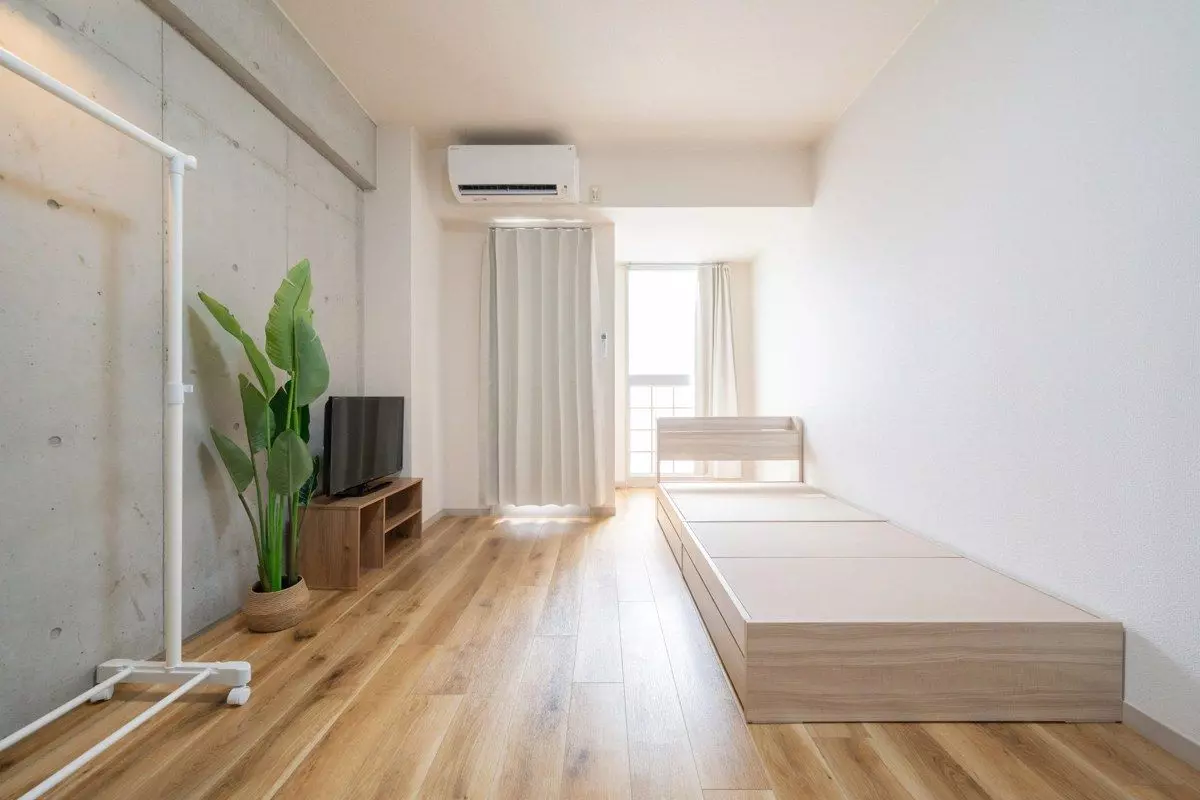
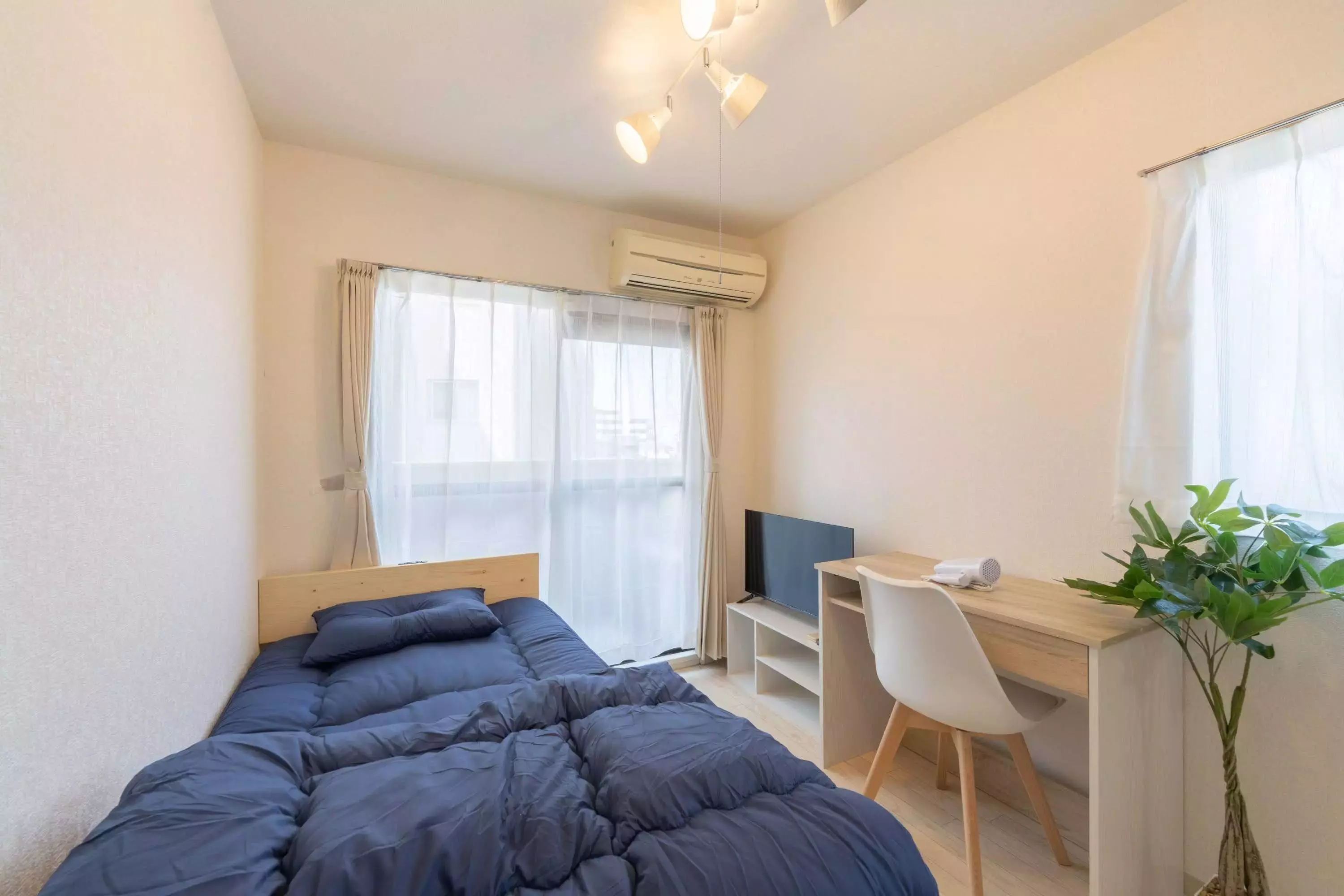
Only furnished properties with appliances are listed!
Reasons why you can't save money and points to review your household budget.
There are several reasons why people living alone often struggle to save money, including high daily living expenses and fixed costs, a lack of awareness of income and expenses, and the accumulation of small expenses. In particular, the "I'll save what's left over" mentality is a major cause of savings almost disappearing when unexpected expenses pile up.
This section provides a detailed explanation of the characteristics of households with high fixed costs, ways to improve them, the importance of income and expense management, the impact of unconscious spending, and habits that hinder planned saving.
Characteristics of households with high fixed costs and ways to improve them
If fixed expenses such as rent, communication costs, and insurance premiums are too high relative to your income, it becomes difficult to save money each month. Ideally, rent should be within 25-30% of your take-home pay, but in urban areas, it's not uncommon for it to account for 35% or more. Unused subscriptions and expensive smartphone plans also increase your burden.
Possible ways to improve your finances include reviewing your housing options, switching to a low-cost SIM card, canceling unnecessary insurance policies, and changing your utility plans. Reducing fixed costs once will not continuously strain your household budget, making it the first step towards steadily increasing your savings.
Common mistakes made by people who don't keep track of their income and expenses
Without a clear overview of your income and expenses, you won't know where your money is going, leading to continued unnecessary spending. A common mistake is failing to distinguish between fixed and variable expenses and instead lumping all expenses together. Also, relying solely on credit card withdrawal amounts can lead to small daily transactions accumulating and significantly exceeding your budget. As a solution, visualize your monthly expenses by category using a budgeting app or credit card statement, and make it a habit to review them regularly.
By clearly defining the breakdown of expenses, you can identify areas where you can cut costs.
The impact of accumulating small expenses
Small daily expenses like shopping at convenience stores, eating out, and going to cafes can unconsciously strain your household budget. For example, buying a 500 yen coffee every day adds up to about 15,000 yen a month, or over 180,000 yen a year. Impulse purchases at the supermarket and increased frequency of eating out similarly increase food expenses. While these are enjoyable aspects of life, exceeding your budget will reduce your savings.
As a countermeasure, setting a weekly food budget and managing it with cash or a prepaid card can make it easier to control spending.
Why saving money by "saving whatever's left over" doesn't work
The "save whatever's left over" method may seem rational at first glance, but in reality, it's a major reason why you hardly save anything. This is because your awareness of controlling spending weakens, and it's easy for your surplus to disappear due to everyday purchases and unexpected expenses. Also, because the amount you save each month is not consistent, it becomes difficult to create a long-term asset building plan.
The solution is "saving first," which involves transferring a portion of your savings to a separate account immediately after payday. By utilizing automatic transfers or fixed-term deposits, you can save reliably without relying on willpower. This kind of systematization is essential for building a stable saving habit.
How to save money efficiently while living alone
To systematically increase savings while living alone, it's crucial to not only save money on a daily basis but also to "create a system" for saving. In particular, using automatic savings or a dedicated savings account is effective in preventing overspending while ensuring consistent savings. Furthermore, by visualizing expenses with a household budget app or credit card statements, and combining this with point rewards and cashless payments, you can improve savings efficiency without lowering your quality of life.
Here, we introduce specific saving methods that can be easily implemented even when living alone.
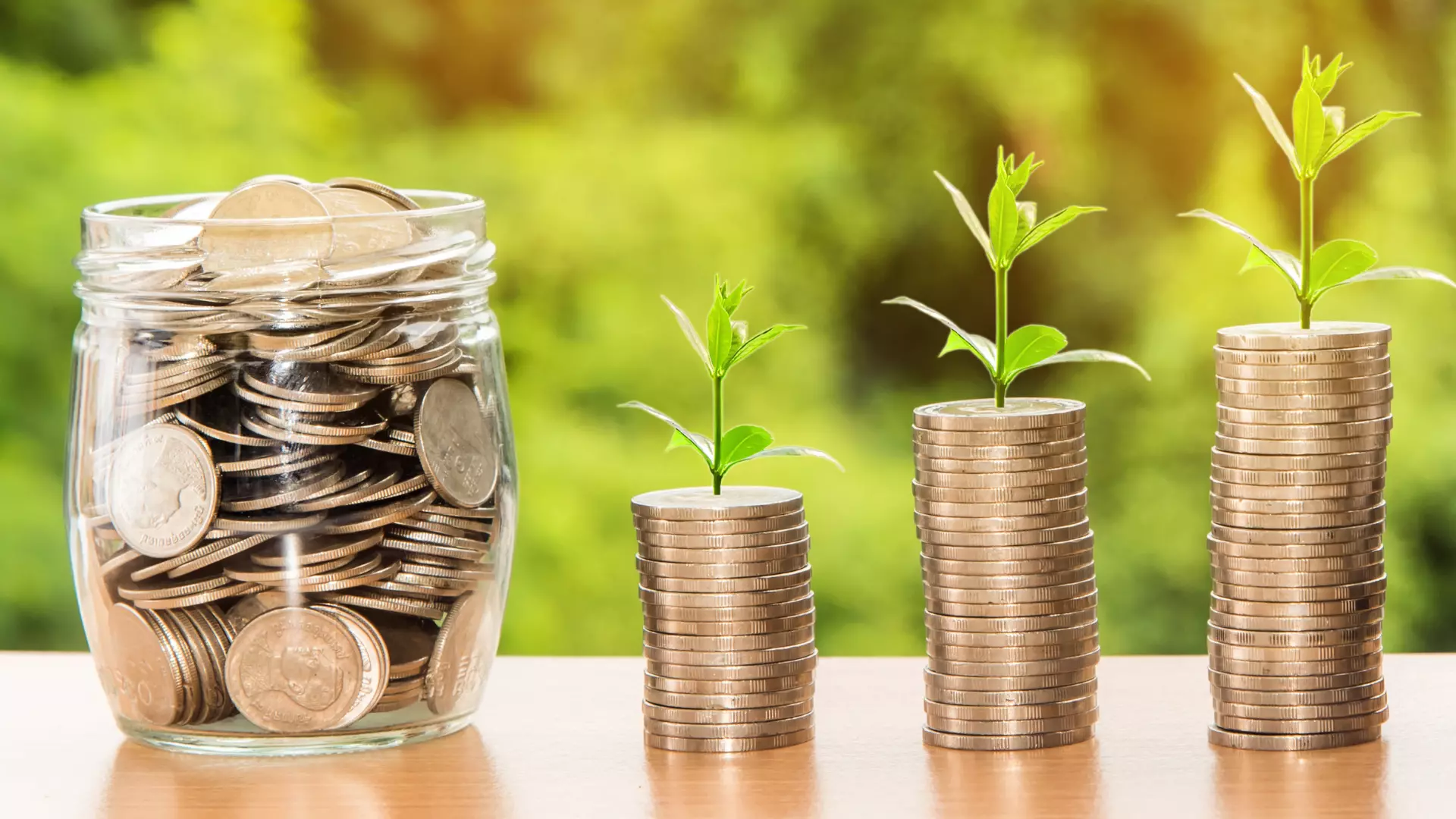
Save automatically before you spend it.
Saving first is a method of transferring a fixed amount to a savings account as soon as you receive your salary. Unlike "saving whatever is left over," you manage your living expenses with the remaining amount, so your savings will definitely increase. If you use your bank's automatic transfer service or a fixed deposit account, the money will be transferred automatically on a set day each month, so it requires no effort. It is effective to start saving 10% of your take-home pay and then increase it to 15% or 20% as you get used to it.
Saving money first helps raise awareness of spending management and provides a foundation for sustainable wealth building.
How to utilize savings accounts and installment plans
Setting up a dedicated savings account allows you to clearly separate your daily living expenses from your savings. Setting up automatic transfers from your salary account to this account makes it harder to withdraw money and helps prevent overspending. Furthermore, utilizing savings programs such as employee savings plans, iDeCo, and NISA allows you to build future assets while receiving tax benefits. Regular savings plans at banks and high-interest time deposits at online banks are also recommended options.
Separating your savings from your everyday account makes it easier to maintain a planned and long-term savings strategy.
Visualize your spending with a household budgeting app and credit card.
Budgeting apps automatically record daily expenses and categorize them, making it easy to get an overview of your spending. Linking them with credit cards and e-money allows for accurate financial management without the hassle of manual input. Furthermore, features like graphs and monthly comparisons make it easy to see at a glance where you can save money. Credit card statements are also useful for analyzing spending patterns and identifying unnecessary expenses.
Visualizing your spending is an effective first step in encouraging the habit of saving money.
Increase your savings efficiency by using point rewards and cashless payments.
By using cashless payment methods and credit cards, you can earn points when shopping or paying utility bills. Even with a 1% reward rate, spending 1 million yen annually will earn you 10,000 yen worth of points. These accumulated points can be used just like cash to purchase daily necessities, exchange for electronic money, or use for investment services. Furthermore, combining points at specific stores or campaigns can further increase your reward rate.
By preventing unnecessary spending and utilizing points, you can effectively increase your savings.
The benefits of increasing income through side jobs or investments (NISA/iDeCo)
Incorporating side hustles and investments can be highly effective in increasing savings for those living alone. By allocating the income earned from side hustles to savings or investments rather than living expenses, you can accelerate the pace of wealth building. Furthermore, by utilizing systems such as NISA (Nippon Individual Savings Account) and iDeCo (Individual Defined Contribution Pension Plan), you can increase your assets over the long term while receiving tax benefits. With NISA, investment gains are tax-free, and with iDeCo, contributions are tax-deductible, allowing you to achieve tax savings and asset management simultaneously.
To create a more comfortable household budget, consider diversifying your income streams to reduce future anxieties.
Search for a room
Only furnished properties with appliances are listed!
Frequently Asked Questions about Saving Money While Living Alone
Many people have questions about saving money while living alone, including average amounts, monthly guidelines, how to save if your income is low, prioritizing savings over investments, and how much money is needed before moving. It can be especially difficult to determine how much you should save to feel secure when you're living alone for the first time or when your income is unstable.
Here, we'll answer five common questions, explaining the concepts with data and practical methods.
What is the average amount of savings for someone living alone?
While average savings for single-person households vary depending on the survey, statistics from the Central Council for Financial Information tend to show a higher average. This is because a small number of high savers inflate the figures, and the actual median is considerably lower than the average.
While savings tend to increase with age, the difference isn't always significant across generations. The important thing is to understand the difference between the average and the median, and to set realistic goals that are appropriate for your income and life stage.
How much should I save each month?
Generally, it is recommended to save 10-20% of your net income. For example, if your net income is 200,000 yen, that would be 20,000-40,000 yen; if it's 250,000 yen, that would be 25,000-50,000 yen. If your income is low, you can start with 5%.
What's important is not the amount, but the habit of continuing it. It's effective to implement a system where you automatically transfer money to a savings account on payday. Also, if you receive a bonus, putting more than half of it into savings can significantly increase your annual savings.
What are some ways to save money even with a low income?
Even with a low income, saving money is possible if you thoroughly review your fixed expenses and manage your spending. Try to keep rent within 25-30% of your take-home pay, and review your communication costs, insurance premiums, and subscription contracts. Also, reducing waste in food and utility costs will significantly increase your savings.
By using a household budgeting app to track your spending and practicing "saving first," where you set aside a certain amount for savings each month, you can steadily save even small amounts. Furthermore, it's also effective to use point rewards and cashless payment methods to save any money you save.
Should I prioritize saving or investing?
Basically, it's recommended to prioritize saving 3 to 6 months' worth of living expenses as an emergency fund, and then consider investing. Savings are a safe fund to prepare for unexpected expenses or a decrease in income, and securing this first will allow you to invest with peace of mind.
When starting to invest, it's easier to mitigate risk by utilizing tax-advantaged schemes such as NISA and iDeCo, and by adopting a long-term, diversified, and regular investment style. Since balance between saving and investing is crucial, decide on your fund allocation according to your goals and timeframe.
How much money do I need to save before moving?
A good guideline for the amount of money you need to save for moving is 5 to 6 months' worth of rent. Including security deposit, key money, brokerage fees, moving expenses, and the purchase of new household items, you will need approximately 300,000 to 400,000 yen if your rent is 60,000 yen. Furthermore, it's a good idea to have a few tens of thousands of yen extra to cover unexpected expenses and living expenses in your new home.
Especially if you're starting to live alone for the first time, it's important to plan and save money not only for initial expenses but also to cover the costs until your life becomes stable.
Summary | Achieve a secure life living alone through efficient saving.
Saving money while living alone requires not only knowing average amounts and guidelines, but also creating a plan tailored to your own income and expenses. By aiming to save 10-20% of your take-home pay first, and combining this with reviewing fixed costs, visualizing your spending, and utilizing point reward programs, you can increase your savings without difficulty. Furthermore, after securing an emergency fund, incorporating investments such as NISA and iDeCo will contribute to building assets for the future. In addition, increasing your income sources through side jobs can also be effective.
Develop a systematic saving habit and aim for a household budget that provides peace of mind for life events and retirement.