University student living alone | What is the average cost of food?
When university students start living alone, one of the first things many are concerned about is "how much will my monthly food expenses be?" This chapter provides a detailed explanation based on actual data, including national averages, differences between urban and rural areas, and cost differences depending on eating habits such as cooking at home or eating out. This is essential basic information to understand when planning your future life and considering saving strategies.
A typical guideline is 20,000 to 30,000 yen per month.
According to surveys conducted by the Ministry of Education, Culture, Sports, Science and Technology and various college admissions information websites, the average monthly food expenditure for university students living alone is estimated to be between 20,000 and 30,000 yen. This figure includes not only breakfast, lunch, and dinner, but also drinks and snacks—the total amount actually spent on food.
For example, a survey by the college preparatory support website "Benesse Manavision" showed that the average monthly expenditure is around 24,000 yen, and many students base their living expenses on this amount.
However, actual food expenses vary depending on the area you live in and your lifestyle.
- Students from rural areas (receive vegetable remittances from family, mainly cook for themselves): 15,000 to 20,000 yen per month
- Students in urban areas (primarily eating out or buying prepared meals, high supermarket prices): Around 30,000 yen per month
In other words, factors such as the rate of home cooking, the rate of eating out, and the price level in one's living area are directly linked to differences in food expenses.
The balance between eating out and cooking at home will affect the cost.
When comparing the cost per meal, the following guidelines can be used as a reference:
- Eating out (set meals/lunch): 500-800 yen per meal
- Convenience store bento boxes and ready-made meals: 400-600 yen per meal
- Home cooking (bulk buying + freezing): Approximately 200-300 yen per meal
For example, if you rely on eating out for all three meals a day, that would amount to 500 yen x 3 meals x 30 days = 45,000 yen per month, which can be comparable to your rent.
On the other hand, if you cook all three meals yourself and manage to buy inexpensive ingredients in bulk, that makes a huge difference: 250 yen per meal x 3 meals x 30 days = 22,500 yen per month.
Thus, "where, what, and how you eat" greatly influences a university student's food expenses.
School cafeteria meals and financial support from family are also important sources of support.
Some universities have cafeterias where you can get a balanced meal for around 300 yen, so you can save a lot of money by taking advantage of this. Many students eat lunch at the cafeteria, and a common pattern is to have a quick breakfast, eat lunch at the cafeteria, and cook dinner at home.
Furthermore, receiving remittances of vegetables, rice, and other goods from one's parents' home is extremely effective in reducing the actual burden of food expenses. Whether or not one receives this kind of support from their family also affects their actual food expenses.
Breakdown of food expenses and how they are actually spent
Once you have an idea of the average amount spent on food, the next thing you'll want to know is, "How much of that money is being spent on what?" In this chapter, we'll take a detailed look at how much university students actually spend on food.
This article will provide a detailed explanation of how food expenses are allocated in daily life, including not only breakfast, lunch, and dinner, but also drinks, snacks, the ratio of eating out to cooking at home, and the use of convenience stores and school cafeterias.
The composition of three meals a day and the spending trends for each.
Many university students follow a lifestyle based on three meals a day: breakfast, lunch, and dinner. However, the cost and style of each meal vary from person to person.
- Breakfast: Many people have a light breakfast consisting of bread, cereal, or instant soup, costing around 100-200 yen per meal. A certain number of people skip breakfast altogether.
- Lunch: Primarily school cafeteria or convenience store meals. Cost is roughly 300-600 yen.
- Dinner: People tend to either cook at home or eat out, and the cost can vary considerably. Eating out starts from 700 yen, while cooking at home starts from 300 yen.
Dinner is the most expensive meal of the day. Many students are tired from classes and part-time jobs and rely on eating out or takeout, and this expense is a major factor driving up monthly food costs.
The proportion of home cooking, eating out, and ready-made meals, and the associated costs.
The ratio of home cooking, eating out, and buying prepared meals (from convenience stores or ready-made foods) significantly impacts the breakdown of food expenses.
- Cooking at home: Costs are generally lower, but it requires cooking time, shopping, and cleaning up. Meals often cost around 200-300 yen.
- Eating out: Convenient but expensive. Even student-friendly restaurants charge 500 yen or more per meal.
- Intermediate type of meal: This involves buying and eating bento boxes or prepared meals. The cost is 400-600 yen per meal. It's convenient when you want to save time, but if you do it frequently, your food expenses can easily increase.
Actual surveys show that many students maintain a balance of "cooking at home 6: eating out 2: ready-made meals 2" or "cooking at home 5: eating out 3: ready-made meals 2," and the higher the proportion of home cooking, the lower the food expenses tend to be.
Cost reduction through the use of the school cafeteria
University cafeterias offer low-priced, nutritionally balanced meals, making them a very cost-effective option for students.
- Set meal menu: around 300-450 yen
- Curry and rice bowls: around 250-350 yen
- A set meal format combining small side dishes and soup is also available.
Actively using the school cafeteria can significantly reduce the cost of lunch. Furthermore, consuming warm rice and vegetables can help supplement nutrients that are often lacking when eating out or buying convenience store food.
Be careful with drinks, snacks, and snacks you eat while out and about.
It's easy to overlook, but the cost of drinks and snacks is also included in your monthly food budget.
- Bottled drinks at convenience stores: 150-200 yen
- Cafes and drink stands: around 400 yen per drink
- Snacks and ice cream: 100-300 yen
If you buy drinks casually every day, even if it's only around 500 yen a day, it can add up to over 10,000 yen a month. This is especially true for students who are often out and about, as these expenses tend to accumulate, so taking measures such as using a reusable water bottle is an effective way to save money.
Search for a room
Only furnished properties with appliances are listed!
The "food expense problem" faced by college students living alone
Food expenses are a daily expenditure that directly impacts our lives, and while we often want to cut back on them, actually trying to save money can lead to various problems. This chapter addresses common food-related issues faced by college students living alone and explains the underlying reasons. By understanding the gap between ideals and reality, such as cases where excessive saving leads to health problems or the reality that cooking for oneself is more difficult than imagined, we can lay the foundation for future improvements.
Nutritional balance tends to be disrupted
A common tendency among college students living alone is to prioritize saving money, often resulting in a diet centered around carbohydrates. However, relying too heavily on inexpensive and easy meals like pasta, rice bowls, and instant noodles can lead to deficiencies in vitamins, minerals, and protein, potentially causing health problems and decreased concentration.
Furthermore, many students find vegetables expensive and difficult to buy, which makes it easy for them to end up in a situation where "cutting back on food expenses equals cutting back on nutrition," and this is another issue.
Ingredients go to waste because they are not used up.
Some people struggle to use up all the ingredients they buy cheaply at the supermarket, resulting in waste. For example, consider the following cases:
- I end up letting a whole bag of vegetables spoil before I can use it all.
- Leaving a large quantity of meat out without freezing it can cause it to spoil.
- Missing the opportunity to use food that is nearing its expiration date.
These kinds of mistakes can end up increasing costs instead of saving money, and can also lead to decreased motivation. This is a problem that is especially common among beginner cooks.
Over-reliance on convenience stores and eating out
When you have busy days filled with classes, part-time jobs, and assignments, you tend to fall into the habit of relying on convenience stores and eating out. Especially for dinner, you're often too tired to cook and end up relying on easy options, which leads to the following disadvantages:
- Food expenses are high (500-800 yen per meal).
- Nutrition is unbalanced (mainly fried foods, few vegetables)
- The flavor tends to be too strong, which can have negative health effects.
This is a problem that cannot be ignored: increased costs and health risks come at the expense of convenience.
I don't have time to shop or cook.
Even though we know that cooking at home is the most economical option, in reality, the time and effort involved are often major obstacles.
- I don't have time to go to the supermarket.
- I want to cook for myself, but I'm too tired.
- Cooking utensils and refrigerator space are limited.
Especially in one-room apartments where people live alone, kitchens are often small and cooking with fire is difficult, so the constraints of lifestyle and available equipment can actually affect food budget management.
Things you can do to save money | Food cost reduction tips you can start today
To solve the problem of food expenses, it's important to learn and implement reproducible saving techniques. This chapter introduces specific ways to save on food expenses that even college students can easily implement. Focusing on methods to "reduce food costs without putting in too much effort," we've compiled easy-to-incorporate techniques into your daily life, such as clever shopping strategies, cooking tips, and the use of household budgeting.
Prevent waste by doing your grocery shopping once a week in bulk.
Saving money on groceries starts with reviewing your shopping frequency and habits. If you stop by the supermarket every day, you tend to buy unnecessary items, resulting in increased spending. The following shopping methods are more effective:
- I buy in bulk once a week.
- Create a shopping list in advance.
- Take advantage of sale days and discount times.
- Prioritize ingredients that can be frozen.
Also, you can often find the same food items at significantly lower prices by using places like wholesale supermarkets or the food sections of drugstores.
Time-saving techniques to lower the barrier to home cooking
Even if it's difficult to cook all your meals at home, you can definitely reduce your food expenses by just cooking dinner three times a week. Here are some ways to lower the barrier to cooking at home:
- Cook extra rice and freeze it for later use.
- Pre-seasoning and freezing saves time in cooking.
- Make use of one-plate meals (fried rice, rice bowls)
- Actively utilize microwave cooking.
There are now more and more recipes that don't require a knife or cutting board, making it easier for even beginner cooks to try their hand at cooking.
Visualize your household budget using a budgeting app.
When it comes to saving money, "knowing where your money is going" is extremely important. Simply keeping receipts is not enough; recording your daily expenses will help you notice unnecessary spending.
Here are some budgeting apps that are easy for college students to use:
- Zaim: Allows you to categorize expenses for free. Bank integration is also available.
- Money Forward ME: The automatic data acquisition function is convenient. Monthly food expenses are visualized in a graph.
Making food expenses "visible" helps prevent overspending based on intuition and clarifies areas for improvement.
Control it without strain by following the "X yen per day" rule.
To be mindful of your daily food expenses, it's effective to set a clear daily budget. Here's an example.
- Monthly food budget limit: 24,000 yen
- Daily budget: 800 yen (calculated for 30 days)
Calculating in this way makes it easier to balance your spending, such as saving money by cooking at home the day after eating out. Managing your spending on a weekly basis is also recommended. If your weekly budget is 6,000 yen, you can put 6,000 yen in cash in your wallet at the beginning of the month and consciously try not to spend it all.
Setting specific amounts like this naturally increases awareness of saving money and makes it easier to control food expenses.
Search for a room
Only furnished properties with appliances are listed!
Save money while getting nutritious meals! Easy recipes for single people
Balancing saving money and nutrition is a crucial challenge for college students living alone. This chapter introduces easy recipes that are suitable for beginner cooks, keeping costs down while maintaining nutritional balance. With short cooking times and minimal ingredients, these menus are easy to incorporate into a busy student life. We also utilize techniques such as freezing and microwave cooking to make them easier to maintain.
Breakfast: Toast + fried egg + vegetable soup (10 minutes)
This is a convenient and nutritionally balanced staple set, perfect for college students who tend to skip breakfast.
- One slice of bread (approximately 20 yen)
- One egg (approximately 30 yen)
- Instant soup made with frozen vegetables and consommé (approximately 50 yen per serving)
- Total cost: approximately 100 yen / Cooking time: approximately 10 minutes
Making vegetable soup in the microwave means you don't have to use the stovetop.
Lunch: Rice ball and instant miso soup (bring it to save money)
Even when you're out and about, you can keep your lunch under 200 yen if you bring your own rice balls.
- Rice (1 bowl = approximately 40 yen)
- Ingredients (such as salmon flakes and tuna mayonnaise, which are staples)
- Commercially available miso soup packets (approximately 50 yen)
- Total cost: approximately 150-180 yen / Cooking time: approximately 15 minutes
If you bring a thermos bottle filled with hot water, you can enjoy miso soup anytime, anywhere.
Dinner: Pork rice bowl + shredded cabbage (satisfying one-plate meal)
Even a hearty dinner can be made with inexpensive meat and vegetables for a filling and nutritious meal.
- Pork slices (80g = approximately 100 yen)
- Half an onion (approximately 20 yen)
- Rice (approximately 50 yen)
- Shredded cabbage (1 bag for 100 yen, enough for 3 servings: approximately 30 yen)
- Total cost: approximately 200 yen / Cooking time: approximately 15 minutes
Simply stir-fry the meat and onions in a frying pan and serve over rice. A simple sauce of soy sauce, sugar, and sake is all you need.
Weekend meals: Make-ahead side dishes (can be frozen)
Make use of side dishes that you can prepare in advance on the weekend when you have more time.
- Simmered hijiki seaweed, kinpira gobo (braised burdock root), nikujaga (meat and potato stew), etc.
- Store in an airtight container in the refrigerator for 3 days, or in the freezer for about 1 week.
Prepared dishes can be used little by little as side dishes, making them an effective way to address a lack of vegetables in your diet.
Easy dessert to make: Banana yogurt (1 minute)
It can be used as an inexpensive and healthy snack instead of sweets or juice.
- One banana (approximately 30 yen)
- Unsweetened yogurt (100g = approximately 40 yen)
- Total cost: approximately 70 yen / Cooking time: approximately 1 minute
If you want it sweeter, you can add a small amount of honey or sugar.
Is your allowance not enough? Examples of using part-time jobs and scholarships.
For university students, financial support from their parents is often insufficient to cover their food expenses, making part-time jobs and scholarships a more practical solution. This chapter will explain, with concrete examples, how to design a balance between food expenses and income.

The reality and use of remittances
The amount of money sent by many parents is typically around 50,000 to 60,000 yen per month, which includes rent, utilities, and communication costs. Food expenses are often allocated to around 20,000 to 30,000 yen per month, and living expenses can be managed within this budget.
However, depending on the amount of financial support received, expenses other than food may exceed the budget, in which case part-time jobs or scholarships become essential.
Tips for balancing part-time work and saving on food expenses
Even when supplementing your income with a part-time job, you can manage both without difficulty by focusing on key points while working.
- Light shifts of about 10-15 hours per week: Easy to balance with studies and doesn't significantly disrupt your daily routine.
- Utilizing employee discounts in the food and beverage or retail sectors: This can help reduce expenses on takeout and dining out.
- Jobs that provide transportation expenses and meals: This effectively reduces food costs.
Using these methods can help supplement food expenses, which are often insufficient with only remittances, while also helping to reduce overall living expenses.
Stable budget management through the combined use of scholarships.
Using scholarships (whether grants or loans) allows you to secure a stable monthly living expense in conjunction with remittances from your family. While "loan-type scholarships that require repayment" need to be used strategically with your future in mind, they provide a sense of security regarding living expenses.
Let's also factor in the relationship between food expenses and studying/physical fitness.
In the short term, you might think, "I'll cut costs by cooking less at home," but this can lead to poor health, decreased concentration, and ultimately affect your studies. If you skimp too much on food expenses, skipping breakfast or relying on snacks and instant noodles, you may end up incurring health problems, resulting in medical expenses and falling behind in classes, which can actually end up costing you more in the long run.
Therefore, it is important to have a perspective that balances "saving money" and "maintaining health." Eating a balanced diet of vegetables and protein through home cooking also contributes to maintaining academic performance.
Search for a room
Only furnished properties with appliances are listed!
[Checklist] 7 things to be mindful of when eating alone
This checklist outlines key points to keep in mind regarding food expenses and eating habits for university students living alone. Use it to help you maintain a balanced lifestyle that prioritizes health and sustainability, rather than solely focusing on saving money.
1. Making food expenses "visible"
Record your expenses using receipts or apps, and regularly review things like "how much you spent this month," "your daily average," and "how often you eat out."
2. Be mindful of nutritional balance.
Incorporate vegetables, protein, and carbohydrates into each meal. Utilize time-saving and nutritious ingredients such as frozen vegetables, canned goods, and legumes.
3. Be mindful of spending on drinks and snacks.
Small expenses like bottled drinks, snacks, and coffee can add up, so try to save money by bringing your own items.
4. Avoid overspending on convenience stores and eating out.
Even on busy days, I make sure to cook for myself or use the school cafeteria at least two to three times a week to keep food costs down while also being mindful of my health.
5. Create a system to ensure everything is used up.
I buy ingredients in bulk and prevent waste by cooking, freezing, and reusing them. I also pay attention to expiration dates.
6. Make the rules sustainable and easy to maintain.
Set specific rules such as "spend X yen per day" or "cook at home X times a week," and practice them within reasonable limits.
7. Reflect on the end of the month and make plans for the following month.
At the end of the month, I review my performance and consider what I fell short of or what adjustments I need to make for the next month. I also enjoy the pleasure of praising myself if I achieve my goals.
Review your fixed expenses and create a cost-effective lifestyle that includes rent.
Along with reviewing your food expenses, you should also pay attention to fixed costs such as rent. When living alone in the city center, rent can sometimes account for the majority of your living expenses. Even if you manage to keep your food expenses down, if your rent is too high, your life will not be stable.
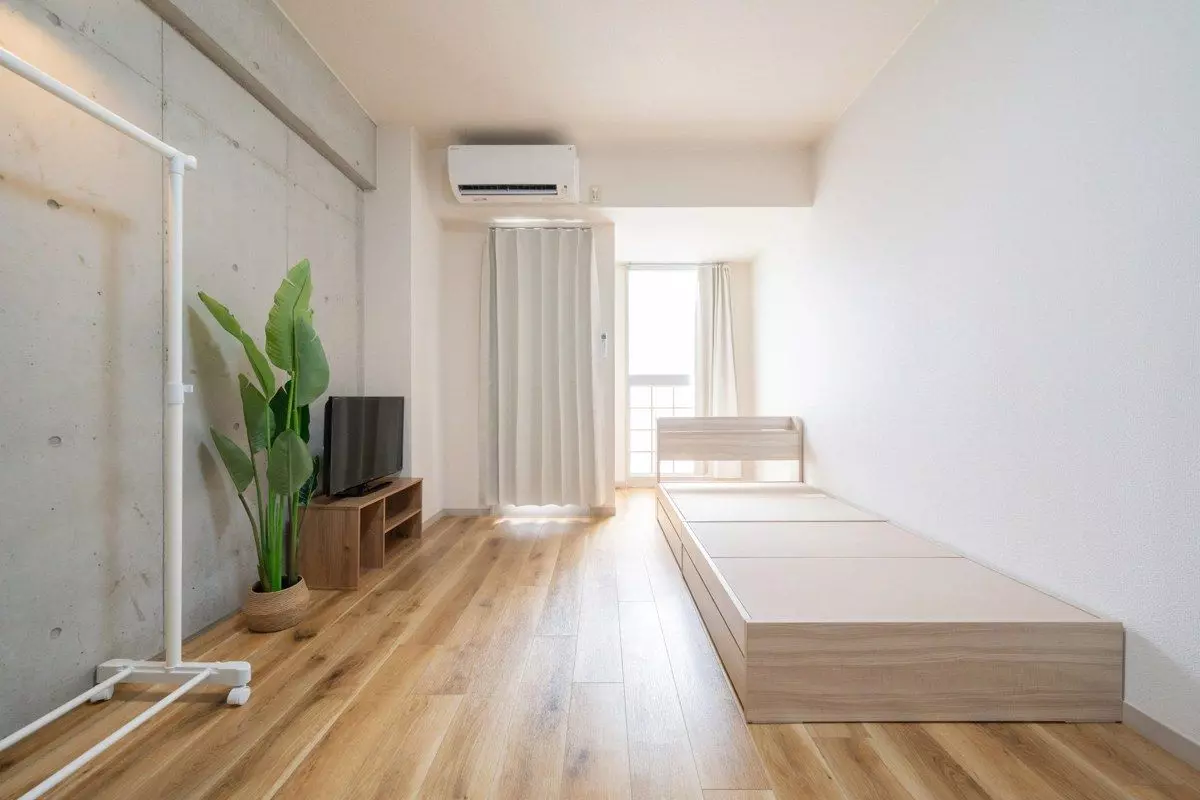
Cross House offers furnished homes with appliances and utilities included, and no security deposit or key money required.
Cross House offers a wide selection of cost-effective share houses and monthly apartments that help keep initial costs down. Why not consider them as an option to support you financially and mentally as you start living alone?
Click here for Cross House property listings.
In addition to cooking at home and saving money, reviewing your living situation can help you manage your overall expenses without difficulty.
First, check out the properties in the area you're interested in on Cross House's official website.
Summary | The basic principle is "Food expenses = saving money while protecting your health."
For university students living alone, food expenses are not just an expenditure, but a crucial factor directly impacting quality of life, health, and academic performance. On average, 20,000 to 30,000 yen per month is a rough guideline, but this can vary greatly depending on how much they cook at home, whether they eat at the school cafeteria, and whether they receive financial support from their parents.
As introduced in this article, by incorporating methods such as smart shopping, time-saving cooking techniques, using budgeting apps, and managing expenses on a daily basis, it is possible to achieve both "saving money" and "nutritional balance." Furthermore, by combining these with part-time jobs or scholarships, it is possible to create a more stable lifestyle than receiving an allowance from your parents. "Saving techniques that you can easily stick to" and "rules for eating that you can establish as a rhythm" will form the foundation of a healthy and fulfilling university life. We hope you will make use of the information in this article during your university life.