What is a furnished apartment? Let's start by understanding how it works.
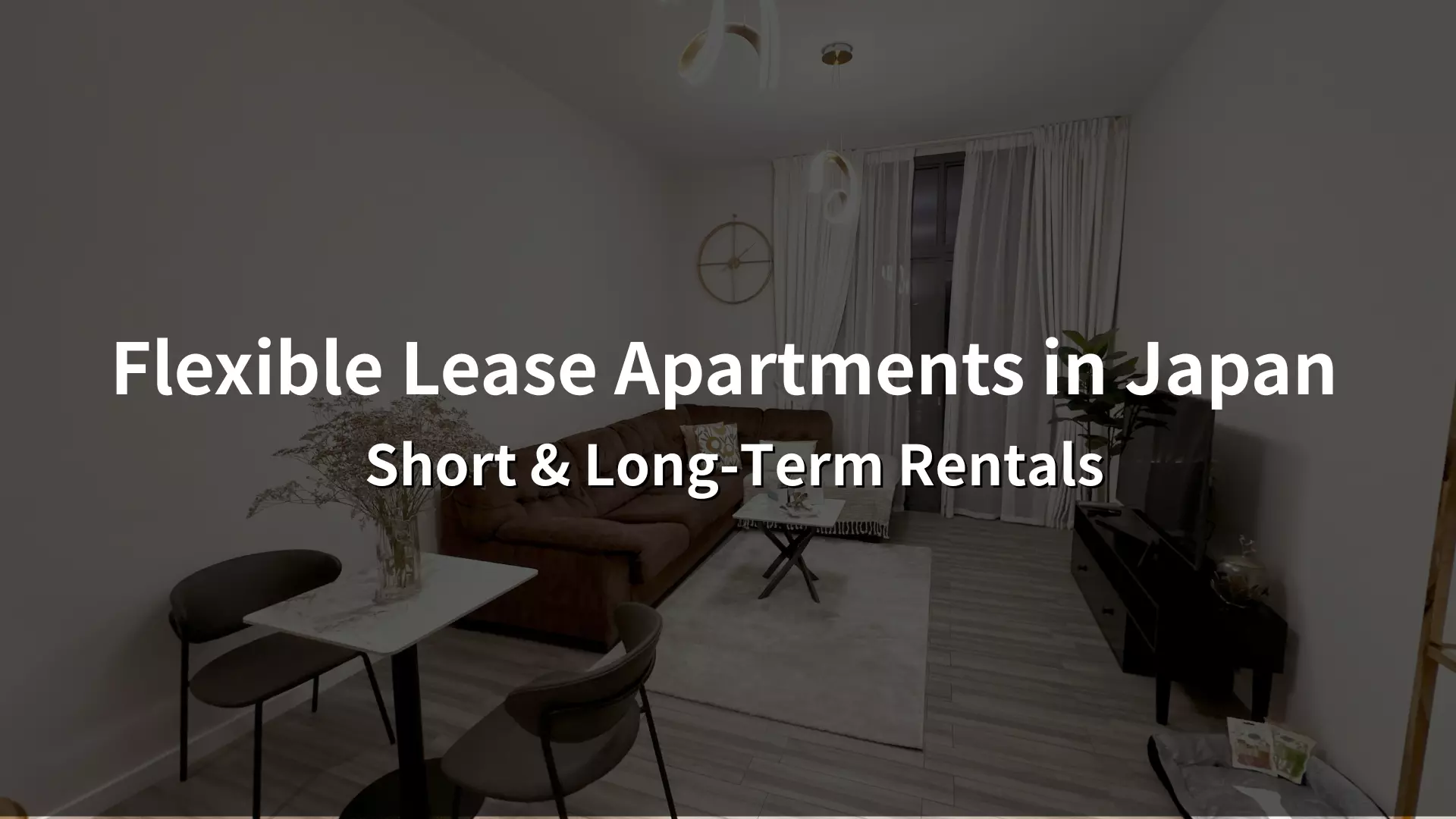
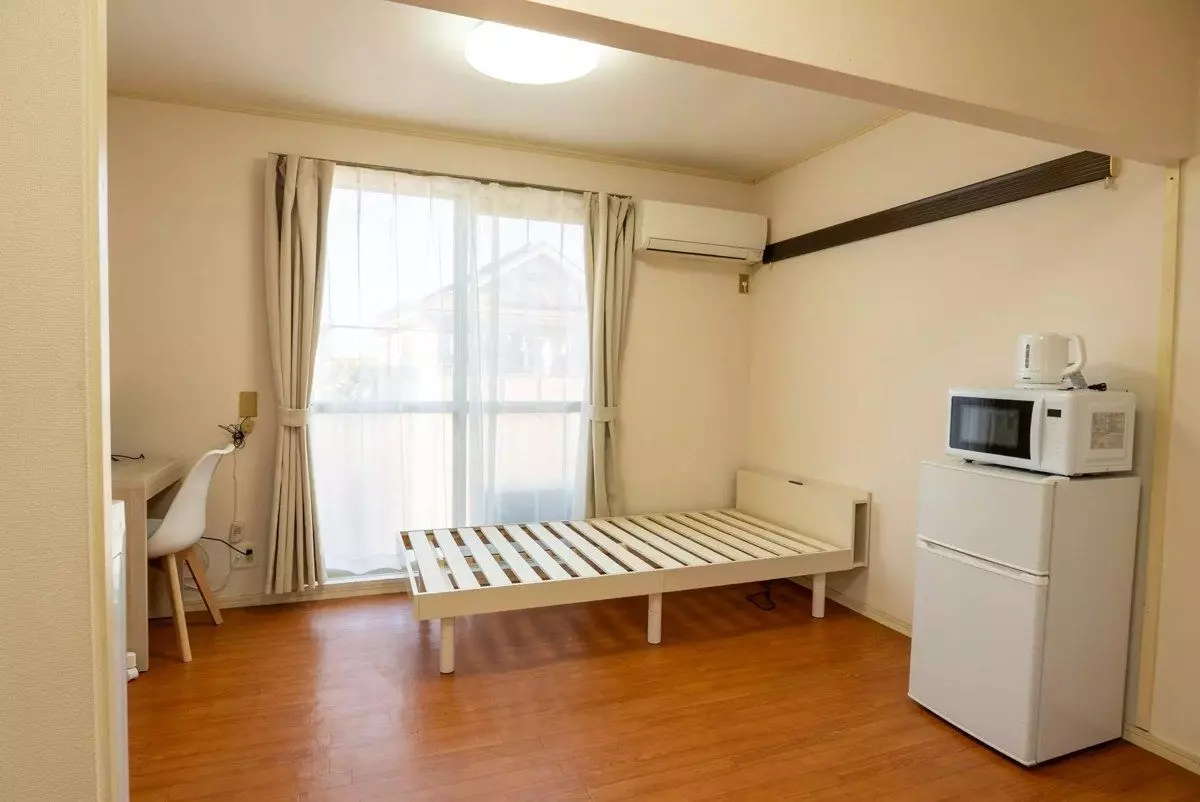
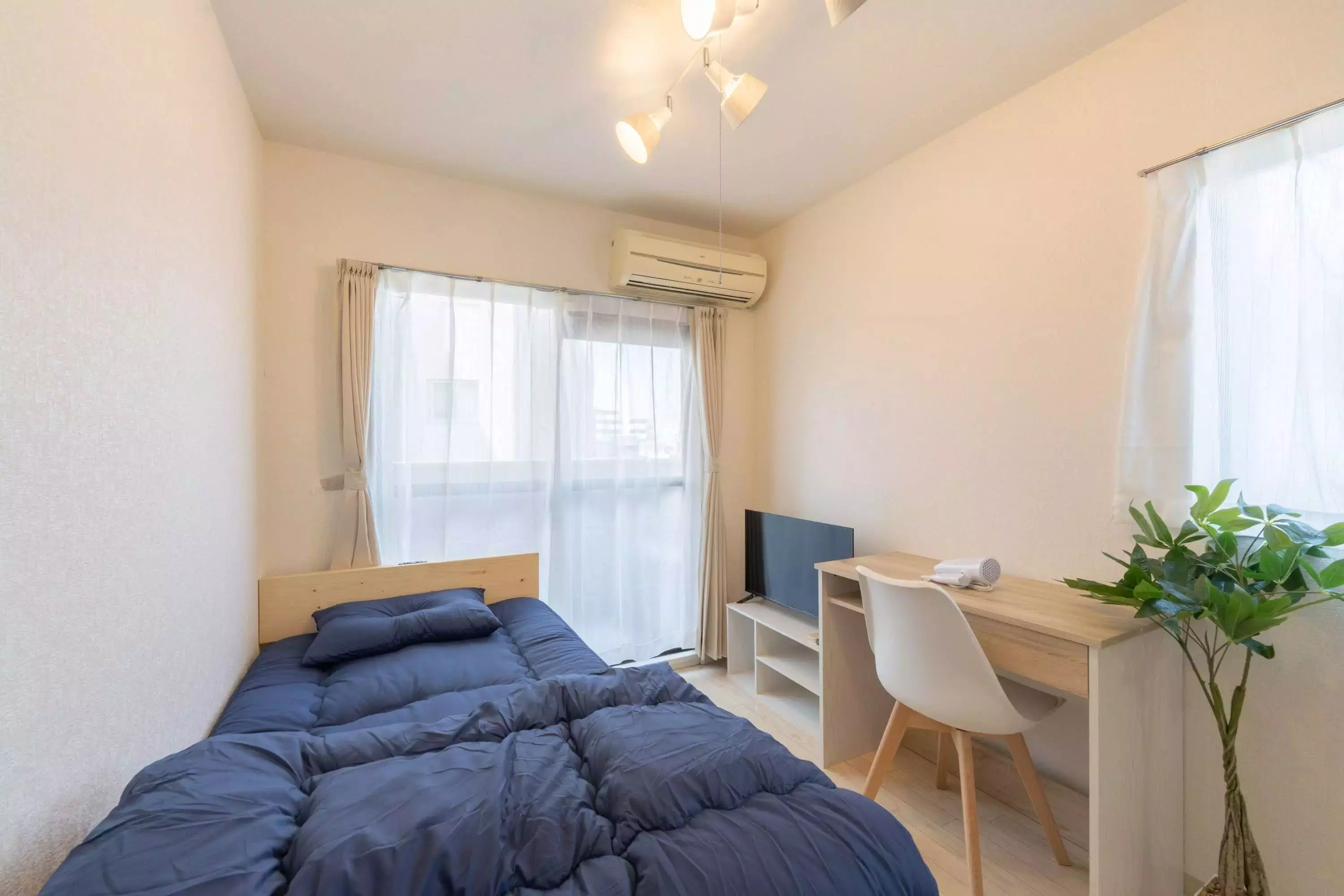
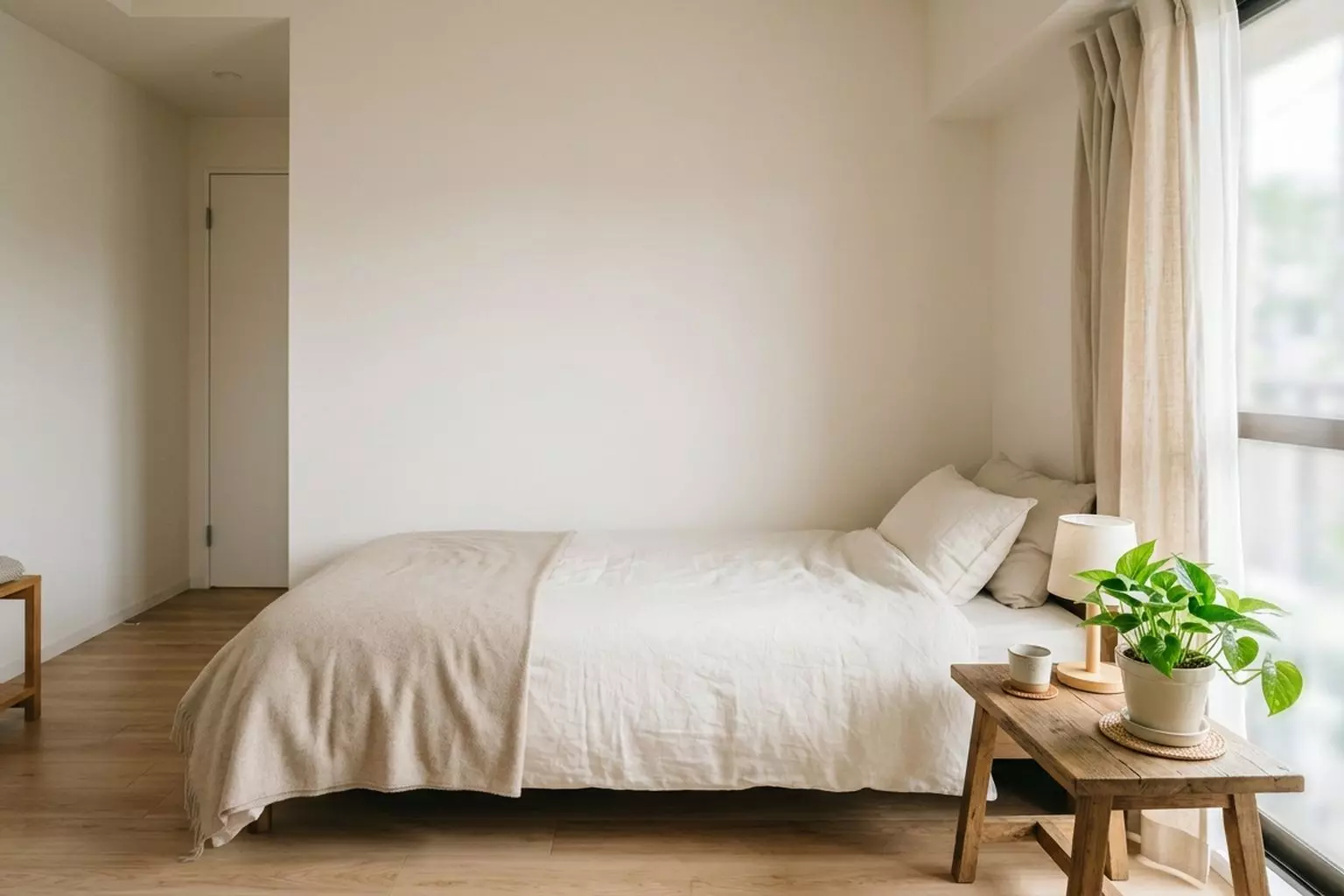
A furnished rental property is a rental property that comes pre-furnished with furniture and appliances such as a bed, refrigerator, washing machine, Microwave, air conditioner, and desk. It is also called a "furnished rental." The biggest advantage is that you can start living there from the day you move in without having to buy your own furniture and appliances.
The types of furniture and appliances provided vary from property to property. Some properties come fully furnished with a bed, refrigerator, washing machine, and air conditioner, while others only include the bare minimum, such as an air conditioner and curtains. The key to avoiding disappointment is to always check "what is included and what is not" before signing the contract.
The main demographics that choose furnished apartments
- Students and new graduates who want to keep registration fee down when living alone for the first time.
- People who live in a place for a short to medium period due to job transfers, temporary assignments, training, etc.
- People who have moved from overseas or from other regions and are unable to transport their furniture and appliances.
- People who temporarily relocate their base of operations due to job hunting or other reasons.
To get an overall picture of the costs involved when starting to live alone, it's helpful to also check out articles that explain the estimated registration fee of living alone and how to keep them down . This will help you determine if a furnished apartment is right for you.
Advantages of renting a furnished apartment
The advantages of renting a furnished apartment can be broadly summarized into two main points: "money" and "convenience." Let's look at them in turn.
registration fee can be significantly reduced.
If you're starting to live alone in a regular rental apartment, you'll need to buy a bed, refrigerator, washing machine, Microwave, curtains, etc., and the total cost for a typical new life setup will be around 100,000 yen (this varies depending on the items, grade, and whether they are new or used). With a furnished rental apartment, these items are already provided, eliminating the need to purchase them. This significantly reduces the burden of starting a new life, which typically involves paying a security deposit, key money, moving expenses, and the cost of furniture and appliances.
The amount of belongings and hassle involved in moving will be reduced.
Since you don't have to transport large furniture and appliances, it's not uncommon for your belongings to fit into just a few cardboard boxes. More and more people are able to move their belongings themselves without using a moving company, saving on both transportation costs and the burden of work on the day of the move. This lighter load is especially beneficial for those moving from overseas or from far away.
You can start living there from the first day you move in.
With a regular rental, you often experience inconvenience for several days while waiting for your furniture and appliances to arrive. With a furnished rental, however, you can return to your normal life as soon as you've unpacked. This quick start is a significant advantage for those moving just before work or school starts.
The move-out process is simple and there are no disposal costs.
The difference also becomes apparent when you move out. In a regular rental, you have to go through the trouble and expense of selling, giving away, or throwing away unwanted furniture and appliances. With a furnished rental, you only need to leave the existing furnishings behind, which significantly reduces the burden when you move out. This is a point that people who have already decided to move again should not overlook.
Summary of Benefits
- You won't need to purchase furniture and appliances (a rough estimate is around 100,000 yen for a complete set).
- Moving costs and hassle are reduced.
- You can start living there from the first day you move in.
- No disposal fees or hassle when moving out.
Search for a room
Only furnished properties with appliances are listed!
Disadvantages and solutions for furnished apartments.
While convenient, there are some points to be aware of beforehand. Many of the disadvantages can be mitigated, so let's take a look at those as well.
Rent tends to be a bit on the higher side.
Because the cost of furniture and appliances is included in the rent, the rent tends to be set slightly higher compared to regular rentals of the same size and location. However, this can also be rephrased as "paying for furniture and appliances in monthly installments." As shown in the cost comparison below, it is often cheaper overall for short to medium term stays. The longer you live there, the greater the difference compared to regular rentals becomes, so deciding based on the length of stay is key.
It is difficult to replace the built-in furniture and appliances.
As a general rule, you will use the furniture and appliances that are already in the room. If you have a refrigerator or bed that you particularly like, it may take up space because it is duplicated with the provided items. As a countermeasure, check what is provided before signing the contract and make sure that it does not overlap with your own belongings.
The degree of freedom in layout decreases.
Some properties have fixed placements for beds and desks, which can be disappointing for those who enjoy rearranging furniture. If you're particular about interior design, checking the floor plan and furniture arrangement before moving in can prevent disappointment after you move in.
The condition of the facilities varies from property to property.
Some properties include furniture and appliances that were used by the previous tenant. Since the condition and age of these items vary from property to property, it's best to check the actual equipment during a viewing or online House viewing and ask the management company any questions you have before signing the contract.
The disadvantages can be almost entirely prevented with prior checks.
- Rent is a bit on the high side → Judge whether it's worthwhile based on the length of stay.
- Difficult to replace → Check the contents of the fixtures beforehand.
- Fixed layout → Check the floor plan and layout during the viewing.
- Differences in the condition of the facilities → Check through online House viewing and by asking questions to the management company.
Who is a furnished apartment suitable for, and who is not?
Considering the pros and cons mentioned so far, it's clear that some people are suited to this and others aren't. Try to figure out which category you fall into.
Suitable people
- People who want to start a new life with the lowest possible registration fee.
- People planning to live there for a short to medium term, such as a few months to two years.
- People who live in temporary residences due to job transfers, assignments away from home, studying abroad, training, etc.
- People who have moved from overseas or from other regions and are unable to transport their furniture and appliances.
- People who move frequently and want to travel light.
People who are not suited
- People who plan to live in the same room for a long period of time, such as 3 years or more.
- People who want to furnish their home with furniture and appliances according to their own preferences.
- People who are very particular about interior design and redecorating.
- People who already own a complete set of furniture and appliances and don't want to part with them.
To put it simply, it's suitable for people who plan to live there for a short period and prioritize convenience, but not so much for people who want to live there for a long time and create a room to their liking. If you want to be particular about furniture and appliances for a long period, it may be more economical in the long run to buy your own furniture in a regular rental property.
Search for a room
Only furnished properties with appliances are listed!
Furnished apartments vs. standard apartments: Comparing total costs
To determine which option is ultimately Affordable, it's best to look at the costs at three stages: move-in, monthly, and move-out, rather than just the rent. For furnished apartments, it's helpful to consider that the rent includes the cost of furniture and appliances (approximately 100,000 yen for a complete set), which you would normally have to buy yourself, spread out over the months. We've broken down the costs at these three stages using apartments in the same rent range as an example. The amounts are general estimates and will vary depending on the property and contract details.
① Costs incurred upon moving in
| item | Furnished apartment | Regular rental |
|---|---|---|
| Security deposit and key money | 0 to 1 month's rent (depending on the property) | It's common to pay 2 to 4 months' rent as a deposit. |
| Brokerage fee | 0 to 1 month's rent (depending on the property) | A typical deposit is 0.5 to 1 month's rent. |
| Cost of purchasing furniture and home appliances *This is a guideline for purchasing a complete set of items for a new life. Prices may vary depending on the item, grade, and whether it is new or used. | 0 yen (provided) | Around 100,000 yen |
| Guarantee company's initial guarantee fee | Many properties require membership in a guarantee company for individual contracts, and an initial guarantee fee is charged separately (the amount varies depending on the guarantee company). | |
② Monthly expenses
| item | Furnished apartment | Regular rental |
|---|---|---|
| rent | Slightly expensive (furnishing and appliance costs are included in the monthly fee) | standard |
| common service fee and management fees | This fee varies depending on the property (the amount differs for each property). | |
| Water and electricity bills | Generally, the tenant is responsible for the costs (although some properties include these costs). | |
③ Costs incurred upon moving out
| item | Furnished apartment | Regular rental |
|---|---|---|
| Disposal costs for furniture and home appliances | 0 yen (just leave it) | Disposal and recycling fees will be incurred. |
| Costs associated with cancellation and moving out *Includes cleaning fees, restoration fees, and cancellation fee (moving out fee). | Availability and cost vary depending on the property and contract details. Be sure to check before signing the contract. | |
While regular rentals may seem cheaper when only considering the rent, when you factor in the cost of furniture and appliances upon moving in, moving expenses, and disposal fees upon moving out, furnished rentals are often cheaper overall for short to medium-term stays. Conversely, if you plan to live there for three years or more, the difference in rent accumulates, making regular rentals more advantageous. The deciding factor is "how long you plan to live there." Also, since guarantee fees and move-out fees vary depending on the property and contract, comparing the "total amount at move-in, monthly, and move-out" is key to avoiding unexpected expenses later on.
If you're looking for short-term or medium-term accommodation, our article summarizing key points for finding furnished monthly apartments in Tokyo can also be helpful in comparing your options.
Furnished apartments in XROSS HOUSE
Up until now, we've been talking about typical furnished apartments, but XROSS HOUSE also operates furnished apartments. These are completely private studio and 1K rooms, with your own kitchen and bathroom. They offer the privacy of living alone while also providing the convenience of furnished accommodations.
Features of XROSS HOUSE furnished apartments
- Furnished with furniture and appliances : bed, air conditioner, refrigerator, Microwave, desk, etc. (may vary depending on the property, but are generally provided). You can move in with just one bag.
- The registration fee is ¥30,000 during the promotion campaign (normally ¥50,000). There is no With Zero deposit / key money / brokerage fee. (* promotion campaign details, conditions, and duration are subject to change. Please inquire for the latest registration fee.)
- Rent starts from around 50,000 yen (varies depending on area and floor plan). There are no common service fee or management fees, but there is a monthly safety support fee of 1,500 yen (tax included).
- Move-in is possible from as short as one month . We can accommodate short-term to medium-term housing needs.
- Moving between properties is Free . If you try living in a property and it doesn't suit you, there are no registration fee for moving to another property.
- Online contracts are available . Online House viewing are also possible, and contracts can be made from overseas.
While residents are generally responsible for contracting for electricity, gas, and water themselves, we also offer a Free utility contract assistance service and a utility-inclusive plan for ¥15,000 per month that bundles electricity, gas, and water. This system is easy to use for those who are unsure about the procedures or those coming from overseas.
The breakdown of registration fee and how to handle additional fees incurred at the time of contract are explained in detail in our article on the registration fee of furnished apartments . If you are considering choosing a place to live in Tokyo, please also check out our article summarizing how to choose a furnished rental apartment when starting your life in Tokyo .
The disadvantage of "difficulty in moving" can be resolved by Free transfers between properties.
The main drawbacks of furnished apartments are that it's difficult to change the built-in appliances and the layout tends to be fixed, making it uncertain whether it will suit you until you actually live there. XROSS HOUSE addresses this concern with a system that Free transfers between properties.
What you can do when moving between XROSS HOUSE properties
- You can move with reduced costs : There are no registration fee for your new place of residence, nor are there cancellation fee (moving out fee) for your previous property (and since it comes furnished with appliances, you don't need to transport large furniture).
- Inter-prefectural travel is also OK : Travel across different areas, such as from Tokyo to Osaka, is also covered by the Free travel plan.
- Room type changes are OK : You can move from a furnished apartment to a shared house or shared apartment (SA-XROSS series) with a Living room room. You can choose your accommodation to suit your changing lifestyle.
*Please note that relocation is subject to availability and other conditions. Also, for individual contracts, a re-screening by the guarantee company at the new location may be required, and the initial guarantee fee may be charged again. Please contact us for detailed conditions.
The flexibility of furnished rentals, where you don't own the fixtures and appliances as fixed assets, allows you to not only meet the need to "live in a property you like for a long time," but also to "try living there first, and move if it doesn't suit you."
Costs to check before applying (honest points to be aware of)
The "registration fee of 30,000 yen" refers to the fee paid to XROSS HOUSE upon moving in. In addition to this, the following fees may be incurred or vary depending on the contract details and the property. It's recommended to compare the total cost until you actually start living there.
- Guarantee company fees : Membership is mandatory for individual contracts, and an initial guarantee fee and monthly guarantee fees will be charged separately (the amount varies depending on the guarantee company, which will be announced at the time of contract).
- Water, electricity, and gas contracts : For furnished apartments, you are generally responsible for arranging these services yourself (you can choose between a Free contract assistance service or a monthly utility-inclusive plan for ¥15,000).
- A safety support fee of 1,500 yen (tax included) per month will be charged separately from the rent.
- Costs upon moving out : Depending on the contract, there may be fees such as cancellation fee (moving out fee). Please be sure to check the details before signing the contract.
The handling of common rental expenses such as fire insurance and key replacement fees varies depending on the property and contract. Please feel free to contact us with any questions before applying.
Reasons why XROSS HOUSE is chosen
- Over 50,000 users to date : We have provided housing to over 50,000 residents to date.
- Operating in 11 prefectures and expanding properties every month : We operate in 11 prefectures, mainly in Tokyo, but also including Osaka, Nagoya, Kanagawa, and Fukuoka, and our number of properties is increasing every month.
- Multilingual resident support : We provide customer support in Japanese, English, Chinese, and Korean.
- Complete the contract online : Online House viewing and contract signing from overseas are possible, allowing you to decide on your accommodation before arriving in Japan.
XROSS HOUSE operates furnished apartments in 11 prefectures, primarily in Tokyo, but also in Osaka, Nagoya, Kanagawa, Fukuoka, and other areas. The number of properties is increasing every month. It's a suitable option for those who prefer living alone rather than in a shared house, but want to keep registration fee and rent down.
Search for a room
Only furnished properties with appliances are listed!
Trends in furnished apartments in 2026
In 2026, electricity and gas prices are expected to remain high, and interest in homes that can reduce utility costs continues. Properties equipped with energy-efficient air conditioners and refrigerators can be advantageous in terms of monthly utility costs. Since the energy efficiency of built-in appliances varies from property to property, checking this during a viewing or online House viewing will make it easier to predict utility costs after moving in (actual utility costs will vary depending on usage and season).
Frequently Asked Questions about Furnished Rental Apartments
What are the disadvantages of renting a furnished apartment?
The main disadvantages are that the rent tends to be slightly higher than a regular rental of the same size, it's difficult to freely change the built-in furniture and appliances, and the freedom to arrange the layout is reduced. However, all of these can be largely avoided by checking the contents of the furnishings and the floor plan before signing the contract.
Is the rent higher than a typical rental property?
Because the cost of furniture and appliances is included, the rent alone tends to be slightly higher than that of a regular rental. However, since you don't have to pay for furniture and appliances (around 100,000 yen for a complete set) or disposal fees when you move out, the total cost is often cheaper if you're staying for a short to medium term.
How much does it actually cost to rent a furnished apartment?
It's recommended to look at costs in three stages: at the time of move-in (savings on registration fee and furniture/appliances), monthly (rent, common service fee, utilities), and at the time of move-out (disposal fees, cancellation fees). Furnished apartments have lighter costs at the time of move-in and move-out, but the rent tends to be slightly higher. In addition, many properties require a separate guarantee fee from the guarantee company for individual contracts, and move-out costs vary depending on the property and contract. Comparing the total cost from moving in to moving out, not just the "registration fee," makes it easier to avoid unexpected expenses.
Who is this suitable for?
This type of accommodation is suitable for people who want to keep registration fee down, those who will be living there for a short to medium term (up to about 2 years), those who will be living there temporarily due to job transfers, studying abroad, or training, and those who cannot transport furniture and appliances from overseas or other regions. Conversely, for people who plan to live there for 3 years or more, or those who are particular about interior design, a regular rental property is often a better fit.
What happens if the built-in furniture and appliances break down?
While it's generally the landlord's responsibility to handle breakdowns due to normal use and wear and tear, the extent of their responsibility varies depending on the contract. It's advisable to confirm with the management company before signing the contract who will bear the costs in case of a breakdown. XROSS HOUSE properties offer a support system that includes assistance with housing-related issues.
Can I rent a furnished apartment for a short period?
Depending on the property, some offer short-term rentals, such as one month at a time. XROSS HOUSE's furnished apartments can be rented for as little as one month, and there are no penalties for early termination (cancellation must be requested at least one month before the desired move-out date).
If I live there for a while and it doesn't suit me, can I move out?
XROSS HOUSE offers Free transfers between properties, with no registration fee for the new property or cancellation fee (moving out fee) for the previous property. Transfers across prefectures and changes in room type (e.g., from furnished apartments to shared houses) are also possible. However, there are conditions regarding vacancy, and individual contracts may require a re-screening by the guarantee company at the new location.
What are the registration fee for a furnished apartment from XROSS HOUSE ?
The registration fee for XROSS HOUSE 's furnished apartments are ¥30,000 during the promotion campaign(normally ¥50,000). There is no With Zero deposit / key money / brokerage fee. Rent starts from around ¥50,000 (varies depending on area and floor plan), there are no common service fee or management fees, and a monthly safety support fee of ¥1,500 (tax included) applies. For individual contracts, an initial guarantee fee and monthly guarantee fee to the guarantee company will be charged separately. We recommend comparing the total cost until you actually move in.
Summary | Choosing based on the length of stay will prevent mistakes
Furnished apartments allow you to start a new life with minimal registration fee and hassle. While the rent may be slightly higher, when you include the cost of furniture and appliances, moving expenses, and disposal fees upon moving out, they are often cheaper overall than regular rentals for short to medium-term stays. The key factor in deciding is "how long you plan to live there"; furnished apartments are a good choice for short to medium-term stays, while regular rentals are better for long-term stays. Comparing the total costs for "move-in, monthly, and move-out" will help you avoid being surprised by unexpected expenses later on.
XROSS HOUSE's furnished apartments offer an easy way to start living alone, with registration fee of 30,000 yen (promotion campaign, normally 50,000 yen), rent starting from around 50,000 yen (varies depending on area and floor plan), and a minimum stay of one month. With over 50,000 users to date, operations in 11 prefectures, and new properties added every month, you can easily move between properties if you find it Free. Please feel free to contact us with any questions regarding conditions or availability.
This article is supervised by the operations team of XROSS HOUSE, a real estate management company that operates furnished apartments and share houses in 11 prefectures, primarily in Tokyo, with a cumulative record of over 50,000 tenants. The fees and conditions listed are based on information as of July 2026 and may vary depending on the property and contract. Please check the latest conditions on each property page or by contacting the property management company.