What is the ranking of cities in Saitama Prefecture that people don't want to live in?
The Saitama Prefecture ranking of cities people don't want to live in compiles and introduces areas that are perceived as difficult to live in based on factors such as resident reviews, local safety, convenience of living, and transportation access.
Kawaguchi City, Omiya Ward, Warabi City, and other areas often rank highly, drawing attention as a ranking that visualizes "reasons why people don't want to live there." It is a useful source of information for people who want to understand the real reputation and issues of an area before relocating or moving.

Ranking selection criteria
The ranking of cities in Saitama Prefecture that people don't want to live in is primarily based on word-of-mouth reviews from residents and internet users.
The evaluation emphasizes actual experiences related to daily life, such as poor public safety, inconvenient transportation, noise and garbage issues, and the quality of public services, and reflects not only quantitative data but also the subjective "difficulty of living." By taking these criteria into account, it is easier to obtain an evaluation that is close to the actual level of residential satisfaction.
Data source and research method
The data used for this ranking is compiled from multiple sources, including surveys on relocation information sites, social media, review sites, and survey results. The ranking is notable for reflecting the experiences of people who have actually lived in the area, and also takes into account statistical safety data and usage trends on real estate sites.
By combining multiple sources of information, we are able to create more reliable rankings.

Why Saitama Prefecture is becoming a hot topic of "livability"
Saitama Prefecture is a popular residential area with good access to central Tokyo, but at the same time, there are many people who feel that it is "difficult to live in." In particular, in Kawaguchi City and Omiya Ward, high population density, noise, and concerns about public safety seem to affect the livability of the area.
Furthermore, there are differences in the availability of public transportation and medical facilities depending on the area, and the disparity in convenience and sense of security is also a factor that has become a topic of discussion. Because elements of rural and urban areas coexist, opinions tend to be divided.
Top 10 cities in Saitama Prefecture you don't want to live in
This chapter introduces a ranking of cities in Saitama Prefecture that people say they "don't want to live in." Influenced by factors such as poor public safety, noise, inconvenience, transportation access, and the local image, the top rankings are those that are often talked about by residents and online.
It's important to understand the characteristics of cities that receive negative reviews in order to know what to look out for when choosing a place to move to. We'll explain the background of each city and the reasons why they're difficult to live in.
No. 1: Kawaguchi City
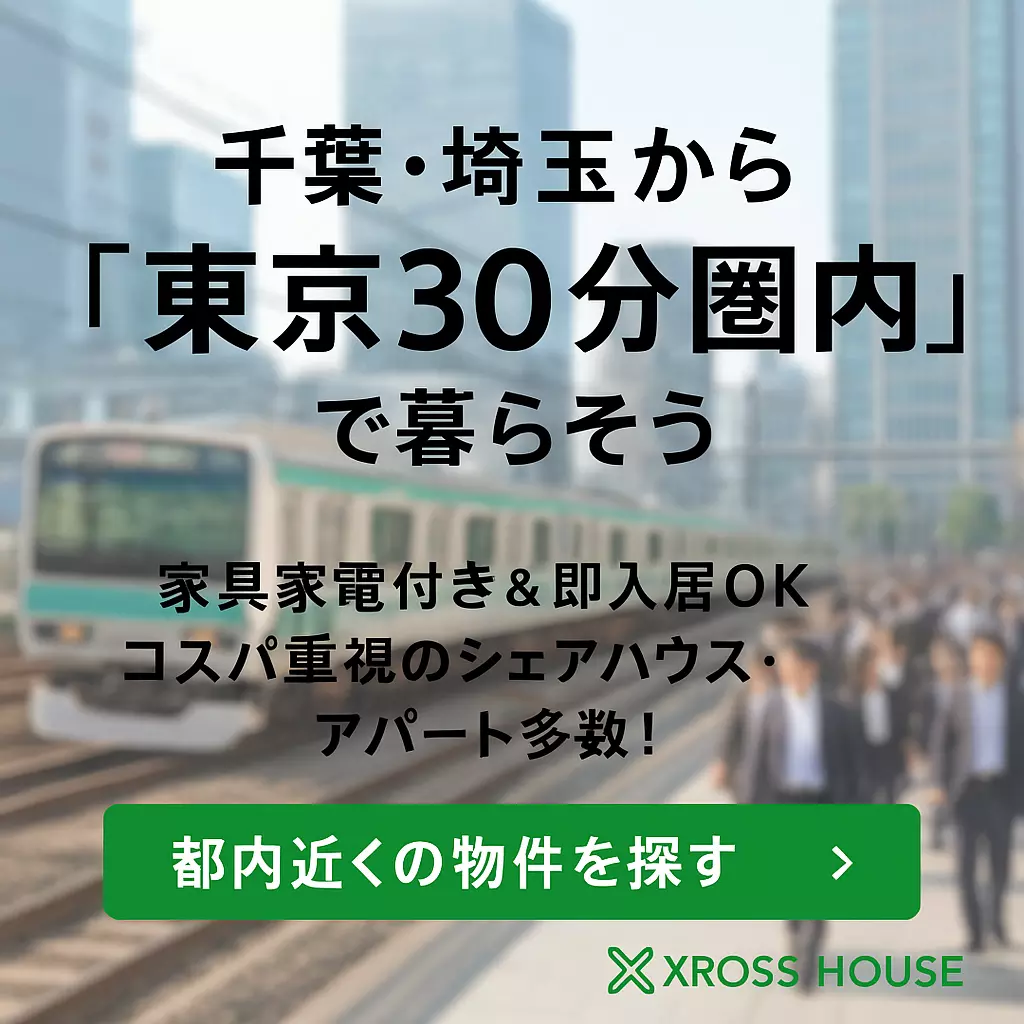
Kawaguchi City is conveniently located adjacent to Tokyo, but it is ranked as the number one "city people don't want to live in" due to poor security, noise, littering, and problems with foreign residents.
While redevelopment around the station is progressing, issues of regional disparities and bad manners have also been pointed out. Many people feel stressed in exchange for convenience, and the area is one that needs attention as it faces challenges in balancing the living environment.
2nd place: Omiya Ward, Saitama City
Omiya Ward has a wide range of commercial facilities and excellent transportation access, but there are also complaints that it is too crowded and unsettling, that the security situation is unstable, and that there are a lot of drunk people and noise. Although it is convenient because it is close to the downtown area, it may not be suitable for people looking for a quiet and secure life.
High prices and rents are also factors that make it seem "difficult to live in."
3rd place: Warabi City
Warabi City, known as the smallest city in Japan, has been criticized for its cramped lifestyle due to its high population density, the chaotic impression around the station, and the cultural gap between local residents and foreigners.
There are also concerns about public safety, with some people feeling uneasy about the atmosphere, especially at night. Although the area is close to Tokyo and has convenient transportation, it tends to be avoided by people looking for a quieter living environment.
4th place: Urawa Ward, Saitama City
While the area is highly regarded as an educational district and administrative center, high rents and prices, as well as the pressures of a strong educational fervor, are cited as reasons why it is "difficult to live there."
Furthermore, due to its convenience, there is a lot of traffic, which can make it seem unsettling to people who dislike crowds and noise. While the area is relatively safe, some people feel that it is difficult to balance the cost and living environment.
No.5: Soka City
While Soka City has good transportation access, it is an area that many people say they "don't want to live in" due to its poor security, garbage problems, and high noise levels.
The atmosphere varies from area to area, with some areas quiet and others feeling uneasy at night. Redevelopment has been progressing in recent years, but it is said that it will take time to improve the image.
No.6: Koshigaya City
Koshigaya City is highly convenient with many large commercial facilities, but it has been criticized for chronic traffic congestion, congestion around stations, and poor urban planning. Depending on the area, there is also a risk of disasters, so you may regret moving there without checking the hazard map.
In addition, the lack of infrastructure and issues with education and medical care due to population growth are contributing to the city's "difficulty of living."
No.7: Kawagoe City
Kawagoe City is famous for its history and tourism, but the crowds, local noise, and lack of parking spaces that are typical of tourist destinations can be stressful for residents. The boundary between tourist areas and residential areas is also unclear in some places, which can be inconvenient for those seeking a quieter lifestyle.
Additionally, commuting to Tokyo takes time, so access can also be an issue.
8. Kumagaya City
Kumagaya City is known as the hottest city in Japan, and the intense heat has a major impact on daily life. The burden of going out in the summer and the high cost of utilities are factors that make people feel like they don't want to live there.
Furthermore, there are residential areas far from train stations and areas with poor public transportation access, which can be inconvenient for elderly people and those raising children. The rising cost of living cannot be ignored.
9. Tokorozawa City
Tokorozawa City is an area blessed with lots of greenery and nature, but there have been concerns about the safety of the area around the station and how dark it is at night.
Additionally, crowded trains and long access times to the city center are factors that make the area feel "unfriendly to live in."Furthermore, there are relatively few commercial facilities, and some people complain that it is inconvenient to go shopping on a daily basis, so the area still faces challenges in balancing convenience and safety.
10th place: Chichibu City (Chichibu District)
Chichibu City is rich in nature and is a popular tourist destination, but the lack of infrastructure, a transportation environment that requires car travel, and a lack of medical and educational facilities are reasons why people say they "don't want to live there."
The inconveniences of life are particularly noticeable for young people and dual-income households, and people seeking everyday convenience tend to shy away from the area. While it is an attractive place to move to, there are still issues with livability.
Search for a room
Only furnished properties with appliances are listed!
Commonalities between cities in Saitama Prefecture that people don't want to live in
Cities in Saitama Prefecture that people say they "don't want to live in" have several common characteristics.
The most representative examples are:
- Public safety concerns
- Poor transportation convenience
- Lack of medical and educational infrastructure
- These are climate risks such as natural disasters and extreme heat.
The combination of these factors can lead to stress and inconvenience in daily life, leading to lower residential satisfaction. It is important to pay attention to these factors when choosing a home.
Areas with security concerns
In cities in Saitama Prefecture that are considered difficult to live in, concerns about public safety are often raised.
- Information on nighttime noise and suspicious people
- High crime rate
- Troubles around the station
These are cited as reasons why people cannot live in peace.
There are also cases where cultural friction and bad manners between foreign residents and foreigners are seen as problems. To choose a city where you can live safely, it is a good idea to refer to police station data and the opinions of local residents.
Transportation convenience is poor
Areas with poor transportation accessibility tend to have longer commute times and less comfortable living conditions. Even within Saitama Prefecture, areas with limited train and bus services, distance from urban areas, and poor access to stations are often named as "places people don't want to live in."
This is a major disadvantage, especially for single people and elderly people who do not own a car, and it directly leads to stress in everyday life.
Weak infrastructure such as medical care and education
In areas where there are a lack of medical and educational facilities, people tend to feel anxious about responding to emergencies and raising children. Even within Saitama Prefecture, in suburban and sparsely populated areas, hospitals and elementary and junior high schools are often far away, and the facilities are old, leading to complaints that the areas are "difficult to live in."
Especially for elderly people and families, the level of infrastructure is an important factor in choosing where to live.
Risk of natural disasters and extreme heat
Saitama Prefecture is often said to be less prone to natural disasters, but some areas are at risk of typhoons, river flooding, and inland flooding. Furthermore, as exemplified by Kumagaya City, many areas experience extreme summer heat, which can impact daily life with increased utility bills and health risks.
These climate and disaster risks are one of the things that people seeking a comfortable life should avoid, and are a major reason why people do not want to live there.
Livable cities in Saitama Prefecture and how to identify them
Saitama Prefecture has many livable cities, but in order to determine the area that's right for you, it's important to keep a few points in mind.
For example, good public safety, convenient transportation access, the quality of living infrastructure such as commercial facilities, hospitals, and schools, and the balance with rent and prices are important.
In this chapter, we will introduce how to judge the "livability" of a city from each perspective, and cities that are actually rated as livable.
If you value good public safety
Safety is an important criterion when choosing a city, especially for women and families. Cities in Saitama Prefecture that are considered to have good safety are characterized by low crime rates and well-maintained areas with streetlights and lots of foot traffic.
For example, the Urawa area, which has many educational districts, and Wako City, which has newly developed residential areas, are popular as safe places to live. It is also effective to check crime prevention information from police stations and local governments.
Is the transportation and living infrastructure well-developed?
Convenience of transportation and infrastructure is essential for daily life, such as commuting to work or school, shopping, and accessing medical facilities. Cities in Saitama Prefecture that are considered easy to live in have in common the fact that they are close to JR and private railway stations and have smooth access to Tokyo.
Additionally, having supermarkets, drugstores, hospitals, and childcare facilities within walking distance also greatly affects the ease of daily life. Areas around stations where redevelopment is progressing are particularly noteworthy.
Key points to consider when balancing rent and prices
Livability is not just about convenience and a good environment, but also about the balance between rent and prices. Rent can vary greatly from station to station, even on the same train line, so it's important to determine whether there's a good balance between the living environment and costs.
For example, even if you have good access to the city center, if the rent is too high it can put a strain on your life, so it's important to choose a city that fits your budget. It's a good idea to check land prices and supermarket prices as well.
Search for a room
Only furnished properties with appliances are listed!
Top 5 Livable Cities in Saitama Prefecture
Saitama Prefecture is dotted with "livable towns" that offer a good balance between convenient transportation and a good living environment. Areas with good access to central Tokyo and high ratings for their infrastructure and safety are particularly popular.
Here we introduce five carefully selected areas in Saitama Prefecture that are popular with both families and single people. If you are considering moving for the first time or relocating, be sure to check out the surrounding environment and convenience of each station.
①Around Saitama-Shintoshin Station
Saitama Shintoshin is accessible via the JR Keihin-Tohoku Line, Utsunomiya Line, and Takasaki Line, making it an extremely convenient area for commuting to central Tokyo. Large commercial facilities such as Cocoon City and government offices are located around the station, making it extremely convenient for everyday life. The area is also relatively safe, making it popular with families and dual-income households.
Thanks to the progress of redevelopment, the cityscape has been improved, and the area is one of the most livable in Saitama Prefecture.
②Around Musashi-Urawa Station
Musashi-Urawa is a highly convenient station where the JR Saikyo Line and Musashino Line intersect, offering good access to Ikebukuro and Shinjuku. In front of the station, there is Ramza Tower, a supermarket, a clinic, a nursery school, and other facilities all compactly located, making it an extremely convenient place to live.
In addition to its good public safety, the area is home to quiet residential areas, making it popular with a wide range of people, from families with children to single people. The area offers an appealing balance between urban functions and a tranquil living environment.
③Around Wakoshi Station
Wakoshi Station, which is served by the Tokyo Metro Yurakucho Line, Fukutoshin Line, and Tobu Tojo Line, has excellent access to Tokyo and is especially popular among people who work in the city center. There are commercial facilities and restaurants in front of the station, and most of the things you need for daily life are located close to the station.
The area is safe and has many residential areas with a calm atmosphere, making it suitable for women living alone and families. Its convenient commute and good cost performance are also attractive features.
④Around Ageo Station
Ageo Station, located on the JR Takasaki Line, is known for its low cost of living, even within Saitama Prefecture, and is a city where you can live comfortably while keeping housing costs down. In front of the station, there are shopping malls, city hall, libraries, and other amenities that make everyday shopping and paperwork convenient.
The area is easily accessible for both work and school, making it a safe and secure place for those living alone for the first time and those raising children.
⑤Around Toda Station
Toda Station is located on the JR Saikyo Line, and is conveniently located about 25 minutes from Shinjuku. There are plenty of supermarkets and restaurants in front of the station, so you'll have no trouble finding your daily shopping needs.
The area is also close to the Arakawa riverbed, making it an ideal place to relax on your days off. Its relatively safe environment and well-maintained residential areas make it a popular area, especially among young people and families.
Frequently Asked Questions (FAQ)
This chapter summarizes frequently asked questions and answers regarding moving and choosing a home in Saitama Prefecture. This will help those considering where to live to resolve any anxieties or doubts you may have about actually living there.
While everyone has different standards for what makes a place livable, it's important to choose a place that suits your lifestyle, including safety, commuting, and the environment for raising children.
What is the most livable city in Saitama Prefecture?
The area around Saitama-Shintoshin Station is the most highly rated "livable town" in Saitama Prefecture. It is highly rated for its good transportation access, abundance of large commercial facilities, and well-organized streetscape.
Another advantage is that there are many government facilities and it is easy to complete daily procedures. It is popular with a wide range of people, from families to single people, and because it is safe and secure, it is always ranked highly in the rankings of cities people want to live in.
Where is the best area to raise children?
Popular areas for raising children include the areas around Musashi-Urawa Station, Wako City, and Ageo City. There are plenty of daycare centers, elementary and junior high schools, and public facilities such as parks and libraries.
Some municipalities offer generous child-rearing support systems, creating an environment in which parents can raise their children with peace of mind. The area is also attractive for families with children because of its good public safety and the many quiet residential areas with little traffic.
Where can you live without a car?
In areas near train stations such as Wako City, Urawa, Omiya, Toda, Saitama New City, etc., you can live comfortably without a car. With good rail access and a concentration of supermarkets, hospitals, and restaurants in front of the stations, you can complete your daily life by walking, cycling, or using public transportation.
Compact towns where you can live without a car are especially popular among single people and the elderly, and they also have the benefit of keeping maintenance costs down.
How can you tell which areas in Saitama are recommended?
To find the area in Saitama Prefecture that suits you, it's important to look at the balance between public safety, transportation, infrastructure, and average rent.
Also, consider commute times and future lifestyle changes. Areas near train stations and redeveloped areas are highly convenient and tend to have lower asset values. Checking local reviews and ratings from people who actually live there is also a key to choosing the right city.
Search for a room
Only furnished properties with appliances are listed!
summary
While Saitama Prefecture has many livable cities blessed with convenient access and natural environments, there are also areas that are considered "difficult to live in" in terms of public safety, transportation access, and infrastructure. Kawaguchi City and Omiya Ward, for example, have noticeable issues with their living environment in exchange for their high level of convenience, while Wako City and Saitama New City tend to receive high marks for public safety and transportation.
To choose a city that is truly easy to live in, it's important to balance safety, transportation, average rent, etc. By referring to the opinions of actual residents and the characteristics of each area, you can make a home selection that you won't regret.