What are the benefits of living in Tokyo? Attractiveness based on lifestyle
Tokyo is known as a city where you can find anything, but when you actually live there, you're often surprised by the convenience and expansive possibilities. In this chapter, we'll introduce the benefits that are common to both single people and families with children, as well as the attractions that suit each lifestyle. We'll also provide a multifaceted explanation of the appeal of living in Tokyo, including the differences between Tokyo's 23 wards and the city area (suburbs), and reference information for choosing an area that suits your needs.
For properties in Tokyo, click here
Convenient transportation access | Freely reach anywhere in Tokyo by train or bus
Tokyo's transportation infrastructure is one of the best in Japan, with JR lines, subways, private railways, and bus routes all running around the city, centered around the Yamanote Line, making it easy to access no matter where you live.
Furthermore, it has excellent access to airports and Shinkansen stations. Haneda Airport is 30 to 40 minutes from the city center, and the Shinkansen is available at multiple terminals, including Tokyo Station and Shinagawa Station, making business trips and travel smooth. The ability to quickly travel not only for daily commutes but also for weekend getaways and travel to and from other regions is a major advantage of living in Tokyo.

Excellent infrastructure for daily life: convenience stores, hospitals, and government offices are all within walking distance
In Tokyo, all the facilities necessary for daily life are close by. In addition to convenience stores and supermarkets, there are also plenty of drugstores, clinics, post offices, and government service centers. In particular, around stations, there are multiple commercial facilities concentrated within a five-minute walk, making it possible to efficiently run errands even during busy daily lives.
There are also many medical institutions and clinics that are open at night and on holidays, so you can rest assured in case of sudden illness or injury. Even if you have small children or live with elderly people, the peace of mind of the medical system is a major point.

Many opportunities for work and side jobs | An environment that makes it easy to advance your career
Tokyo is home to a wide range of job openings in all sectors and occupations, from major corporations to venture businesses. The number of job openings posted at Hello Work and job sites is by far the highest in the country, making it easy to find a job that matches your aspirations and skills.
Recently, many companies have also implemented comprehensive support systems for remote work, freelancing, and side jobs, and there is a growing degree of freedom in working styles. Tokyo also hosts many seminars aimed at supporting entrepreneurship and small businesses, creating an environment that fosters the ability to earn money on one's own.
Entertainment and cultural facilities gathered together | Endless options for hobbies and learning
Tokyo is a treasure trove of entertainment. Cinemas, theaters, art museums, music halls, live music venues, and more are scattered throughout each area, making them conveniently located so you can drop in on a quick visit after work, even on weekdays. In Tokyo, you'll also find plenty of opportunities to easily see musicals, plays, and other nationally popular performances.
There are also plenty of classes and events related to hobbies and learning, such as English conversation, dance, pottery, programming, photography, and fitness. Being able to immediately try out things that interest you is a privilege only available in urban areas.
For families with children, there are plenty of workshops that parents and children can participate in together, as well as public facilities such as libraries, science museums, and zoos, creating an environment where education and play can be combined.
A city that accepts diverse values | An environment where you can live "as yourself"
Tokyo is home to people with diverse backgrounds from all over Japan, and it's common for people to have different places of origin, lifestyles, work styles, and family structures. As a result, people are less likely to be bound by concepts like "normal" or "common sense," and there's a culture where people tend to respect their own unique choices. Being able to build a comfortable life without having to conform to those around you is a great source of comfort, especially for people living alone or who value individuality.
For properties in Tokyo, click here
The benefits of living alone: freedom and growth opportunities
Living alone in Tokyo is a symbol of a lifestyle where you can fully enjoy your free time and space. There are many single people of the same generation, and there are many opportunities to meet people who live similar lifestyles. In addition to hobbies, studies, and work, another element that enriches living alone is the ability to build new relationships through social gatherings and events.
Because you have to make all your own decisions and take action, you will naturally acquire self-management skills and life skills. Living alone in Tokyo is also an opportunity for growth in that it cultivates the basic skills needed for working adults, such as budget management, housework, and schedule adjustment.
Benefits for families with children | Improving the educational environment and child-rearing support
Tokyo is home to many educational institutions, offering a wide range of options, both public and private. Some municipal elementary schools offer distinctive educational programs, and the school district may determine the area you live in. There are also many cram schools and extracurricular classes, providing ample opportunities for children to develop their interests and areas of expertise.
Public child-rearing support systems are also in place, primarily in Tokyo's 23 wards, and efforts are underway to reduce the financial burden, such as expanding daycare centers, child-rearing support coupons, and medical expense subsidy systems. In particular, some local governments have implemented measures to eliminate waiting lists for children and completely free pediatric medical care, providing encouraging support for dual-income households.
Tokyo's 23 Wards vs. City Areas: Differences and Recommended Areas | Options to Suit Your Lifestyle
Even if you say "living in Tokyo," there are big differences in the living environment and lifestyle between the 23 wards and the city (such as the Tama area). Depending on which you choose, your daily lifestyle and perceived advantages and disadvantages will also differ.
For properties in Tokyo, click here
Characteristics of Tokyo's 23 wards
- The area is highly convenient for transportation, allowing for smooth access to work, school, shopping, and medical facilities. Travel time is reduced, making life more efficient.
- Convenience stores, supermarkets, hospitals, government offices, etc. are often within walking distance, making it perfect for people who want to save time.
- On the other hand, average rents are high, and prices and living costs tend to rise. In particular, properties aimed at families require careful consideration of the balance with the budget.
Characteristics of Tokyo city (Tama area, etc.)
- With plenty of nature and parks, it's a popular place to raise children. There are also many nurseries and elementary schools with spacious grounds, making it easy to raise children in a relaxed environment.
- The average rent is relatively low and it is easy to find larger properties, making it an ideal place for people looking for a home for their family.
- Commuting times to the city center tend to be longer, and in some cases commuting by crowded train has become a daily routine.
3 Recommended Areas for Living Alone | Balancing Convenience and Rent
If you're starting a life on your own in Tokyo, it's important to find a balance between good accessibility and affordable rent. Below, we'll introduce three areas recommended for single people who prioritize value for money.
Nakano (Nakano Ward)
Nakano boasts excellent access, just a 5-minute train ride from Shinjuku Station, making it a particularly popular area along the Chuo Line. There are plenty of commercial facilities and restaurants around the station, making it extremely convenient for daily life. Just a little way from the station, you'll find a quiet residential area, offering a relaxing living environment. While average rent is a little on the high side, it's well within reason, considering the convenience.
Akabane (Kita Ward)
Akabane is an area with easy access to the city center and a down-to-earth atmosphere, with access to multiple lines including the Saikyo Line, Keihin-Tohoku Line, and Shonan-Shinjuku Line. There are large supermarkets and bars around the station, so you'll have no trouble getting around. Rent is also relatively low for one of the 23 wards, making it a great place to live alone for the first time.
Oimachi (Shinagawa Ward)
This area is highly convenient for transportation, with access to the Keihin-Tohoku Line, Rinkai Line, and Tokyu Oimachi Line. It also has excellent access to Shinagawa, Tokyo, and Shibuya, making it especially popular among working adults in the city center. There are commercial facilities such as Atre and supermarkets in front of the station, and the area is safe. There are also many residential areas within walking distance, with plenty of rental properties for single people.
For properties in Tokyo, click here
3 recommended areas for families with children: Emphasis on education, safety, and the environment
If you are planning to raise children in Tokyo, the key is to choose an area that offers a good balance of education, public safety, natural environment, and child-rearing support.
Suginami Ward, Eifukucho area
Eifukucho, located along the Inokashira Line, is known as a quiet residential area with lots of greenery. There is a supermarket, library, and local childcare support center in front of the station, making it a safe environment for families with small children. Suginami Ward is proactive in addressing the issue of children on waiting lists, and the nursery school system is well-maintained. The area is also safe and popular as an educational district.
Honkomagome area, Bunkyo Ward
Bunkyo Ward, known as the "city of education," is an area blessed with a great learning environment, with a concentration of famous national and private schools. It's also blessed with nature, with attractions like Koishikawa Botanical Garden and Rikugien Garden, making it a great place for families who want to raise their children in a relaxed environment. Bunkyo Ward is also home to many medical institutions, and boasts a high level of pediatric care. While rent is on the higher side, the area is considered well worth it.
Mitaka City/Musashisakai area
If you're looking for a balance between access to the city center and nature, Mitaka City, located along the Chuo Line, is the place to go. The area around Musashi-Sakai Station in particular has seen rapid redevelopment, and there are plenty of family-friendly facilities, including a station building, childcare facilities, a library, and a play park. Mitaka City also has a comprehensive child-rearing support system, with support for stroller users and plenty of events for parents and children. Another attractive feature is that rent is lower than in the city center.
For properties in Tokyo, click here
Search for a room
Only furnished properties with appliances are listed!
Disadvantages of living in Tokyo | Real issues experienced after living there
Tokyo has many charms, but when people actually live there, they often say, "It's not what I imagined..." In particular, in terms of living costs and the environment, there are burdens and challenges that are not found in other regions.
Here, we will introduce the disadvantages that you may feel when living in Tokyo, divided into "general" and "lifestyle-specific" categories.
For properties in Tokyo, click here
High rent and high prices | Living costs are two to three times higher than in rural areas
The first thing you notice about living in Tokyo is the high rent and cost of living. Even a studio or one-room apartment can cost 80,000 to 100,000 yen per month within the 23 wards, and it's not uncommon for it to exceed 100,000 yen near the city center. This is two to three times the price of other cities.
Additionally, supermarkets, restaurants, and everyday items are expensive in Tokyo. If you mainly shop at train stations and convenience stores, or eat out, you can expect to spend 800 to 1,000 yen per meal, which can reach 60,000 to 90,000 yen per month.
This cost is also a burden for families with children, and rents rise even more if they seek a spacious apartment or a good school district. With childcare fees, education costs, and extracurricular activities all added up, private and international schools can cost hundreds of thousands of yen per year.
Living in Tokyo can be said to be a "cost in exchange for convenience," and although some expenses can be reduced by choosing the area and making adjustments to your lifestyle, it is inevitable that expenses will be higher than in the countryside.
Stress from crowds and noise | Stress factors unique to urban areas
Living in Tokyo means being exposed to the stress of being surrounded by so many people on a daily basis. Stations and trains are regularly packed during rush hour, and it's said that just riding the Yamanote Line or Tozai Line in the morning is tiring.
In addition, downtown areas and areas around major stations are always crowded, and there are often waiting times when shopping or eating out. Some people say that even when they try to refresh themselves on the weekends, they end up feeling exhausted because there are so many people everywhere.
Noise is also a problem unique to Tokyo, with the sounds of trains and cars, and the hustle and bustle late at night making it difficult to find quiet time. When choosing a property, soundproofing and the surrounding environment are important.
This situation is particularly serious for families with children, as the difficulty of going out and the lack of quiet places can be stressful. The key to living comfortably in Tokyo is how to deal with the stress caused by people and noise.
Lack of nature | Lack of green space makes it feel suffocating
Tokyo is densely packed with high-rise buildings and residential areas, and places where you can experience nature are limited. There are few opportunities to see greenery, and many people find it difficult to refresh themselves.
There are large green spaces such as Yoyogi Park and Shinjuku Gyoen, but they are often difficult to access and crowded, making them unsuitable for casually enjoying nature.
Families with children often have concerns such as "there are no parks nearby where children can play" or "it's not safe to walk around with a stroller," and many childcare facilities do not even have playgrounds.
Even if you live alone, you may find yourself far away from nature, where you can unwind from the stresses of everyday life. Forest parks, which are often close by in rural areas, tend to become a "destination" in Tokyo. It takes conscious effort to incorporate nature into your daily life.
Challenges of living alone: loneliness, initial costs, and security concerns
Living alone in Tokyo can be free and exciting, but it can also make you feel lonely and anxious. People who have just moved to Tokyo tend to feel isolated and have no acquaintances.
The initial costs of moving are also high, and in some cases, the costs of security deposits, key money, advance rent, insurance, etc. can amount to five to six months' rent. Many properties also require you to use a guarantor company, which adds to the burden.
There are also concerns about security on dark streets and in older properties, so women in particular need to look for properties that prioritize security, such as automatic locks and an on-site manager.
As you can see, while living alone can be relaxing, it can also bring with it the anxiety of not being protected. In addition to financial preparation, it is also important to create a safe living environment.
Challenges for families with children: lack of daycare centers, education costs, and living environment restrictions
A major obstacle to raising children in Tokyo is the shortage of daycare centers. Competition for admission to licensed daycare centers is fierce, and in some municipalities, those who do not work full-time are at a disadvantage.
Education costs are also high, with cram schools, extracurricular activities, and private schools costing hundreds of thousands to millions of yen per year. While there are public facilities, they are often in high demand and can be difficult to reserve.
If you want a spacious floor plan, a quiet residential area, and a safe commute to school, rent will skyrocket, and it's rare to find a property that meets all of these requirements. In many cases, you'll have to make compromises.
Furthermore, worrying about what others think of you can be stressful, such as noise issues in the apartment building or complaints about your children's voices. To make raising children easier, it is essential to utilize local government support systems and be flexible in your responses.
What's the difference between living in Tokyo and the countryside? A comparison to see the benefits of living in Tokyo
When people hear "living in Tokyo," many will imagine a glamorous, urban city. On the other hand, rural areas also have their own charms, such as nature and warm human relationships. Based on the differences in lifestyle felt by people from rural areas in Tokyo, we will compare commuting, work, human relationships, etc. and clearly summarize the "benefits of living in Tokyo."
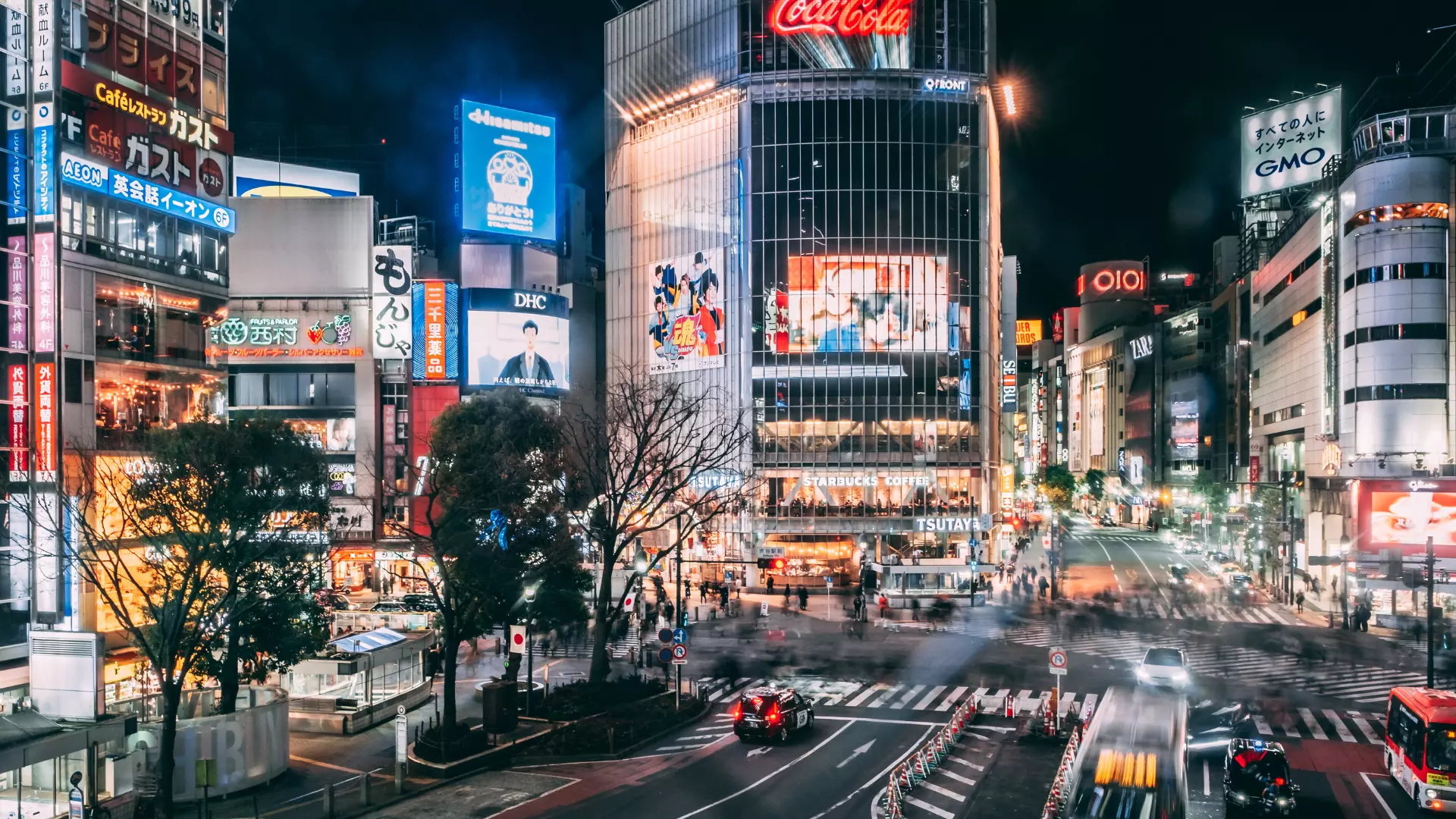
Differences between commuting and traveling | Comparing car-free living vs. car-required living
Tokyo: Public transport-centric lifestyle
- Trains, subways, and buses run every few minutes, making travel smooth.
- You can live without a car. You can save on parking fees and maintenance costs.
- You can move around without worrying about driving after a drinking party
Rural areas: Cars are a necessity
- Limited transportation network with few trains and buses
- Shopping, commuting, and going to the hospital are all done by car. One car per person is the norm.
- Maintenance and gasoline costs are high
Differences in work and income | Regional disparities in job openings, occupations, and annual income
Tokyo: A wide range of options and opportunities
- There are many job openings and you can choose from a wide range of industries and employment types.
- Concentration of specialized occupations and high-income industries. Easy career advancement.
- There is an environment that makes it easy to try side jobs and freelance work
Local: Limited options
- There are few job openings, and they tend to be concentrated in specific industries
- Even in the same occupation, the average annual income is low, and there is a limit to income growth.
- There is less demand for freelance work and side jobs than in urban areas.
Differences in encounters and interactions | Networking and rich communities
Tokyo: Diverse encounters possible
- There are many ways to meet people, including hobbies, work, and social media
- Even single people can easily find a community that suits them
- There are a variety of offline meetups, clubs, and childcare support groups.
Local areas: close relationships but limited
- While the community has strong ties, it can be difficult for newcomers to get involved.
- Differences in lifestyles and values are easily apparent
- Relationships tend to be narrow, and there are times when you feel lonely.
A Tokyo resident's experience of livability and real-life challenges
I grew up in the Tokyo metropolitan area and started living in one of the 23 wards after I started working. I was surprised at how little greenery there was in the center of Tokyo and how expensive supermarkets and parking lots were.
At the time, I lived about 20 minutes by train from the city center, but the rush hour commute was brutal. Even a mere 20 minutes would leave me stuck in a packed train, and there were days when I was exhausted even before I got to work.
On the other hand, I have been blessed with opportunities to expand my connections with people, such as casually going out to eat after work, or attending drinking parties and events. On my days off, I think being able to casually drop by a movie theater or art museum by bicycle or on foot is a way of enjoying life that is unique to Tokyo.
Since I started raising children, I have realized that there are big differences depending on the area in terms of ease of getting into daycare and support systems. I was reminded that even within the same city, differences in environment and systems directly affect the ease of living.
Tokyo is a convenient and exciting city, but I think it's very important to reconsider where you live and how you live to suit your own life stage in order to live a comfortable life.
Search for a room
Only furnished properties with appliances are listed!
Tips for living comfortably in Tokyo
While Tokyo is convenient, it is also a city that can easily face a variety of challenges, such as the cost of living, feelings of loneliness, and a lack of nature. However, with a little ingenuity and a change of perspective, it is possible to greatly improve livability. Here we will introduce practical points to make your daily life more comfortable.
Choosing a home with low rent | Area, property type, and contract tips
The biggest burden in living in Tokyo is rent. Even a studio apartment in the city center can cost over 80,000 yen a month, and it's not uncommon for a family apartment to cost in the 200,000 yen range.
The key to keeping rent low is to choose the right train line and station. Just moving a little further from the city center can mean a difference of 10,000 to 20,000 yen in rent. By choosing a station that starts at the beginning of the line or where rapid trains stop, you can reduce the burden of commuting and keep costs down.
Even old properties, shared houses, and properties with issues can become comfortable homes if they are renovated. In addition, you can save on initial costs by searching for properties with no security deposit or key money or no brokerage fees.
Rather than just pursuing your ideals, clarifying what you prioritize and what you are willing to compromise on will lead to a home selection that will leave you satisfied.
How to reduce your living costs | Cutting fixed expenses and shopping smartly
People tend to think that Tokyo is expensive, but with some ingenuity, you can significantly reduce the burden on your household budget. The four areas where you can save the most are rent, food, communication, and transportation costs.
By using discount stores, discount coupons, and coupon apps, you can keep your food expenses down to 20,000 to 30,000 yen per month. Combine this with takeout and bulk purchases, and you can enjoy eating out without too much trouble.
Communication costs can be significantly reduced by using low-cost SIM cards and Wi-Fi integrated services, and transportation costs can also be reduced by using shared bicycles and commuter passes.
You can change your living expenses just by reviewing the expenses you spend without thinking. If you start by reviewing your fixed expenses, you can easily develop the habit of saving money.
How to alleviate loneliness and anxiety about raising children | Community participation and housing options
Even in the convenient city of Tokyo, it's easy to feel like connections with others are weak, and many people feel lonely and anxious about raising children. There are surprisingly many places where you can build loose connections, such as local child-rearing centers, social events, and local groups that use social media. Official websites also contain information about social spaces and child-rearing support, and even a casual step can lead to the creation of relationships.
If you live alone, you can reduce the feeling of isolation by choosing a place to live where it is easy to interact with others, such as a shared house or co-living room.
For families with children, choosing an area with many children of the same age makes it easier for them to naturally make connections at parks and daycare centers.
Ways to make up for the lack of nature | Utilizing green spaces in Tokyo and spending your days off
Even in Tokyo, which is surrounded by concrete, there are many spots where you can get in touch with nature if you look for them. Metropolitan parks and gardens are precious places where you can enjoy walks and picnics while feeling the changes of the seasons. Many parks have play equipment for children, making them perfect for everyday use.
Even if you live alone, getting into the habit of visiting nearby natural spots on the weekends can help refresh your mind and body. One of Tokyo's hidden charms is that the mountains and the sea are just an hour away by train.
In addition, there has been an increase in "lifestyles that incorporate nature," such as rooftop gardens and urban farms, and even a small amount of greenery can add a sense of spaciousness to your life.
Summary | Living your life the way you want in Tokyo
While Tokyo is full of convenience and excitement, it also has challenges such as rent, prices, and the lack of human relationships.
By choosing an area, support system, and community participation that suits your life stage and values, it is entirely possible to live a comfortable life.
Make good use of the information and options available to you and find your ideal life in Tokyo.