What Is Ofuro? A Guide to Japan's Traditional Bathing Culture
Ofuro (お風呂) is the Japanese word for bath or bathroom, but it carries a meaning that extends well beyond the room itself. The word refers both to the physical bathtub and to the entire ritual of bathing that has been practiced in Japan for centuries. When a Japanese person says they are going to take an ofuro, they are not merely talking about washing up — they are describing a mindful, restorative evening ritual that marks the end of the day.
Furo vs. Ofuro: Is There a Difference?
You may come across two spellings: furo and ofuro. The word furo (風呂) is the standard Japanese noun for bath. Ofuro (お風呂) is the more common and polite form, where the prefix 'o' (お) is an honorific that elevates everyday words in Japanese speech. In practice, Japanese people almost always say ofuro in daily conversation. Both terms refer to the same thing, but ofuro carries a warmer, more culturally respectful tone.
In English-speaking contexts, you will often see the spelling furo used in academic or product-related writing — for example, when referring to hinoki furo bathtubs sold outside Japan. But if you are living in Japan or discussing the cultural experience, ofuro is the word you will hear and use.
The History and Origins of the Japanese Bath
The history of bathing in Japan stretches back more than a thousand years. The earliest forms of communal bathing were connected to Buddhist temples, where purification was both a physical and spiritual act. Over time, the practice evolved from public bathhouses known as sento (銭湯) into private household bathing as Japan modernized.
The deep wooden bathtub made from hinoki cypress — perhaps the most iconic image of a traditional Japanese ofuro — became a symbol of luxury, wellness, and Japanese craftsmanship. Today, while modern Japanese bathrooms typically feature compact acrylic or enamel bathtubs, the cultural importance of the daily ofuro ritual has never faded. For millions of Japanese families, taking a bath together or in sequence each evening remains an important part of daily life.
How the Japanese Bathing Ritual Works Step by Step
One of the most common surprises for foreigners arriving in Japan is discovering that the ofuro is not used the way a Western bath is. There are clear steps and unspoken rules that make the experience different — and much more intentional — than simply filling a tub and climbing in.
Washing Your Body Before Entering the Tub
The first and most important rule of the Japanese bath is this: you wash your body thoroughly before you get into the bathtub. In a typical Japanese bathroom, you will find a small shower area or a hand shower attached to the wall, often with a low stool and a small basin called an oke. You sit on the stool, scrub your entire body with soap, rinse completely, and only then do you enter the bathtub.
This is different from Western bathing customs where people often wash inside the bathtub. In the Japanese system, the ofuro water stays clean because you are already clean before you soak. The bathtub is purely for soaking and relaxing — not for washing.
Soaking in the Ofuro
Once you have washed and rinsed off, you lower yourself into the ofuro. Japanese bathtubs are typically deeper and shorter than Western ones, designed specifically for an upright seated soak rather than lying down. The water temperature is usually between 40°C and 42°C (104°F–108°F) — noticeably hotter than most Americans are used to.
The soaking time varies by person, but most Japanese people spend anywhere from 10 to 20 minutes in the ofuro. The combination of hot water, stillness, and the compact design of the bathtub creates an intensely relaxing experience. Many Japanese people describe the daily soak as essential for washing away not just physical dirt but the stress and fatigue of the day.
Bathing Order in a Japanese Household
In a Japanese home, the same bath water is typically used by all household members. The standard order is for the most senior family member to bathe first, followed by others in order of seniority. In a family home, the father often goes first, followed by the children, with the mother typically last. In some households, the water is reheated between uses using the bathtub's built-in reheating function.
In a share house like XROSS HOUSE, each resident typically takes their bath independently. The clean water rule still applies — always shower before using the shared bathtub, and communicate with housemates about scheduling bathroom time, especially during evening peak hours.
Search for a room
Only furnished properties with appliances are listed!
Health and Well-Being Benefits of Ofuro Bathing
The daily ofuro ritual is not just a cultural tradition — there is a substantial body of evidence supporting the health and wellness benefits of regular hot water soaking. Japanese people have understood these benefits intuitively for generations, and modern research continues to validate what this culture has long practiced.
Stress Relief and Relaxation
Soaking in hot water activates the parasympathetic nervous system — the part of your body responsible for the rest-and-digest state. This explains why stepping into an ofuro almost immediately produces a sense of calm. The warmth of the water raises your body temperature slightly, which signals your nervous system to relax. After exiting the bath, your body temperature gradually drops, a process that naturally promotes sleep onset.
For foreigners living in Japan and navigating the daily challenges of a new culture, language, and environment, the ofuro ritual can be a powerful anchor. Many long-term foreign residents describe adopting the nightly bath as a key element in managing stress and adjusting to life in Japan.
Physical Health Benefits: Circulation and Muscle Recovery
The heat of an ofuro promotes vasodilation — the widening of blood vessels — which improves blood circulation throughout the body. This increased circulation helps deliver oxygen and nutrients to muscles and organs more efficiently, and supports the removal of metabolic waste products from tissues. For people who spend long hours commuting or working at a desk, this effect can meaningfully reduce physical tension.
Regular hot water soaking has been associated with reduced muscle soreness, improved joint flexibility, and general relief from the physical fatigue of daily activity. Athletes and active individuals often find that an evening ofuro accelerates recovery from exercise in ways that a simple shower cannot.
Skin Care Benefits of Hot Water Soaking
Hot water opens the pores and softens the skin, making it easier to cleanse thoroughly. The deep soaking time of an ofuro, combined with the prior body wash, allows the skin to absorb warmth and moisture over an extended period. Many Japanese people follow their ofuro with a moisturizer while the skin is still warm and slightly open, maximizing absorption.
The mineral-rich water found in onsen — Japan's famous natural hot springs — takes these skin benefits even further. While a household ofuro uses regular tap water, regular soaking still provides meaningful support for skin hydration and texture compared to quick showers alone.
Types of Ofuro Bathtubs and Bathroom Styles in Japan
Japan has a rich tradition of bathtub design that spans handcrafted wooden tubs to sleek modern acrylics. Understanding the different types of ofuro bathtubs helps you appreciate the culture more deeply — and know what to expect in different living situations.
The Classic Hinoki Wooden Bathtub
The most revered material for a traditional Japanese bathtub is hinoki (檜), a fragrant cypress wood native to Japan. Hinoki wooden bathtubs are prized for their natural antibacterial properties, the warm visual texture of the wood grain, and above all for the distinctive, calming aroma that the wood releases in hot water. The scent of hinoki is one of the most evocative sensory experiences in Japanese culture — often described as fresh, clean, and deeply relaxing.
Genuine handcrafted hinoki ofuro bathtubs are works of artisan craftsmanship and come with a significant price. They require careful maintenance after each use — thorough drying to prevent mold, and regular treatment to preserve the wood. High-end ryokan (traditional Japanese inns) often feature hinoki ofuro as a luxury amenity, and the experience of soaking in one is considered one of the finest pleasures of Japanese hospitality.
Outside Japan, hinoki wooden bathtubs have found a growing market among wellness enthusiasts and interior designers who want to bring the Japanese bathing ritual into their homes. Brands specializing in authentic ofuro wooden bathtubs now ship internationally, making the hinoki experience accessible globally.
Modern Japanese Bathroom Bathtubs
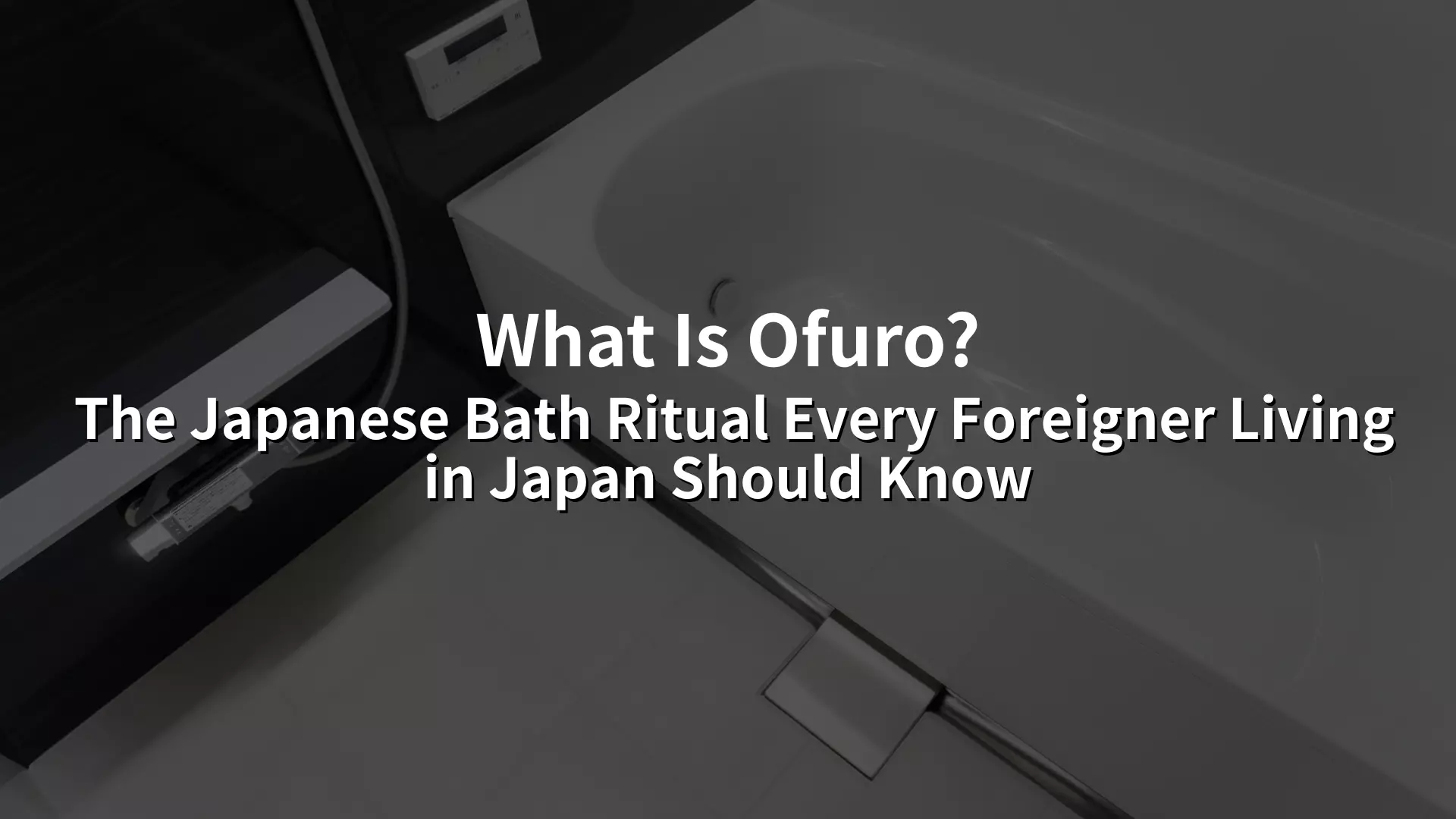
In contemporary Japanese apartments and share houses, the standard ofuro is a compact, deep bathtub made from acrylic, FRP (fiber-reinforced plastic), or enamel-coated steel. These modern tubs maintain the deep, upright-soaking design that is essential to the ofuro experience, but in a practical, easy-to-clean material suited to daily use.
One of the most impressive features of the modern Japanese bathroom is the integrated bath system. A wall panel or remote control allows users to fill the tub to an exact temperature, reheat the water, and even receive a voice notification when the bath is ready. The bathroom itself — called the unit bath in Japanese — is a self-contained modular room that includes the bathtub, shower, toilet (in some models), and sink in a compact, waterproof unit that can be cleaned by simply spraying everything down.
Onsen and Public Bathing in Japan
No discussion of Japanese bathing culture is complete without mentioning onsen (温泉) and sento (銭湯). Onsen are natural hot spring baths, fed by geothermally heated mineral-rich water, and are found throughout Japan. Sento are traditional public bathhouses that use heated tap water. Both are communal bathing experiences that follow the same fundamental rules as the household ofuro: wash thoroughly before soaking, maintain quiet and calm in the bathing area, and keep towels and personal items out of the bathing water.
For foreigners living in Tokyo, visiting a local sento or a day-trip onsen is one of the most rewarding cultural experiences available. Many neighborhoods around Tokyo have sento facilities that have operated for generations and offer a genuine connection to traditional Japanese bathing culture. Living in a share house in Tokyo puts you within easy reach of these experiences.
Search for a room
Only furnished properties with appliances are listed!
Ofuro Etiquette: Rules and Tips for Foreigners
Bathing etiquette is taken seriously in Japan, both in public bathing facilities and in private homes and share houses. Understanding and respecting the unspoken rules of the ofuro will help you integrate smoothly into Japanese daily life and avoid accidentally causing discomfort to those around you.
Do's and Don'ts in a Japanese Bathroom
Always wash and rinse your body completely before entering the bathtub. This is the most fundamental rule of the Japanese bath, and violating it is considered very inconsiderate in shared living situations.
Keep the bathing area tidy. In Japan, the bathroom is expected to remain clean and dry outside of bathing times. After your bath or shower, wipe down the surfaces, squeegee the floor if needed, and ensure the bathroom is in a presentable condition for the next person.
Never add soap, shampoo, or bath additives to the shared tub water without checking with your housemates first. In family homes, bath salts or medicated bath powders are sometimes added to the ofuro water for health purposes, but in a shared living environment, this should always be discussed and agreed upon.
At an onsen or sento, tattoos are traditionally prohibited in most facilities, as they have historical associations with organized crime in Japan. This rule has been relaxing gradually in recent years, with some facilities now allowing tattoos or offering private bathing rooms, but it remains a cultural sensitivity to be aware of.
How to Use the Ofuro in a Share House
In a XROSS HOUSE share house, the bathroom schedule during evening hours can be busy. It is good practice to communicate with your housemates and agree on approximate bathing times, particularly during peak hours from around 8pm to 11pm when most residents prefer to bathe.
If the share house uses a shared bathtub, drain and clean the tub after each use. Leave the bathroom ventilation fan running after bathing to prevent moisture buildup and mold. If you are the last person to use the bathtub for the evening, give the tub a thorough rinse and leave it clean for the next day.
Embracing the ofuro ritual, even in its simplified share house form, is one of the best ways to settle into daily life in Japan. Many foreign residents who initially felt the ritual was unfamiliar have come to regard their evening ofuro as the highlight of the day — a non-negotiable moment of calm in an otherwise busy life in Tokyo.
Experiencing Ofuro Culture in Your XROSS HOUSE Home
One of the most authentic ways to experience Japanese daily life — including the ofuro ritual — is to live in a share house in Tokyo. XROSS HOUSE offers a network of share houses across Tokyo and the surrounding area, designed for both Japanese and international residents who want to live comfortably, affordably, and connectedly in Japan.
What to Expect in a Tokyo Share House Bathroom
XROSS HOUSE properties are equipped with modern Japanese unit bath systems — the compact, fully waterproof bathroom modules that are standard in contemporary Japanese housing. Each unit bath includes a deep soaking bathtub, a shower with a hand-held head, and wall controls for filling and heating the bath to your preferred temperature.
The design of these bathrooms is purpose-built for the Japanese bathing ritual. The separate washing area outside the tub, the wall-mounted shower head at a comfortable seated height, and the heated floor and warm air dryer (found in many units) all reflect the thoughtfulness with which Japanese residential design approaches the daily bath experience.
Living in a XROSS HOUSE share house gives you daily access to this authentic Japanese bathroom setup — not just as a guest in a hotel, but as a resident whose home happens to be in Tokyo. Over weeks and months, the ofuro transitions from a curiosity to a deeply personal daily ritual that many residents describe as one of the things they miss most about Japan after returning home.
Find Your Home in Japan with XROSS HOUSE
Whether you are relocating to Tokyo for work, studying in Japan, or looking for a flexible furnished living option in one of the world's most exciting cities, XROSS HOUSE offers a wide range of share house options across Tokyo's most popular neighborhoods.
From Ikebukuro and Takadanobaba to Sangenjaya and Toyosu, XROSS HOUSE properties are designed to make settling into Japanese life as smooth and enjoyable as possible — including helping you build the kinds of daily rituals, like the ofuro, that connect you to the culture and rhythms of Japan.