Understanding Housing Options in Japan
Japan offers several types of housing for foreigners, each with its own advantages depending on your budget, lifestyle, and length of stay.
Apartments (Mansion and Apato)
In Japan, apartments fall into two main categories. A mansion refers to a reinforced concrete building, typically offering better soundproofing and security features. An apato is usually a wooden or light steel frame building with lower rent but thinner walls. Both are common choices for long-term residents looking for independent living spaces.
Share Houses
Share houses have become increasingly popular among foreigners in Japan. These properties offer private bedrooms with shared common areas like kitchens, bathrooms, and living rooms. Share houses are particularly attractive because they typically require lower upfront costs, come fully furnished, and provide opportunities to meet other residents from around the world.
Companies like XROSS HOUSE specialize in providing foreigner-friendly share houses throughout Tokyo, making it easier for newcomers to find affordable, convenient housing without the traditional barriers of the Japanese rental market.
Guest Houses and Short-Term Rentals
For those who need temporary accommodation while searching for permanent housing, guest houses and short-term rentals offer flexibility. These options are ideal for the first few weeks or months in Japan, giving you time to explore different neighborhoods before committing to a longer lease.
Japanese Rental Costs: What to Expect
One of the biggest surprises for foreigners moving to Japan is the high upfront costs associated with renting an apartment. Understanding these costs beforehand will help you budget appropriately.
Initial Move-In Costs
Traditional Japanese rentals often require paying several fees upfront, which can total four to six months worth of rent. These typically include:
Shikikin (Security Deposit): Usually one to two months rent, refundable minus cleaning and repair costs when you move out.
Reikin (Key Money): A non-refundable gift to the landlord, typically one to two months rent. This is a unique Japanese custom with no equivalent in Western countries.
Real Estate Agency Fee: Usually one month rent plus tax, paid to the agency that helped you find the property.
Guarantor Company Fee: Since most landlords require a Japanese guarantor, foreigners typically use a guarantor company, costing 50 to 100 percent of one month rent.
Fire Insurance: Required by most landlords, costing around 15,000 to 20,000 yen per year.
Monthly Costs
Beyond rent, you will need to budget for monthly expenses including:
Kanrihi (Management Fee): A monthly fee for building maintenance, typically 5,000 to 15,000 yen.
Utilities: Electricity, gas, and water usually run 10,000 to 20,000 yen per month depending on usage and season.
Internet: Expect to pay 4,000 to 6,000 yen monthly for a home internet connection.
How Share Houses Save Money
Share houses like those offered by XROSS HOUSE eliminate many of these traditional costs. With no key money, no guarantor fees, and utilities often included in the rent, you can move in with significantly less upfront capital. This makes share houses an excellent option for newcomers who want to start their Japan life without breaking the bank.
Search for a room
Only furnished properties with appliances are listed!
How to Find an Apartment in Japan as a Foreigner
Finding housing as a foreigner in Japan comes with unique challenges. Many landlords are hesitant to rent to non-Japanese residents due to language barriers and concerns about cultural differences. Here is how to navigate the process successfully.
Working with Real Estate Agencies
Japanese real estate agencies (fudosan) are the primary way to find apartments. Some agencies specialize in helping foreigners and offer English-speaking staff. When visiting an agency, bring your residence card, proof of income or employment, and be prepared to explain your situation clearly.
Keep in mind that many agencies operate on a first-come, first-served basis. Properties in popular areas like Shibuya, Shinjuku, and Ikebukuro can be rented within days of being listed, so be ready to make quick decisions.
Online Property Search
Several websites cater to foreigners looking for housing in Japan. Popular platforms include Suumo, Homes.co.jp, and Real Estate Japan. These sites allow you to filter by location, price, and amenities, making it easier to narrow down your options before contacting an agency.
Foreigner-Friendly Housing Services
For a smoother experience, consider using services specifically designed for foreigners. XROSS HOUSE, for example, offers share houses and apartments throughout Tokyo with English support, no guarantor requirements, and transparent pricing. This eliminates many of the common barriers foreigners face when trying to secure housing in Japan.
Key Japanese Rental Terms You Need to Know
Understanding Japanese housing terminology will help you read property listings and communicate with real estate agents more effectively.
Room Layout Terms
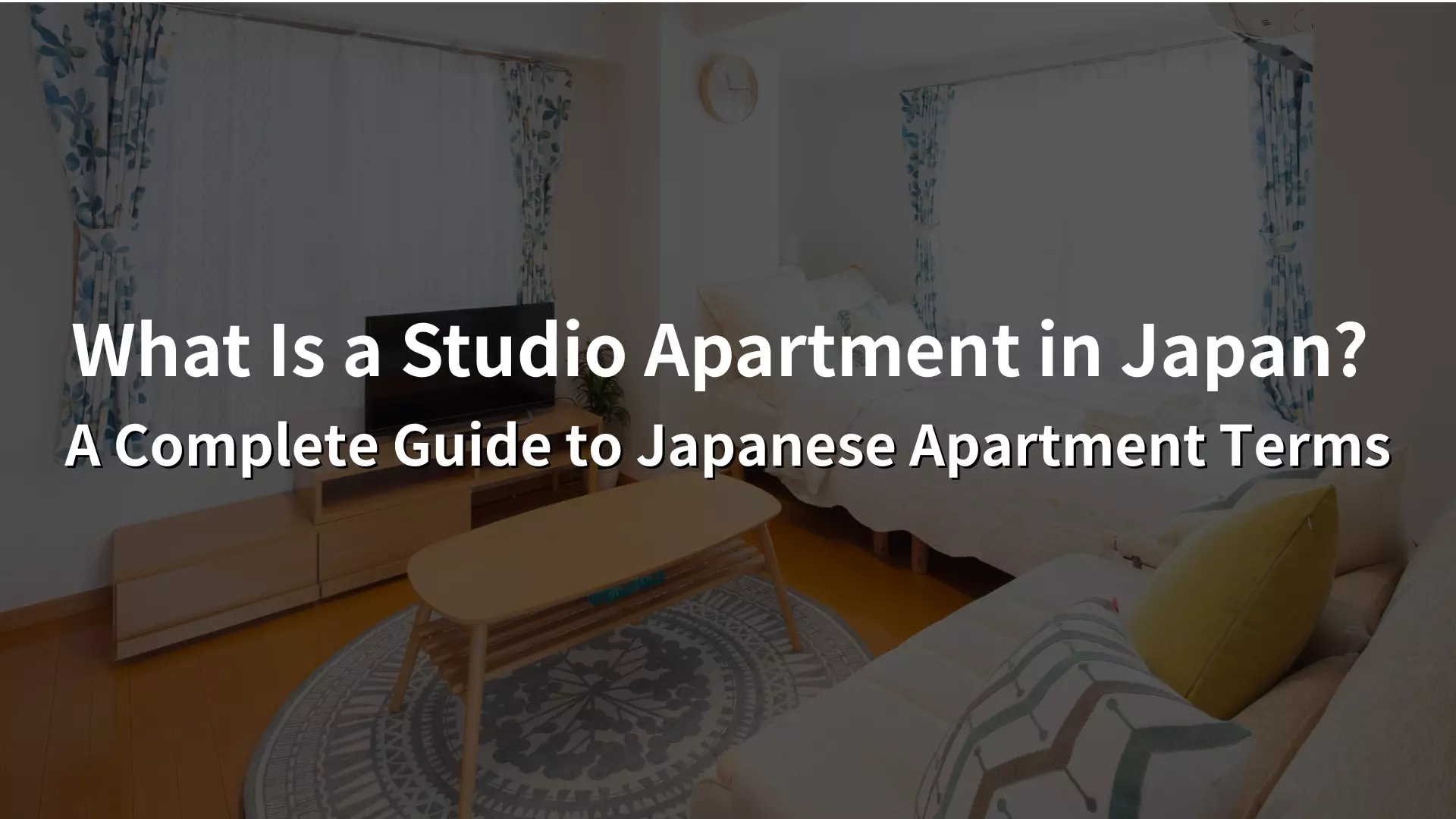
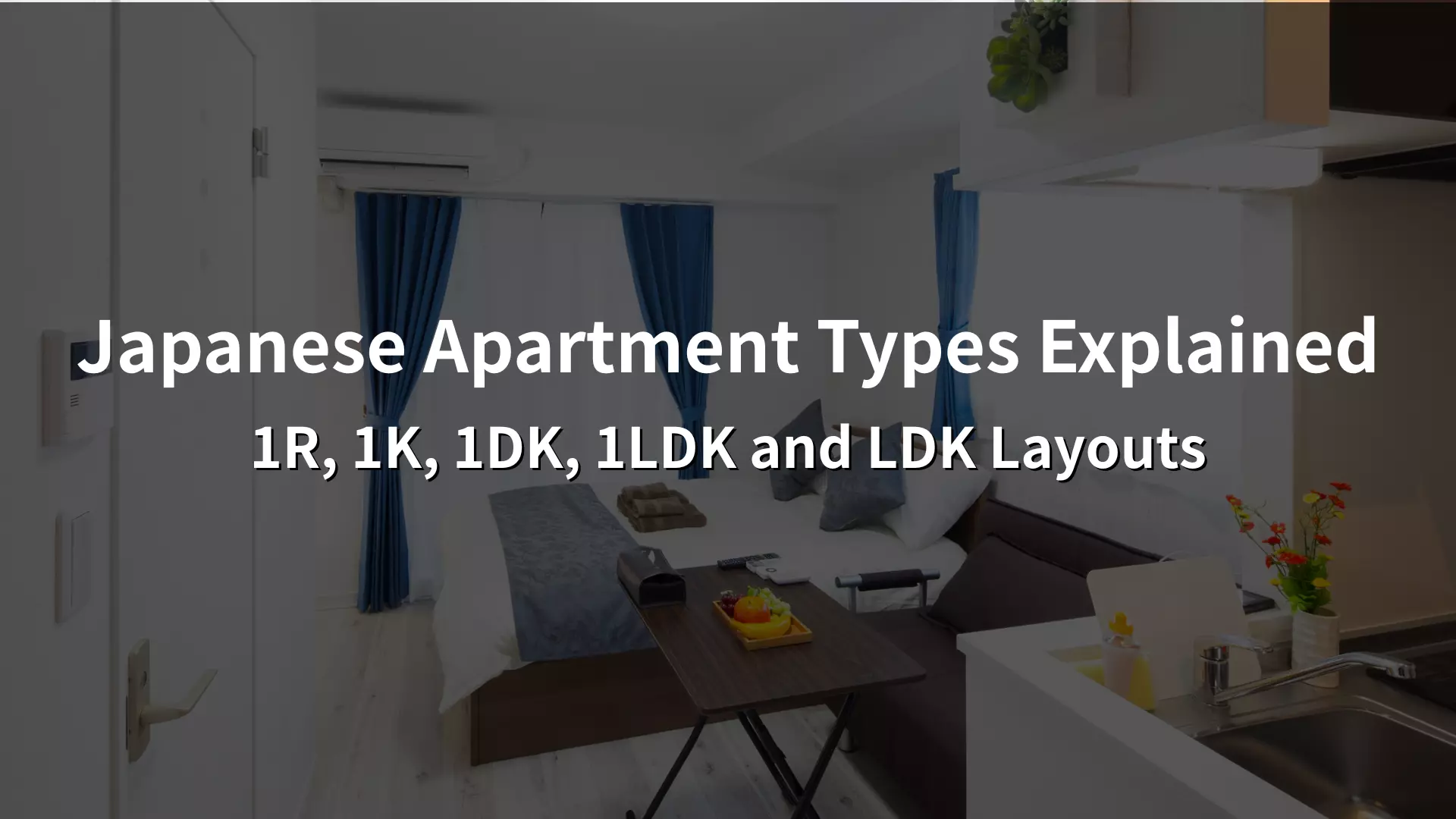
Japanese apartments use a unique naming system. A 1R (one room) is a studio where the kitchen area is part of the living space. A 1K has a separate kitchen, while a 1DK includes a dining area with the kitchen. A 1LDK adds a living room to the dining and kitchen space. The numbers indicate additional bedrooms, so a 2LDK has two bedrooms plus a living, dining, and kitchen area.
Size Measurements
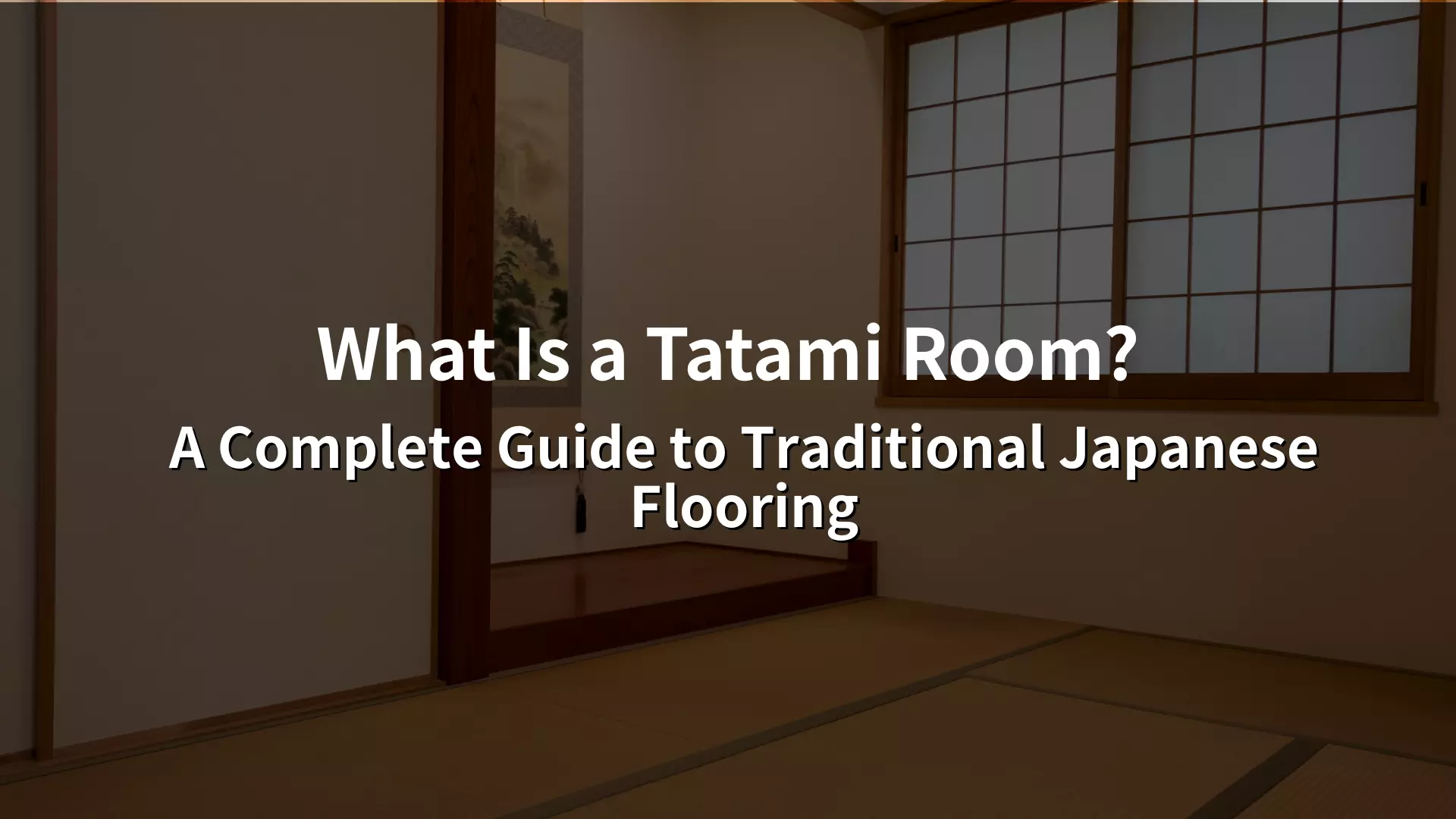
Room sizes in Japan are often measured in tatami mats (jo). One tatami mat equals approximately 1.62 square meters or 17.4 square feet. A six-tatami room is about 9.7 square meters, which is typical for a bedroom in a Japanese apartment.
Common Listing Terms
When browsing listings, you will encounter terms like chintai (rental), teikishakuya (fixed-term lease), and genkan (entryway). Properties marked as pet-friendly are labeled pet kano, while those accepting foreigners might indicate gaikokujin kano. Understanding these terms will save you time when searching for suitable properties.
Search for a room
Only furnished properties with appliances are listed!
The Japanese Rental Contract: What You Need to Know
Japanese rental contracts differ significantly from those in Western countries. Here is what you should understand before signing.
Contract Types
Most rentals use either a standard two-year contract (futsu chintai keiyaku) or a fixed-term contract (teiki shakuya keiyaku). Standard contracts automatically renew, usually with a renewal fee of one month rent. Fixed-term contracts end on a specific date without the option to renew, though a new contract may be negotiated.
The Guarantor Requirement
Traditional Japanese rentals require a guarantor (hoshounin) who is a Japanese citizen or permanent resident willing to take financial responsibility if you cannot pay rent. Since most foreigners do not have such connections, guarantor companies (hoshougaisha) have become common. These companies charge a fee but allow foreigners to rent without a personal guarantor.
Share houses typically do not require guarantors, making them a more accessible option for newcomers. XROSS HOUSE properties, for instance, have no guarantor requirement, simplifying the rental process significantly.
Move-Out Procedures
When leaving a rental in Japan, you typically need to give notice one to two months in advance. The property must be returned in its original condition, which may require professional cleaning. Your security deposit will be used to cover any necessary repairs or cleaning costs, with the remainder refunded to you.
Popular Housing Areas in Tokyo
Tokyo offers diverse neighborhoods, each with its own character and price range. Here are some popular areas for foreigners.
Central Tokyo
Shibuya, Shinjuku, and Ikebukuro offer convenience and nightlife but come with higher rents. These areas are ideal for young professionals who want to be in the heart of the action. Expect to pay premium prices for the central location and easy access to multiple train lines.
Residential Areas
Neighborhoods like Nakano, Koenji, and Sangenjaya offer a more local atmosphere with lower rents while still providing good access to central Tokyo. These areas are popular with those seeking a balance between convenience and affordability.
Eastern Tokyo
Areas east of the Sumida River, such as Kinshicho, Ojima, and Kasai, offer more affordable housing options while remaining well-connected via train and metro lines. These neighborhoods have seen significant development in recent years and offer great value for budget-conscious renters.
Search for a room
Only furnished properties with appliances are listed!
Moving In and Setting Up Utilities
Once you have secured your new home, there are several steps to complete before and after moving day.
Before Moving Day
Contact utility companies (electricity, gas, and water) at least one week before moving to ensure services are activated on your move-in date. If you are moving from another address in Japan, you will also need to submit a change of address form at your local ward office.
Moving Companies in Japan
Japanese moving companies are known for their exceptional service. Companies like Sakai, Art, and Nittsu offer various plans ranging from budget-friendly single-person packages to full-service family relocations. Many offer online quotes and English support. Moving costs vary based on distance, amount of belongings, and time of year, with March being the busiest and most expensive month.
Setting Up Internet and Other Services
Internet installation in Japan typically requires a two to four week lead time. Popular providers include NTT, SoftBank, and au hikari. Alternatively, pocket WiFi devices offer a quick solution while waiting for home internet installation. Many share houses include WiFi in the rent, eliminating this hassle entirely.
Why Share Houses Are the Smart Choice for Newcomers
For foreigners just arriving in Japan, share houses offer numerous advantages over traditional apartments.
Lower Upfront Costs
Share houses typically require only the first month rent and a modest deposit to move in. Without key money, agency fees, or guarantor company costs, you can start your Japan life with significantly less financial burden. This is especially valuable when you are also covering travel expenses and settling-in costs.
Fully Furnished Living
Most share houses come fully furnished with beds, desks, storage, and shared appliances like washing machines and refrigerators. This eliminates the need to purchase furniture and appliances, which can easily cost several hundred thousand yen when starting from scratch.
Community and Support
Living in a share house provides built-in opportunities to meet people and build friendships. Many residents are fellow foreigners or Japanese people interested in international exchange, creating a supportive community during your transition to life in Japan. Staff are also available to help with questions and issues, providing peace of mind for newcomers.
Flexibility
Share house contracts are often more flexible than traditional leases, with some offering month-to-month options after an initial period. This flexibility is perfect for those who are not yet certain about their long-term plans in Japan or who want to explore different neighborhoods before committing to a longer-term rental.
XROSS HOUSE: Your Gateway to Tokyo Living
XROSS HOUSE operates numerous share houses across Tokyo, from bustling Shibuya to quiet residential neighborhoods. With English support, no guarantor requirements, transparent pricing, and properties starting from affordable monthly rates, XROSS HOUSE makes finding housing in Japan simple and stress-free.
Whether you are moving to Japan for work, study, or adventure, XROSS HOUSE provides the perfect starting point for your new life in Tokyo. Contact us today to find your ideal share house and start your Japan journey with confidence.
Conclusion
Finding housing in Japan as a foreigner does not have to be overwhelming. By understanding the rental market, knowing what costs to expect, and considering alternatives like share houses, you can find the perfect place to live.
Whether you choose a traditional apartment or a share house, the key is to start your search early, understand the requirements, and work with services that support foreign residents. With proper preparation and the right resources, you will be settling into your new Japanese home in no time.
Ready to start your housing search? Explore XROSS HOUSE properties today and discover how easy moving to Japan can be.