What Is a Minimum Stay Apartment in Japan?
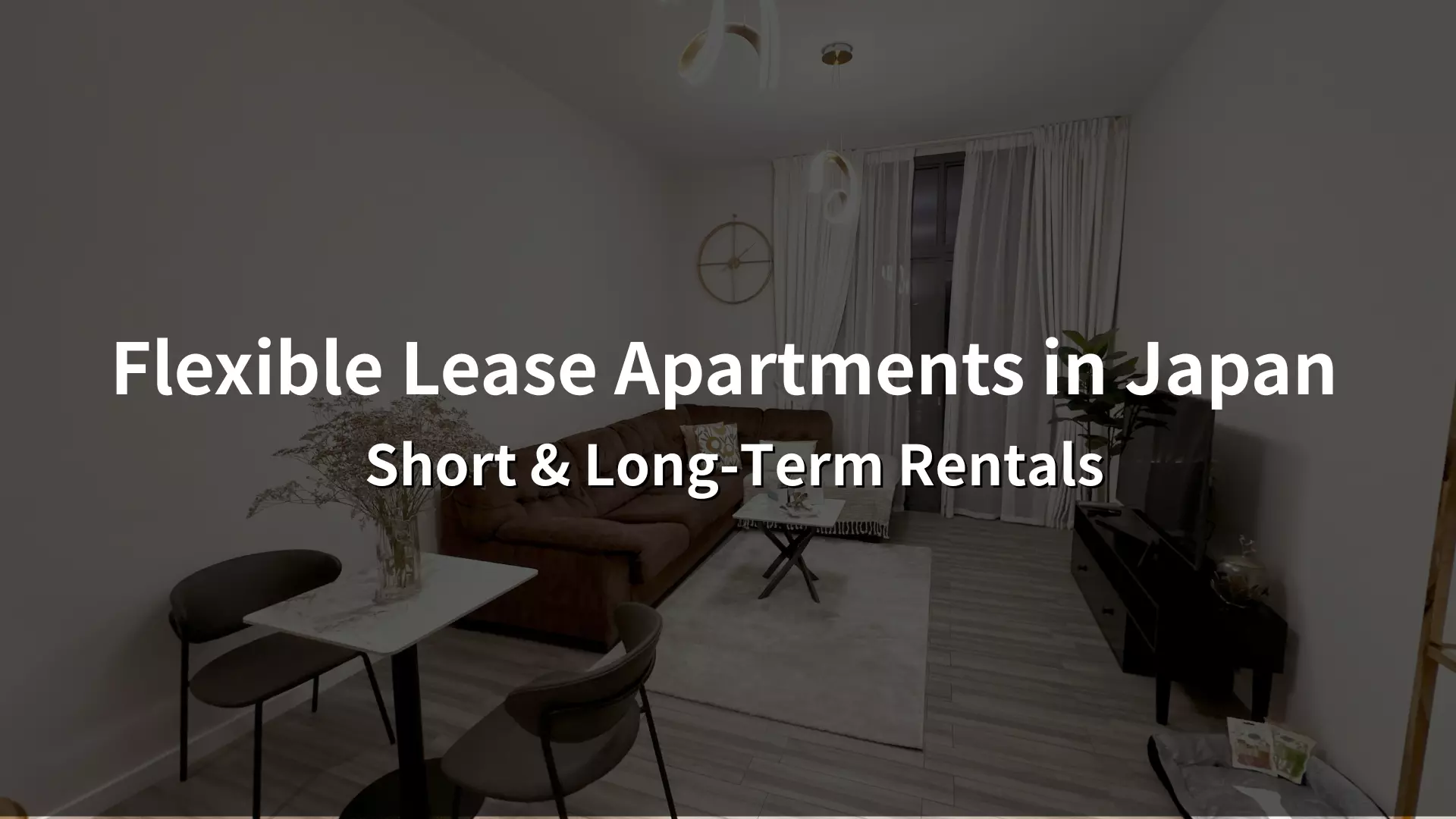
A minimum stay apartment in Japan is a furnished rental unit available for contracts as short as one month. Unlike standard Japanese apartment leases — which typically require a two-year commitment along with key money, a guarantor, and several months of upfront payments — minimum stay apartments are designed to be accessible, flexible, and foreigner-friendly.
These rentals are sometimes called monthly apartments, short-stay apartments, or furnished rentals. They are popular among business travelers, international students, remote workers, and anyone relocating to Japan who needs a temporary base before committing to a longer arrangement.
How Long Is the Typical Minimum Stay?
Most minimum stay apartments in Japan require a minimum contract of 30 days. Some providers, particularly in the share house and serviced apartment space, allow stays of up to 24 months on a rolling monthly basis. This flexibility is one of the biggest advantages over traditional Japanese leases, where early termination penalties can be significant.
At XROSS HOUSE, the minimum stay is one month, with the option to extend month by month based on your schedule. This makes it easy to adjust your stay as plans change without worrying about breaking a long-term lease.
How Is This Different from a Regular Apartment Rental in Japan?
The difference comes down to three things: length, setup, and cost structure. A standard Japanese apartment lease requires you to sign a two-year contract, pay key money (a non-refundable gift to the landlord), provide a Japanese guarantor, and furnish the unit yourself. The total initial cost can easily reach 500,000 yen or more before you move in.
Minimum stay apartments eliminate most of these barriers. There is no key money, no long-term commitment, no guarantor required in most cases, and the unit comes fully furnished. You can move in with just a suitcase.
Why Choose a Minimum Stay Apartment Over Other Options?
If you are staying in Japan for more than a week or two, a minimum stay apartment almost always makes more financial and practical sense than a hotel. Here is why.
Flexibility Without a Long-Term Commitment
Life does not always follow a fixed timeline. Whether you are waiting for a long-term lease to begin, finishing up a work project, or exploring whether you want to settle in Japan for the long term, a flexible monthly rental keeps your options open. You are not locked in, and you are not penalized for changing your mind.
This is especially valuable for visa holders on short-term work or student visas, who may not know exactly how long they will need housing in Japan.
Fully Furnished — Move In with Just a Suitcase
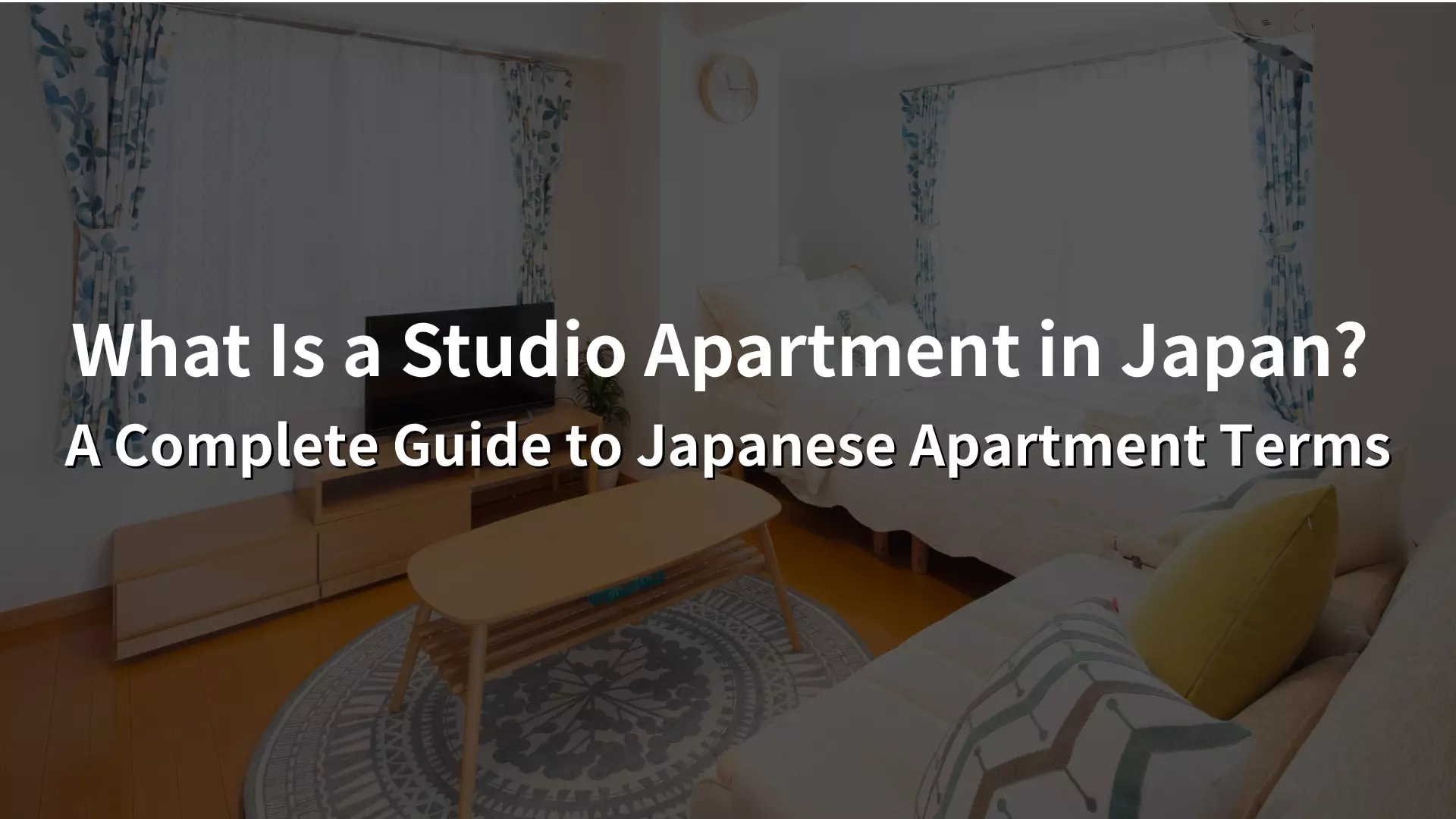
Most minimum stay apartments come equipped with a bed, bedding, kitchen appliances, washing machine, WiFi, and everything you need to live comfortably from day one. This eliminates the cost and hassle of sourcing furniture — which, if you are new to Japan and do not speak Japanese, can be a major challenge.
XROSS HOUSE rooms include a bed, desk, storage, and air conditioning, with access to a fully equipped shared kitchen and comfortable common areas. Everything you need is ready from the moment you arrive.
Lower Upfront Costs Compared to Traditional Leases
The upfront cost of a traditional Japanese apartment lease can be prohibitively high for foreigners. Key money, a refundable deposit, the first and last month's rent, and agency fees can total hundreds of thousands of yen before you have spent a single night in the apartment.
Minimum stay apartments typically charge only a deposit and the first month's payment. Many providers, including XROSS HOUSE, offer all-inclusive pricing that bundles utilities and internet into a single monthly fee — so there are no surprise bills at the end of the month.
Better Value Than a Hotel for Long Stays
A business hotel in Tokyo costs roughly 8,000 to 20,000 yen per night depending on location. Even a budget hotel over 30 days can total 240,000 yen or more — and you still will not have a kitchen, a washing machine, or a living space that feels like home.
A furnished monthly apartment in Tokyo starts from around 50,000 to 80,000 yen per month in a share house setting, and 100,000 to 200,000 yen for a private furnished studio. For stays of a month or longer, the savings compared to a hotel are significant.
Search for a room
Only furnished properties with appliances are listed!
What to Watch Out For When Renting a Short-Term Apartment in Japan
Minimum stay apartments are convenient, but they are not without caveats. Here are the most important things to understand before signing a contract.
Monthly Rent Can Still Add Up — Especially in Central Tokyo
Short-term furnished rentals are priced for convenience, and that convenience comes at a cost. Monthly rents in central Tokyo neighborhoods like Shibuya, Shinjuku, and Minato can be significantly higher per square meter than long-term leases in the same area. If you are planning to stay for six months or longer, it is worth considering whether a traditional lease might be more cost-effective.
That said, for stays under six months, or for anyone who values flexibility over savings, the monthly rental model is almost always the better choice.
Utilities and What Is — and Is Not — Included
Not all short-term rentals in Japan include utilities. Some providers charge separately for electricity, gas, water, and internet — which can add 15,000 to 30,000 yen per month on top of the listed rent. Always confirm whether the quoted price is all-inclusive before committing to a contract.
XROSS HOUSE offers transparent, all-inclusive monthly pricing that covers utilities and high-speed internet, so you know exactly what you are paying each month.
Cleaning Fees and Security Deposits
Many short-term rental providers charge a cleaning fee at the end of your stay, particularly serviced apartments and vacation-style rentals. This fee can range from 10,000 to over 50,000 yen depending on the property. A security deposit — typically one to two months' rent — is also common and is returned when you leave if the room is in good condition.
Read the contract carefully before signing, and make sure you understand exactly what conditions need to be met for a full deposit return.
Privacy Considerations in Shared Housing
Share houses offer the most affordable minimum stay options in Japan, but they do involve living alongside other people. Common areas such as kitchens, bathrooms, and lounges are shared, and noise levels or cleanliness standards can vary by property.
XROSS HOUSE maintains clear house rules and provides private rooms for all residents, striking a balance between affordability and personal space. English-language support is available for any questions or issues during your stay.
Types of Minimum Stay Accommodation Available in Japan
There are several different types of short-term housing in Japan, each suited to different needs and budgets.
Furnished Monthly Apartments (Private Studios)
These are self-contained studio or one-bedroom units that come fully furnished and ready to move into. They offer complete privacy along with your own kitchen and bathroom. Monthly rents typically start around 100,000 yen and increase from there in central Tokyo locations. This option suits people who prioritize privacy and do not want to share any living space.
Share Houses — The Most Affordable Option
Share houses are the most budget-friendly form of minimum stay accommodation in Japan. Residents have their own private rooms but share common spaces such as the kitchen, living room, and bathroom. Monthly rents can be as low as 40,000 to 60,000 yen in Tokyo depending on location and room size.
Beyond the cost advantage, share houses also offer a built-in community — particularly valuable for foreigners new to Japan who want to meet people, practice Japanese, or avoid the isolation of living alone in a new city. XROSS HOUSE operates a network of share houses across Tokyo with a strong international resident community.
Serviced Apartments and Corporate Housing
Serviced apartments offer hotel-style amenities — including regular cleaning, concierge support, and sometimes gym access — combined with apartment-style living. They are popular with corporate travelers and expats on company-sponsored packages, but monthly rents can range from 200,000 to 500,000 yen or more in central locations. For most independent travelers or early-career professionals, share houses or furnished studios offer better value.
Search for a room
Only furnished properties with appliances are listed!
Why XROSS HOUSE Is a Great Option for Minimum Stay Living in Tokyo
XROSS HOUSE is a Tokyo-based share house provider with properties across desirable and well-connected neighborhoods including Ikebukuro, Sangenjaya, Takadanobaba, Toyosu, and more. For foreigners looking for a minimum stay apartment in Japan, XROSS HOUSE combines affordability, flexibility, and hands-on support in a way that is difficult to match.
1-Month Minimum Stay with Flexible Month-by-Month Extensions
XROSS HOUSE contracts start at one month, with the option to extend as long as you need on a rolling monthly basis. There is no pressure to commit to a fixed end date, and extending your stay is handled simply and online. This makes XROSS HOUSE ideal for people whose plans may shift — whether you are waiting on a job offer, managing a visa situation, or just deciding whether Tokyo is the right long-term fit.
Fully Furnished Private Rooms in Prime Tokyo Locations
Every XROSS HOUSE room comes furnished with a bed, desk, wardrobe, and air conditioning, with access to a fully equipped shared kitchen, living room, and laundry facilities. Properties are located near major train stations with direct access to central Tokyo, making commuting, sightseeing, and daily life convenient from day one.
Because XROSS HOUSE buildings are situated in real residential neighborhoods rather than tourist areas, residents get an authentic Tokyo living experience while still having easy access to everything the city has to offer.
English-Language Support for International Residents
Navigating the housing market in Japan as a foreigner can be complicated, especially if you do not speak Japanese. XROSS HOUSE offers bilingual support for move-in, contracts, and any questions that come up during your stay. The entire inquiry and application process can be completed in English, and staff are available to assist with the transition to Tokyo life.
Transparent, All-Inclusive Monthly Pricing — No Hidden Fees
XROSS HOUSE monthly fees include your private room, utilities (electricity, gas, water), high-speed internet, and access to all shared facilities. There is no key money, no separate utility billing, and no unexpected charges at the end of the month. Move-in requires only a straightforward deposit and first month's payment to get started.
How to Find and Book a Minimum Stay Apartment in Japan
The process of finding and booking a short-term rental in Japan has become significantly more accessible in recent years, with most providers offering online applications and English-language support from start to finish.
What Documents Do You Need?
For most minimum stay apartments and share houses in Japan, you will need: a valid passport, documentation of your visa status (tourist, work, student, or otherwise), and a method of payment — international credit cards are generally accepted. Some providers may request a copy of your travel itinerary or an emergency contact based in Japan, but a guarantor is typically not required for short-term furnished rentals.
XROSS HOUSE's application process is fully online and the team will guide you through exactly what is needed during the inquiry stage.
How to Inquire and Sign a Lease Online
Most reputable providers — including XROSS HOUSE — allow you to browse available rooms, review pricing, and submit an inquiry or application directly through their website. Lease agreements can typically be signed digitally, which means you can arrange your Tokyo housing before you even board your flight.
To get started with XROSS HOUSE, visit x-house.co.jp, browse available rooms by location and preferred move-in date, and submit an inquiry through the contact form. The team will respond with availability information, pricing details, and next steps.
Search for a room
Only furnished properties with appliances are listed!
Frequently Asked Questions About Minimum Stay Apartments in Japan
Can foreigners rent apartments in Japan on a short-term basis?
Yes. While traditional Japanese apartment leases can be difficult for foreigners to access due to guarantor requirements and language barriers, minimum stay apartments and share houses are specifically designed to accommodate international residents. Many providers, including XROSS HOUSE, offer English support throughout the process.
Is a 1-month lease actually possible in Tokyo?
Yes, and it is increasingly common. Many furnished apartment providers and share houses in Tokyo offer contracts starting from 30 days, with the option to extend month by month. XROSS HOUSE offers this as a standard feature of all its rental agreements.
Do I need a Japanese guarantor for a short-term rental?
In most cases, no. Short-term furnished rentals and share houses typically do not require a Japanese guarantor, which is one of the main reasons they are popular with foreigners new to the country. Traditional leases almost always require one, making them difficult to access without an established network in Japan.
How much does a minimum stay apartment in Tokyo cost per month?
Prices vary widely depending on location, room size, and what is included. Share houses in Tokyo start from around 50,000 to 80,000 yen per month for a private room with shared facilities. Private furnished studios typically start from 100,000 yen and can increase significantly in central neighborhoods like Shibuya or Minato. All-inclusive options like XROSS HOUSE make monthly budgeting straightforward, since utilities and internet are bundled into a single fee.
What is the difference between a share house and a monthly apartment?
A share house provides a private room in a shared residence, where common areas like the kitchen and living room are used by all residents. A monthly furnished apartment is a fully self-contained unit with its own kitchen and bathroom. Share houses are more affordable and community-oriented; monthly apartments offer more privacy at a higher cost. The right choice depends on your budget, lifestyle, and how long you plan to stay.
Ready to Find Your Minimum Stay Apartment in Tokyo?
Whether you are arriving in Tokyo for a month-long work project, an extended study program, or simply to experience what it is like to live in one of the world's most vibrant cities, finding the right housing should not be stressful.
XROSS HOUSE offers fully furnished private rooms across Tokyo's most accessible neighborhoods, with flexible 1-month minimum contracts, English-language support, and all-inclusive monthly pricing. No key money, no guarantor, no hidden fees, and no long-term commitment required.