Why Choose Sangenjaya for Your Apartment in Tokyo?
Sangenjaya sits at the heart of Setagaya Ward, Tokyo’s most populated residential ward. The neighborhood’s name dates back to the Edo period, when three teahouses (san-gen-jaya) lined the road as rest stops for travelers. Today, that hospitality lives on in the area’s dense network of independent restaurants, cozy izakaya, stylish coffee shops, and local boutiques.
Unlike the towering neon-lit blocks of Shibuya or Shinjuku, Sangenjaya retains a human-scale streetscape. Chazawa-dori, the main shopping street, is lined with everything from artisan bakeries to vintage clothing stores. The 26-story Carrot Tower, a local landmark, houses retail shops, a public observation deck, and cultural facilities, making it a hub for daily life.
What truly sets Sangenjaya apart is its community atmosphere. Local festivals, weekend markets, and neighborhood events are common throughout the year. Many celebrities and creatives call the area home, giving it an understated cool factor without the tourist crowds. For foreigners, this translates into a welcoming, culturally rich environment where you can experience everyday Tokyo life at its finest.
Sangenjaya also benefits from excellent safety, clean streets, and a variety of supermarkets—including several open 24 hours—pharmacies, clinics, and public parks. Setagaya Park, the ward’s largest green space, is within walking distance and offers a peaceful escape for jogging, picnics, or simply unwinding.
Average Rent for Sangenjaya Apartments (Studio to 2LDK)
Rent in Sangenjaya is moderate by central Tokyo standards. You’ll pay less than you would in Shibuya, Ebisu, or Nakameguro, yet enjoy comparable access and livability. Below is a general guide to monthly rent ranges near Sangenjaya Station.
| Apartment Type | Size (approx.) | Monthly Rent (JPY) |
| Studio / 1R | 15–20 m² | ¥65,000 – ¥95,000 |
| 1K / 1DK | 20–28 m² | ¥80,000 – ¥120,000 |
| 1LDK | 30–45 m² | ¥120,000 – ¥200,000 |
| 2LDK | 45–60 m² | ¥180,000 – ¥300,000 |
| Share House (private room) | Varies | ¥30,000 – ¥65,000 |
Rent varies based on building age, distance from the station, floor level, and included amenities. Properties built after 2010 with auto-lock entry systems and modern interiors tend to command higher rents. Conversely, older buildings within a 10-minute walk of the station can offer surprisingly affordable options, especially for studios and 1K layouts.
Search for a room
Only furnished properties with appliances are listed!
Types of Apartments in Sangenjaya
Studio / 1R / 1K Apartments
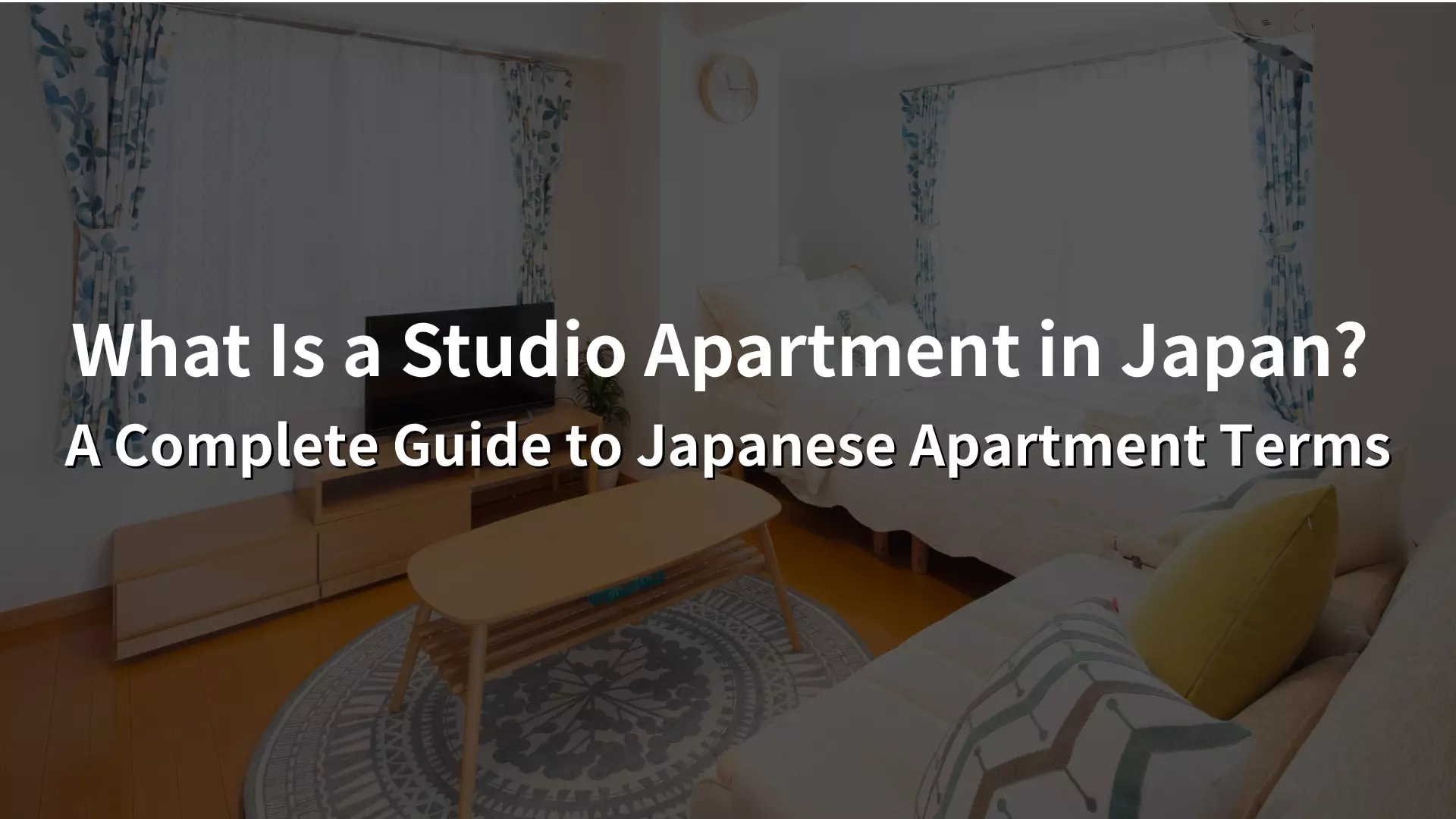
Studios and 1R (one-room) apartments are the most common rental type for solo renters in Sangenjaya. A 1R features a single room with a kitchenette in the entryway, while a 1K provides a separate kitchen space. These compact units typically range from 15 to 25 square meters and are ideal for students, young professionals, and anyone looking to minimize housing costs while staying close to Shibuya.
1LDK / 2LDK Apartments
For those who need more space—such as couples, remote workers, or small families—a 1LDK (one bedroom plus a living-dining-kitchen area) or 2LDK (two bedrooms) provides significantly more room. These apartments typically start at 30 square meters and can go up to 60 or more. In Sangenjaya, 1LDK units are popular among young couples and professionals who want a dedicated workspace alongside their living area.
Furnished Apartments
Furnished apartments come equipped with essential furniture and appliances such as a bed, desk, refrigerator, washing machine, and sometimes a TV. They are particularly popular among expats on short-to-medium-term assignments and newcomers who want to move in without the hassle and expense of furnishing a place from scratch. While less common in traditional listings, furnished options are growing in Sangenjaya, especially through share house operators and serviced apartment providers.
Share Houses
Share houses have become one of the most popular housing options for foreigners in Tokyo, and Sangenjaya has an excellent selection. In a typical share house, you rent a private, lockable room while sharing common areas like the kitchen, bathroom, and living room with other tenants. This dramatically reduces both rent and initial costs. Operators like XROSS HOUSE offer multiple properties in the Sangenjaya area, with private rooms starting from around ¥30,000 per month—fully furnished with a bed, TV, refrigerator, and desk, plus free weekly cleaning service. Share houses are especially appealing for those who value community, want to make international friends, and prefer a hassle-free move-in process.
Best Areas Around Sangenjaya Station
Near the Tokyu Den-en-toshi Line
The area immediately surrounding Sangenjaya Station along the Tokyu Den-en-toshi Line is the most convenient and lively part of the neighborhood. You’ll find Carrot Tower, the main shopping streets, and a dense cluster of restaurants, cafes, and convenience stores. Living within a five-minute walk of the station means you’ll have practically everything at your doorstep, though rents in this zone tend to be higher.
Quiet Residential Streets (Taishido / Wakabayashi)
Walk just 7 to 12 minutes south or east of the station and you’ll find yourself in calm, tree-lined residential streets. Areas like Taishido and Wakabayashi are popular with residents who prefer a quieter atmosphere while still being close to the station. These neighborhoods offer slightly lower rents and a more peaceful day-to-day living experience, with local parks, small temples, and family-run shops adding to the charm.
Areas with Easy Access to Shibuya (Ikejiri-Ohashi Direction)
The area between Sangenjaya and Ikejiri-Ohashi Station (one stop closer to Shibuya) offers a great middle ground for those who commute to Shibuya daily. Ikejiri-Ohashi is within walking distance of both Sangenjaya and Shibuya, and the streets connecting these stations feature a mix of residential buildings, local cafes, and small parks. Rent here can be slightly lower than right at Sangenjaya Station, while the commute advantage is excellent.
Search for a room
Only furnished properties with appliances are listed!
Transportation & Access from Sangenjaya
Sangenjaya Station is served by two Tokyu Corporation lines: the Den-en-toshi Line and the Setagaya Line. The Den-en-toshi Line is the primary commuter route, putting Shibuya just two stops and approximately four minutes away. Express trains stop at Sangenjaya, making the connection even faster.
Beyond Shibuya, the Den-en-toshi Line provides through-service with the Tokyo Metro Hanzomon Line, giving you direct, transfer-free access to major business and cultural hubs including Omotesando, Aoyama-itchome, Jimbocho, Otemachi (Tokyo Station area), and Oshiage (near Tokyo Skytree). This through-service is a significant advantage for professionals working in central Tokyo.
Here are approximate travel times from Sangenjaya Station to major destinations:
| Destination | Approx. Travel Time |
| Shibuya | 4 minutes |
| Omotesando | 8 minutes |
| Otemachi (Tokyo Station) | 25 minutes |
| Shinjuku | 18 minutes (1 transfer) |
| Ikebukuro | 25 minutes (1 transfer) |
| Shimokitazawa | 13 minutes (Setagaya Line / bus) |
| Roppongi | 20 minutes (1 transfer) |
| Futako-Tamagawa | 10 minutes |
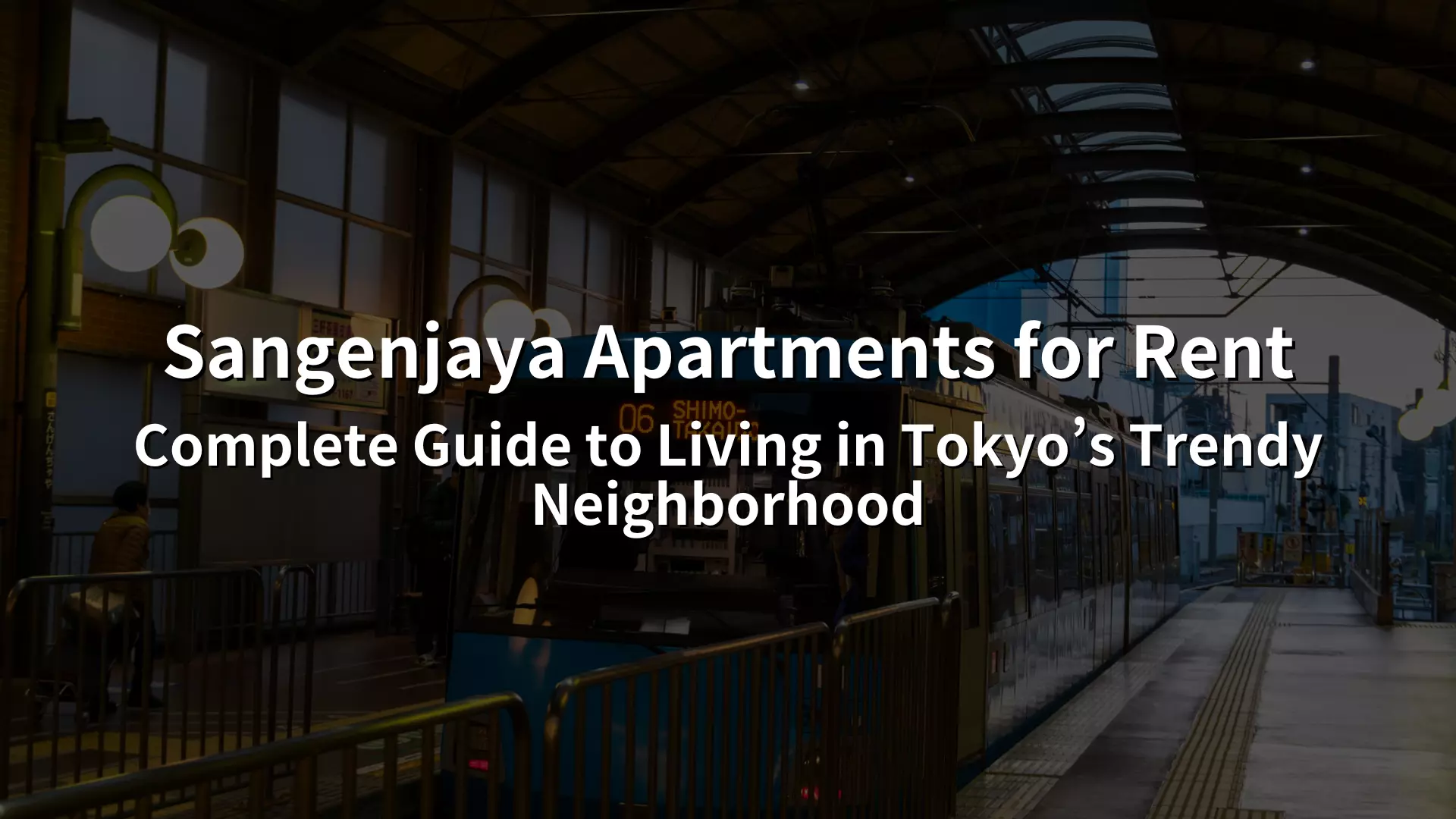
The Tokyu Setagaya Line, a charming two-car tram, connects Sangenjaya to Shimokitazawa’s neighboring station (Yamashita, near Shimokitazawa). This local line runs through quiet residential areas and provides a nostalgic, uniquely Tokyo commuting experience.
Bus service is also well-developed, with Tokyu Bus and Odakyu Bus routes running to Shibuya, Meguro, and surrounding areas. For those who prefer cycling, Sangenjaya’s relatively flat terrain and proximity to Shibuya make it an easy bike commute of about 15 minutes.
Can Foreigners Rent Apartments in Sangenjaya?
Yes, foreigners can absolutely rent apartments in Sangenjaya. However, the Japanese rental market does present some unique challenges for non-Japanese tenants. Understanding these in advance will save you time and frustration.
Common Challenges
Some landlords in Japan are hesitant to rent to foreigners due to concerns about language barriers, cultural differences, or unfamiliarity with Japanese rental customs. This is not universal, and the situation has improved significantly in recent years—especially in popular expat-friendly areas like Setagaya Ward. However, you may encounter properties listed as “Japanese-only” on certain platforms.
How to Improve Your Chances
Working with a real estate agency that specializes in serving foreign tenants is the single most effective strategy. Agencies such as those listed on GaijinPot, Real Estate Japan, and apts.jp curate foreigner-friendly listings and provide English-speaking support. Additionally, having a valid visa, proof of income or employment, and a Japanese phone number will strengthen your application significantly.
Guarantor Companies
Most rental contracts in Japan require a guarantor (hoshounin)—someone who agrees to cover your obligations if you cannot. Since most foreigners don’t have a Japanese guarantor, guarantor companies (hoshougaisha) fill this role for a fee, typically 50% to 100% of one month’s rent. Many modern rental properties now accept guarantor companies as standard, so this is rarely a dealbreaker.
Share Houses: The Easiest Option for Foreigners
If navigating the traditional rental market feels overwhelming, share houses are by far the simplest path to housing in Sangenjaya. Operators like XROSS HOUSE are specifically set up to welcome international residents. There is no need for a guarantor, no key money, no deposit in many cases, and the entire process can be completed in English. This makes share houses the go-to choice for newcomers to Japan.
Search for a room
Only furnished properties with appliances are listed!
Initial Costs & Move-In Fees in Sangenjaya
One of the biggest surprises for foreigners moving to Japan is the high upfront cost of renting an apartment. In a traditional Japanese rental, you can expect to pay the equivalent of four to six months’ rent before you even move in. Here’s a breakdown of typical initial costs:
Deposit (Shikikin)
The security deposit is typically one to two months’ rent. It is partially refundable when you move out, minus any cleaning or repair charges. Some newer properties or properties eager to fill vacancies may offer zero-deposit terms.
Key Money (Reikin)
Key money is a non-refundable “thank you” payment to the landlord, usually equivalent to one to two months’ rent. This is a tradition unique to Japan and is one of the most significant upfront expenses. Increasingly, properties in competitive areas like Sangenjaya are reducing or eliminating key money to attract tenants.
Agency Fee (Chuukai Tesuuryou)
Real estate agents typically charge one month’s rent (plus tax) as a brokerage fee. Some agencies offer reduced fees or zero-fee campaigns, particularly for properties that are harder to fill.
Guarantor Fee
If you use a guarantor company, expect to pay 50% to 100% of one month’s rent as an initial fee, with smaller annual renewal charges thereafter.
Other Costs
Additional move-in expenses may include fire insurance (typically ¥15,000–¥25,000 for two years), lock-changing fees (¥15,000–¥25,000), and the first month’s rent paid in advance. All together, moving into a standard apartment in Sangenjaya with rent of ¥100,000 per month could require an initial outlay of ¥400,000 to ¥600,000.
Tip: Share houses like XROSS HOUSE eliminate most of these costs entirely—no deposit, no key money, and no agency fee—making them an ideal entry point for anyone who wants to start living in Sangenjaya without a massive upfront investment.
Short-Term & Furnished Apartment Options in Sangenjaya
Not everyone moving to Tokyo needs or wants a standard two-year lease. Whether you’re on a short-term work assignment, studying for a semester, or simply testing the waters before committing to a neighborhood, Sangenjaya offers several flexible housing options.
Serviced Apartments
Serviced apartments in the Sangenjaya area provide fully furnished, move-in-ready units with flexible lease terms ranging from one month to one year. These typically include utilities, internet, and regular cleaning in the rent. While more expensive per month than a standard lease, the all-inclusive pricing and zero upfront costs make them cost-effective for stays of one to six months.
Monthly Mansions (Manshuri Manshon)
Monthly mansions are another short-term option popular in Japan. These are standard apartments rented on a monthly basis with furniture and utilities included. They are widely available in the greater Sangenjaya and Setagaya area and can be booked online, often without the need for a Japanese guarantor.
Share Houses for Flexible Stays
Share houses are arguably the most flexible and affordable short-term option in Sangenjaya. XROSS HOUSE, for example, offers furnished private rooms with minimum stays as short as one month. With rent starting from around ¥30,000 per month and no traditional move-in fees, you can start living in Sangenjaya within days of arriving in Tokyo. Each room comes equipped with a bed, TV, refrigerator, and desk, while shared kitchens include cooking utensils, a microwave, and a rice cooker. A free weekly cleaning service keeps the common areas tidy.
For anyone who values flexibility, affordability, and a hassle-free experience, share houses represent the best value proposition in the Sangenjaya rental market.
Sangenjaya Apartments vs. Nearby Areas (Shibuya / Shimokitazawa)
Choosing a neighborhood in Tokyo often comes down to trade-offs between cost, convenience, and character. Here’s how Sangenjaya compares to two nearby alternatives:
| Factor | Sangenjaya | Shibuya | Shimokitazawa |
| Avg. 1K Rent | ¥80,000–¥120,000 | ¥100,000–¥160,000 | ¥75,000–¥110,000 |
| Time to Shibuya | 4 min | — | 3 min (Keio Inokashira) |
| Atmosphere | Trendy, local, calm | Busy, commercial | Bohemian, youthful |
| Foreigner-Friendly | High | Very High | Moderate |
| Dining & Nightlife | Excellent (hidden gems) | Extensive | Good (indie scene) |
| Supermarket Access | Many (24hr options) | Limited | Moderate |
| Share House Options | Many | Few | Moderate |
Sangenjaya offers the best balance of affordability, livability, and access. You get the culinary and cultural richness of a Tokyo hot spot, the convenience of being minutes from Shibuya, and the lower rent and quieter streets that come with living one step removed from the city’s commercial core. Shimokitazawa is slightly cheaper but lacks the direct Hanzomon Line through-service that Sangenjaya enjoys, and Shibuya itself is significantly more expensive with fewer supermarkets and residential amenities.
Who Should Live in Sangenjaya?
Young Professionals
If you work in Shibuya, Omotesando, or the Otemachi/Marunouchi business district, Sangenjaya gives you a short, direct commute without the premium rent of living right in the city center. The neighborhood’s dining scene and vibrant after-work atmosphere make it a natural fit for career-focused individuals who also want to enjoy their evenings.
Expats & International Workers
Sangenjaya’s combination of foreigner-friendly housing options, walkable daily amenities, and proximity to Shibuya’s international community makes it one of the top choices for expats. The area has a growing English-friendly infrastructure, and share house operators in the neighborhood are well-versed in helping international residents settle in.
Students
Several universities, including Showa Women’s University, are located near Sangenjaya Station. The affordable share house options—with private rooms from around ¥30,000 per month—make it feasible even on a student budget. The area’s youthful energy, cafes, and cultural activities add to its appeal as a student neighborhood.
Couples
For couples seeking a 1LDK or 2LDK in a neighborhood with character, Sangenjaya delivers. Weekend brunches at local cafes, evening strolls through the shopping streets, and easy day trips to Futako-Tamagawa or Shimokitazawa are all part of everyday life here. The area feels safe, clean, and community-oriented—qualities that couples consistently prioritize.
Find Foreign-Friendly Sangenjaya Apartments with XROSS HOUSE
If you’re looking for an affordable, hassle-free way to live in Sangenjaya, XROSS HOUSE is one of the best options available for foreigners in Tokyo. As one of the largest share house operators in the city, XROSS HOUSE manages multiple properties in and around Sangenjaya, all designed with international residents in mind.
Why choose XROSS HOUSE for your Sangenjaya apartment:
- Zero initial costs: No deposit, no key money, and no agency fee.
- Fully furnished private rooms: Bed, TV, refrigerator, desk, and storage included.
- Affordable rent starting from approximately ¥30,000/month.
- Free weekly cleaning service for shared areas.
- Excellent access: Shibuya in 4 minutes, Shinjuku in 18 minutes.
- Multilingual support: Available in English, Korean, Chinese, and more.
- No guarantor required—foreigner-friendly from application to move-in.
- Flexible minimum stay from one month.
XROSS HOUSE properties in the Sangenjaya area are located in quiet residential streets within walking distance of the station. The shared facilities—including kitchens with cooking utensils, microwaves, and rice cookers—make daily life comfortable and convenient. With 90% of their properties located within 20 minutes of major hubs like Shinjuku, Shibuya, and Ikebukuro, XROSS HOUSE is built for people who want to live in Tokyo’s best neighborhoods without the financial burden of a traditional lease.
Ready to find your room in Sangenjaya? Visit the XROSS HOUSE website at x-house.co.jp or contact them directly at 03-6712-4346 for English-language support. You can also reach out via LINE or WhatsApp for a quick consultation.
Summary: Is Sangenjaya the Right Place for You?
Sangenjaya is one of Tokyo’s best-kept secrets for apartment living—a neighborhood that delivers on convenience, culture, and community without the premium price tag of more commercialized areas. With Shibuya just four minutes away by train, direct access to central Tokyo via the Hanzomon Line, and a vibrant local dining and shopping scene, it checks nearly every box for foreign residents.
For those seeking a traditional apartment, Sangenjaya offers a range of options from compact studios to spacious 2LDK units, with rents that are noticeably lower than neighboring Shibuya or Nakameguro. For those who want to skip the complex move-in process and save on upfront costs, share houses like XROSS HOUSE provide fully furnished, foreigner-friendly rooms at a fraction of the price.
Whether you’re moving to Tokyo for the first time or looking to relocate to a neighborhood with more character and livability, Sangenjaya deserves a place at the top of your list. Start your search today and discover why so many residents—both Japanese and international—choose to call Sancha home.