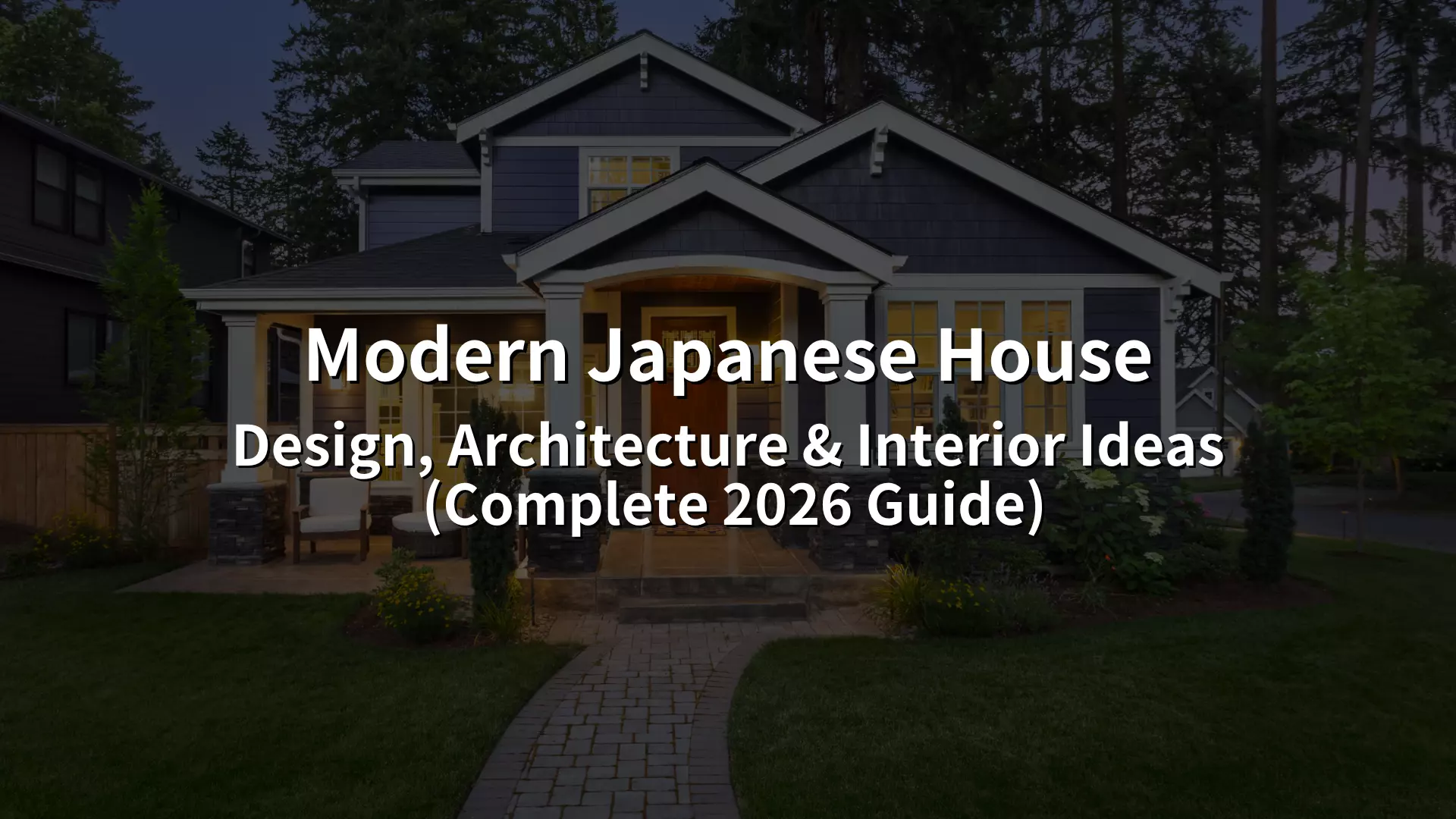
What Is a Modern Japanese House?
A modern Japanese house is a residential structure that incorporates contemporary architectural techniques while honoring the design philosophy rooted in Japanese culture. These homes are designed to create a seamless connection between indoor and outdoor spaces, emphasize natural light, and make the most of every square meter—especially important in densely populated areas like Tokyo.
Unlike purely traditional Japanese homes built entirely from wood with tatami rooms and shoji screens, modern Japanese houses blend these classic elements with steel, concrete, glass, and innovative spatial planning. The result is a living space that feels both timeless and forward-thinking, offering comfort for the people who call it home while maintaining the aesthetic beauty Japan is known for.
Modern Japanese residential architecture has gained global recognition, with renowned architects such as Tadao Ando, Kengo Kuma, and Sou Fujimoto pushing the boundaries of what a house can be. Their projects have helped define the image of the modern Japanese house as one of the most admired architectural styles worldwide.
Key Characteristics of Modern Japanese House Design
Modern Japanese house design stands out for several defining features that distinguish it from other architectural styles. Understanding these characteristics helps explain why so many people are drawn to this approach to residential living.
Minimalism and Clean Lines
At the heart of every modern Japanese house is the principle of minimalism. Spaces are kept uncluttered, with each design element serving a clear purpose. Clean lines dominate both the exterior and interior, creating a sense of calm that defines the Japanese approach to life at home. Rooms feel open and spacious, even in compact floor plans, because unnecessary ornamentation is eliminated.
Natural Light and Ventilation
Japanese architects place great emphasis on natural light. Large windows, skylights, courtyards, and strategically placed openings allow sunlight to flood interior spaces throughout the day. This design philosophy not only reduces energy costs but also creates a beautiful connection with the natural world outside. Ventilation is equally important, with open layouts and cross-ventilation features designed to keep the home comfortable in Japan’s humid summers.
Indoor-Outdoor Connection
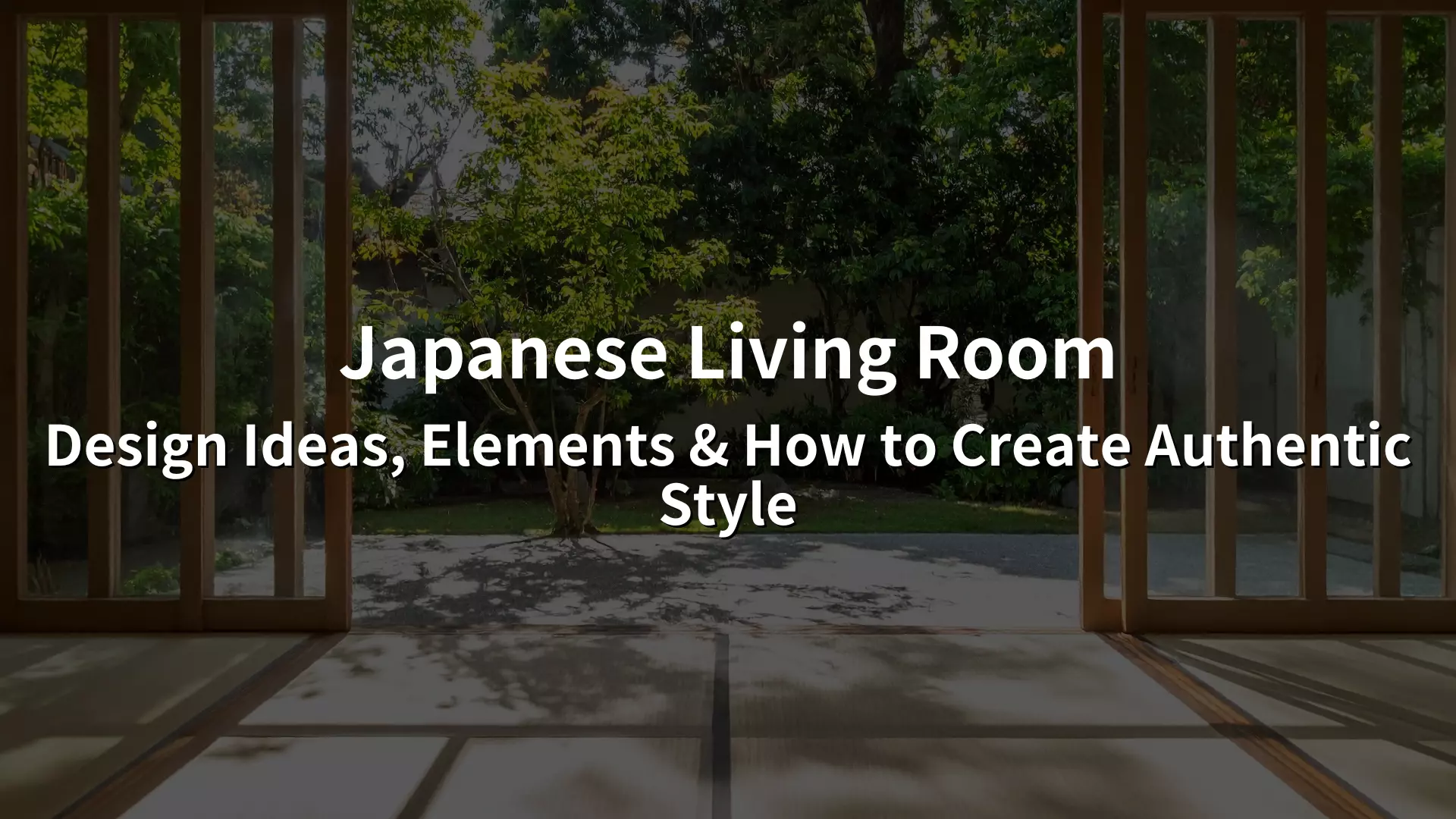
Blurring the boundary between inside and outside is a hallmark of modern Japanese house design. Engawa (covered verandas), interior gardens, glass walls, and open terraces extend the living area beyond the walls of the house. This connection to nature reflects a uniquely Japanese respect for the environment and the changing seasons.
Privacy Without Isolation
Despite being located in dense urban areas, modern Japanese houses are masterfully designed to provide privacy while still feeling open. High walls, frosted glass, staggered floor levels, and carefully placed windows ensure that residents enjoy seclusion without sacrificing light or a sense of space. This balance of privacy and openness is one of the most admired features of Japanese residential architecture.
Efficient Use of Space
With land at a premium in cities like Tokyo, modern Japanese architects have become world leaders in maximizing compact spaces. Built-in storage, multi-functional rooms, lofted areas, and double-height ceilings are common solutions. Even a small modern Japanese house can feel remarkably spacious thanks to these smart design strategies.
Search for a room
Only furnished properties with appliances are listed!
Traditional Elements That Influence Modern Japanese Houses
Modern Japanese houses do not exist in a vacuum—they are deeply influenced by centuries of traditional Japanese architecture. Many of the features that make these homes so unique have roots in classic design principles.
Tatami and Shoji
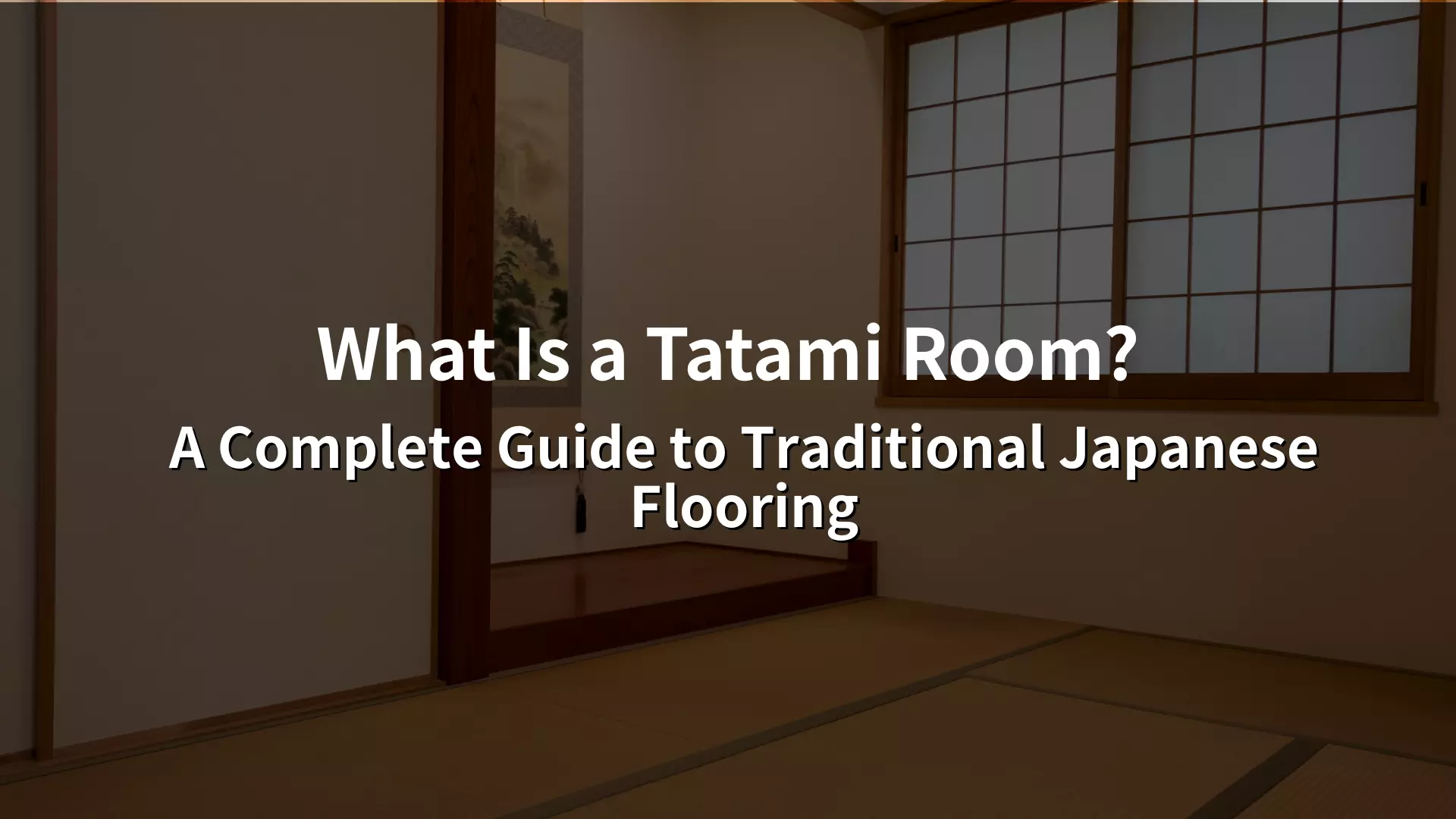
While not every room in a modern Japanese house features tatami mats, many homes include at least one traditional tatami room (washitsu). Shoji screens—sliding panels made of translucent paper and wood—are frequently adapted in modern designs to diffuse light and divide spaces without closing them off entirely.
Engawa and Genkan
The engawa (a transitional corridor between indoor and outdoor areas) and genkan (the entryway where shoes are removed) remain essential features. Modern versions of these elements are streamlined and integrated into open-plan living spaces, but their cultural function remains unchanged.
Wabi-Sabi Aesthetic
Wabi-sabi—the appreciation of imperfection and transience—continues to influence modern Japanese house interiors. Natural materials that age beautifully, such as unfinished wood, exposed stone, and handmade ceramics, are frequently used. This philosophy brings warmth and character to spaces that might otherwise feel overly minimalist.
Ma: The Art of Negative Space
The Japanese concept of ma (space, or the void between objects) is central to modern Japanese house design. Empty space is not wasted; it is intentional. Ma creates rhythm in a room, allows people to breathe, and gives each element—a piece of furniture, a view through a window, a work of art—room to be appreciated.
Modern Japanese House Exterior Design Trends
The exterior of a modern Japanese house makes a bold statement while maintaining restraint and elegance. Current design trends reflect a mix of tradition and innovation.
Monochromatic and Dark Facades
Many modern Japanese houses feature dark exterior finishes—charcoal, black, or deep gray—often achieved through shou sugi ban (charred wood) cladding or dark-painted concrete. These striking facades stand out in residential neighborhoods and give the house a refined, architectural presence.
Geometric and Asymmetric Forms
Contemporary Japanese architects love to play with geometric shapes. Box-like volumes, cantilevered sections, and asymmetric compositions create visually dynamic exteriors. The result is that each modern Japanese house looks like a unique piece of art, designed specifically for its location and the family that lives there.
Flat Roofs and Rooftop Gardens
While traditional Japanese houses feature pitched roofs, modern designs frequently employ flat roofs that double as outdoor living spaces or gardens. Rooftop terraces are especially popular in urban Tokyo, where ground-level outdoor space is a luxury.
Integrated Landscaping
Landscaping is not an afterthought in Japanese residential design. Gardens, trees, and water features are carefully planned alongside the building itself, creating a cohesive view from every angle. Even a small courtyard with a single tree can transform the entire atmosphere of a home.
Search for a room
Only furnished properties with appliances are listed!
Modern Japanese House Interior Design Ideas
The interior of a modern Japanese house is where design philosophy truly comes to life. Here are the most popular ideas shaping Japanese home interiors in 2026.
Neutral Color Palettes with Natural Accents
White walls, light wood tones, and muted grays form the foundation of most modern Japanese interiors. These neutral palettes create a calm, beautiful backdrop that allows natural materials—wood grain, stone textures, woven fabrics—to take center stage. Pops of color are introduced sparingly through art, pottery, or seasonal flowers.
Open-Plan Living, Dining, and Kitchen Areas
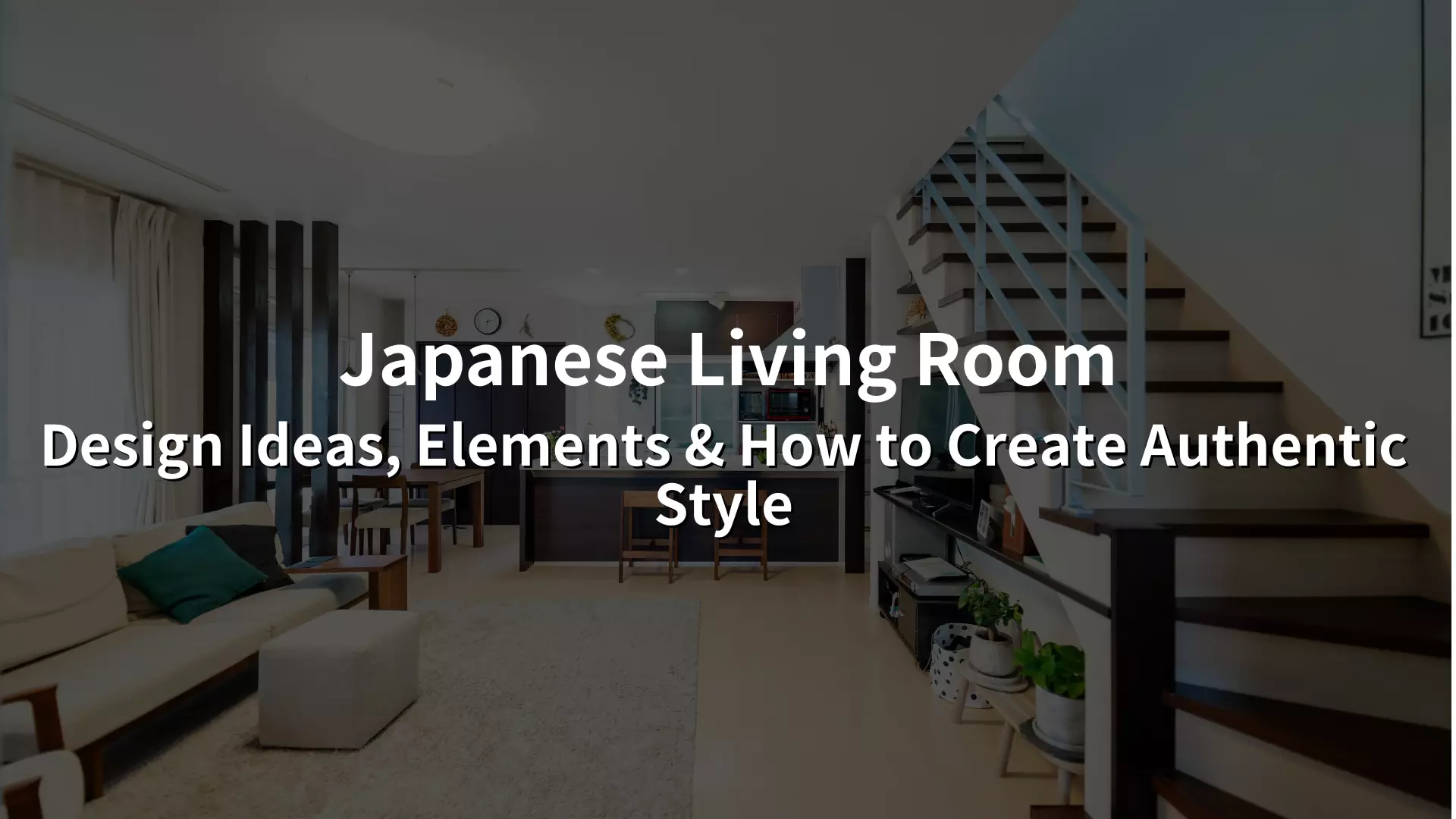
The open-plan LDK (Living-Dining-Kitchen) layout is the standard in modern Japanese homes. Removing walls between these areas creates a large, flowing space where the family can cook, eat, and relax together. The kitchen often features a sleek island counter that serves as both a workspace and a social hub.
Hidden Storage Solutions
Japanese interior design is famous for its hidden storage. Built-in closets, under-floor compartments, wall-recessed shelving, and furniture with integrated storage keep rooms looking clean and uncluttered. This is especially important in smaller houses where every inch of space matters.
Statement Lighting
Lighting in a modern Japanese house is both functional and artistic. Pendant lights made of washi paper, recessed LED strips, and carefully aimed spotlights create layers of illumination. The goal is soft, ambient light that enhances the room’s atmosphere rather than harsh overhead brightness.
Bathroom as a Sanctuary
The Japanese bathroom (ofuro) experience is a highlight of modern Japanese house living. Deep soaking tubs, separate shower and bathing areas, and natural stone or hinoki (cypress) wood finishes turn the bathroom into a relaxing sanctuary. Many modern houses include both a family bath and a guest bath to accommodate this important part of daily life.
Popular Layouts in Modern Japanese Homes (LDK, Open Space & Minimalism)
Understanding Japanese home layouts is key to appreciating their design. The naming convention in Japan uses numbers and letters to describe a home’s configuration.
The LDK System Explained
In Japan, home layouts are described using the LDK system: L stands for Living room, D for Dining room, and K for Kitchen. A “3LDK” home, for example, has three bedrooms plus a combined living-dining-kitchen area. This system is used for everything from apartments to detached houses.
Open-Plan Designs
Modern Japanese houses increasingly favor open-plan designs where the LDK area flows seamlessly without walls. The living space, dining area, and kitchen become one large, multi-functional room. This layout is especially popular among young families and reflects the modern Japanese approach to communal living.
Flexible Rooms with Sliding Partitions
Even in open-plan homes, flexibility is important. Sliding partitions (often inspired by traditional fusuma doors) allow homeowners to reconfigure spaces as needed—opening up for entertaining or closing off for privacy. A room that serves as a home office during the day might become a guest room at night.
Skip-Floor and Split-Level Designs
A distinctive feature of many modern Japanese houses is the skip-floor or split-level layout, where different areas of the house sit at slightly different levels connected by short staircases. This design creates visual interest, defines separate zones without walls, and makes even small houses feel surprisingly spacious.
Search for a room
Only furnished properties with appliances are listed!
Materials Commonly Used in Modern Japanese Houses
Material selection is central to the aesthetic and performance of a modern Japanese house. Japanese architects and designers favor materials that are natural, durable, and beautiful.
Wood
Wood remains the most iconic material in Japanese residential architecture. Hinoki (Japanese cypress), sugi (cedar), and pine are popular choices. Wood is used for structural framing, flooring, wall paneling, and even ceilings. The warm tone and natural grain of Japanese timber bring life and character to every room.
Concrete
Exposed concrete (as popularized by Tadao Ando) is a defining material of modern Japanese houses. Its raw, industrial quality contrasts beautifully with natural wood and glass, and it provides excellent thermal mass for temperature regulation.
Glass
Large glass panels and floor-to-ceiling windows are essential in modern Japanese house design. Glass maximizes natural light, frames views of gardens or cityscapes, and visually expands interior spaces. Double-glazed and low-E glass options are commonly used for energy efficiency.
Steel
Steel framing allows for open floor plans with minimal support columns—a feature that is great for creating the large, uninterrupted living spaces that define modern Japanese homes. Steel is also used for exterior elements like railings, canopies, and architectural details.
Natural Stone and Tile
Stone—particularly slate, granite, and local river stone—is used in modern Japanese houses for flooring, bathroom surfaces, and garden features. Japanese ceramic tile is also widely used, offering a variety of textures and finishes that complement the overall design.
Small Modern Japanese Houses: Smart Design for Compact Living
Japan is world-famous for its innovative approach to small-space living, and small modern Japanese houses are arguably the most impressive examples of compact residential architecture anywhere.
Why Small Houses Thrive in Japan
In Tokyo and other major Japanese cities, residential land is expensive and plots are often narrow or irregularly shaped. Rather than seeing these constraints as limitations, Japanese architects view them as creative challenges. The result is a stunning variety of small houses—some built on plots as tiny as 30 square meters—that are both functional and beautiful.
Key Design Strategies for Small Homes
Successful small modern Japanese houses employ several strategies: vertical living (building up rather than out), double-height spaces that create a sense of volume, lofted sleeping areas, multi-purpose rooms, and abundant natural light to prevent a cramped feeling. Built-in furniture and hidden storage are essential, and architects often use transparent or semi-transparent materials to keep sightlines open.
Famous Examples
Small Japanese houses have become internationally famous. Projects like the “House NA” by Sou Fujimoto (an almost entirely glass structure in Tokyo) and the “Tower House” by Takamitsu Azuma have been featured in architecture publications worldwide. These homes prove that great design is not about size—it’s about the quality of space and the ideas behind it.
Luxury Modern Japanese Houses: High-End Architectural Examples
At the other end of the spectrum, luxury modern Japanese houses showcase the pinnacle of architectural design, material quality, and craftsmanship.
What Defines a Luxury Japanese Home
Luxury modern Japanese houses are characterized by premium materials (aged timber, imported stone, custom glass), expansive floor plans, private gardens, advanced smart-home technology, and bespoke interior design by leading Japanese designers. These homes are often designed by world-renowned architects and are located in prestigious residential areas of Tokyo, Kyoto, or scenic coastal and mountain locations.
Integration of Art and Architecture
In luxury Japanese homes, the boundary between architecture and art dissolves. Custom-designed furniture, commissioned artworks, curated collections of Japanese ceramics and textiles, and sculptural staircases or lighting fixtures elevate the home into a living gallery. Every item is carefully selected to complement the architectural vision.
Indoor-Outdoor Luxury
High-end modern Japanese houses often feature private Japanese gardens designed by landscape architects, outdoor onsen (hot spring) baths, covered terraces with views, and infinity-edge pools. These outdoor spaces are designed to be enjoyed year-round and are seamlessly connected to the interior living areas.
How Much Does It Cost to Build or Buy a Modern Japanese House?
Understanding the cost of a modern Japanese house depends on several factors, including location, size, materials, and the level of design customization.
Building Costs in Japan
As of 2026, the average cost to build a new house in Japan ranges from approximately ¥300,000 to ¥600,000 per tsubo (roughly 3.3 square meters), depending on the area and specifications. A standard modern Japanese house in the Tokyo area might cost between ¥30 million and ¥80 million (approximately $200,000–$530,000 USD) for a modest to mid-range home. Luxury and architect-designed homes can exceed ¥100 million or more.
Buying an Existing Home
Purchasing an existing modern Japanese house varies widely by location. In central Tokyo, residential properties in desirable neighborhoods can range from ¥50 million to well over ¥200 million. In suburban or rural areas, prices drop significantly, and it is possible to find beautiful modern homes for under ¥30 million.
Land Costs
In Japan, the value of residential property is heavily influenced by land prices. In popular Tokyo wards such as Shibuya, Minato, and Meguro, land alone can cost ¥1 million or more per square meter. Outer suburbs and regional cities offer much more affordable land, making custom home building a realistic option for a wider range of people.
Modern Japanese House vs Traditional Japanese House
While both modern and traditional Japanese houses share a common cultural heritage, there are important differences between them.
Structure and Materials
Traditional Japanese houses (minka) are built primarily from wood with post-and-beam construction, thatched or tiled roofs, and natural materials throughout. Modern Japanese houses incorporate concrete, steel, and glass alongside wood, allowing for greater structural flexibility and larger open spaces.
Layout and Lifestyle
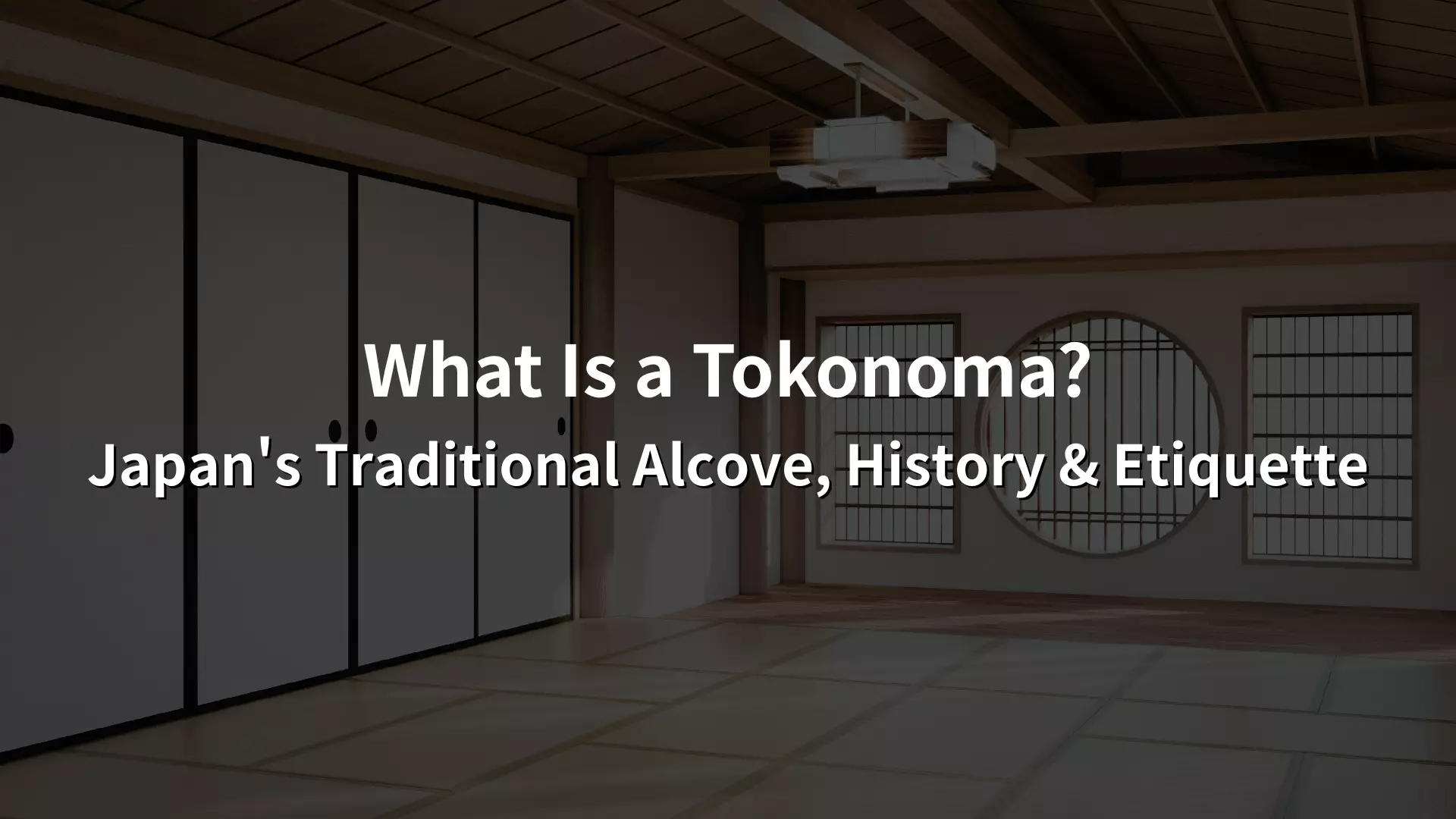
Traditional houses feature individual tatami rooms separated by fusuma sliding doors, with a central hearth (irori) or tokonoma (decorative alcove). Modern houses favor open-plan LDK layouts, Western-style kitchens, and multi-functional rooms that reflect contemporary life and the way Japanese families live today.
Comfort and Technology
Modern Japanese houses offer significant advantages in comfort: advanced insulation, underfloor heating, smart-home systems, earthquake-resistant engineering, and energy-efficient designs. Traditional houses, while charming, often lack these modern conveniences, which is why many people choose modern designs for their primary homes while appreciating traditional architecture in cultural settings.
Aesthetics
Both styles are beautiful in their own way. Traditional houses evoke a sense of history, craftsmanship, and wabi-sabi imperfection. Modern houses emphasize clean lines, light, and spatial innovation. The best modern Japanese houses find a way to honor both—incorporating traditional elements into a contemporary framework.
Can Foreigners Buy or Rent a Modern Japanese House?
One of the most common questions from international readers is whether it is possible for foreigners to own or rent property in Japan. The short answer is yes.
Buying Property
Japan has no restrictions on foreign ownership of real estate. Non-residents and residents alike can purchase land, houses, and apartments. The process involves working with a licensed real estate agent, signing a contract (typically in Japanese), and paying various fees and taxes. Many foreigners successfully buy residential properties in Tokyo and throughout Japan.
Renting a Modern Japanese Home
Renting is the more common path for foreigners living in Japan, especially those on shorter stays. Standard rental apartments (from 1K to 3LDK) are widely available, and furnished options are increasingly common. However, traditional rental processes in Japan can be challenging for foreigners due to guarantor requirements, key money, and Japanese-language contracts.
Share Houses: An Accessible Alternative
For those who want to experience modern Japanese living without the complexity of buying or renting a full apartment, share houses offer an excellent solution. Share houses provide private rooms within a shared living space, often in modern, well-designed buildings. They are especially popular among young professionals, international residents, and people who are new to Japan and want to explore Tokyo life without a long-term commitment.
Modern Japanese Style for Apartments & Share Houses in Tokyo
You do not need to build or buy a house to experience modern Japanese design—Tokyo’s apartments and share houses increasingly embrace the same design principles found in the best modern Japanese homes.
Modern Apartments in Tokyo
Newer apartment buildings (mansion) in Tokyo feature open-plan layouts, floor-to-ceiling windows, designer kitchens, and high-quality finishes. Many developments in areas like Toyosu, Shibuya, and Ikebukuro are designed with the same attention to light, space, and materials that characterizes modern Japanese house architecture.
XROSS HOUSE: Experience Modern Japanese Living
XROSS HOUSE is a share house brand in Tokyo that brings the essence of modern Japanese living to an accessible, community-oriented format. With properties located across popular Tokyo neighborhoods, XROSS HOUSE offers beautifully designed shared living spaces that feature clean, modern Japanese interiors, functional common areas including kitchens and living rooms, and private rooms that balance comfort with smart space design.
For international residents, digital nomads, and anyone who wants to discover what modern Japanese living feels like, XROSS HOUSE provides a great entry point. Residents can enjoy the aesthetics and lifestyle of a modern Japanese home—complete with thoughtful design, natural light, and comfortable shared spaces—without the hassle or cost of securing a traditional lease.
Learn more about available rooms and locations at XROSS HOUSE.
Why Share Houses Reflect Modern Japanese Design Values
Share houses like XROSS HOUSE embody many of the same principles that define modern Japanese house architecture: efficient use of space, clean and functional design, shared community areas that foster social connections, and a focus on creating comfortable living environments for diverse residents. In many ways, share houses represent the future of urban living in Japan—a solution that combines beautiful design with practical, community-focused living.
Who Is a Modern Japanese House Best For?
Modern Japanese houses appeal to a wide range of people, each drawn to different aspects of the design and lifestyle.
Architecture and Design Enthusiasts
If you love architecture, a modern Japanese house is a dream come true. The level of thought, creativity, and craftsmanship that goes into each home is unmatched. Exploring Japanese residential architecture—whether in person or through photos and publications—is an inspiring experience.
Minimalism Lovers
People who embrace minimalism as a lifestyle will find modern Japanese houses perfectly aligned with their values. The emphasis on simplicity, quality over quantity, and intentional living resonates deeply with the minimalist movement.
Families Seeking Functional Comfort
Modern Japanese houses are designed with family life in mind. Open-plan living areas encourage togetherness, flexible rooms adapt as children grow, and thoughtful storage solutions keep family homes organized. The focus on natural light and connection to nature also creates a healthy, positive environment for families.
Expats and International Residents in Japan
For foreigners living in Japan, experiencing modern Japanese living is one of the great rewards of time spent in the country. Whether you choose to buy, rent an apartment, or join a share house like XROSS HOUSE, immersing yourself in Japanese residential design enriches your understanding of Japanese culture and daily life.
Summary: Why Modern Japanese Houses Are Admired Worldwide
Modern Japanese houses represent a remarkable achievement in residential architecture. They combine the best of traditional Japanese design philosophy—minimalism, respect for nature, and the art of space—with contemporary materials, technology, and architectural innovation. From small urban homes in Tokyo to luxury villas overlooking the sea, the variety and quality of modern Japanese house design is truly inspiring.
What makes these homes so admired worldwide is their unwavering commitment to creating spaces where people can live beautifully, comfortably, and meaningfully. Every element—from the materials to the layout to the way light enters a room—is designed with care and intention.
Whether you are an architect seeking inspiration, a design lover exploring new ideas, or someone looking to experience modern Japanese living for yourself, the world of modern Japanese houses has something to offer. And if you want to experience this lifestyle firsthand in Tokyo, share houses like XROSS HOUSE make it possible to live in a beautifully designed, modern Japanese space without the barriers of traditional home ownership or rental contracts.