
What Is a Japanese Style Bathroom?
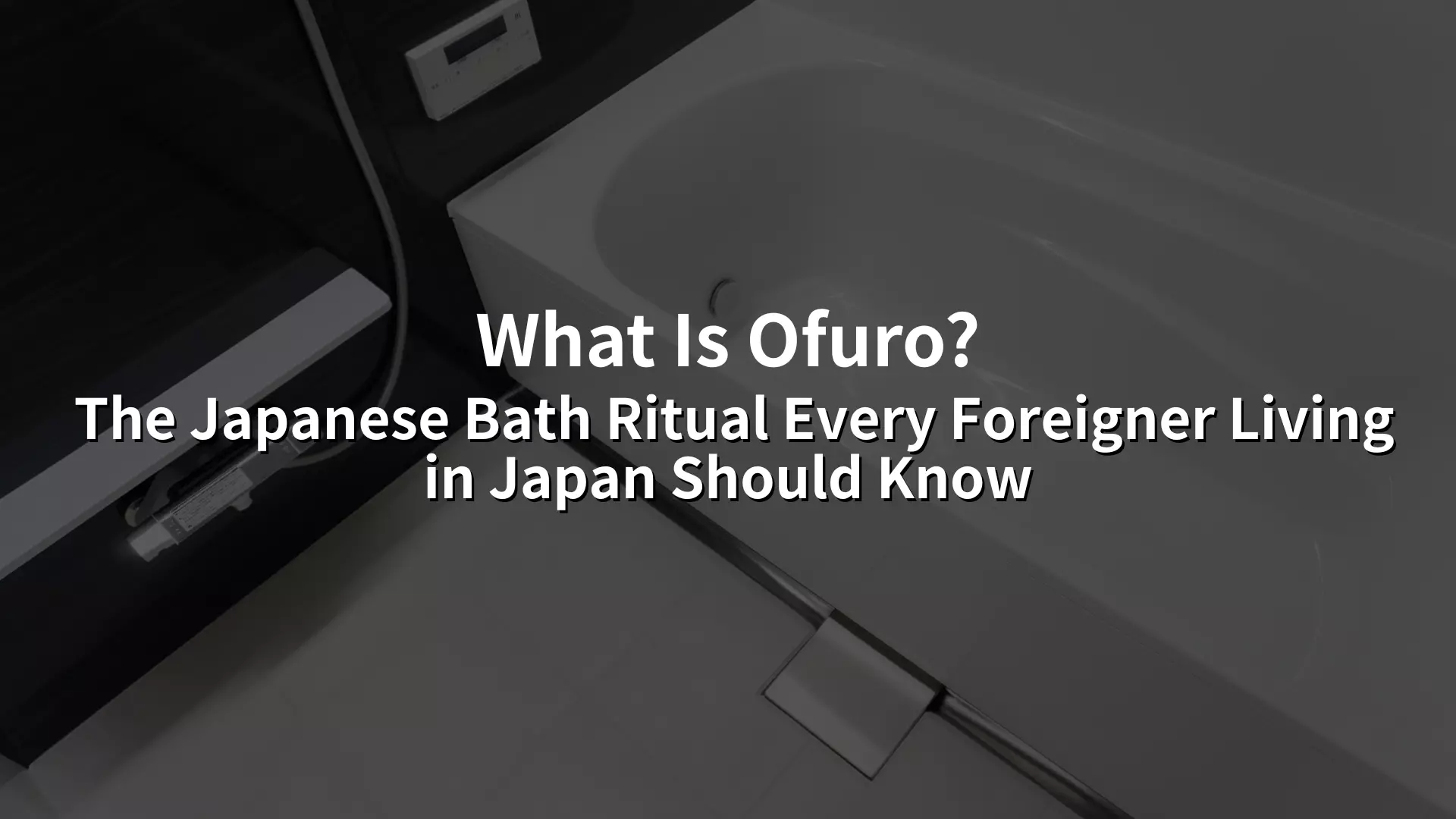
A Japanese style bathroom, known as "ofuro" in Japan, is fundamentally different from what most Americans are accustomed to. The most distinctive feature is the separation of bathing functions. In a traditional Japanese house, the bathroom is divided into distinct areas: a changing room where you undress, a washing area where you shower and clean your body before entering the tub, and the soaking tub itself which is used purely for relaxation.
This layout reflects the Japanese philosophy that the bath is for relaxation, not for getting clean. You wash your body thoroughly before stepping into the hot water, which means the bath water stays clean and can even be shared among family members. This approach is not only culturally significant but also remarkably water-efficient.
Modern Japanese bathrooms often feature what is called a "unit bath" or "system bath," which is essentially a prefabricated bathroom module that includes the tub, shower area, floor, walls, and ceiling as one integrated unit. These are designed for easy cleaning, excellent waterproofing, and efficient use of small spaces.
Key Elements of Japanese Bathroom Design
Creating an authentic Japanese style bathroom involves several essential design elements that work together to create a harmonious and functional space.
The Deep Soaking Tub (Ofuro)
The centerpiece of any Japanese bathroom is the soaking tub. Unlike shallow Western bathtubs designed for lying down, Japanese tubs are deeper and shorter, allowing you to sit upright with water up to your shoulders. A typical Japanese soaking tub is approximately 27 to 34 inches deep, compared to just 14 to 20 inches for standard American tubs.
When selecting a bathtub for your Japanese style bathroom, look for one that is deep enough to immerse your body fully while sitting. The tub should not be too wide, as you want the water to reach chest height without requiring excessive amounts of hot water. Many homeowners find that a tub measuring approximately 60 inches long by 30 inches wide with a depth of 22 to 25 inches provides the ideal balance.
Traditional Japanese tubs are made from hinoki (Japanese cypress) wood, which releases a wonderful natural fragrance when hot water is added. However, modern options include acrylic, fiberglass, stainless steel, and stone tubs that can achieve a similar aesthetic while being easier to maintain.
The Shower and Washing Area
In Japanese bathroom design, the shower area is separate from the tub and is where all cleaning takes place before entering the bath. This wet room concept means the entire bathroom floor is waterproofed and equipped with a drain, allowing water to flow freely without damaging the space.
A key feature of the Japanese washing area is the low stool or bench where bathers sit while showering. The shower head should be adjustable in height, with a handheld option mounted at a lower position than typical American installations. This allows for comfortable washing while seated, which is the traditional Japanese method.
The floor should slope slightly toward a central drain to ensure proper water flow. Many homeowners choose to install heated floors in this area, which keeps the space warm and helps the floor dry quickly after use.
Natural Materials and Minimalist Design
Japanese bathroom aesthetics emphasize natural materials and clean lines. Wood, stone, and bamboo are commonly used to create a connection with nature, which is central to Japanese design philosophy. The color palette typically consists of earth tones, whites, and soft grays that promote a sense of calm and tranquility.
Stone tiles, particularly those with natural textures, work beautifully on floors and walls. River rocks or pebble tiles can add visual interest to the shower floor while providing a gentle massage for the feet. Glass panels or frosted glass partitions are often used to separate wet and dry areas while maintaining an open, airy feel.
Minimalism is essential in Japanese design. Keep countertops clear, store toiletries in closed cabinets, and avoid unnecessary decorative items. Every element in the room should serve a purpose and contribute to the overall sense of peace and simplicity.
Search for a room
Only furnished properties with appliances are listed!
Modern Japanese Bathroom Ideas and Inspiration
While traditional Japanese bathrooms have their own timeless appeal, modern interpretations blend classic elements with contemporary design to create spaces that work perfectly in Western homes.
Small Space Solutions
Japanese design is particularly well-suited for small bathrooms because efficiency and smart use of space are fundamental principles. Even a compact bathroom can accommodate a deep soaking tub when you choose the right configuration.
Consider a corner soaking tub to maximize floor space, or look into Japanese-style compact tubs that are deeper than they are long. Wall-mounted toilets and floating vanities create the illusion of more space while making floor cleaning easier. Built-in shelving and recessed storage keep essentials organized without cluttering the room.
Glass shower enclosures or open wet room designs can make small bathrooms feel larger by eliminating visual barriers. Light colors and strategic lighting further enhance this effect.
Incorporating Modern Technology
Japan is famous for its high-tech bathroom fixtures, and many of these innovations can enhance your Japanese style bathroom experience. Heated toilet seats with built-in bidets, automatic flush systems, and digital water temperature controls are increasingly popular in Western homes.
For the bathtub, consider installing a system that can keep the water at a constant warm temperature for extended soaking sessions. Some advanced systems even allow you to fill the tub remotely using a smartphone app, so your bath is ready when you arrive home.
Ambient lighting with dimmer controls creates the perfect atmosphere for relaxation. Waterproof speakers can provide soothing music or nature sounds to complete the spa-like experience.
How to Create a Japanese Style Bathroom in Your Home
Transforming your existing bathroom or planning a new Japanese-inspired space requires careful consideration of layout, materials, and functionality.
Planning Your Layout
Before beginning any renovation, assess your available space and determine which Japanese design elements you can realistically incorporate. If you have a separate toilet room (common in Japan), keep it that way. If not, consider whether you can create a dedicated wet room area for the tub and shower.
Waterproofing is crucial for Japanese style bathrooms since water flows freely in the washing area. Work with a contractor experienced in wet room construction to ensure proper drainage and waterproofing of floors and walls up to an appropriate height.
Consider ventilation carefully. Japanese bathrooms require excellent airflow to prevent mold and mildew in the humid environment. A window that opens is ideal, not only for ventilation but also for connecting the bathing experience with the outside world, another important aspect of Japanese design.
Selecting the Right Materials
Choose materials that can withstand constant moisture exposure while maintaining their beauty over time. For flooring, consider porcelain tiles with a textured surface for slip resistance, or natural stone like slate or granite. Wood can be used on walls and ceilings but should be properly sealed or be naturally water-resistant species like teak or cedar.
For the walls, large-format tiles in neutral colors create a clean, seamless look. Natural stone accent walls can add visual interest without overwhelming the space. If you want to incorporate wood, consider wood-look porcelain tiles that provide the aesthetic without the maintenance concerns.
When selecting fixtures, opt for simple, streamlined designs in brushed nickel, matte black, or natural brass finishes. Avoid overly ornate fixtures that would clash with the minimalist Japanese aesthetic.
Search for a room
Only furnished properties with appliances are listed!
Benefits of Japanese Bathroom Design
Adopting Japanese bathroom design principles offers numerous advantages beyond aesthetics.
Health and Relaxation Benefits
Soaking in hot water has been practiced in Japan for centuries as a form of therapy. Deep immersion in warm water improves blood circulation, relieves muscle tension, and can help reduce stress and anxiety. The ritual of daily bathing in Japan is considered essential for both physical cleanliness and mental well-being.
Unlike quick showers, the Japanese bathing experience encourages you to slow down and take time for yourself. This daily ritual of relaxation can significantly improve your overall quality of life and help establish healthy habits for managing daily stress.
Water and Energy Efficiency
Contrary to what many people assume, Japanese style bathrooms can actually be more water-efficient than traditional Western setups. Because bathers clean themselves before entering the tub, the bath water stays clean and can be reused. Many Japanese families share the same bath water, adding more hot water as needed to maintain temperature.
Modern Japanese bathtubs often come with insulated covers and built-in heating systems that maintain water temperature for hours without constantly adding fresh hot water. This reduces both water and energy consumption compared to filling a new tub for each family member.
Common Mistakes to Avoid in Japanese Bathroom Design
When creating a Japanese style bathroom, several common pitfalls can undermine the authenticity and functionality of your design.
Choosing the Wrong Bathtub
One of the most common mistakes is selecting a tub that is too large or too shallow. A massive garden tub may look impressive, but it requires enormous amounts of water to fill and takes a long time to heat. On the other hand, a standard Western tub that is too shallow defeats the purpose of Japanese soaking, where shoulder-deep immersion is the goal.
Take time to research proper soaking tub dimensions and if possible, visit showrooms where you can actually sit in different tubs to find the right fit for your body. The perfect tub should allow you to sit comfortably with water at chest level without wasting excessive space or water.
Inadequate Waterproofing and Drainage
Japanese wet rooms require professional-grade waterproofing that extends beyond just the shower area. The entire bathroom floor should be waterproofed and sloped toward drains to handle water splashing freely throughout the space. Cutting corners on waterproofing will lead to serious problems including mold, structural damage, and costly repairs.
Additionally, ensure proper drainage capacity. A single small drain may not handle the volume of water that flows when you empty a deep soaking tub or wash in the wet room area. Consider installing a linear drain or multiple drain points for efficient water removal.
Overlooking Ventilation
Hot water and steam are integral parts of the Japanese bathing experience, but without proper ventilation, this moisture will damage your bathroom over time. Install a high-quality exhaust fan rated for the size of your bathroom, and consider adding operable windows if your layout permits.
Japanese bathrooms traditionally feature windows for both ventilation and connection to nature. If privacy is a concern, frosted glass or strategically placed windows can provide airflow without compromising your privacy.
Search for a room
Only furnished properties with appliances are listed!
Essential Items for Your Japanese Style Bathroom
Beyond the major fixtures, several accessories and items can enhance the authenticity and functionality of your Japanese bathroom.
Traditional Bathing Accessories
A wooden bath stool is essential for the Japanese washing routine. These low stools, typically made from hinoki cypress or other water-resistant wood, allow you to sit comfortably while showering before entering the tub. Matching wooden buckets for rinsing add an authentic touch.
Japanese bath towels tend to be longer and thinner than Western bath towels, designed for efficient drying and quick moisture absorption. Natural fiber scrubbing cloths and gentle body brushes are also traditional bath time tools.
Consider adding bath salts or bath powders, which are extremely popular in Japan. These products often contain minerals from famous hot springs and can transform your home bath into a therapeutic soak. Natural citrus fruits like yuzu are traditionally floated in the bath during winter months for their aromatherapy benefits.
Storage and Organization
Keeping the bathroom clutter-free is essential for maintaining the minimalist Japanese aesthetic. Invest in closed storage cabinets for toiletries and cleaning supplies. Open shelving can display a few carefully chosen items like neatly folded towels or a simple plant, but avoid overcrowding these spaces.
In the wet room area, wall-mounted dispensers for shampoo and body wash keep bottles organized and prevent clutter on the floor. Small drainage racks can hold bath accessories while allowing them to dry properly between uses.
Experience Authentic Japanese Bathrooms When Living in Tokyo
For those interested in experiencing Japanese style bathrooms firsthand, living in Tokyo provides the perfect opportunity. Japanese apartments and share houses typically feature modern unit baths that exemplify the principles discussed in this guide.
At XROSS HOUSE, our properties across Tokyo feature authentic Japanese bathrooms that give residents the full experience of Japanese bathing culture. Whether you are staying for a few months or planning a longer residence, you can enjoy the relaxation and health benefits of daily Japanese-style bathing in a comfortable, modern living environment.
Our share houses and apartments include fully equipped bathrooms with deep soaking tubs, efficient shower areas, and all the modern conveniences you would expect. Living in Japan is the best way to understand why Japanese bathroom design has captured the imagination of people around the world.
Creating Your Own Japanese Bathroom Sanctuary
A Japanese style bathroom offers more than just a place to get clean. It provides a daily retreat from the stresses of modern life, a space where you can slow down, relax, and take care of both body and mind. By incorporating the design principles and elements discussed in this guide, you can create your own bathroom sanctuary that brings the peace and tranquility of Japanese bathing culture into your home.
Whether you choose to renovate your entire bathroom or simply add a few Japanese-inspired elements, the key is to focus on creating a space that promotes relaxation and mindfulness. Start with the fundamentals: a deep soaking tub, proper separation of wet and dry areas, natural materials, and clean, minimalist design. From there, personalize your space to suit your lifestyle and preferences.
The investment in a Japanese style bathroom pays dividends every day through improved well-being and the simple pleasure of a truly restorative bathing experience. Take the time to plan your space carefully, choose quality materials and fixtures, and create a bathroom that you will love using for years to come.