What is a Washitsu?
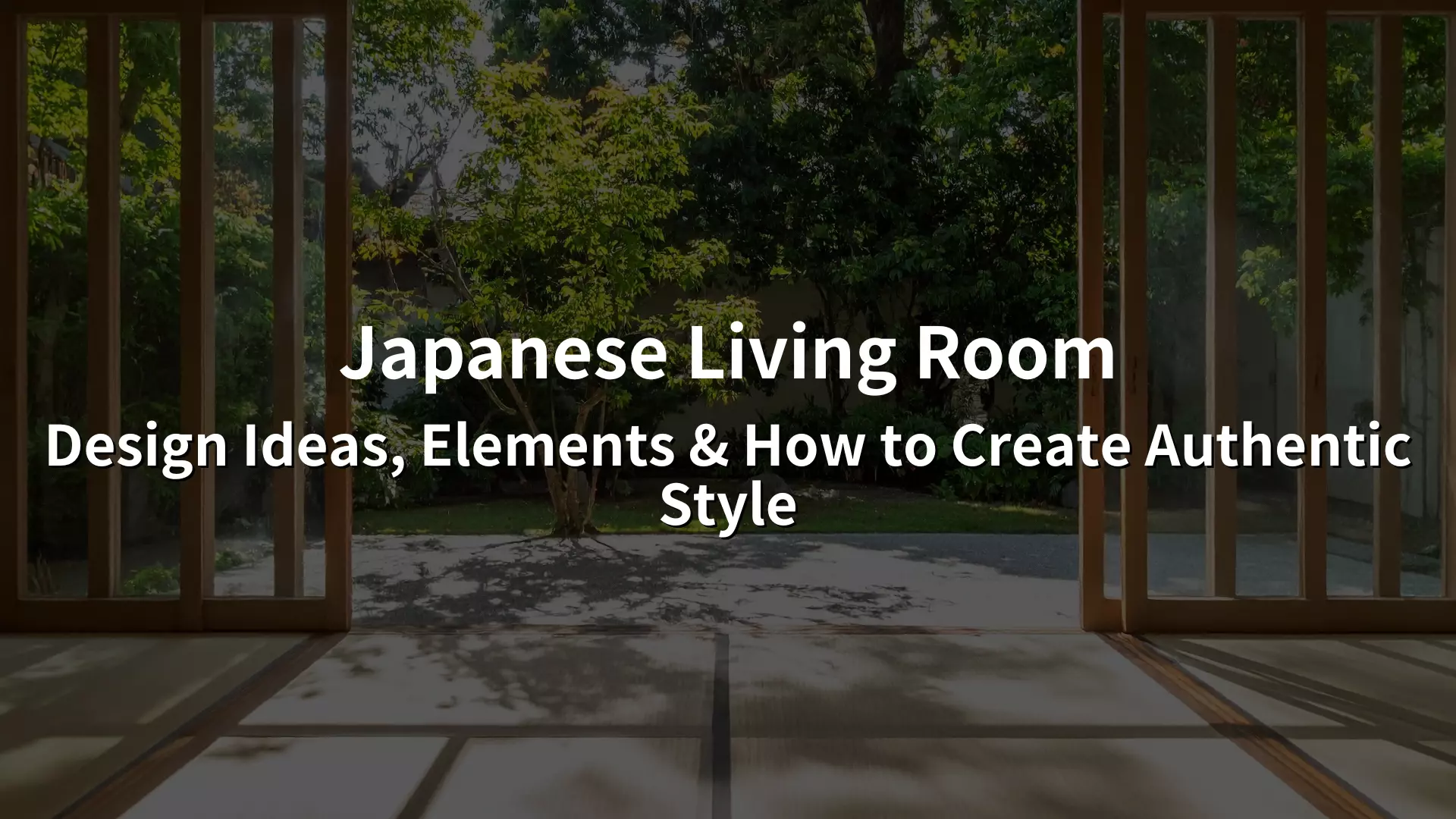
A washitsu (和室) is a traditional Japanese-style room that features tatami flooring, shoji sliding doors, and a minimalist design that has been part of Japanese culture for centuries. The word itself combines "wa" (Japanese) and "shitsu" (room), literally meaning "Japanese room."
Unlike Western-style rooms with hardwood or carpet floors and conventional furniture, a washitsu creates a unique living space where people sit on cushions called zabuton, sleep on futons placed directly on the tatami floor, and enjoy a closer connection to the traditional Japanese way of life.
For foreigners moving to Japan, experiencing a washitsu offers an authentic glimpse into Japanese culture that you simply cannot get from staying in modern Western-style apartments alone.
Essential Elements of a Traditional Washitsu
Understanding the key elements of a washitsu helps you appreciate why these rooms remain so beloved in Japan, even as modern architecture evolves.
Tatami Flooring
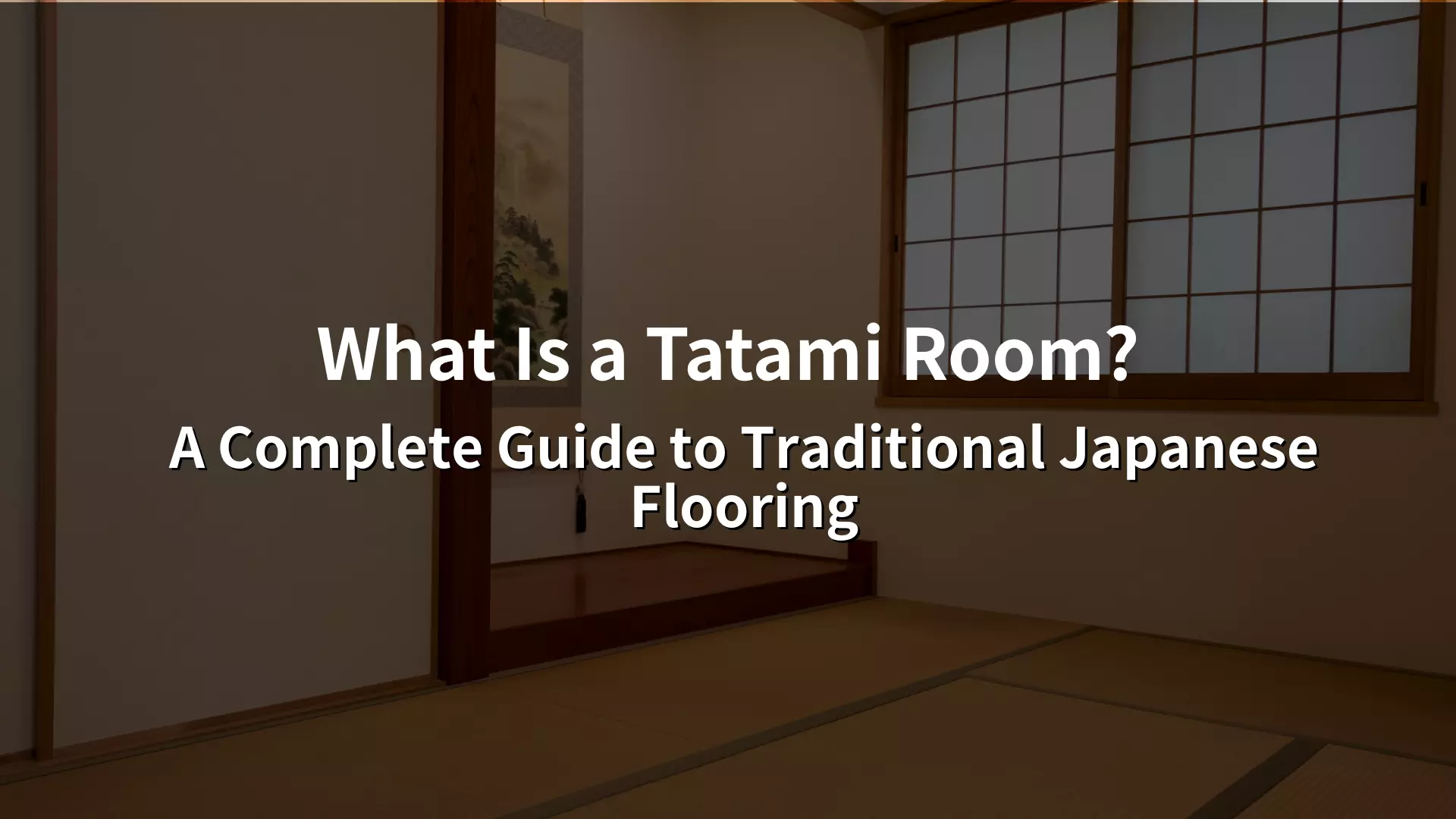
Tatami mats are the foundation of any washitsu. Made from woven rush grass over a rice straw core, tatami provides a naturally soft, breathable floor surface that stays cool in summer and retains warmth in winter. The distinctive fresh scent of new tatami is something many Japanese people associate with home.
Tatami mats come in standardized sizes, and rooms in Japan are often measured by how many mats they contain. A typical six-mat room (roku-jo) is approximately 9.9 square meters, which is a common size for bedrooms and living spaces.
Shoji and Fusuma Sliding Doors
Shoji are translucent sliding doors made of wooden frames covered with washi paper. They allow soft, diffused natural light to enter the room while maintaining privacy. The gentle glow of light through shoji creates a calm, serene atmosphere that defines the washitsu aesthetic.
Fusuma are opaque sliding doors used to divide interior spaces. Unlike Western walls, fusuma can be completely removed to create one large open space or closed to create separate rooms. This flexibility makes washitsu incredibly versatile for different uses throughout the day.
Tokonoma Alcove
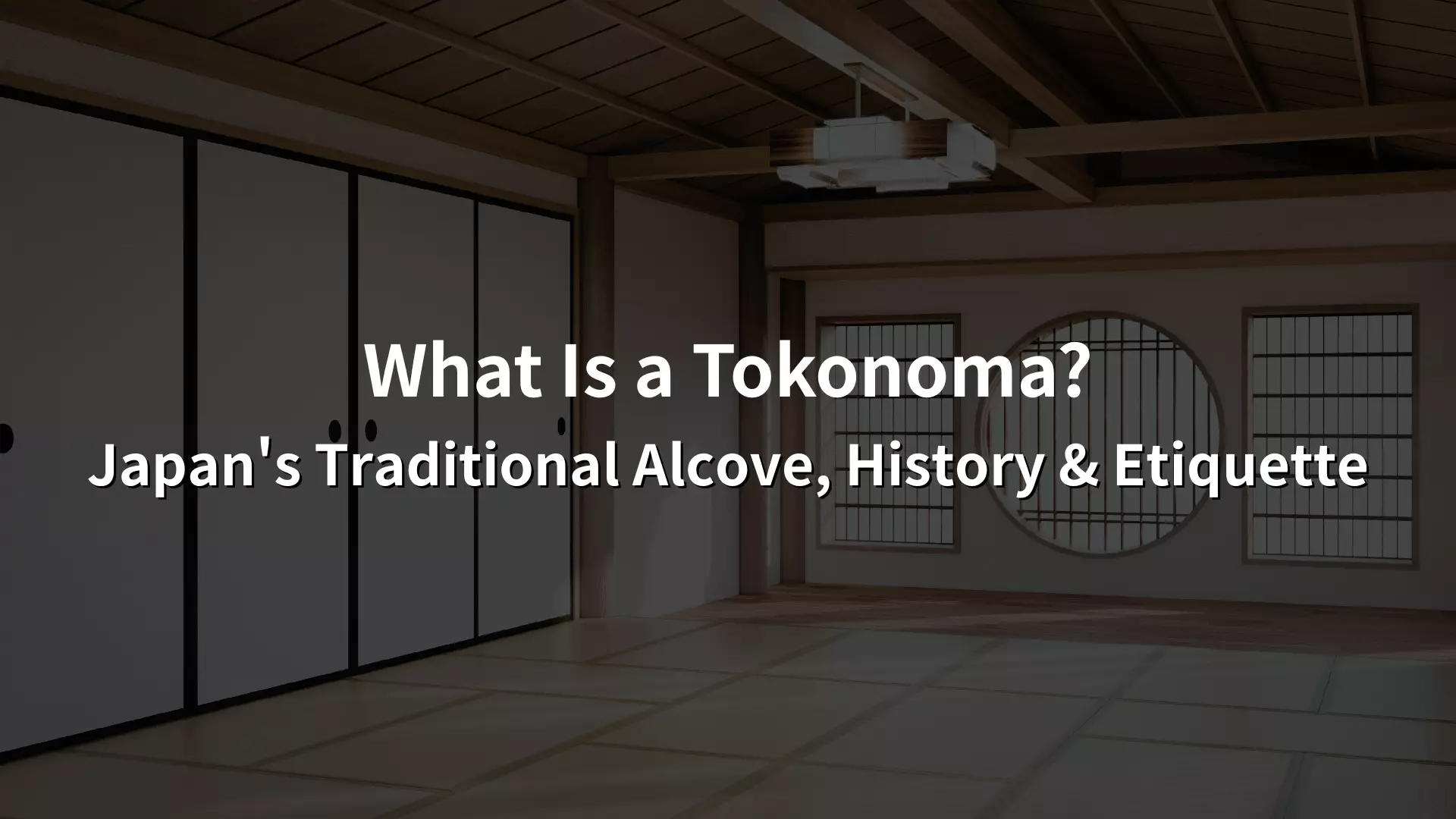
The tokonoma is a recessed alcove that serves as the focal point of a traditional washitsu. It is the designated space for displaying art, such as hanging scrolls, flower arrangements (ikebana), or seasonal decorations. The tokonoma represents the aesthetic and spiritual heart of the room.
When entering a washitsu with a tokonoma, guests of honor are traditionally seated with their backs to this alcove, a position of respect that dates back centuries.
Zabuton Cushions and Low Tables
Instead of chairs, washitsu feature zabuton, flat cushions for sitting directly on the tatami floor. A low table called a chabudai or kotatsu (heated table for winter) serves as the centerpiece for meals, tea, work, and conversation.
This floor-level lifestyle might take some adjustment for Westerners, but many people find it surprisingly comfortable once they get used to it. The simple furniture also means more open space and a less cluttered living environment.
Search for a room
Only furnished properties with appliances are listed!
The Cultural Significance of Washitsu in Japan
Washitsu are deeply connected to traditional Japanese activities and ceremonies. Tea ceremony (sado), a practice that embodies Japanese aesthetics and hospitality, is traditionally performed in a washitsu or a dedicated tea room (chashitsu). The room's simplicity allows participants to focus on the ritual and appreciate the moment.
Japanese-style rooms also transform throughout the day in ways Western rooms typically do not. A washitsu can serve as a living room during the day, with the table as the center of activity. At night, the table is moved aside, futons are laid out on the tatami, and the same space becomes a comfortable bedroom.
This multifunctional use of space reflects Japanese values of simplicity, efficiency, and harmony with one's environment. It is also practical in a country where living spaces, especially in Tokyo, tend to be compact.
Modern Washitsu: Traditional Design Meets Contemporary Living
While some newer Japanese apartments are built entirely in Western style, many still include at least one washitsu or incorporate Japanese design elements. Modern washitsu may feature updated materials such as synthetic tatami that is easier to maintain, or combine traditional elements with contemporary furniture.
This blend of traditional and modern appeals to both Japanese residents who want to maintain cultural connections and foreigners who seek an authentic experience without sacrificing modern conveniences. Air conditioning, Wi-Fi, and modern kitchens can exist alongside tatami rooms and shoji screens.
Search for a room
Only furnished properties with appliances are listed!
Experience Washitsu Living in Tokyo with XROSS HOUSE
If you are moving to Tokyo and want to experience authentic Japanese living, choosing an apartment with a washitsu is one of the best ways to immerse yourself in the culture. Waking up on a futon, feeling the soft tatami under your feet, and sliding open shoji to let in the morning light creates a daily connection to Japanese tradition.
XROSS HOUSE offers share houses and rental apartments throughout Tokyo that allow foreigners to experience Japanese-style living at affordable prices. Many of our properties feature Japanese-style rooms where you can enjoy the washitsu experience while benefiting from modern amenities and a supportive community.
Whether you prefer a fully traditional washitsu or a modern room with Japanese touches, our diverse property lineup has options to match your lifestyle. Our English-speaking staff makes the rental process simple for international residents, and our flexible lease terms are ideal for those just starting their Japan adventure.
Tips for Living in a Washitsu
Living in a Japanese-style room requires some adjustments, but these simple tips will help you get the most out of your washitsu experience:
Always remove your shoes before stepping on tatami. The natural material is delicate and can be damaged by outdoor footwear. Many people wear special indoor slippers up to the edge of the tatami, then go barefoot or wear socks on the mats themselves.
Avoid placing heavy furniture directly on tatami, as it can leave permanent indentations. If you need to use heavier items, place protective boards underneath to distribute the weight.
Keep the room well-ventilated to prevent moisture buildup, which can damage tatami. Regular airing and occasional sun exposure help maintain the mats in good condition.
Embrace the floor-level lifestyle. Investing in comfortable zabuton cushions and perhaps a floor chair with back support can make sitting for extended periods much more enjoyable.
Search for a room
Only furnished properties with appliances are listed!
Discover the Beauty of Washitsu Living
A washitsu is more than just a room with tatami floors. It represents centuries of Japanese aesthetic philosophy, emphasizing simplicity, natural materials, and harmony with the seasons. For foreigners living in Japan, choosing to stay in a washitsu offers a daily opportunity to connect with traditional culture in a meaningful way.
Whether you are looking for a short-term stay or a long-term home in Tokyo, consider experiencing the unique charm of Japanese-style living. XROSS HOUSE is here to help you find the perfect space to begin your authentic Japan experience.