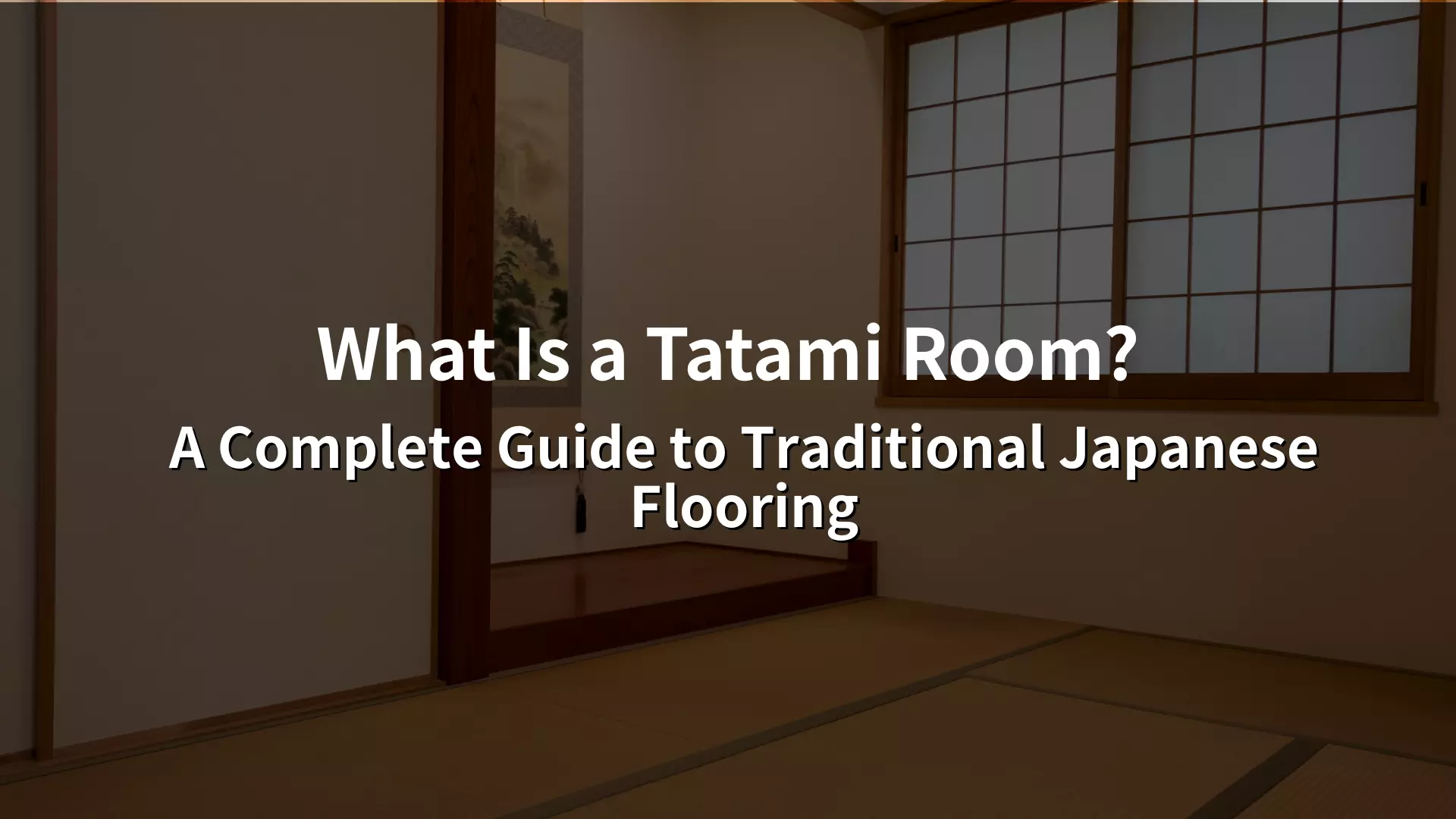
What Is a Tatami Room?
A tatami room, known as washitsu in Japanese, is a traditional Japanese-style room featuring tatami mats as flooring. These rooms have been an essential part of Japanese homes and architecture for centuries, offering a unique blend of comfort, functionality, and cultural significance. For foreigners moving to Japan, understanding tatami rooms is key to appreciating Japanese living culture and finding the right accommodation.
Definition of Washitsu (Japanese-Style Room)
The term washitsu literally translates to "Japanese-style room" and refers to any room with traditional tatami flooring. Unlike Western rooms with hardwood or carpet, washitsu features soft, woven mats that create a natural, calming atmosphere. These rooms are designed for floor-level living, where residents sit, sleep, and relax directly on the tatami surface.
Key Elements of Traditional Tatami Rooms
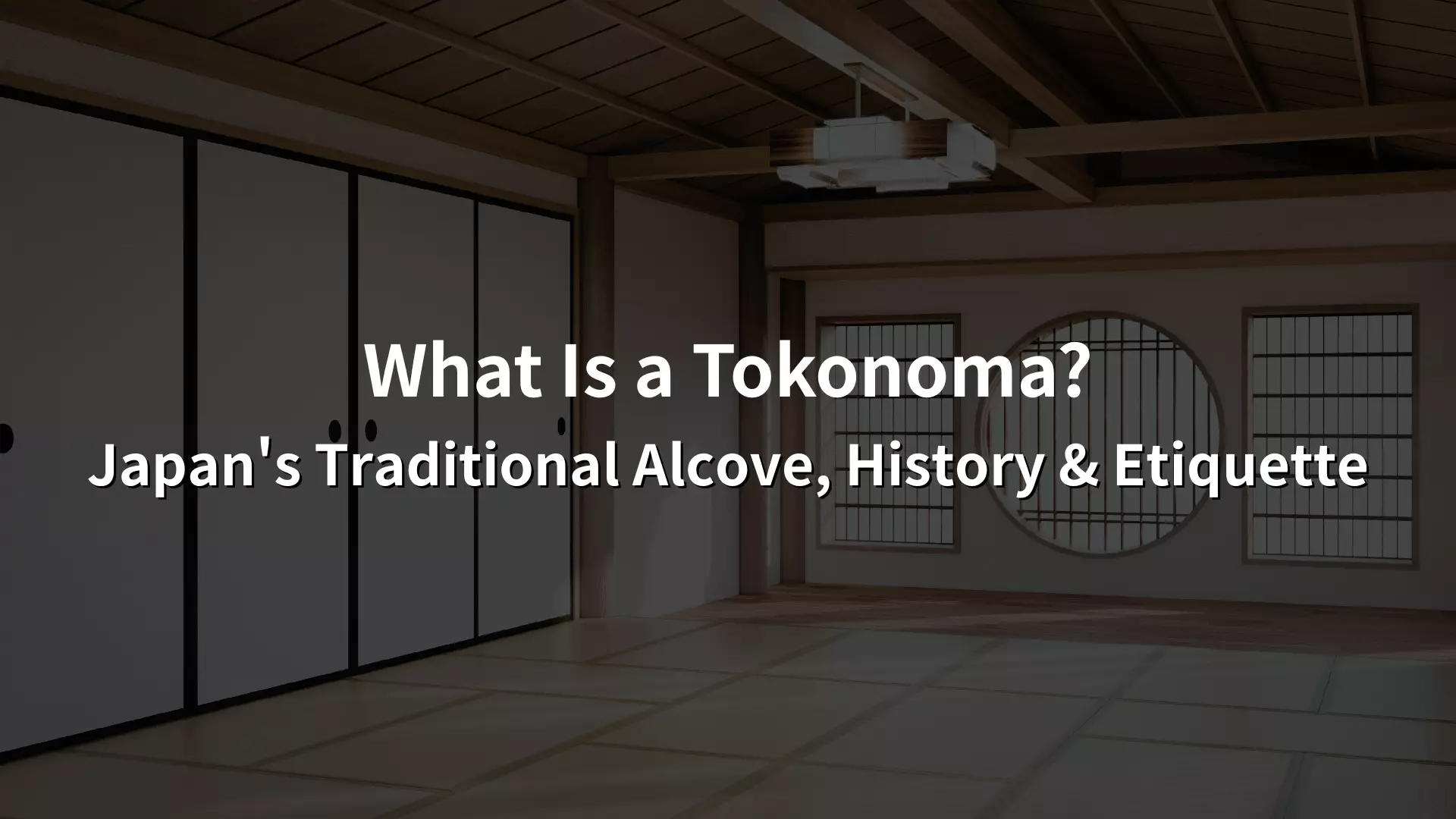
Authentic tatami rooms typically include several traditional elements: tatami mat flooring, fusuma (sliding paper doors), shoji (translucent paper screens), and sometimes a tokonoma (decorative alcove). The minimalist design emphasizes open space, natural materials, and harmony with nature. Modern Japanese apartments often combine these traditional features with contemporary conveniences.
History and Cultural Significance of Tatami
Tatami has deep roots in Japanese culture, evolving over more than a thousand years from luxury items for nobility to essential flooring in homes across Japan. Understanding this history helps appreciate why tatami rooms remain beloved in modern Japanese architecture.
Origins of Tatami Flooring in Japan
Tatami first appeared during the Nara period (710-794 AD) as thin mats used by aristocrats. By the Muromachi period (1336-1573), tatami had become standard flooring in Japanese homes. The Edo period saw tatami rooms become common even in ordinary households, establishing the tradition that continues today.
Traditional Uses in Japanese Architecture
Historically, tatami rooms served multiple purposes in Japanese homes. They functioned as living rooms, bedrooms, and reception areas depending on the time of day. Tea ceremony rooms also feature tatami, as the mat dimensions were traditionally used to standardize room sizes throughout Japan.
Search for a room
Only furnished properties with appliances are listed!
Structure and Components of Tatami Mats
Understanding how tatami mats are constructed helps residents care for them properly and appreciate their natural qualities. Traditional tatami combines organic materials that provide both comfort and practical benefits.
Materials: Rice Straw Core and Rush Grass Surface
Traditional tatami mats consist of three layers: a compressed rice straw core (doko), a woven rush grass surface (omote), and a fabric border (heri). The rush grass, called igusa, gives tatami its distinctive fresh, grassy scent. Modern tatami may use synthetic materials or foam cores, but traditional woven tatami remains preferred for its natural feel and breathability.
Standard Sizes and Layout Patterns
Tatami mats follow standardized sizes, though dimensions vary slightly by region. The most common size is approximately 90cm x 180cm (roughly 3 x 6 feet). Room sizes in Japan are often measured in tatami units, such as 4.5-jo (four and a half mats) or 6-jo (six mats). The arrangement of tatami follows specific patterns, with auspicious layouts avoiding grid alignments at corners.
Benefits of Living in a Tatami Room
Living in a tatami room offers numerous advantages that many foreigners come to appreciate after experiencing traditional Japanese accommodation. From physical comfort to lifestyle flexibility, tatami rooms provide a unique living experience.
Comfort and Natural Insulation
Tatami mats provide excellent natural insulation, keeping rooms cool in summer and warm in winter. The woven rush grass surface feels comfortable underfoot and creates a cushioned walking surface. The natural materials also help regulate humidity, absorbing moisture in humid weather and releasing it when the air is dry.
Flexibility for Sleeping and Living Space
One of the greatest advantages of tatami rooms is their versatility. During the day, the room serves as a living space, while at night, futons can be laid out for sleeping. This flexibility maximizes space efficiency, making tatami rooms ideal for smaller Japanese apartments. Furniture can be easily moved or stored, allowing residents to adapt the room for different activities.
Health Benefits of Floor-Level Living
Sitting and sleeping on tatami offers potential health benefits. Floor-level living encourages natural postures and may improve flexibility. Many residents find that sleeping on a futon placed directly on tatami provides better back support than soft mattresses. The natural materials are also less likely to harbor dust mites compared to carpeting.
Search for a room
Only furnished properties with appliances are listed!
Tatami Rooms in Modern Japanese Apartments
While fully traditional homes are becoming rarer, many modern Japanese apartments still incorporate tatami rooms. Understanding how these spaces are used today helps foreigners find accommodations that blend tradition with contemporary convenience.
How Tatami Rooms Are Used Today
In contemporary Japanese homes, tatami rooms often serve as multipurpose spaces. Many families use them as bedrooms, guest rooms, or children's play areas. Some residents prefer tatami for their living room or TV-watching area, enjoying the comfort of sitting on the floor. The room's flexibility makes it valuable even in modern lifestyles.
Combining Traditional and Western Styles
Modern apartments frequently feature both tatami rooms and Western-style rooms with hardwood flooring. This combination allows residents to enjoy traditional Japanese living while maintaining familiar Western conveniences. Many share houses and rental properties in Tokyo offer this hybrid approach, giving foreigners the option to experience tatami living alongside modern amenities.
Tips for Foreigners Living in Tatami Rooms
Living in a tatami room requires some adjustments and knowledge of proper care and etiquette. These practical tips will help foreigners make the most of their tatami room experience in Japan.
Essential Etiquette and Rules
The most important rule for tatami rooms is never wearing shoes or slippers on the mats. Always remove footwear before stepping onto tatami to prevent damage and maintain cleanliness. Avoid dragging heavy furniture across the surface, and be careful with liquids, as spills can stain and damage the woven grass. When sitting, many people use zabuton (floor cushions) for comfort.
Caring for Your Tatami Flooring
Regular maintenance keeps tatami mats in good condition. Vacuum along the grain of the weave, never against it. Wipe with a dry cloth periodically, and avoid wet cleaning as excess moisture can cause mold. Ensure good ventilation to prevent humidity damage. If you notice any wear or damage, report it to your landlord promptly.
Using Futons and Floor Furniture
When sleeping in a tatami room, use a proper futon set that includes a mattress pad (shikibuton) and comforter (kakebuton). Air out your futon regularly to prevent moisture buildup and mold. For sitting, low tables (chabudai) and floor chairs (zaisu) work well with tatami living. These items can be easily stored when not in use, maximizing your living space.
Search for a room
Only furnished properties with appliances are listed!
Experience Authentic Tatami Living with XROSS HOUSE
For foreigners seeking to experience traditional Japanese living in Tokyo, XROSS HOUSE offers an ideal solution. Our share houses and apartments provide comfortable, affordable accommodation that often includes rooms with authentic tatami flooring.
Share Houses with Traditional Japanese Features
XROSS HOUSE properties throughout Tokyo feature a variety of room styles, including traditional Japanese-style rooms with tatami. Living in our share houses allows you to experience authentic washitsu living while enjoying modern facilities and the convenience of furnished accommodations. Our international community creates opportunities to share the tatami room experience with residents from around the world.
Affordable Furnished Rooms in Tokyo
XROSS HOUSE makes living in Tokyo accessible for foreigners with our competitively priced, fully furnished rooms. Many properties include essential items like futons and low tables for tatami rooms, so you can start experiencing Japanese-style living immediately upon move-in. With locations across Tokyo's most popular neighborhoods, you can find the perfect tatami room experience at a price that fits your budget.
Frequently Asked Questions About Tatami Rooms
Q: Can I put a bed in a tatami room?
A: While possible, beds are not recommended for tatami rooms as the heavy legs can damage the soft mats. Futons are the traditional and practical choice for sleeping on tatami.
Q: How long do tatami mats last?
A: With proper care, tatami mats typically last 10-15 years. The rush grass surface may need replacement every 3-5 years depending on use and maintenance.
Q: Are tatami rooms suitable for people with allergies?
A: Tatami can be good for allergy sufferers as the natural materials are less likely to trap dust than carpet. However, regular cleaning and ventilation are essential to prevent mold growth.
Q: What should I do if I spill something on tatami?
A: Immediately blot (don't rub) the spill with a dry cloth. For stubborn stains, a slightly damp cloth can be used, but dry the area thoroughly afterward. Contact your landlord for serious damage.
Q: Can foreigners rent apartments with tatami rooms in Tokyo?
A: Absolutely! Many rental properties and share houses in Tokyo offer tatami rooms. XROSS HOUSE welcomes international residents and provides English support to help you find the perfect traditional Japanese-style accommodation.