What Does “LDK” Mean?
LDK is an abbreviation with two completely different meanings depending on the context.
In texting and social media: LDK is internet slang that typically stands for “Look, I Don’t Know.” It’s a casual way to express uncertainty in digital communication, essentially a more emphatic version of the popular abbreviation IDK (“I Don’t Know”).
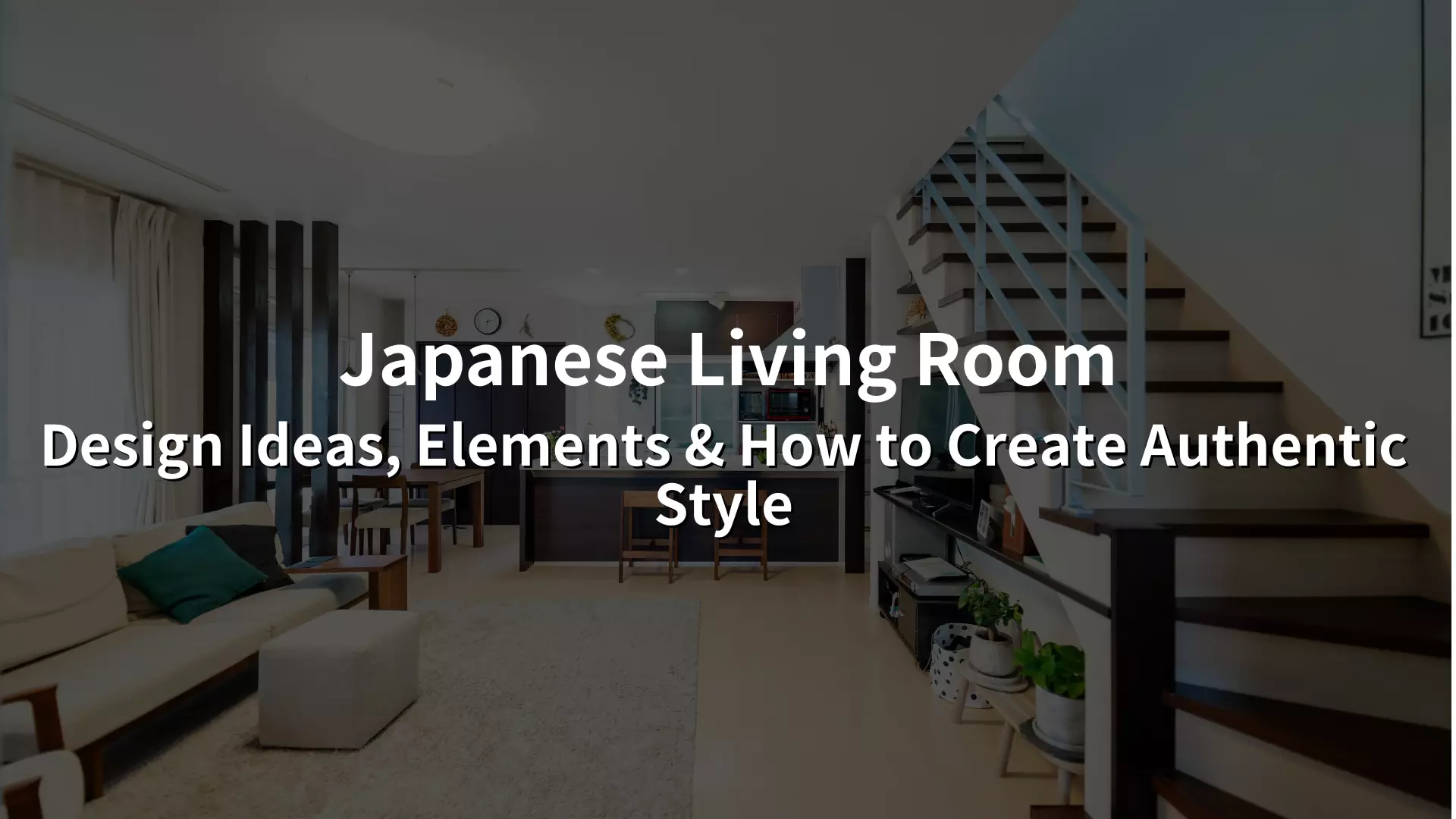
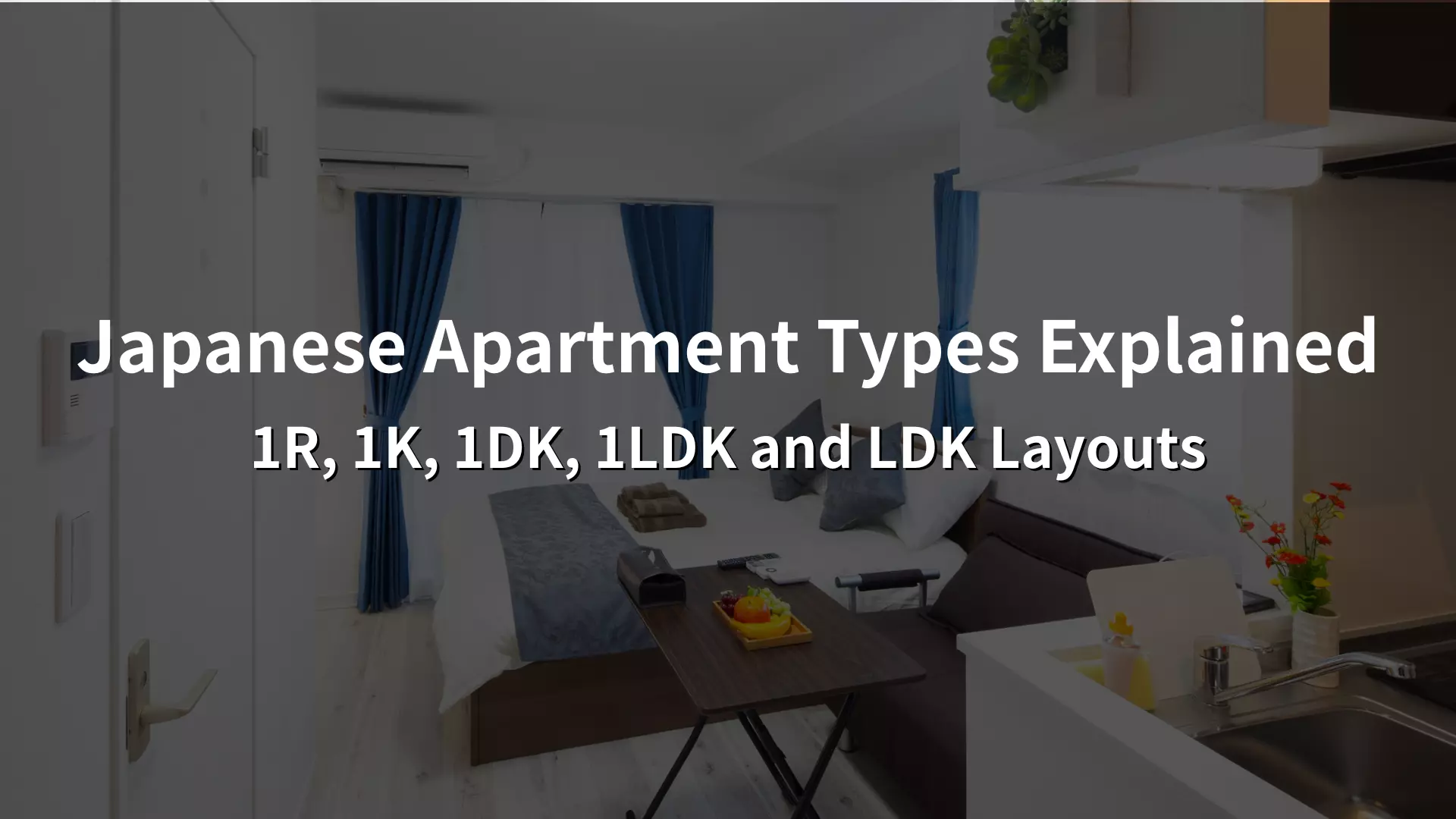
In Japanese real estate: LDK stands for Living room, Dining room, and Kitchen. It’s a standard room layout classification used in apartment listings across Japan. When you see terms like “1LDK” or “2LDK,” the number before LDK indicates how many additional rooms (typically bedrooms) the apartment has beyond the combined living-dining-kitchen space.
The rest of this article explores both meanings in detail. If you’re here for the texting definition, the next section is for you. If you’re apartment hunting in Japan, skip ahead to the real estate sections below.
LDK in Texting: Is It the Same as IDK?
LDK = Look, I Don’t Know?
In English texting culture, LDK is commonly interpreted as “Look, I Don’t Know.” The “L” at the beginning adds a sense of frustration or emphasis, as if the sender is saying, “Look, I really don’t know and I’m being straight with you.” It’s a modern abbreviation that has gained traction on platforms like TikTok, Snapchat, and in everyday text messaging.
Why It’s Often Confused with IDK
Because LDK sounds so similar to IDK, many people assume it’s a typo. After all, the letters “L” and “I” are right next to each other on most keyboard layouts. This is one reason the term generates so many search queries—people see it in a message and aren’t sure if the sender made a mistake or used a different abbreviation on purpose.
The key difference is tone. IDK is neutral (“I don’t know”), while LDK carries a bit more weight, suggesting mild exasperation or emphasis. Think of it as the difference between shrugging your shoulders and throwing your hands up.
Real Examples from Social Media
You’ll find LDK used casually in conversations on Reddit, TikTok comment sections, and group chats. For example:
“Where are we eating tonight?” — “LDK, you pick.”
“Did you study for the exam?” — “LDK what’s even on it.”
It’s informal, quick, and typically used among younger demographics who are comfortable with modern texting abbreviations and digital communication shorthand.
Search for a room
Only furnished properties with appliances are listed!
LDK Meaning in Japan Real Estate
What L, D, and K Stand For
In the Japanese housing market, LDK is one of the most common terms you’ll encounter. Each letter represents a distinct functional area within the apartment:
- L – Living room: A space designed for relaxing, entertaining, and daily living.
- D – Dining room: An area designated for eating meals, usually adjacent to or combined with the kitchen.
- K – Kitchen: The cooking and food preparation area.
In most modern Japanese apartments, these three areas are combined into a single open-concept space. This is typically larger than a DK (Dining-Kitchen) layout, which lacks a dedicated living area.
Why You See “1LDK,” “2LDK,” and “3LDK”
The number before “LDK” tells you how many separate rooms (usually bedrooms or multipurpose rooms) exist in addition to the LDK space. So a 1LDK has one bedroom plus a living-dining-kitchen area, a 2LDK has two bedrooms plus the LDK, and a 3LDK has three rooms plus the LDK. This numbering system is standard across all Japanese real estate listings and is universally understood by landlords, agents, and tenants in Japan.
How It’s Different from Studio or 1BR
If you’re coming from the U.S. or other English-speaking countries, you’re used to terms like “studio,” “1-bedroom (1BR),” and “2-bedroom.” In the Japanese system, a studio is typically called a “1R” (one room) or “1K” (one room with a separate kitchen), neither of which has a living or dining room space. A 1LDK, on the other hand, is closer to what Americans would call a spacious one-bedroom apartment with an open living and dining area.
What Is a 1LDK Apartment?
Typical Size in Square Meters
A 1LDK apartment in Japan typically ranges from 30 to 50 square meters (approximately 320 to 540 square feet). The LDK portion alone usually needs to be at least 8 tatami mats (about 13 square meters or 140 sq ft) to qualify as an “LDK” rather than a “DK.” This minimum size requirement is established by Japanese real estate industry standards.
Who Usually Lives in 1LDK Units
1LDK apartments are popular among young professionals, working couples, and expats who want more space than a basic studio (1K or 1R) but don’t need the extra rooms of a 2LDK or 3LDK. They offer a comfortable balance between affordability and livability, making them one of the most sought-after apartment categories in urban areas like Tokyo and Osaka.
Rent Range in Tokyo (2026 Update)
As of 2026, monthly rent for a 1LDK apartment in Tokyo varies significantly by neighborhood. In popular central areas like Shinjuku, Shibuya, and Minato, expect to pay between ¥120,000 and ¥200,000 (roughly $800–$1,350 USD). In more affordable neighborhoods such as Nerima, Adachi, or Katsushika, 1LDK rents typically fall between ¥70,000 and ¥110,000 ($470–$740 USD). Furnished apartments and share houses, like those offered by XROSS HOUSE, can provide a more cost-effective entry point for expats and newcomers.
Search for a room
Only furnished properties with appliances are listed!
1LDK vs 2LDK vs 3LDK: What’s the Difference?
Room Layout Comparison
Understanding the differences between 1LDK, 2LDK, and 3LDK layouts is essential for choosing the right apartment. Here’s a quick comparison:
| Layout | Rooms | Typical Size | Best For | Tokyo Rent |
| 1LDK | 1 + LDK | 30–50 m² | Singles, Couples | ¥70K–200K |
| 2LDK | 2 + LDK | 50–70 m² | Couples, Small families | ¥100K–300K |
| 3LDK | 3 + LDK | 70–90 m² | Families | ¥150K–400K+ |
Best Choice for Singles, Couples, and Families
Singles and solo expats: A 1LDK offers the right balance of space and cost. You get a private bedroom separated from your living area, which is especially valuable for remote workers who need a distinct workspace.
Couples: A 1LDK can work, but a 2LDK is ideal if you need a home office, guest room, or simply want more personal space. This is the most popular category among working couples in Japan.
Families: A 3LDK is the standard choice for families with children. The extra rooms serve as children’s bedrooms, a study area, or a dedicated Japanese-style tatami room for relaxation.
Space Planning Differences
Japanese apartments are designed with space efficiency in mind. Even a compact 1LDK will typically include built-in closets, a separate bathroom and toilet, a balcony for drying laundry, and a genkan (entry area) for removing shoes. As you move up to 2LDK and 3LDK, you gain more storage and functional room divisions, but the core layout philosophy remains the same: maximize utility in every square meter.
LDK vs DK vs 1K: Understanding Japanese Floor Plan Codes
What “DK” Means
DK stands for “Dining-Kitchen.” It’s a combined dining and kitchen space without a designated living room area. A 1DK apartment has one room plus a dining-kitchen, and the DK area is typically smaller than an LDK—usually under 8 tatami mats. DK layouts are more common in older buildings and tend to be more affordable than their LDK counterparts.
What “1K” Means
1K means “one room plus Kitchen.” The kitchen area is separated from the main room by a wall or partition, but there’s no dining or living space beyond the single main room. This is one of the most budget-friendly options for students and solo residents, and is one step up from a 1R (one room), where the kitchen is inside the living space with no partition at all.
Quick Comparison Table
| Type | Layout | Living Space | Best For |
| 1R | Single room (kitchen inside) | Smallest | Budget-conscious students |
| 1K | 1 room + separate kitchen | Small | Students, entry-level workers |
| 1DK | 1 room + dining-kitchen | Medium | Singles wanting more space |
| 1LDK | 1 room + living-dining-kitchen | Large | Professionals, couples |
Search for a room
Only furnished properties with appliances are listed!
Why LDK Layouts Are Popular in Japan
Open-Concept Living Style
The LDK layout reflects a modern Japanese approach to home design that combines the living room, dining area, and kitchen into a single, open space. This open-concept style has become increasingly popular since the late 20th century, replacing older, compartmentalized designs. It allows for better natural light distribution, easier communication between household members, and a greater sense of spaciousness—even in compact apartments.
Space Efficiency in Urban Areas
Japan’s major cities, especially Tokyo, are known for their high population density and limited living space. The LDK system allows architects and developers to maximize the use of every square meter. By combining three functions (living, dining, cooking) into one room, residents get a multifunctional space that feels larger than it would if each area had separate walls and doorways.
Cultural Housing Differences from the U.S.
American apartments are typically described by the number of bedrooms (studio, 1-bed, 2-bed), while Japanese listings use the room-count-plus-layout code system (1K, 1DK, 1LDK, etc.). Another key difference is that many Japanese apartments come unfurnished—not just without furniture, but sometimes even without light fixtures or curtain rods. This is where services like XROSS HOUSE are especially valuable for foreigners moving to Japan, as furnished options eliminate the stress of setting up a home from scratch in an unfamiliar country.
How to Read Japanese Apartment Listings
Common Abbreviations
Japanese apartment listings are full of abbreviated terms that can confuse newcomers. Here are the most important ones to know: R (Room), K (Kitchen), DK (Dining-Kitchen), LDK (Living-Dining-Kitchen), S (Service room or storage, typically a windowless room), and UB (Unit Bath, meaning the toilet, sink, and bath are all in one combined unit). Understanding these abbreviations is essential for navigating real estate search platforms.
Size (㎡) and Tatami Measurement
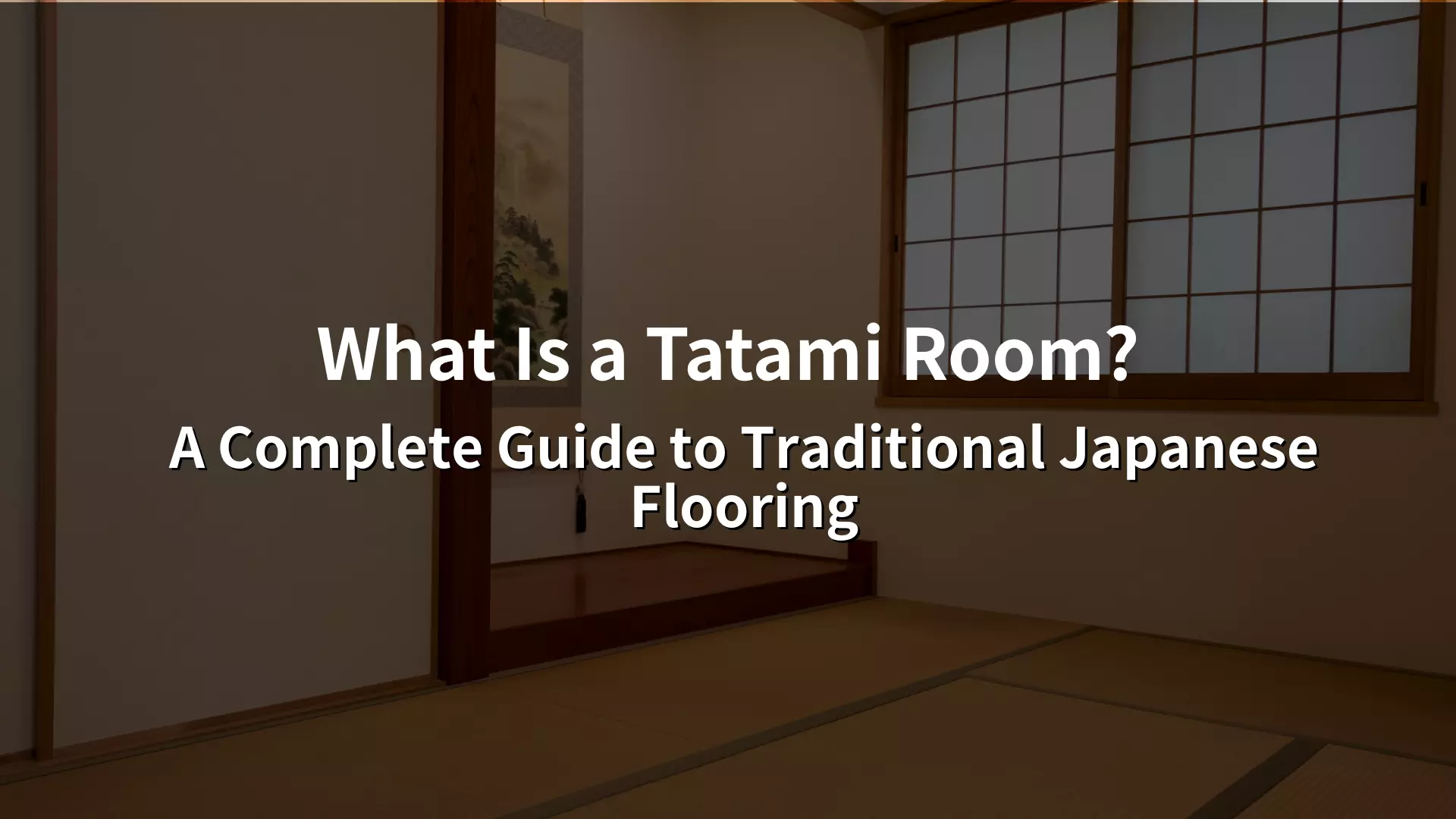
Apartment sizes in Japan are listed in square meters (㎡) and sometimes in “jō” (畳), which refers to the number of tatami mats that would fit in the room. One standard tatami mat is approximately 1.62 square meters (about 17.4 sq ft), though sizes vary slightly by region. For reference, a 6-tatami room is roughly 10 square meters (107 sq ft)—a common size for a single bedroom in a Japanese apartment.
Key Terms Foreigners Should Know
- Reikin (礼金): A non-refundable “thank you” payment to the landlord, typically one to two months’ rent.
- Shikikin (敷金): A security deposit, usually one to two months’ rent, partially refundable.
- Kanrihi (管理費): Monthly building management fees covering shared amenities and maintenance.
- Madori (間取り): Floor plan or room layout—this is where you’ll see the LDK classification.
For foreigners who find these terms overwhelming, shared apartments and furnished housing services like XROSS HOUSE simplify the process by handling contracts in English and bundling many of these costs into a straightforward monthly fee.
Is an LDK Apartment Right for You?
For Expats Moving to Japan
If you’re relocating to Japan for work, a 1LDK or 2LDK is typically the best starting point. These layouts give you enough room to live comfortably while keeping costs manageable. Many expats begin with a furnished share house or apartment through a company like XROSS HOUSE before transitioning to a private LDK unit once they’re settled and familiar with the local rental market.
For Students
Students on a budget may find a 1LDK apartment too expensive, especially in central Tokyo. A 1K or 1R is usually more realistic. However, if you’re sharing with a roommate or looking at share houses, you can effectively enjoy LDK-style common areas—a shared living room, dining space, and kitchen—at a fraction of the cost of renting an LDK apartment privately. XROSS HOUSE share houses are designed exactly this way, with modern LDK common spaces and affordable private rooms.
For Remote Workers
Remote workers benefit from having a dedicated bedroom separate from their living and working area. A 1LDK provides this separation naturally, and a 2LDK is even better since you can turn one room into a full-time home office. Given Japan’s excellent internet infrastructure and the growing popularity of digital nomad lifestyles, LDK apartments have become a top choice for location-independent professionals living in Tokyo, Osaka, and other major cities.
FAQ About LDK Meaning
Is LDK only used in Japan?
As a real estate term, LDK is primarily used in Japan. You won’t typically see it in apartment listings in the U.S., Europe, or other Asian countries. However, as a texting abbreviation (meaning “Look, I Don’t Know”), LDK is used in English-speaking countries and on global social media platforms. The context in which you encounter the term will determine which meaning applies.
Is LDK bigger than DK?
Yes. An LDK layout is typically larger than a DK layout because it includes a living room area in addition to the dining and kitchen space. According to Japanese industry guidelines, the combined dining-kitchen area must be at least 8 tatami mats (approximately 13 m²) to qualify as an “LDK.” A DK, by contrast, serves as a smaller dining-kitchen space, typically under 8 tatami.
Can foreigners rent an LDK apartment in Japan?
Yes, foreigners can rent LDK apartments in Japan, though the process can be challenging. Many traditional landlords require a Japanese guarantor (hoshounin), a valid residence card, and sometimes Japanese language proficiency for contract signing. This is where services like XROSS HOUSE make a significant difference—they offer English-speaking support, flexible lease terms, no guarantor requirements, and furnished apartments that are ready to move into from day one. Whether you’re looking for a private apartment or a shared house with communal LDK areas, options exist for every budget and lifestyle.