What Is a Japanese Style Bathroom?
A Japanese style bathroom is a bathing space designed around the principle that washing and soaking are two separate activities. Unlike Western bathrooms where you might shower inside a bathtub or combine everything in one small room, a traditional Japanese bathroom separates the wet bathing area from the dry changing and toilet areas.
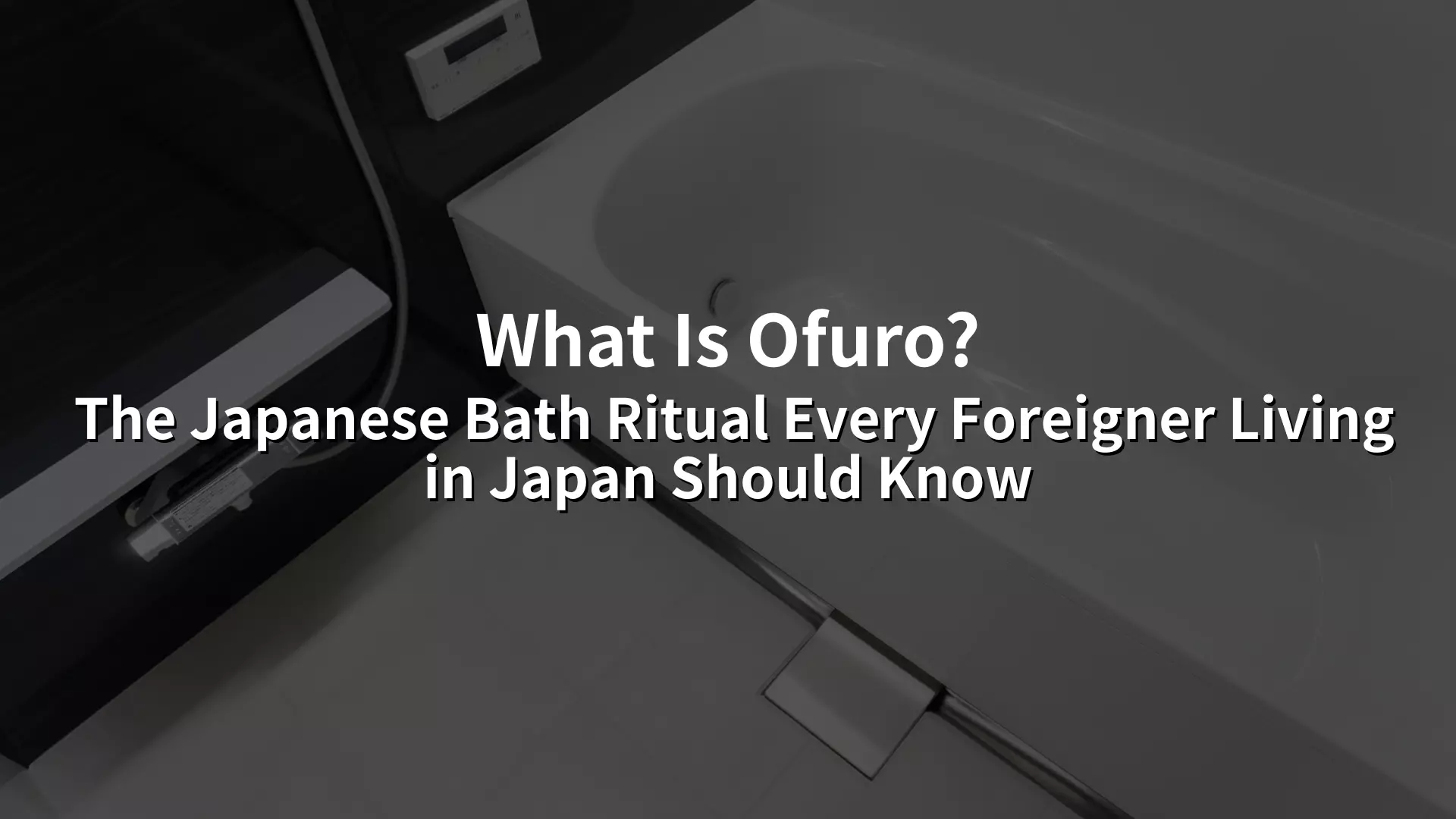
At its core, a Japanese bathroom prioritizes cleanliness, relaxation, and efficient use of space. The bathing room itself typically contains a deep soaking tub (called an Ofuro), a hand shower with a low stool for washing, and waterproof walls and floors that allow the entire room to get wet without any damage. There is no shower curtain and no concern about water splashing — the whole space is designed to handle it.
This design philosophy reflects Japanese culture, where bathing is not merely a daily chore but a ritual for both the body and the mind. The bathroom becomes a private space for quiet relaxation at the end of a long day, almost like having a personal spa inside your home.
How Japanese Bathrooms Are Different from Western Bathrooms
If you grew up with a Western-style bathroom, the differences may surprise you. In most American or European homes, the toilet, sink, shower, and bathtub all share one room. You step into the tub, pull a curtain, and do everything in one go.
In Japan, the approach is fundamentally different. The toilet is almost always in its own separate room with its own door, completely isolated from the bathing area. The sink and vanity are usually in a third zone — a changing and grooming area between the hallway and the bath. And the bathing room itself is a fully waterproof, enclosed space where you wash your body outside the tub before soaking in clean, hot water.
This separation serves both practical and cultural purposes. Hygiene is a priority: the toilet is kept away from the space where you clean yourself. Privacy is maintained because family members can use the toilet or sink without disturbing someone who is bathing. And the bath water itself stays clean because everyone rinses off before entering the tub, which means multiple family members can share the same bath water throughout the evening — a practice that also saves water and energy.
For first-time visitors to Japan, this layout can feel unusual. But once you experience it, most people discover that the Japanese system is remarkably logical and comfortable.
Search for a room
Only furnished properties with appliances are listed!
Key Elements of a Traditional Japanese Bathroom
Ofuro Soaking Tub
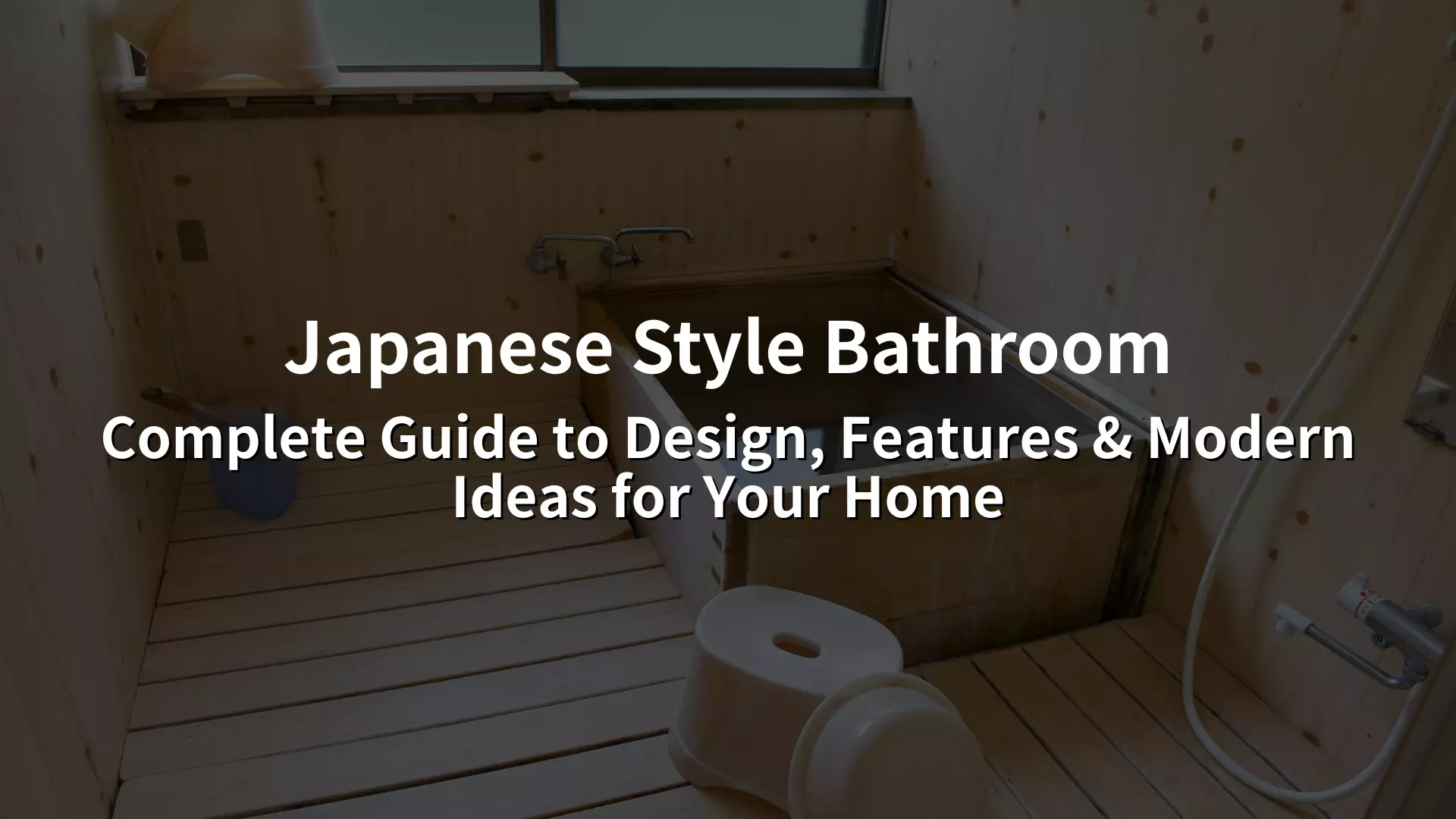
The Ofuro is the centerpiece of any Japanese style bathroom. Unlike Western bathtubs that are long and shallow, the Ofuro is deep and compact, designed so you can sit upright and soak with water up to your shoulders. Traditional Ofuro tubs are made from Hinoki (Japanese cypress) wood, which releases a soothing natural fragrance when exposed to hot water. Modern versions may be made from acrylic, stainless steel, or other materials, but the concept remains the same: deep, hot soaking for relaxation.
Separate Wet and Dry Areas
As mentioned, the Japanese bathroom is divided into clearly defined zones. The wet area (bathing room) is entirely waterproof — walls, floor, ceiling, and door are all designed to handle water. The dry area outside contains the sink, mirror, and a space for changing clothes. The toilet sits in its own small, separate room. This zoning system keeps every area clean and functional without any overlap.
Bathing Stool and Hand Shower
Inside the bathing room, you will typically find a low plastic or wooden stool and a hand-held shower head mounted at a low height. The idea is to sit on the stool, wash and rinse your entire body thoroughly, and only then step into the Ofuro tub for a long, relaxing soak. This process ensures the bath water stays perfectly clean.
Minimalist Design Philosophy
Japanese bathrooms tend to be minimalist in their design. You will not find cluttered shelves, bright colors, or excessive decoration. Instead, the focus is on clean lines, neutral and earthy color palettes, natural materials, and only the essentials. Storage is hidden or built into the room, and every object has a purpose. This minimalist approach creates a calm, spa-like atmosphere that helps you unwind.
The Ofuro: The Heart of a Japanese Style Bathroom
The Ofuro deserves special attention because it truly defines the Japanese bathing experience. The word “Ofuro” literally means “bath” in Japanese, but it has come to specifically represent the deep soaking tub that is central to the culture.
A traditional Hinoki wood Ofuro is a beautiful piece of craftsmanship. Hinoki is naturally resistant to moisture and decay, and it produces a wonderful cedar-like aroma that fills the room with a sense of calm. The wood feels warm and smooth to the touch, unlike the cold surface of a porcelain or acrylic tub.
Modern Ofuro tubs have evolved to suit contemporary living. You can now find freestanding Ofuro-style tubs made from stone composite, copper, stainless steel, or acrylic that fit into Western-style bathrooms. Many American homeowners who dream of a Japanese-inspired bathroom start by adding an Ofuro tub as the focal point of their remodel.
The key difference between an Ofuro and a standard Western bathtub is depth. A typical Western tub is about 14 to 16 inches deep, while an Ofuro can be 22 to 27 inches deep or more. This extra depth allows full-body immersion, which provides better heat therapy, improved circulation, and a far more relaxing experience.
Search for a room
Only furnished properties with appliances are listed!
Layout and Zoning: Why Separation Is Important in Japan
The Japanese approach to bathroom layout is all about intentional zoning. Each function — bathing, grooming, and using the toilet — gets its own dedicated space. This is not just an aesthetic choice; it is deeply practical.
In a typical Japanese home, you enter from the hallway into the “dressing room” (called a “datsuijo”), which contains the sink, vanity mirror, and often a washing machine. From there, a door leads into the fully enclosed bathing room. The toilet is accessed through a separate door, usually from the hallway, and is completely independent.
This layout means that one person can take a long bath while another uses the toilet or brushes their teeth without any conflict. Privacy is respected, and the space functions efficiently even in small apartments. For anyone who has shared a single bathroom with family or roommates, the Japanese system feels like a revelation.
In modern Japanese apartments, even very compact units manage to maintain this three-zone system. Builders use clever space-saving techniques like sliding doors, built-in storage, and prefabricated bathroom units (called “unit baths”) that pack all the necessary features into a surprisingly small footprint.
Natural Materials Used in Japanese Bathroom Design
Wood: Hinoki and Beyond
Wood is perhaps the most iconic material in Japanese bathroom design. Hinoki (Japanese cypress) is the gold standard, prized for its water resistance, antibacterial properties, and heavenly scent. Beyond Hinoki, other woods like Sawara cypress and Koya-maki (Japanese umbrella pine) are also used for tubs and interior accents.
In modern Japanese bathrooms, wood may appear as wall paneling, bath accessories, or the tub itself. Even in contemporary designs, a touch of natural wood adds warmth and connects the space to nature — a core principle of Japanese aesthetics.
Stone and Tile
Natural stone and tile are widely used for flooring and walls in the wet area. River stones, slate, granite, and smooth pebble tiles create a grounding, organic feel that complements the wood elements. Many Japanese bathrooms use large-format tiles in muted tones of grey, beige, or cream to maintain a clean and serene atmosphere.
Stone basins and sinks are also common, adding a sculptural, artisan quality to the space. These natural materials age beautifully and develop character over the years, which aligns with the Japanese appreciation for wabi-sabi — the beauty of imperfection and the passage of time.
Neutral and Earthy Color Palettes
The color palette of a Japanese bathroom is intentionally subdued. Think soft whites, warm greys, pale greens, sandy beiges, and the natural tones of wood and stone. Bright or bold colors are rare. This restrained palette creates a visual calm that supports relaxation and reflects the natural world outside — an important element of Japanese design philosophy.
Search for a room
Only furnished properties with appliances are listed!
Modern Japanese Bathroom Features
Smart Toilets and Washlet Technology
Japan is famous for its high-tech toilets, and for good reason. The Washlet, originally developed by TOTO, has become a standard feature in Japanese homes, hotels, and even public restrooms. These smart toilets include heated seats, adjustable water spray for cleansing, air dryers, deodorizers, and sometimes even music or white noise to add privacy. You will find them everywhere from luxury hotel suites to budget accommodations.
For many visitors to Japan, the smart toilet is one of the most memorable discoveries of the trip. Washlet-style seats can now be purchased and installed on standard toilets in the U.S., making this one of the easiest Japanese bathroom features to add to your own home.
Bathroom Drying Systems
Many modern Japanese bathrooms include a built-in ventilation and drying system installed in the ceiling of the bathing room. This system serves multiple purposes: it ventilates moisture after bathing, dries the room to prevent mold, and can even be used to dry laundry on rainy days. Some units also include a heating function, which warms the bathing room before you step in — a perfect feature for cold winter mornings.
Heated Floors
Stepping onto a cold bathroom floor in the middle of winter is unpleasant no matter where you live. Many Japanese bathrooms solve this with heated floor systems, either electric or hydronic, that keep the floor at a comfortable temperature year-round. This feature adds a layer of luxury and comfort that pairs perfectly with the overall spa-like atmosphere.
Compact Space Efficiency
Japan is a country where living space is often limited, and Japanese bathroom design reflects this reality. Even in small apartments, Japanese bathrooms manage to include a deep soaking tub, a shower area, and all necessary storage within a remarkably compact footprint. Prefabricated unit baths, which are manufactured as complete modular rooms and installed in one piece, are a uniquely Japanese innovation that maximizes every square inch.
This space efficiency is one of the reasons Japanese bathroom design has become so popular worldwide. Homeowners with small bathrooms in the U.S. and Europe are discovering that Japanese design principles can transform a cramped space into something that feels open, functional, and luxurious.
Japanese Style Bathroom Design Ideas for Your Home
Ideas for Small Bathrooms
If you have a small bathroom, Japanese design is actually your perfect ally. The key is to embrace minimalism: remove unnecessary items, use built-in storage or floating shelves, choose a compact Ofuro-style tub instead of a full-length Western bathtub, and keep the color palette light and neutral. A glass partition instead of a shower curtain can make the room feel more open, and natural wood accents add warmth without visual clutter.
Consider a wall-mounted sink to free up floor space, and install a rain shower head directly above the soaking tub if you do not have room for a separate shower area. Every element should earn its place in the room.
Spa-Inspired Designs
For those who dream of turning their bathroom into a spa-like retreat, Japanese design offers endless inspiration. Think river stone flooring, a freestanding Hinoki or stone Ofuro tub, ambient lighting, and a small indoor plant like bamboo or a fern. Add a wooden bathing stool and a simple cedar bucket for rinsing, and you have created an authentic Japanese bathing experience at home.
Aromatherapy elements — such as Hinoki essential oil or yuzu citrus — can enhance the sensory experience. Here are a few extra tips: keep towels in rolled stacks rather than hung on racks, and use natural fiber baskets for storage to maintain the organic, tranquil aesthetic.
Contemporary Japanese Fusion
You do not have to commit to a fully traditional Japanese bathroom to enjoy its benefits. Many modern designers blend Japanese elements with contemporary Western style to create a fusion look. For example, you might pair a sleek freestanding tub with a wooden accent wall, install a Washlet smart toilet alongside modern vanity cabinetry, or use large-format concrete tiles with warm wood trim.
The goal is to capture the essence of Japanese bathroom design — simplicity, natural materials, intentional use of space, and a focus on relaxation — while adapting it to your personal style and the existing architecture of your home.
How to Create a Japanese Style Bathroom in the U.S.
Creating a Japanese style bathroom in an American home is absolutely possible, though it does require some planning. Here are some practical tips and the main steps to consider:
First, think about layout. If you can, separate the toilet from the bathing area. Even adding a small partition wall or a pocket door can make a big difference. If a full separation is not feasible, focus on creating a clear visual division between the bathing zone and the rest of the room.
Second, choose your tub. An Ofuro-style soaking tub is the single most impactful addition you can make. Several American and Japanese manufacturers now offer Ofuro tubs designed for Western plumbing systems. Look for tubs that are at least 22 inches deep and sized to fit your space.
Third, waterproof the bathing area properly. In Japan, the entire bathing room is designed to handle water on every surface. If you want to replicate this in the U.S., you will need professional waterproofing on the floor and walls of the shower and tub area, along with a proper floor drain.
Fourth, select natural materials. Use wood accents (Hinoki if budget allows, or teak and cedar as alternatives), stone or pebble tile for flooring, and a neutral color scheme. Keep the design simple and uncluttered.
Finally, add modern features. A Washlet toilet seat, a hand-held shower, a ventilation system, and heated floors are all readily available in
the U.S. market and will bring your Japanese bathroom to life.
How Much Does It Cost to Build or Remodel a Japanese Style Bathroom?
The cost of creating a Japanese style bathroom varies widely depending on the scope of the project, materials chosen, and your location. Here is a general overview to help you plan:
A basic Japanese-inspired refresh — adding a Washlet toilet seat, a wooden bath stool, minimalist accessories, and a new color palette — can be done for around $500 to $2,000. This is a great starting point if you want to introduce Japanese elements without a full remodel.
A mid-range remodel that includes a new Ofuro-style soaking tub, updated tile work, improved waterproofing, and a layout adjustment to separate the toilet area typically costs between $10,000 and $25,000, depending on the size of the room and the materials used.
A high-end, full Japanese bathroom build — with a custom Hinoki wood Ofuro, natural stone flooring, heated floors, a smart toilet, a ceiling-mounted drying system, and professional waterproofing — can range from $30,000 to $60,000 or more. Custom Hinoki tubs alone can cost $3,000 to $10,000 or higher, depending on the size and craftsmanship.
It is always advisable to work with a contractor or designer who has experience with Japanese or Asian-inspired bathroom design, as waterproofing requirements and layout considerations differ from a standard American bathroom remodel. Interior design experts recommend getting tips from professionals who specialize in wet-room construction before starting your project.
Pros and Cons of a Japanese Style Bathroom
Pros
- Hygienic separation of toilet, bathing, and grooming areas
- Deep Ofuro soaking tub provides superior relaxation and therapeutic benefits
- Minimalist design creates a calm, spa-like atmosphere
- Efficient use of space, even in small rooms
- Natural materials like Hinoki wood and stone add beauty and durability over the years
- Modern features like smart toilets and heated floors enhance daily comfort
- Water-saving potential, as bath water can be shared and reused for laundry
Cons
- Higher upfront cost for quality materials and proper waterproofing
- Hinoki and other specialty woods require maintenance to prevent drying out
- Full layout separation may not be feasible in every home
- Ofuro tubs require more water per fill than standard Western bathtubs
- Some features, like ceiling-mounted drying systems, may be harder to find from U.S. suppliers
- Resale considerations: a highly specialized bathroom design may not appeal to all buyers
Experiencing a Japanese Bathroom in Real Homes in Japan
Reading about Japanese bathrooms is one thing, but actually living with one is an entirely different experience. If you are planning a trip to Japan, moving to Tokyo for work, or just curious about Japanese daily life, there is a way to immerse yourself in authentic Japanese living without the commitment and expense of renting a traditional apartment.
XROSS HOUSE operates shared houses and furnished apartments across Tokyo, offering private rooms in thoughtfully designed properties that feature real Japanese bathrooms. When you stay at a XROSS HOUSE property, you get to experience the separated layout, the deep soaking tub, and all the modern bathroom features that define Japanese living — along with a fully furnished room, shared kitchen and living spaces, and a welcoming community of residents from around the world.
For expats, digital nomads, students, and travelers who want to discover what daily life in Japan actually feels like, XROSS HOUSE provides an easy, affordable entry point. All utilities are included, there is no need for a Japanese guarantor, and the move-in process is simple and foreigner-friendly. You can start experiencing a genuine Japanese lifestyle — including the bathroom culture — from day one.
Whether you are staying for a few months or settling in for the long term, living in a space with a real Japanese bathroom will give you a deeper appreciation for the design principles discussed throughout this article. It is the kind of everyday luxury that changes how you think about your home, even after you leave Japan.
Frequently Asked Questions About Japanese Style Bathrooms
What is the difference between an Ofuro and a regular bathtub?
An Ofuro is a deep soaking tub designed for sitting upright and immersing your body up to the shoulders. It is shorter in length but significantly deeper than a standard Western bathtub. Traditional Ofuro tubs are made from Hinoki wood, though modern versions come in various materials. The key difference is the bathing ritual: you wash and rinse outside the tub first, then soak in clean water.
Why is the toilet separate in Japanese bathrooms?
Separating the toilet from the bathing area is a fundamental part of Japanese hygiene culture. It keeps the toilet space, which is considered less clean, away from the space where you wash and relax. It also improves privacy and allows multiple people to use different zones of the bathroom simultaneously.
Can I install a Japanese style bathroom in a small apartment?
Yes. Japanese bathrooms are actually designed with small spaces in mind. Prefabricated unit baths in Japan fit complete bathing setups into incredibly compact areas. In a U.S. apartment, you can adopt Japanese principles by adding a deep soaking tub, using a hand shower, maximizing storage, and keeping the design minimal and clutter-free.
Are Japanese smart toilets worth it?
Most people who try a Washlet-style smart toilet never want to go back. Heated seats, water cleansing, and air drying provide a level of comfort and hygiene that traditional toilet paper cannot match. Entry-level Washlet seats start at around $200 to $400 and are easy to install on most standard toilets in the U.S.
How do Japanese bathrooms prevent mold?
Japanese bathrooms are built with waterproof materials and include powerful ventilation and drying systems. The ceiling-mounted dryer circulates warm air throughout the room after bathing, removing moisture and preventing mold growth. Proper ventilation and the use of mold-resistant materials are built into the design from the start.
What does it feel like to live with a Japanese bathroom every day?
Living with a Japanese bathroom transforms your daily routine. The evening bath becomes a ritual you look forward to, not just a quick task. The separation of spaces makes everything feel more organized and peaceful. If you want to experience this lifestyle firsthand, XROSS HOUSE shared houses in Tokyo offer fully equipped Japanese bathrooms as part of the living experience.
Final Thoughts: Is a Japanese Style Bathroom Right for You?
A Japanese style bathroom is more than a design trend. It is a philosophy that values cleanliness, relaxation, simplicity, and respect for natural materials. Whether you are drawn to the deep soak of an Ofuro tub, the high-tech comfort of a smart toilet, or the calm beauty of Hinoki wood and stone, there is something in Japanese bathroom design for everyone.
If you are considering a bathroom remodel, even small changes inspired by Japanese design — like separating your toilet area, adding a hand shower, or choosing a more minimalist color palette — can make a meaningful difference in how your space looks and feels.
And if you truly want to understand what makes Japanese bathrooms special, the best advice we can give is to experience one in person. XROSS HOUSE makes that easy by offering comfortable, fully furnished shared living spaces across Tokyo where you can enjoy authentic Japanese bathroom culture as part of your everyday life. Whether you are visiting for a month or relocating for years, it is an experience that will change the way you think about home.
Discover your perfect room at XROSS HOUSE and start living the Japanese way today.