What Does 1R Mean in Japan?
Definition of a 1R Apartment
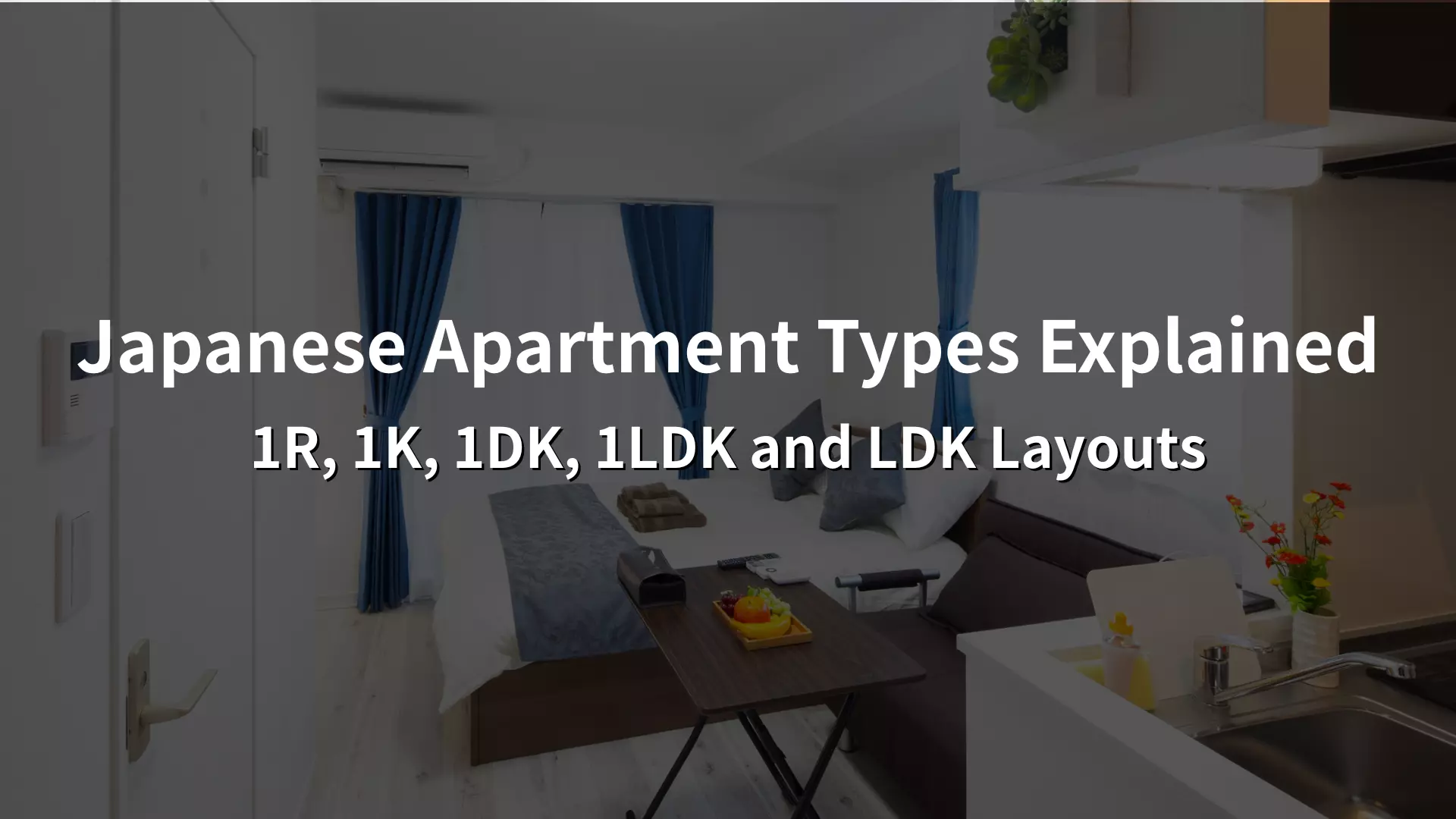
In Japan's real estate market, 1R stands for "One Room." It refers to a self-contained apartment where the bedroom, living area, and kitchen are all contained within a single undivided room. There is no separate kitchen space — the cooking area is built directly into the main room, typically along one wall.This housing category is one of the most common in Japanese cities, especially in dense urban areas like Tokyo, Osaka, and Nagoya where land is scarce and compact living is the norm.
Why It's Called "1R"
The "1" in 1R refers to the number of rooms, and "R" stands for Room. Japanese property listings use a standardized shorthand to describe apartment layouts: the number indicates how many rooms exist beyond the kitchen or dining area, and a letter suffix indicates what kind of common space (if any) is attached.Other common layout codes include 1K (one room + separate kitchen), 1DK (one room + dining-kitchen), and 1LDK (one room + living-dining-kitchen). The 1R is the simplest and most compact configuration of them all.
How It Differs from Western Studio Apartments
Many Americans assume a 1R is simply the Japanese word for "studio apartment," but there are meaningful differences. In the U.S., a studio typically features an open-plan layout with a defined kitchen area, often including a full-size oven, dishwasher, and ample counter space. In a Japanese 1R, the kitchen is often just a single or double burner cooktop, a compact sink, and minimal counter space — all fitted into a few feet of wall.
The overall floor plan is also generally smaller than a typical American studio, sometimes as compact as 130–160 square feet (12–15 m²). This reflects the different expectations around personal living space in Japanese urban culture.
What Is Included in a 1R Apartment Layout?
Typical Size of a 1R (Square Meters & Square Feet)
Most 1R apartments in Japan range from 13 m² to 25 m² (approximately 140 to 270 square feet). The average sits around 18–20 m² (about 195–215 sq ft). By U.S. standards this is extremely compact — the average American studio is closer to 500–600 square feet — but 1R units are designed to be highly efficient spaces where every inch is intentional.
Kitchen and Bathroom Arrangement
Even in a 1R where the kitchen is inside the main room, the bathroom and toilet are housed separately. Most apartments include a unit bath (a pre-fabricated bathroom module combining a shower/tub and sink) and a separate toilet room. Some older buildings combine the toilet inside the bathroom (called a "3-point unit"), which most renters prefer to avoid.
The kitchen in a standard 1R is typically a single or double IH or gas cooktop, a compact sink, and a small counter. There is rarely an oven or dishwasher. A designated space for a mini-refrigerator is usually included along the kitchen wall.
Common Floor Plan Examples
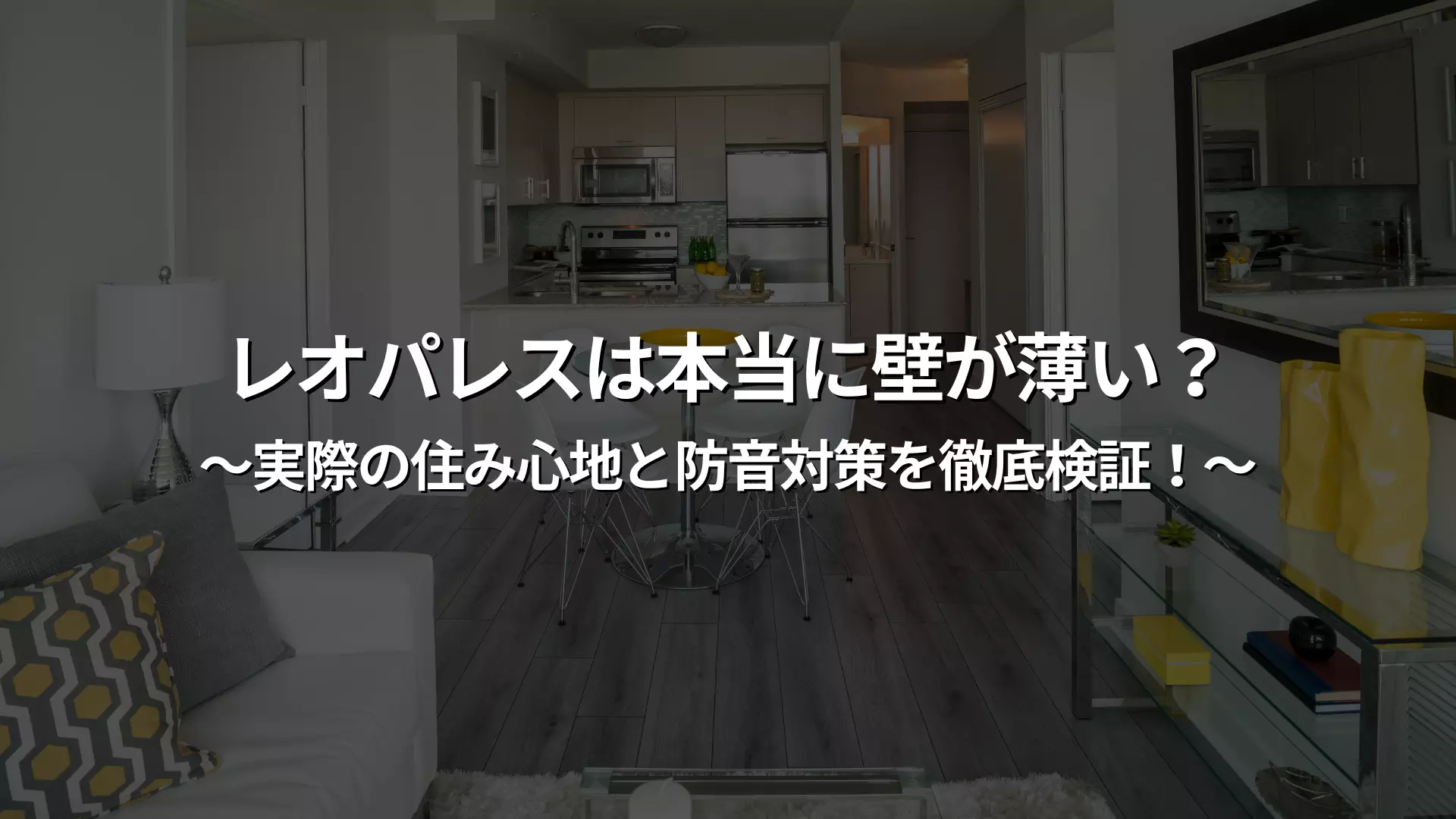
A typical 1R floor plan has the entrance (genkan) leading directly into the main room, with the kitchen running along one wall. A sliding-door closet (oshi-ire) is built into another wall for storage. South-facing units (nansou) are prized for natural light and command slightly higher rents.
Modern 1R apartments in newer buildings sometimes include a loft area above the main floor, effectively adding a sleeping space while keeping the ground-level room open — a clever way to maximize the feel of a small square footage.
Search for a room
Only furnished properties with appliances are listed!
1R vs 1K vs Studio: What's the Difference?
1R vs 1K
The key distinction between a 1R and a 1K is whether the kitchen is separated from the main room. In a 1K, there is a small but distinct kitchen space — typically 2 to 4.5 tatami mats (roughly 3–7 m²) — divided from the bedroom and living area by a door or clear physical boundary. This allows you to close off cooking smells and keep your sleeping space cleaner.
In a 1R, no such division exists. The kitchen is right there with you at all times. For solo renters on a tight budget who eat out frequently, a 1R is typically ¥5,000–¥15,000 per month cheaper than a comparable 1K. For those who cook regularly or want better spatial separation, a 1K is usually the more livable choice.
1R vs Studio Apartment in the U.S.
An American studio and a Japanese 1R serve the same general purpose — solo living in one open space — but they differ significantly in scale and amenities. U.S. studios average around 400–600 sq ft and typically include a proper kitchen with full-size appliances, higher ceilings, and more storage. A Japanese 1R is usually 150–250 sq ft, with a micro-kitchen and minimal storage built into the walls.
Another important difference: American studios often come unfurnished but with appliances included. Japanese 1R apartments are almost always delivered completely empty — no appliances, no curtains, no light fixtures — unless explicitly marketed as furnished (家具付き, kagutsuki).
Which One Is Better for Foreigners?
For foreigners new to Japan, a 1K is generally more comfortable than a 1R as a first apartment. The slightly larger size and separated kitchen make daily life more manageable while you're adjusting to compact Japanese living. However, if budget is the primary concern and you eat out or use delivery services most of the time, a 1R is perfectly workable. Many students and young professionals thrive in them.
How Much Does a 1R Apartment Cost in Japan?
Average Rent in Tokyo
In Tokyo, monthly rent for a 1R apartment typically ranges from ¥45,000 to ¥90,000 (approximately $290–$580 USD), depending heavily on the ward (ku), building age, floor, and proximity to train stations. Central wards like Shibuya, Shinjuku, and Minato tend to be significantly more expensive than outer wards like Adachi, Edogawa, or Katsushika.
As a general reference: expect to pay ¥75,000–¥95,000/month for a 1R in the most central areas, ¥55,000–¥75,000 in mid-ring residential neighborhoods, and ¥40,000–¥60,000 in the more affordable outer wards.
Initial Move-in Costs
One of the biggest financial surprises for foreigners renting in Japan is the scale of upfront costs. Traditional Japanese lease agreements typically require several large payments before you receive the keys. These include shikikin (security deposit, usually 1–2 months' rent), reikin (key money, a non-refundable gift to the landlord of 1–2 months' rent — this practice is declining but still common), an agency fee (usually 1 month's rent), first month's rent, and fire insurance (typically ¥15,000–¥20,000 per 2-year period).
For a ¥60,000/month 1R, total move-in costs could realistically reach ¥250,000–¥360,000 (roughly $1,600–$2,300 USD) before you've spent a single night in the apartment.
Is 1R the Cheapest Option?
Yes, generally speaking. The 1R is Japan's most affordable standard rental apartment type. Its small size, simple layout, and integrated kitchen make it the natural choice for budget-conscious renters. If keeping monthly costs low is the priority and you're comfortable with compact, open-plan living, the 1R is Japan's most accessible rental category.
Search for a room
Only furnished properties with appliances are listed!
Who Should Choose a 1R Apartment?
Students
1R apartments are extremely popular among university students in Japan, both domestic and international. They are affordable, widely available near campus areas, and provide all the independence of solo living without the cost of larger units. Many university neighborhoods — around Waseda, Keio, or the University of Tokyo, for example — have dense clusters of budget 1R buildings built specifically for student demand.
Working Professionals
Young professionals starting their career in Tokyo often choose a 1R as their first apartment. With long working hours and a tendency to eat at restaurants or convenience stores (konbini), the lack of a proper kitchen is rarely a serious inconvenience. The money saved on rent can go toward savings, social activities, or investing in a nicer neighborhood.
Short-Term Residents & Expats
Expats on short-term assignments, language school students, and remote workers on a working holiday visa frequently rent 1R apartments for 6–12 months. The low monthly rent makes mid-length stays financially manageable, though securing a traditional lease for under a year can be difficult — making furnished options or monthly-rate apartments a smarter path for stays of less than six months.
Pros and Cons of Living in a 1R
Advantages
The most obvious advantage is cost — a 1R is the cheapest way to have your own private space in a Japanese city. Utility bills are minimal given the small square footage. The space is quick to clean, simple to heat or cool, and easy to manage for someone who spends most of their time outside the home. For minimalists or people who simply don't own much, a 1R is often more than sufficient.
Disadvantages
The downsides are equally real. Cooking smells from even a simple meal will fill the entire room within minutes. Storage is extremely limited — wardrobes are built-in and shallow, and there is rarely anywhere to store bicycles, sports equipment, or large luggage. Working from home is uncomfortable when your desk, bed, kitchen, and everything else occupy the same 18 square meters. Hosting guests is essentially impossible.
Is It Too Small for Two People?
Most 1R lease agreements explicitly permit only one resident, and landlords enforce this. Even ignoring the contractual issue, a 15–20 m² room is genuinely too small for two people to share full-time without significant friction. Couples or partners moving to Japan together should look at 1DK or 1LDK units, which offer a proper living area and sleeping space in separate rooms.
Search for a room
Only furnished properties with appliances are listed!
Can Foreigners Rent a 1R Apartment in Japan?
Common Challenges
Renting as a foreigner in Japan is possible, but it comes with well-documented hurdles. Many landlords are hesitant to rent to non-Japanese tenants due to concerns about language barriers, different expectations around tenancy norms, and limited legal recourse if a foreign tenant leaves suddenly. Surveys suggest that over half of private landlords in Tokyo have some reluctance to rent to foreigners, though the situation has been gradually improving.
Required Documents
To rent a standard 1R apartment in Japan you will generally need a valid residence card (Zairyu Card), a Japanese bank account, proof of income or employment, and a Japanese phone number. Most landlords also require a guarantor — either a Japanese national who co-signs the lease or enrollment with a guarantor company (hoshougaisha), which adds a monthly fee of around 0.5–1% of rent.
Why Many Landlords Reject Foreigners
The reluctance typically stems from communication concerns: landlords worry about lease conditions being misunderstood, confusion over waste sorting rules, noise expectations, or maintenance obligations. Choosing a real estate agent that specializes in foreign clientele — agencies like Real Estate Japan, Sakura House, or GaijinPot Apartments — significantly increases your chances of a successful application by providing bilingual support and pre-screened landlords.
Where to Find Foreign-Friendly 1R Apartments in Tokyo
Furnished vs Unfurnished 1R
Standard Japanese rental apartments come completely bare. If you're staying for a year or more, furnishing from scratch using second-hand apps like Jimoty or local recycle shops is cost-effective. For shorter stays, a furnished 1R (家具家電付き, kagu kaden tsuki) eliminates the upfront cost of buying appliances and the hassle of disposing of everything when you leave — expect to pay a 10–20% rent premium for this convenience.
For listings, Suumo, Homes.co.jp, and GaijinPot Apartments are good starting points. For English-language support throughout the application process, agencies that specialize in foreign renters save a significant amount of time and stress.
Why XROSS HOUSE Is a Flexible Alternative
If you're new to Japan, uncertain about your long-term plans, or simply want to avoid the substantial upfront costs and paperwork of a traditional 1R lease, XROSS HOUSE offers a practical alternative. XROSS HOUSE provides fully furnished private rooms and share houses in central Tokyo with flexible monthly contracts — no key money, no security deposit, and no Japanese guarantor required.
For expats, language students, and remote workers arriving in Japan for the first time, XROSS HOUSE fills the gap between expensive short-term hotels and the complex paperwork of a traditional lease. You get the privacy of your own room with the community and support structure of a well-managed sharehouse — something a bare-walled 1R simply can't offer a newcomer landing in Tokyo without a local network.
Summary: Is a 1R Apartment Right for You?
The 1R (One Room) apartment is Japan's most compact and affordable rental option — a single undivided space where your bedroom, living area, and kitchen coexist under one roof. It is the natural starting point for budget-conscious students, young professionals, and solo city dwellers who prioritize location and low monthly costs over space and comfort.
If you cook often, work from home, need storage space, or plan to share the apartment with a partner, a 1R will quickly feel limiting. A 1K or larger unit is worth the extra cost. But if you spend most of your time outside the apartment, travel light, and want the most affordable foothold in a Japanese city, a 1R is an entirely practical and popular choice — one that tens of thousands of people live in happily every day across Tokyo and beyond.
For those arriving in Japan without a local guarantor, bank account, or the patience for weeks of paperwork, furnished options and share houses like XROSS HOUSE offer a smarter entry point — flexible, all-inclusive, and designed specifically for the realities of international living in Japan.