Is it possible to invite friends to a shared house?
Because share houses involve multiple residents living together, the rules and conditions regarding visitors differ from those of typical rental properties. Whether or not you can invite friends over depends on the rules of each property and the policies of the management company. In popular areas of Tokyo and properties near train stations, many share houses have strict rules, so it is important to check them carefully beforehand. Here, we will explain in detail the "rules that vary from property to property," "characteristics of share houses that allow visitors," and "general rules regarding visitors in share houses."
Rules vary depending on the property.
The rules regarding visitors in a shared house are set by the management company or owner. Basically, they can be categorized into three types: "properties where you can freely invite friends," "properties where you can invite friends if certain rules are followed," and "properties where visitors are completely prohibited."
1. A shared house where you can freely invite friends over.
- Residents can invite friends at their discretion.
- You are free to stay overnight (however, additional charges may apply if you exceed a certain number of stays).
- They are often located in areas close to train stations with good access, and are very popular.
2. Share houses where you can invite guests as long as you follow certain rules.
- Time restrictions (e.g., no visitors allowed after 10 PM)
- Prior application required (Residents and management company must contact each other in advance)
- Accommodation restrictions (overnight stays are not permitted, or are only allowed for a limited number of times)
- Only specific spaces are permitted (private rooms only, shared spaces are not).
3. A shared house where visitors are strictly prohibited.
- Visitors are strictly prohibited for privacy and security reasons.
- Common in women-only share houses and high-security properties operated by companies.
- As you can see, each property has different rules, so it's important to check them carefully before moving in.
Characteristics of a shared house where visitors are allowed
Share houses that make it easy to invite friends over share some common characteristics. By keeping the following points in mind, you can choose an environment where you can freely enjoy having guests over.
1. The rules are clearly defined.
- The contract and move-in guide clearly state things like "Visitors OK" and "Overnight stays OK."
- Conversely, the prohibited items are not strictly written.
2. The shared spaces are spacious.
- The living room and kitchen are spacious and can be used freely by the residents.
- A comfortable environment for inviting friends over (some properties even have party rooms).
3. The management company and owners are friendly.
- A management system that allows for flexible responses.
- It's reassuring to be able to check the rules for visitors when making an inquiry.
4. Past residents have commented that it's "easy to invite friends over."
- Check reviews and word-of-mouth for information such as "welcoming atmosphere for guests."
5. Active interaction among residents
- Community-style shared housing tends to have more relaxed rules regarding visitors.
- In some cases, events and parties are held regularly.
By choosing a share house with these characteristics, you can ensure an environment where you can easily invite friends over.
Typical rules for guests in a shared house
The rules for shared houses vary from property to property, but generally, the following rules are in place:
1. Time limits for visitors
- You can call them freely during the day, but not at night (after 10 PM).
- When staying for extended periods, it is necessary to be considerate so as not to disturb the residents.
2. Prior notice is required.
- Inform your roommates and the management company in advance.
- Visitors without prior application are often prohibited.
- The rules can be particularly strict when inviting friends of the opposite sex.
3. Restrictions on the use of shared spaces
- Kitchens and living rooms are prioritized for residents.
- The premise is that inviting friends over will "not disrupt the comfortable lives of the residents."
4. Availability of accommodation
- Even properties that allow overnight stays may require "prior application" and "payment of accommodation fees."
- If you allow guests to stay in a property where it's not permitted, you may be asked to leave.
5. Protect security and privacy
- Control access for non-residents.
- Lending or borrowing keys is strictly prohibited.
- Use of shared spaces should be discussed with other residents.
By following these rules, you can invite friends over while avoiding conflicts with other residents.
Specific rules and precautions when inviting friends over
Because a share house is an environment where multiple residents live together, certain rules are established when inviting friends over. By following these rules, you can prevent conflicts with other residents and enjoy a comfortable life.
Here, we will explain in detail four key points: "Time restrictions for visitors," "Rules for using shared spaces," "Whether or not overnight stays are permitted and whether prior application is required," and "Consideration for other residents."
Time limits for visitors (What time is it okay until?)
In many shared houses, there are restrictions on the hours when visitors are allowed, so you can't just come and go as you please.
The general rules are as follows:
1. What time of day is suitable for inviting friends over?
- General visitor hours: 10:00 AM to 10:00 PM
- Many properties do not allow visitors at night (after 10 PM).
- While there are some shared houses with no time limits, they are a minority.
2. Why is there a time limit?
- To prevent noise problems
- If residents go to bed early due to work or school, late-night visitors can be a nuisance.
- Security measures
- Frequent coming and going at night increases the risk of intruders entering the premises.
- Manners for living together
- To protect the environment so that other residents can relax
3. Cases where a late time is acceptable as an exception.
- If the management company and residents agree
- If you have permission for the event or party
- If accommodation is permitted (see below)
Visitor hours vary from house to house, so it's important to check before moving in.
Rules for using shared spaces
In a shared house, there are rules for using common spaces such as the living room, kitchen, and bathroom. This article explains how to use these spaces when inviting friends over, and points to keep in mind.
1. Basic rules for using shared spaces
- You can use it just like a resident, but prolonged occupancy is prohibited.
- Eating and chatting are OK, but loud noises and other disruptive behavior are not.
- Please refrain from going out during busy times, as roommates have priority.
- I also encourage my friends to "clean up after using things."
2. Unacceptable uses of shared spaces
- Taking over the living room with friends: Avoid using it for extended periods, as this prevents other residents from relaxing.
- Using the kitchen with many people: Avoid cooking with a large group, as it will interfere with the resident who is cooking.
- Allowing friends to use the bathroom and toilet freely: Residents have priority, so prior confirmation is necessary if a friend wants to use them.
- Allowing friends into residents' private spaces: To protect the privacy of other residents, limit their access to the bare minimum necessary area.
3. Tell your friends the rules for the shared space.
Before inviting friends over, explain the rules such as "don't make too much noise," "don't occupy the space for too long," and "put things away after you've used them" to prevent potential conflicts with other residents.
Availability of accommodation and whether prior application is required.
In shared housing, some properties allow friends to stay overnight, while others prohibit it; the rules vary from property to property.
1. General Accommodation Rules
- A share house where overnight stays are strictly prohibited: It prohibits anyone other than residents from staying overnight (for security reasons, etc.).
- Share houses where overnight stays are permitted with prior application: You need to get permission from the management company or owner in advance. Accommodation fees may apply.
- Share houses where guests can stay freely: Friends and lovers can stay over whenever they like (though this is a minority).
2. Procedures when prior application is required
Even in shared houses that allow overnight stays, the following rules are often in place:
- Contact the management company in advance and obtain their approval.
- We will also inform the other residents in advance.
- There are limits on the number of nights you can stay (e.g., up to 3 times per month).
- Accommodation costs (including utility bills) may be incurred.
3. Penalties if unauthorized stay is discovered
Allowing someone to stay without permission may result in the following penalties:
- Warning from the management company
- Trouble with residents
- In the worst-case scenario, the contract will be terminated (forced eviction).
If you wish to stay overnight, it is essential to check the rules in advance and act accordingly.
Consideration for other residents
Since a shared house is a place for communal living, it's essential to be considerate of other residents when inviting friends over.
1. Inform residents in advance.
- "I'm planning to invite a friend over on [date], is that okay?"
- By informing residents in advance, they can prepare themselves.
- Some residents may want a quiet place to rest before work or exams.
2. Protect residents' privacy
- Do not allow friends to enter residents' rooms or personal spaces.
- Avoid excessive noise in shared spaces.
- Do not eavesdrop on residents' conversations or allow them to take pictures.
3. Pay attention to your return time and manners.
- Don't make noise late at night.
- Don't leave trash lying around.
- I make sure my friends follow the rules of the shared house.
- Don't forget to greet people.
4. How to handle problems
- If a resident complains, apologize sincerely.
- If a problem arises, consult the management company.
- Review of future visitor rules
Search for a room
Only furnished properties with appliances are listed!
Common problems that occur when inviting friends over
In a shared house, multiple residents live together, so inviting friends over can potentially lead to problems. To maintain good relationships with your housemates and continue living comfortably, it's important to be aware of the types of problems that are likely to occur beforehand.
Here, we will explain in detail the three main types of problems: "Trouble with residents (noise and privacy)," "Trouble with the management company (penalties for rule violations)," and "Theft and security issues."

Troubles with residents (noise, privacy)
In a shared house, inviting friends over can sometimes lead to problems with other residents. Noise is one of the most common types of problems. Shared houses often have thin walls, so conversations and music can easily carry to the next room. If you talk with friends late into the night or make a lot of noise, it can be a nuisance to other residents. If a resident has work or school the next day, they are likely to become frustrated, and this can cause relationships to deteriorate.
Privacy issues also require attention. For example, if friends talk for extended periods in front of a resident's private room or stay in common areas without permission, it could cause discomfort to the residents. A share house is primarily a place where residents can live comfortably, so when inviting friends over, it's important to keep the volume down and be considerate of the residents' daily routines.
Troubles with the management company (penalties for rule violations)
In a shared house, you are expected to follow the rules set by the management company. However, if you disregard these rules when inviting friends over, you may receive a warning or penalty from the management company. One particularly common problem is having friends stay overnight without permission. In some shared houses, overnight stays by friends are completely prohibited, and even in cases where permission is granted with prior application, failing to do so will be considered a violation of the rules. This can result in a warning or, in some cases, a fine.
Furthermore, repeatedly violating the rules could, in the worst-case scenario, lead to being asked to vacate the premises. In addition, complaints from other residents may be made to the management company, potentially escalating the situation beyond a personal dispute. To avoid such problems, it is important to check the rules in advance and take appropriate action, such as consulting with the management company if necessary.
Theft and security issues
In a shared house, the coming and going of people other than residents can lead to theft and security problems. If a friend is invited over and accidentally touches a resident's personal belongings or uses something in a shared space without permission, it could be mistaken for theft. Even without malicious intent, if something that a resident cherishes goes missing, it could damage the trust within the shared house.
Furthermore, if key management becomes lax and friends can come and go without permission, it not only undermines the residents' sense of security but can also lead to stern warnings from the management company. Especially in secure share houses, rules regarding outsiders entering are often strictly defined, so it is important to be thorough with key management and be mindful of protecting the privacy of residents when inviting friends over.
How to find a share house that makes it easy to invite friends over
Guest rules vary from house to house; some properties allow you to invite friends freely, while others have strict restrictions. If you want to invite friends over easily, it's important to understand the characteristics of house properties that allow guests and choose your property carefully. If you already live in a house, check the official website of the real estate company that rented you your property or the terms of your contract.
First, check the official website, contract, and terms of service. Properties that explicitly state "Guests welcome" or "Overnight stays permitted" generally offer a high degree of flexibility. On the other hand, if it says "Guests prohibited" or "Overnight stays not permitted," be careful, as violating the rules could lead to trouble.
Next, check the size and facilities of the shared spaces. Share houses with spacious living and dining areas and active interaction among residents are often welcoming to guests. Also, properties that regularly host events tend to have a lot of people coming and going, making them a good environment for inviting friends over.
It's also important to check the management company's operating policies. Large share house management companies often have strict rules, but smaller and medium-sized properties may be more flexible. When inquiring, it's a good idea to ask, "Is it possible to invite friends over?"
Furthermore, the location of the share house also plays a role. Share houses located in urban areas or student districts tend to have relatively relaxed rules regarding visitors.
The difference between Cross House's share houses and furnished apartments.
Cross House offers two types of properties: shared houses and furnished apartments, but the rules for guests differ for each.
1. Cross House Share House
Cross House's share houses strictly prohibit entry to anyone other than residents and management company personnel. This measure is in place to ensure the safety of residents, and even friends and family are not allowed inside the property. Therefore, it is not suitable for people who want to frequently invite friends over.
2. Furnished apartment
On the other hand, with Cross House's furnished apartments , you can freely invite friends and family into your room. However, to avoid noise problems, you should refrain from shouting or making noise late at night.
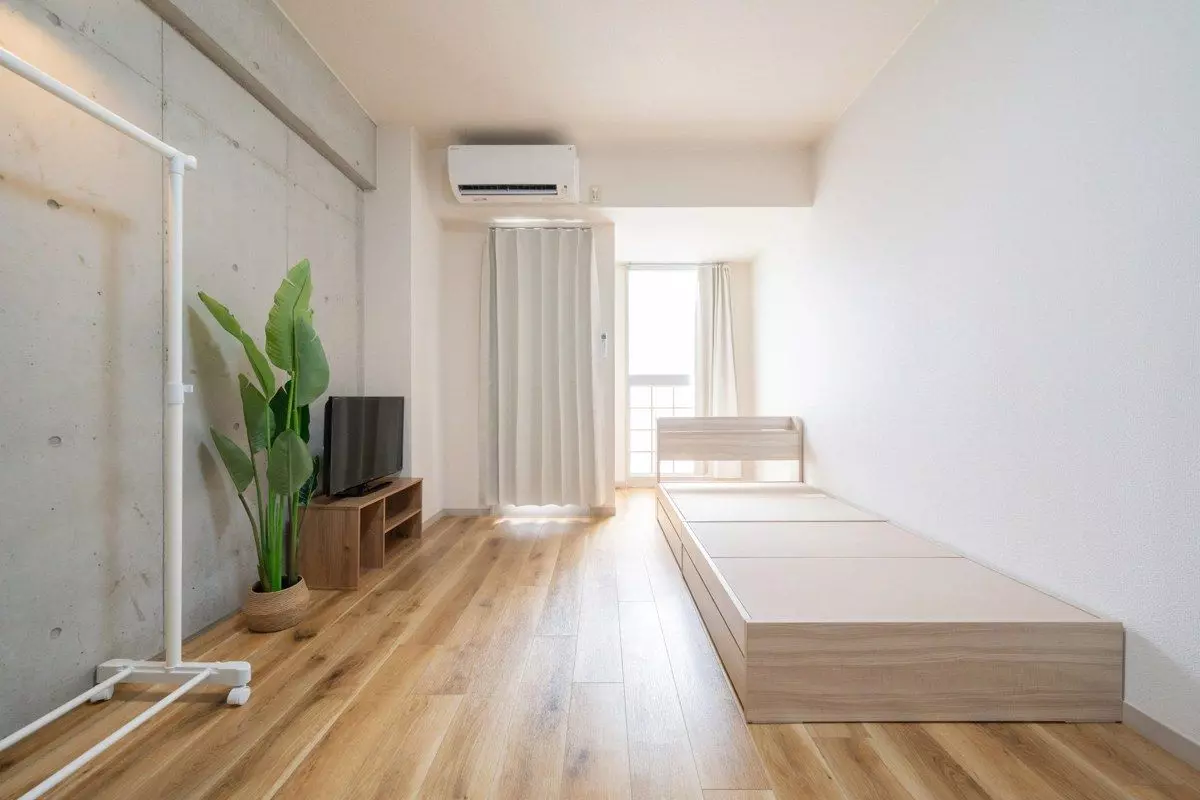
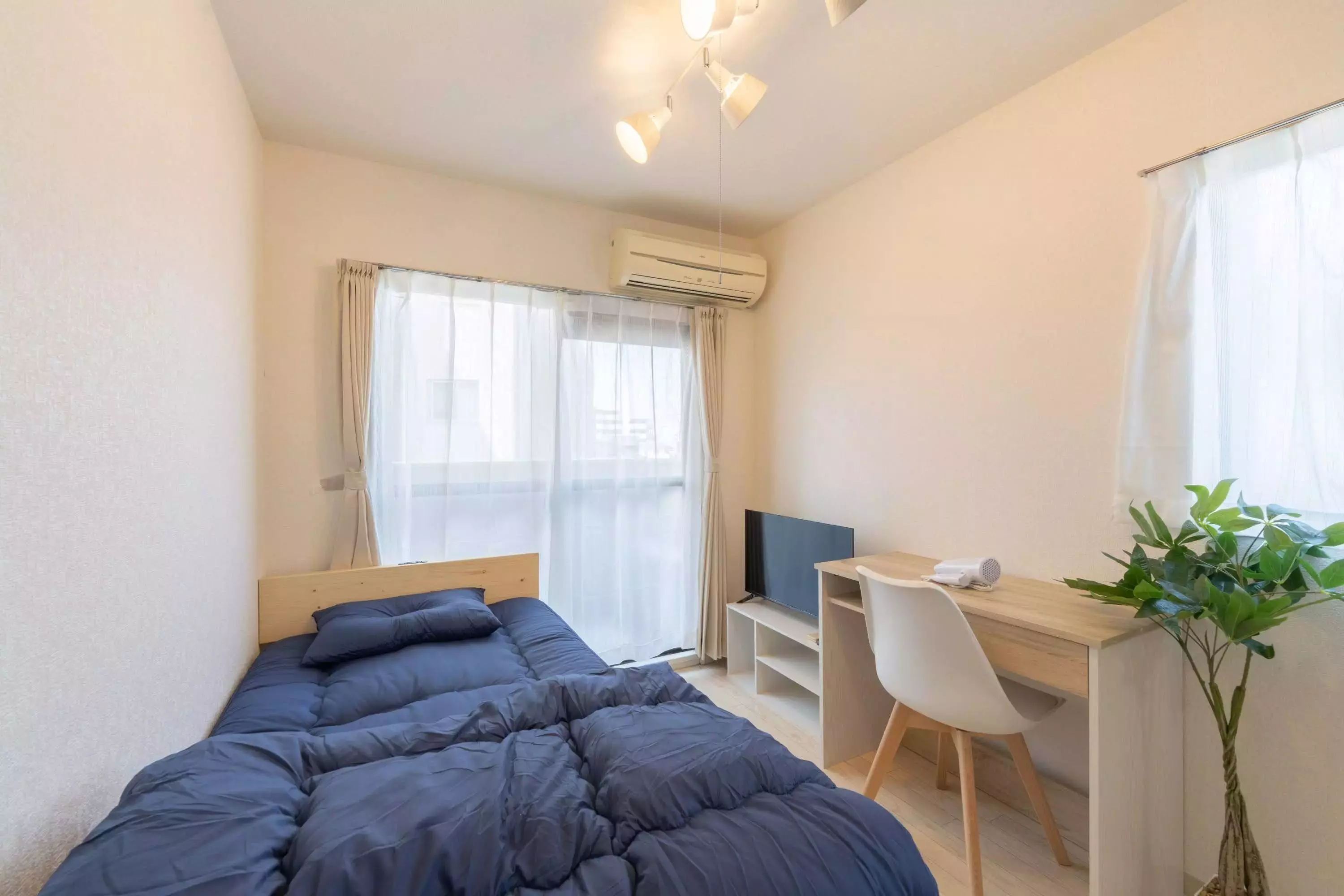
Furnished apartments are designed for single occupancy and come fully furnished with appliances such as a bed, microwave, and refrigerator, making it easy to start living there immediately. They are also attractive because the initial costs are a flat rate of 50,000 yen, and the rent starts from a reasonable 60,000 yen.
Search for a room
Only furnished properties with appliances are listed!
summary
Whether or not you can invite friends to a shared house depends on the rules of each property. Generally, there are time limits, prior application required, and restrictions on overnight stays, and following these rules can prevent problems with other residents. Particular attention should be paid to noise, privacy, and the use of shared spaces.
If you want to invite friends over freely, it's recommended to choose a shared house or furnished apartment that allows visitors. With Cross House's furnished apartments, you can invite friends and family over and start living alone with lower initial costs. On the other hand, Cross House's shared houses do not allow visitors for safety reasons, so it's important to choose according to your lifestyle.
Let's follow the rules of the share house and enjoy a comfortable communal living experience.